Nandi Soft Stone – Crafted by Nature
Nandi Soft Stone – Crafted by Nature
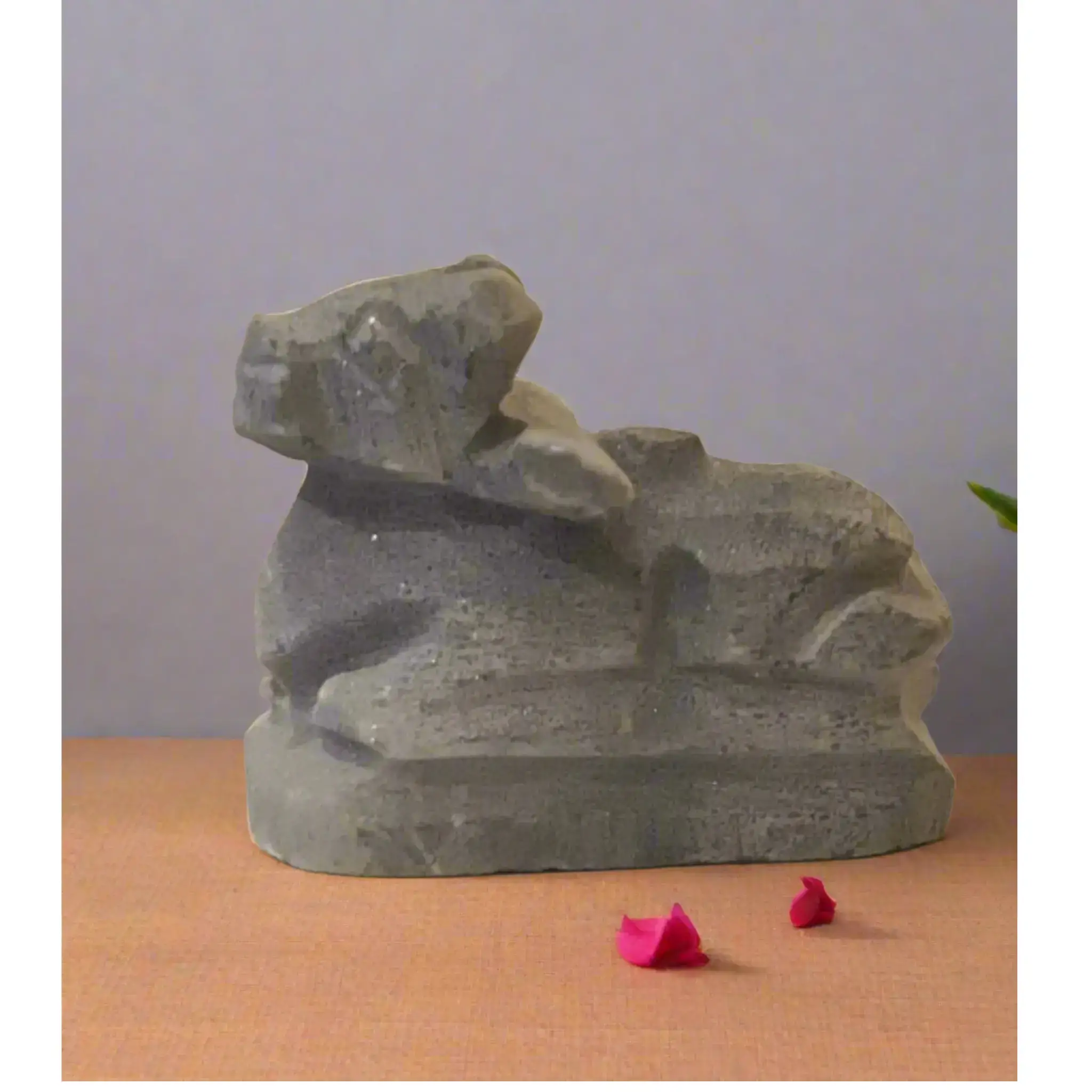
The exquisite Nandi Soft Stone is a remarkable material used by artisans for centuries. It primarily consists of chloritic schist, a type of soapstone locally sourced and cherished for its softness when freshly quarried. This softness allows artisans to create incredibly detailed and delicate carvings, showcasing their skill and artistry. Over time, this stone naturally hardens, preserving the intricate work for generations to come, making it ideal for long-lasting sculptures.
Historical Significance of Nandi Softstone Idols
This unique art form is showcased brilliantly in the Chennakeshava Temple, a magnificent example of Hoysala architecture. The temple's ornate carvings become more vivid with this stone, allowing craftsmen to render complex mythological stories with precision. These carvings illustrate scenes from revered epics like the Ramayana, Mahabharata, and Bhagavata Purana. Alongside these narratives, the stone sculptures also depict celestial dancers known as apsaras, musicians, a variety of animals, and rich floral motifs.
The detailed ornamentation found in these sculptures is a testament to the artisans’ mastery. The combination of high and low relief work brings life and depth to these figures, enhancing their realism. For anyone interested in spiritual decor, a soft stone nandi statue is an excellent example of this tradition and craft.
Techniques and Craftsmanship
Artisans in Belur, a key center for this stone craft, have developed exceptional techniques for working with this material. They mastered deep undercutting, which allows parts of the sculpture to protrude in lifelike fashion without the risk of breaking. Polished finishes give the stone a smooth, tactile quality that enhances the overall visual appeal of sculptures.
These techniques create the illusion that the sculptures breathe and move with life. While primarily used in temple architecture, this tradition expanded to various architectural elements such as mantapas, pillars, ceilings, and shrines. The influence of such art extends across South India, inspiring generations of sculptors. A traditional nandi stone sculpture exemplifies this artistic legacy perfectly.
Stone Nandi Idols for Spiritual Spaces
The spiritual significance of lord shiva nandi idols carved from this soft stone cannot be overstated. These idols are revered for their symbolic connection to Lord Shiva's mount, Nandi. The softness of the stone allows devotional artists to capture the bull’s divine features with fine detailing. Many people choose a nandi idol for home or temple to invoke peace, strength, and loyalty.
The nandi statue for pooja is particularly popular in homes and places of worship. It is traditionally placed facing the Shiva Lingam to honor its sacred role. The durability of this material ensures that these idols remain vibrant and intact through years of worship.
Why Choose Nandi Stone Sculptures?
Artisans value this stone because it combines workability and durability. When freshly quarried, its softness allows exquisite detail, while natural hardening over time provides lasting preservation. Visitors to historic sites admire the timeless nature of these sculptures, as they exhibit precision, realism, and intricate ornamentation.
Moreover, a nandi stone idol not only serves as a spiritual symbol but also as an artistic treasure. These sculptures bring a traditional aesthetic to any spiritual or decorative setting. Collectors and devotees alike appreciate the stone's unique qualities and the profound symbolism carried by Nandi figures.
Preserving the Tradition of Nandi Idol Craft
The centuries-old tradition of carving with this stone continues to thrive thanks to skilled artisans. Techniques perfected in Belur and other cultural centers remain alive, ensuring every new sculpture is crafted with dedication, like those found in ancient temples. These artists keep the legacy vibrant by creating both grand temple sculptures and smaller idols suited for personal worship and home decor.
Each piece made from a Nandi Stone idol connects the observer to a rich heritage. Whether it is a soft stone nandi statue or an elaborate temple carving, the cultural and spiritual values are deeply embedded in the stone’s texture and form.
Product Information
Product Information
Shipping & Returns
Shipping & Returns
Description
Nandi Soft Stone – Crafted by Nature
The exquisite Nandi Soft Stone is a remarkable material used by artisans for centuries. It primarily consists of chloritic schist, a type of soapstone locally sourced and cherished for its softness when freshly quarried. This softness allows artisans to create incredibly detailed and delicate carvings, showcasing their skill and artistry. Over time, this stone naturally hardens, preserving the intricate work for generations to come, making it ideal for long-lasting sculptures.
Historical Significance of Nandi Softstone Idols
This unique art form is showcased brilliantly in the Chennakeshava Temple, a magnificent example of Hoysala architecture. The temple's ornate carvings become more vivid with this stone, allowing craftsmen to render complex mythological stories with precision. These carvings illustrate scenes from revered epics like the Ramayana, Mahabharata, and Bhagavata Purana. Alongside these narratives, the stone sculptures also depict celestial dancers known as apsaras, musicians, a variety of animals, and rich floral motifs.
The detailed ornamentation found in these sculptures is a testament to the artisans’ mastery. The combination of high and low relief work brings life and depth to these figures, enhancing their realism. For anyone interested in spiritual decor, a soft stone nandi statue is an excellent example of this tradition and craft.
Techniques and Craftsmanship
Artisans in Belur, a key center for this stone craft, have developed exceptional techniques for working with this material. They mastered deep undercutting, which allows parts of the sculpture to protrude in lifelike fashion without the risk of breaking. Polished finishes give the stone a smooth, tactile quality that enhances the overall visual appeal of sculptures.
These techniques create the illusion that the sculptures breathe and move with life. While primarily used in temple architecture, this tradition expanded to various architectural elements such as mantapas, pillars, ceilings, and shrines. The influence of such art extends across South India, inspiring generations of sculptors. A traditional nandi stone sculpture exemplifies this artistic legacy perfectly.
Stone Nandi Idols for Spiritual Spaces
The spiritual significance of lord shiva nandi idols carved from this soft stone cannot be overstated. These idols are revered for their symbolic connection to Lord Shiva's mount, Nandi. The softness of the stone allows devotional artists to capture the bull’s divine features with fine detailing. Many people choose a nandi idol for home or temple to invoke peace, strength, and loyalty.
The nandi statue for pooja is particularly popular in homes and places of worship. It is traditionally placed facing the Shiva Lingam to honor its sacred role. The durability of this material ensures that these idols remain vibrant and intact through years of worship.
Why Choose Nandi Stone Sculptures?
Artisans value this stone because it combines workability and durability. When freshly quarried, its softness allows exquisite detail, while natural hardening over time provides lasting preservation. Visitors to historic sites admire the timeless nature of these sculptures, as they exhibit precision, realism, and intricate ornamentation.
Moreover, a nandi stone idol not only serves as a spiritual symbol but also as an artistic treasure. These sculptures bring a traditional aesthetic to any spiritual or decorative setting. Collectors and devotees alike appreciate the stone's unique qualities and the profound symbolism carried by Nandi figures.
Preserving the Tradition of Nandi Idol Craft
The centuries-old tradition of carving with this stone continues to thrive thanks to skilled artisans. Techniques perfected in Belur and other cultural centers remain alive, ensuring every new sculpture is crafted with dedication, like those found in ancient temples. These artists keep the legacy vibrant by creating both grand temple sculptures and smaller idols suited for personal worship and home decor.
Each piece made from a Nandi Stone idol connects the observer to a rich heritage. Whether it is a soft stone nandi statue or an elaborate temple carving, the cultural and spiritual values are deeply embedded in the stone’s texture and form.