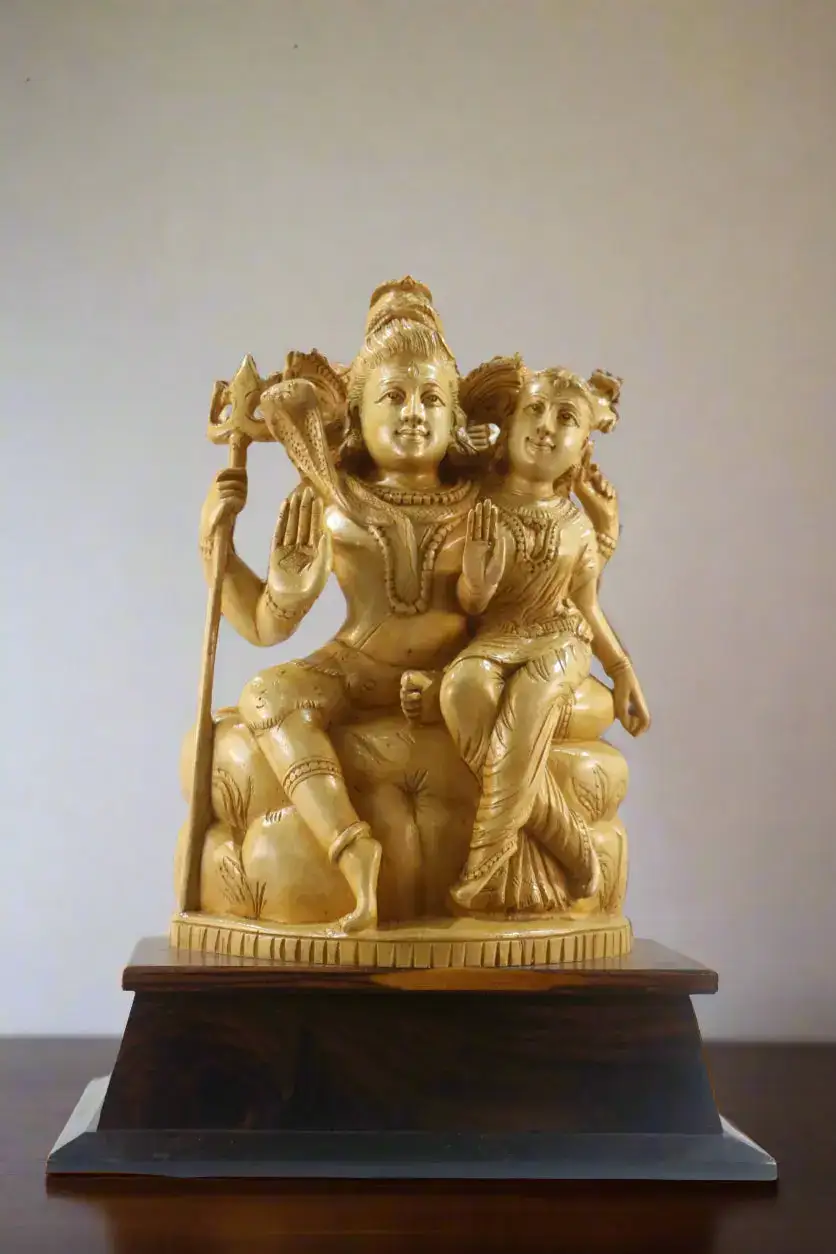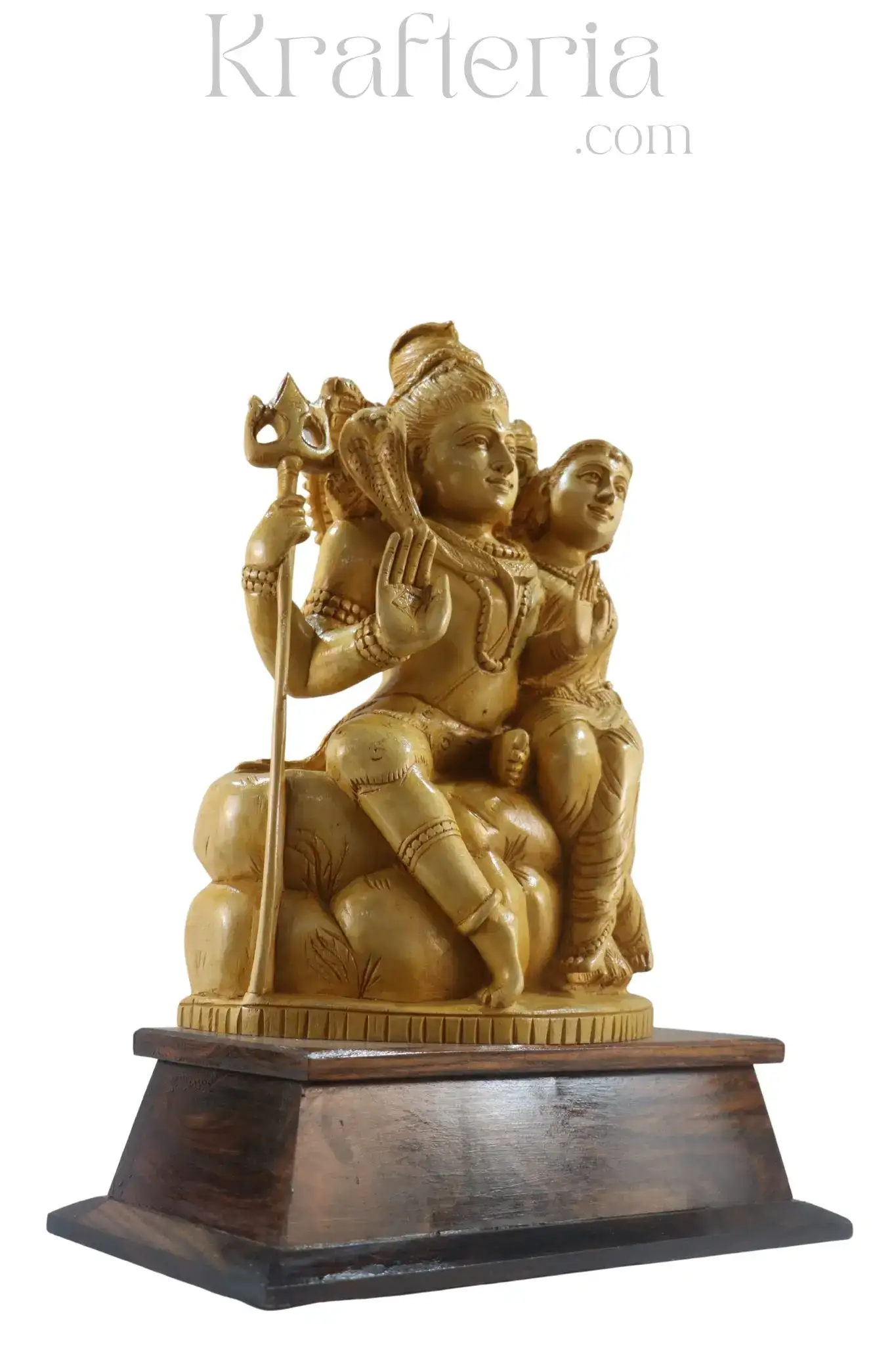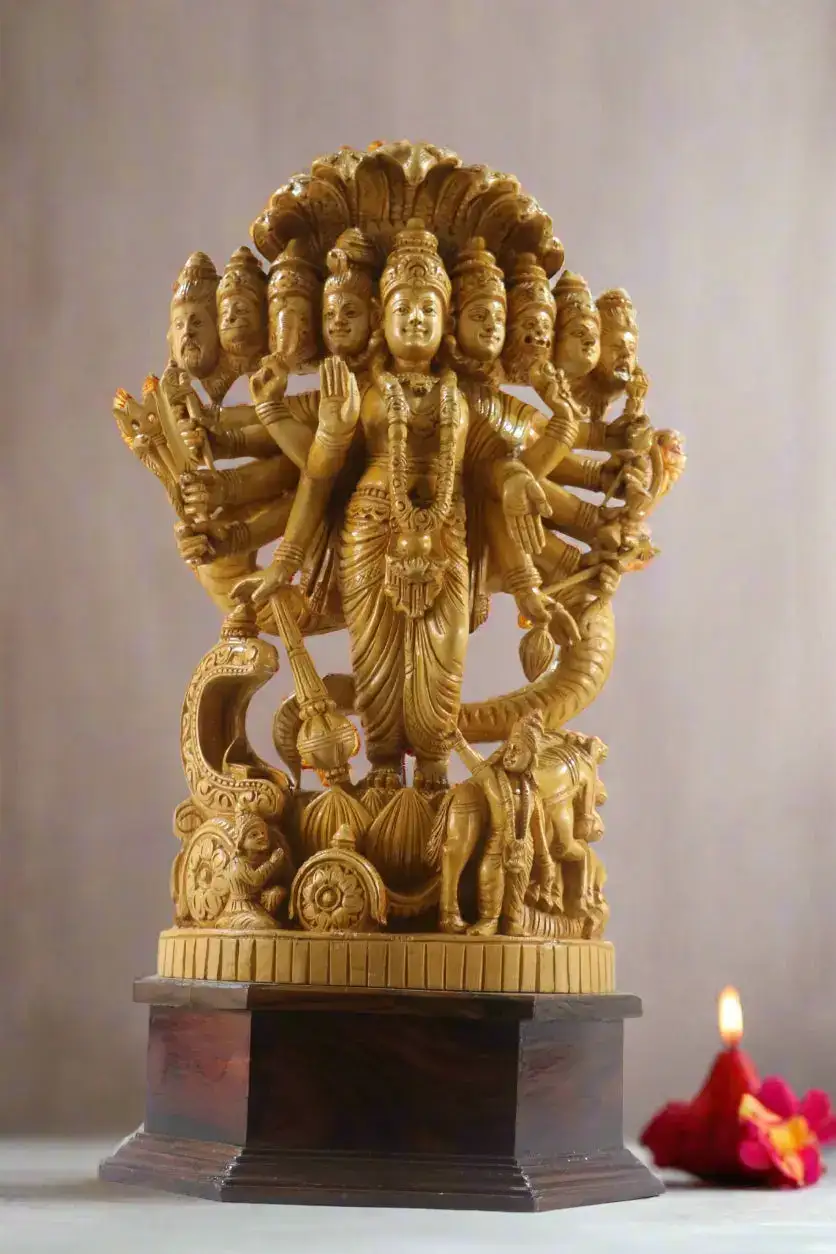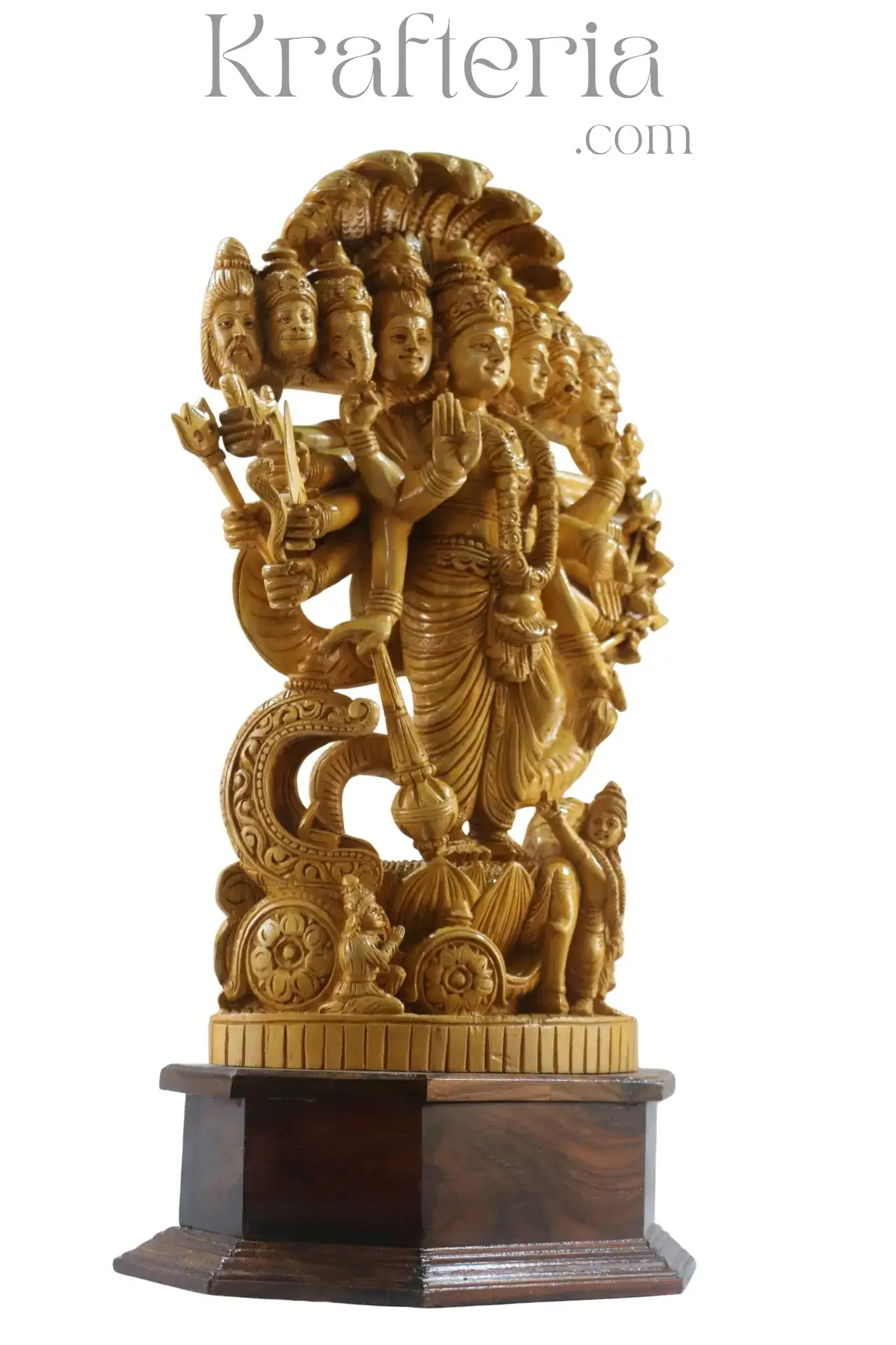
Lord Lakshmi Devi Sculpture – Goddess of Wealth and Prosperity
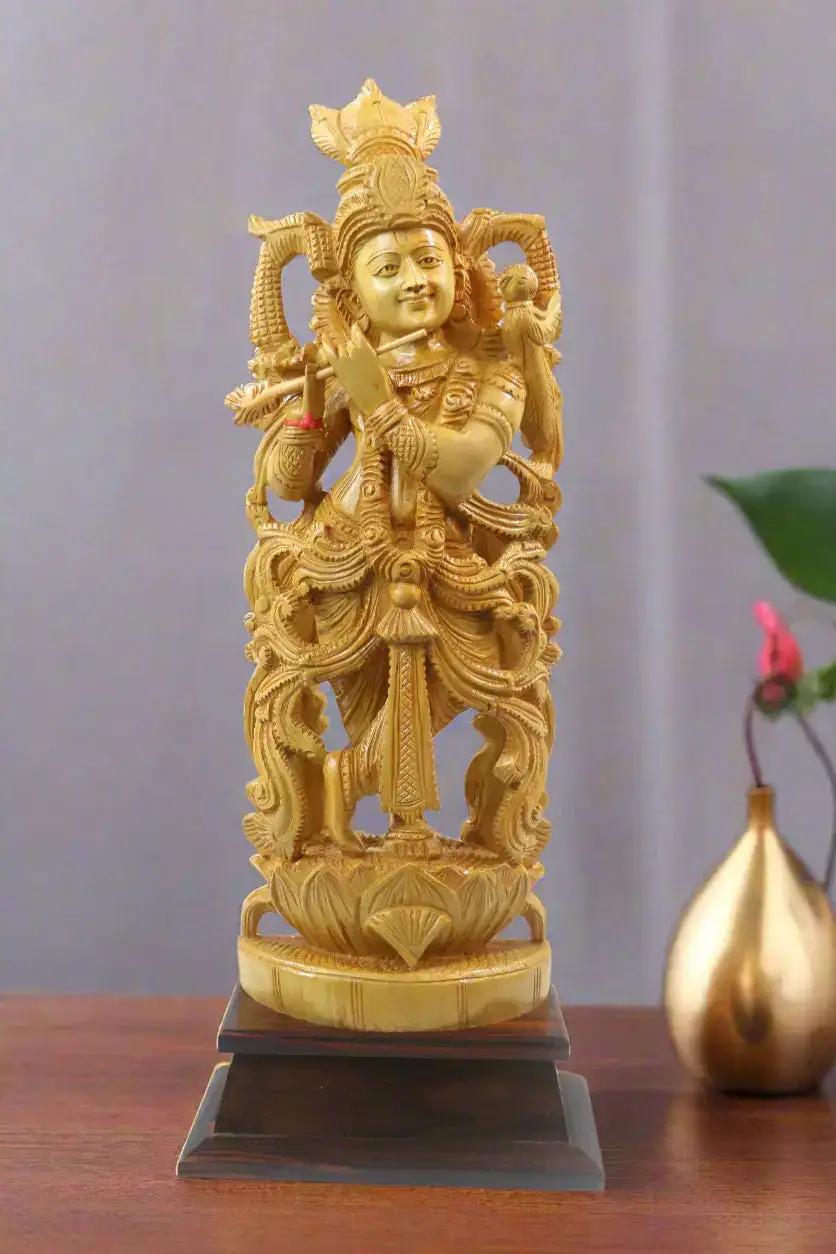
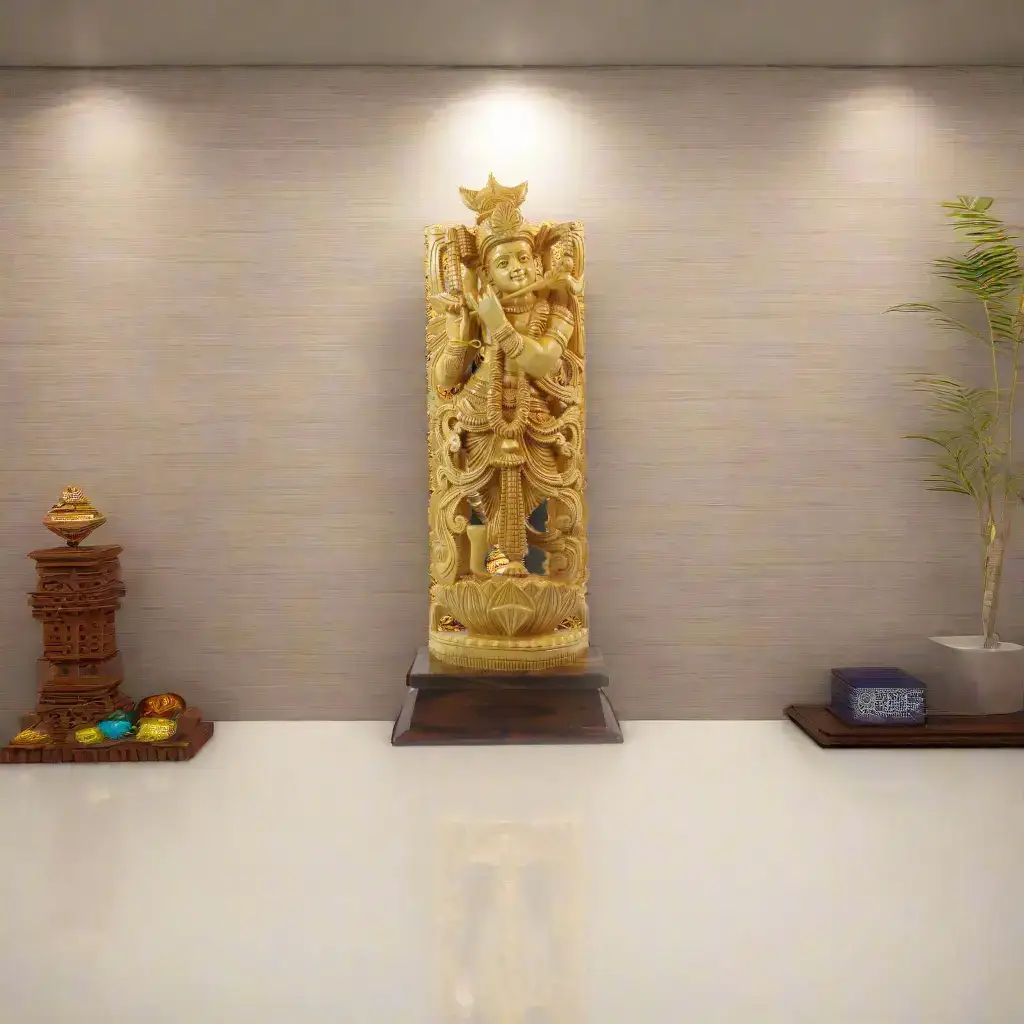
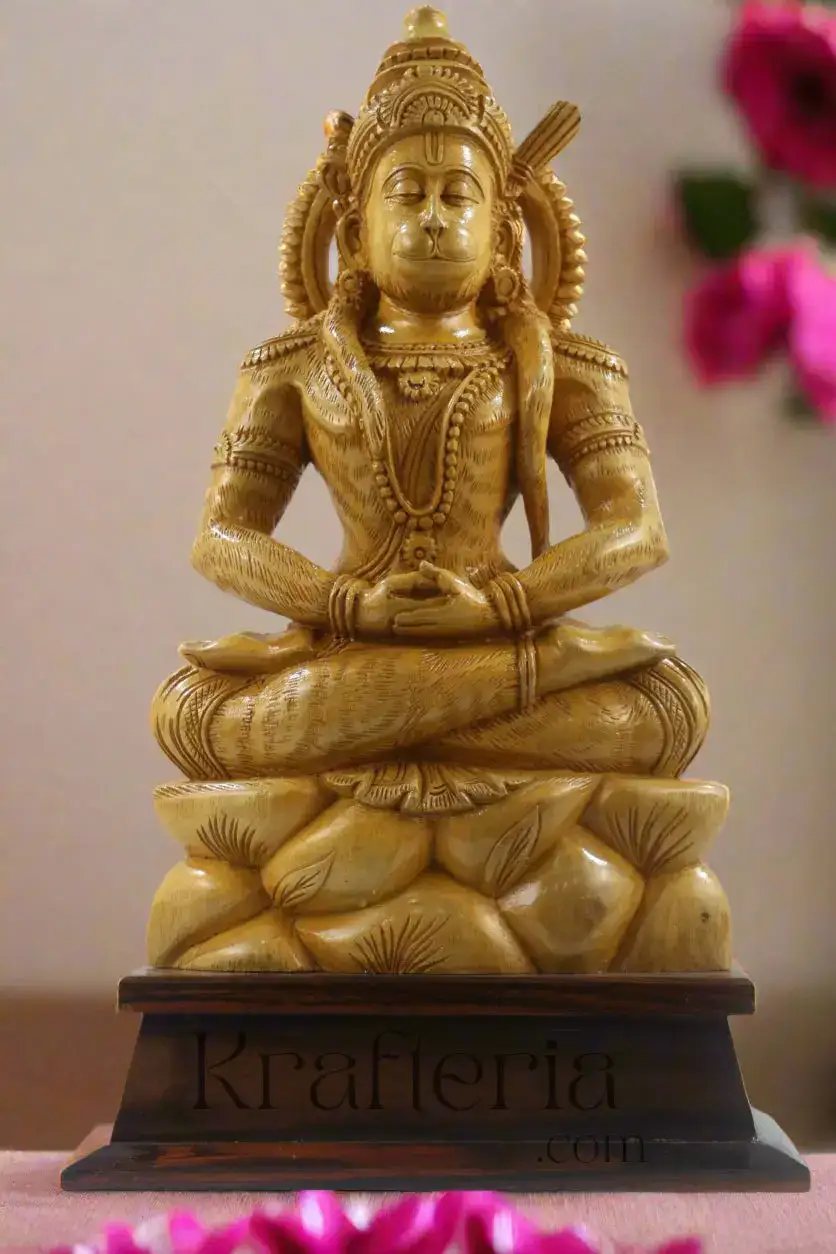
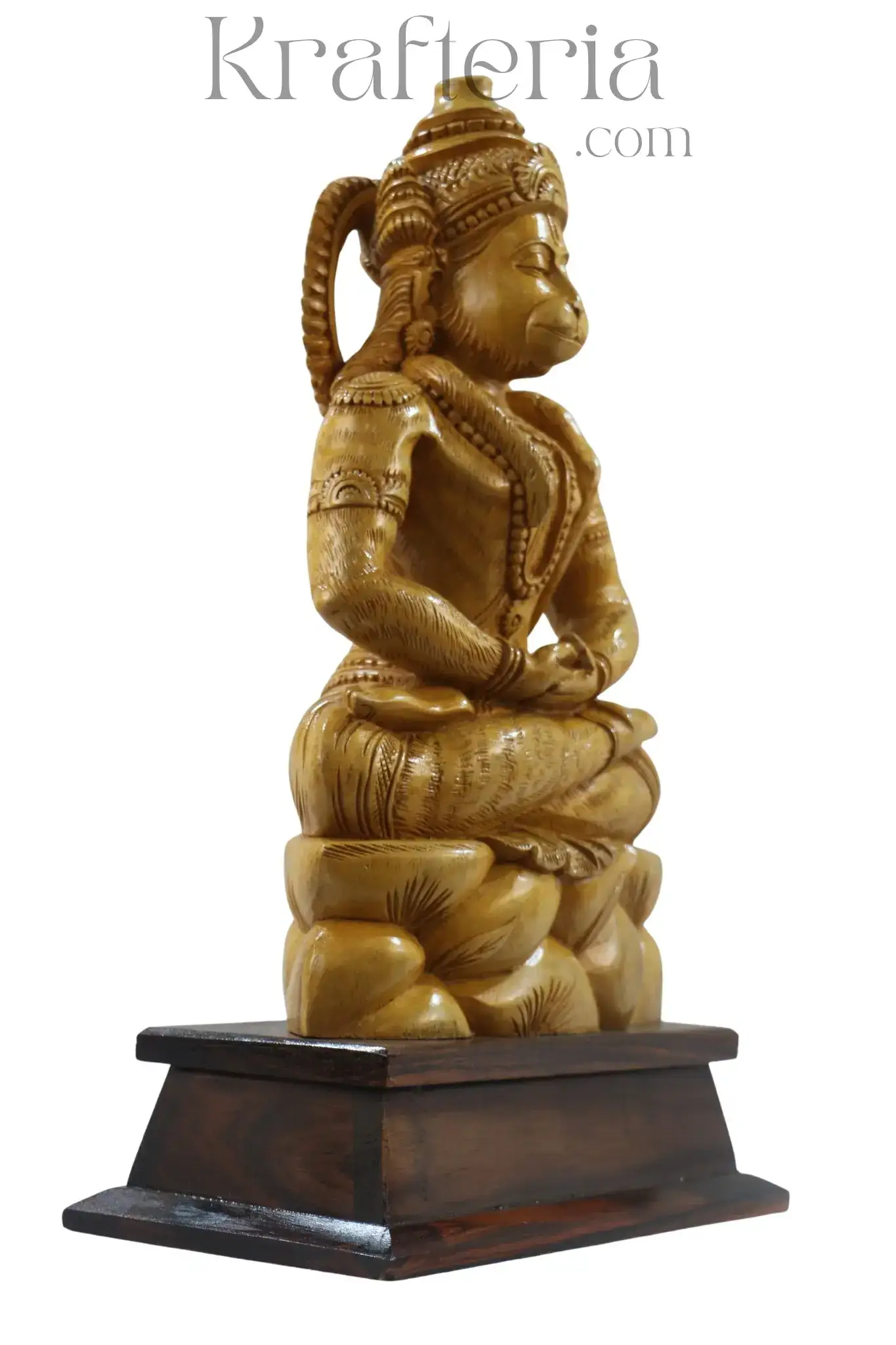
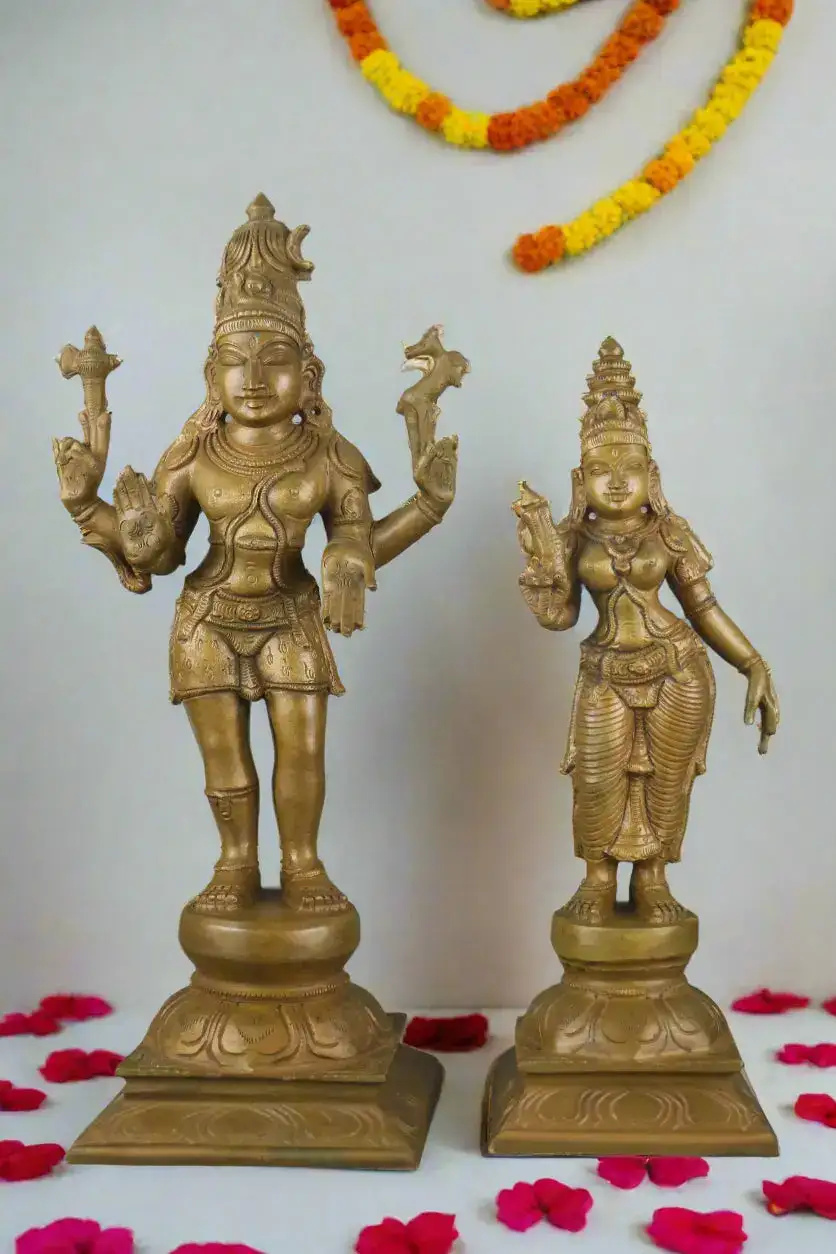
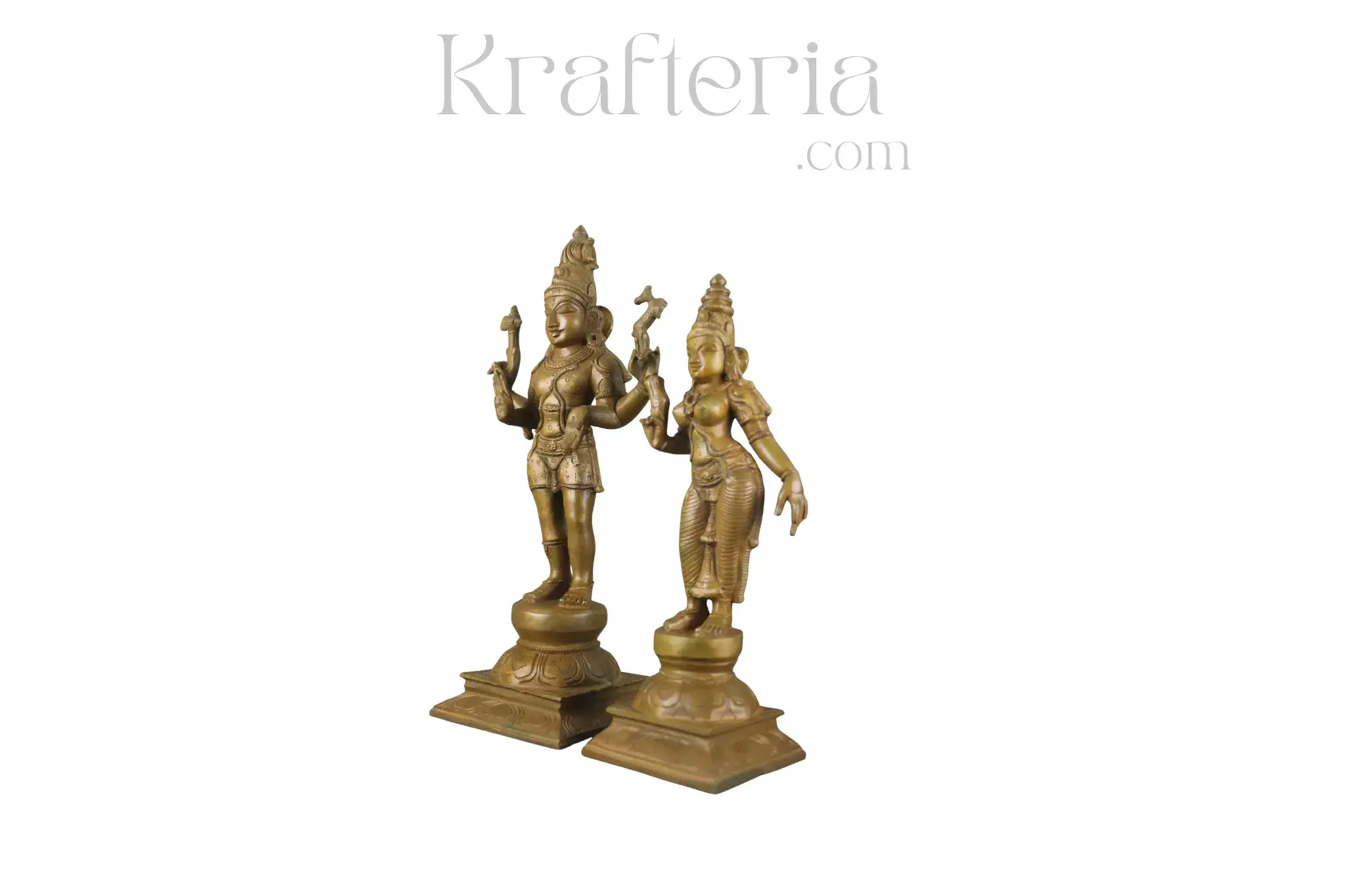
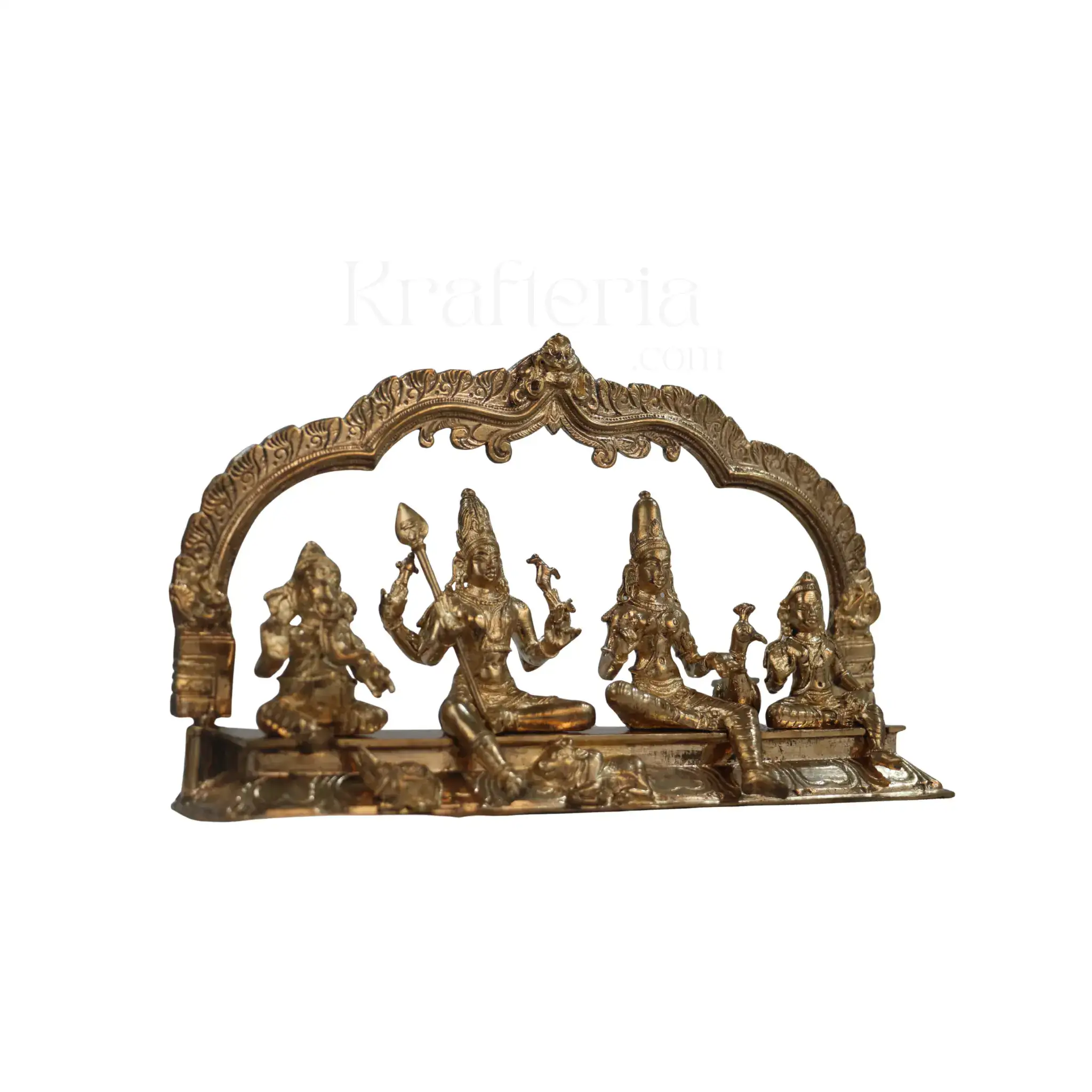
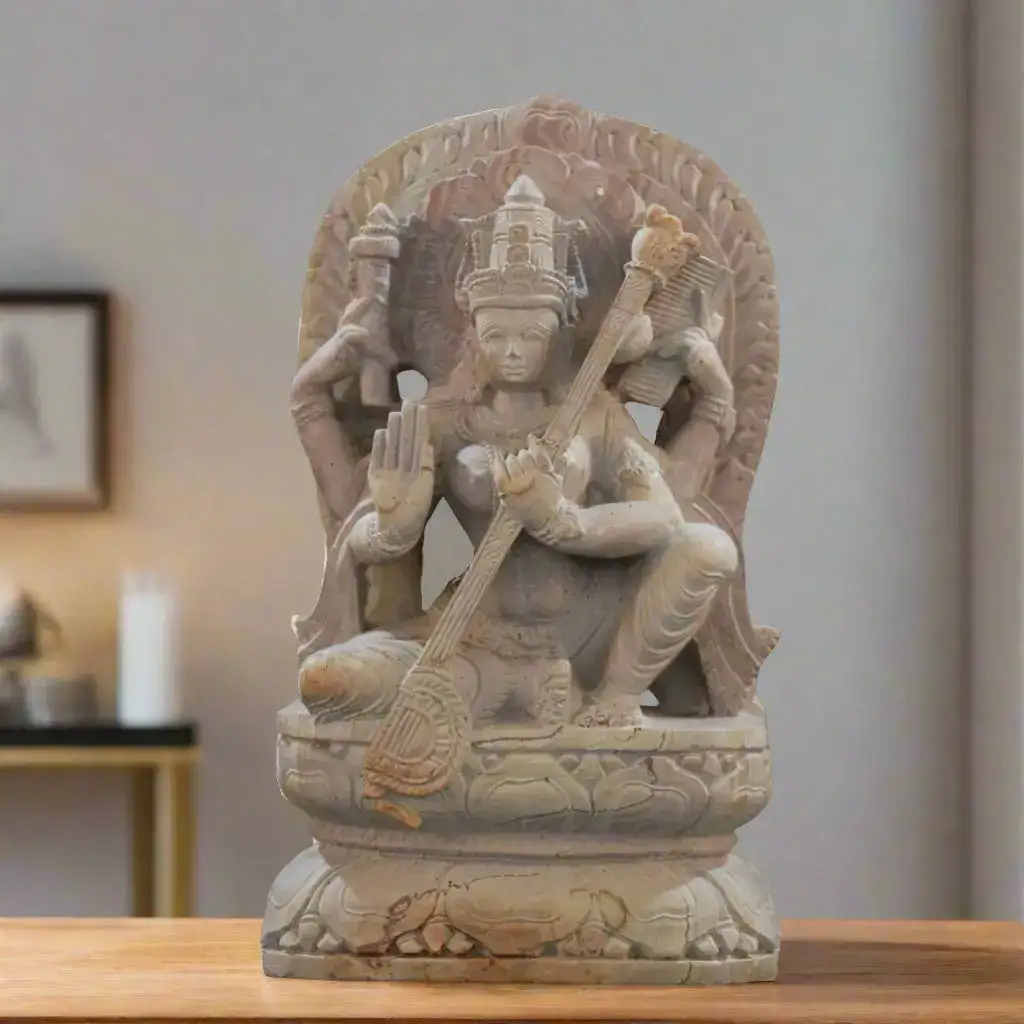
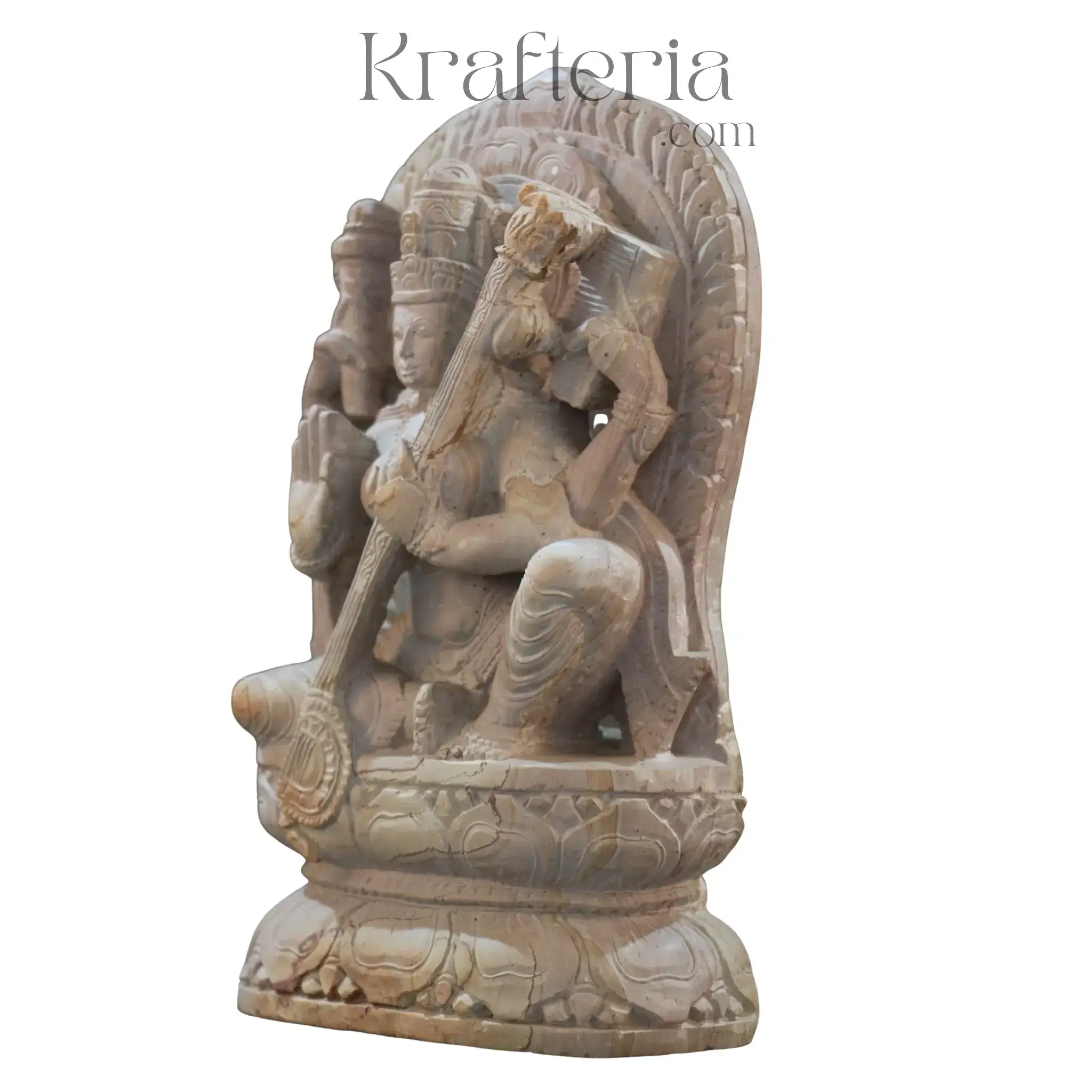
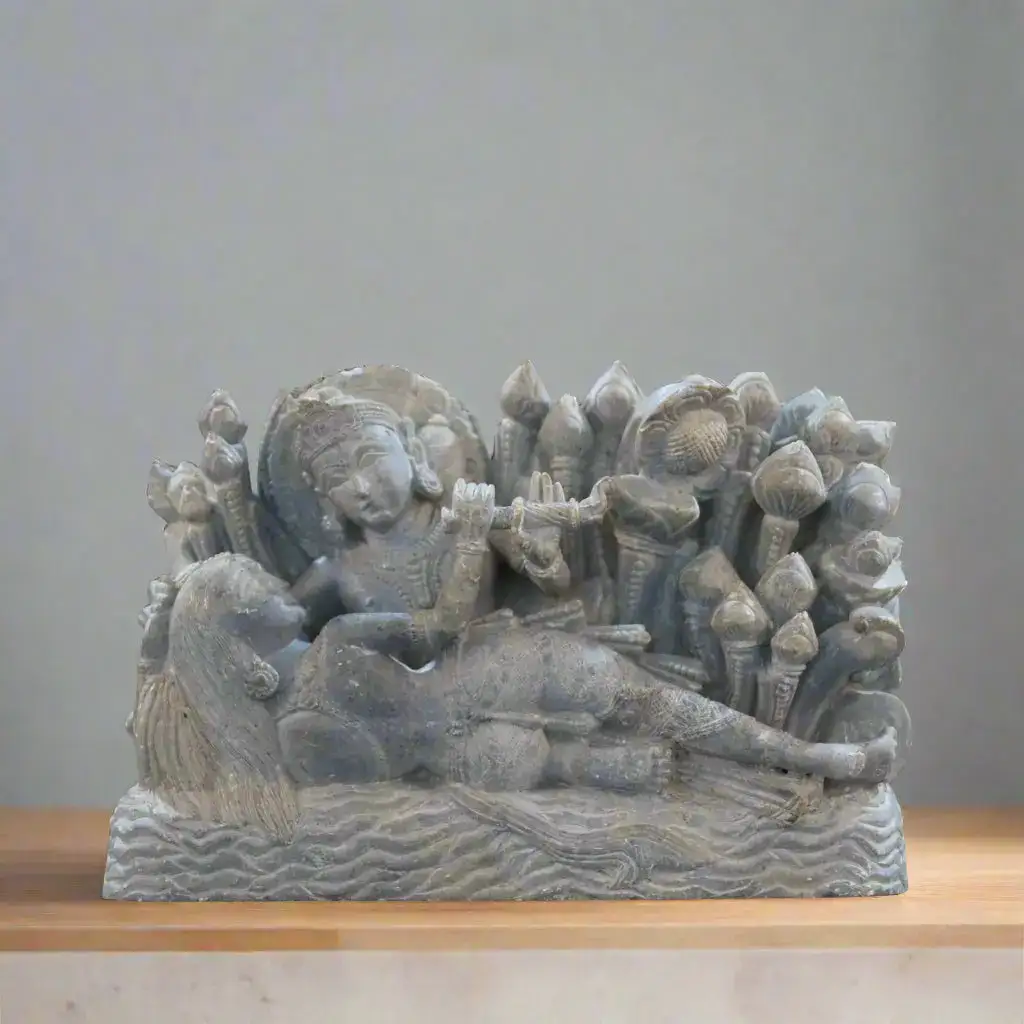
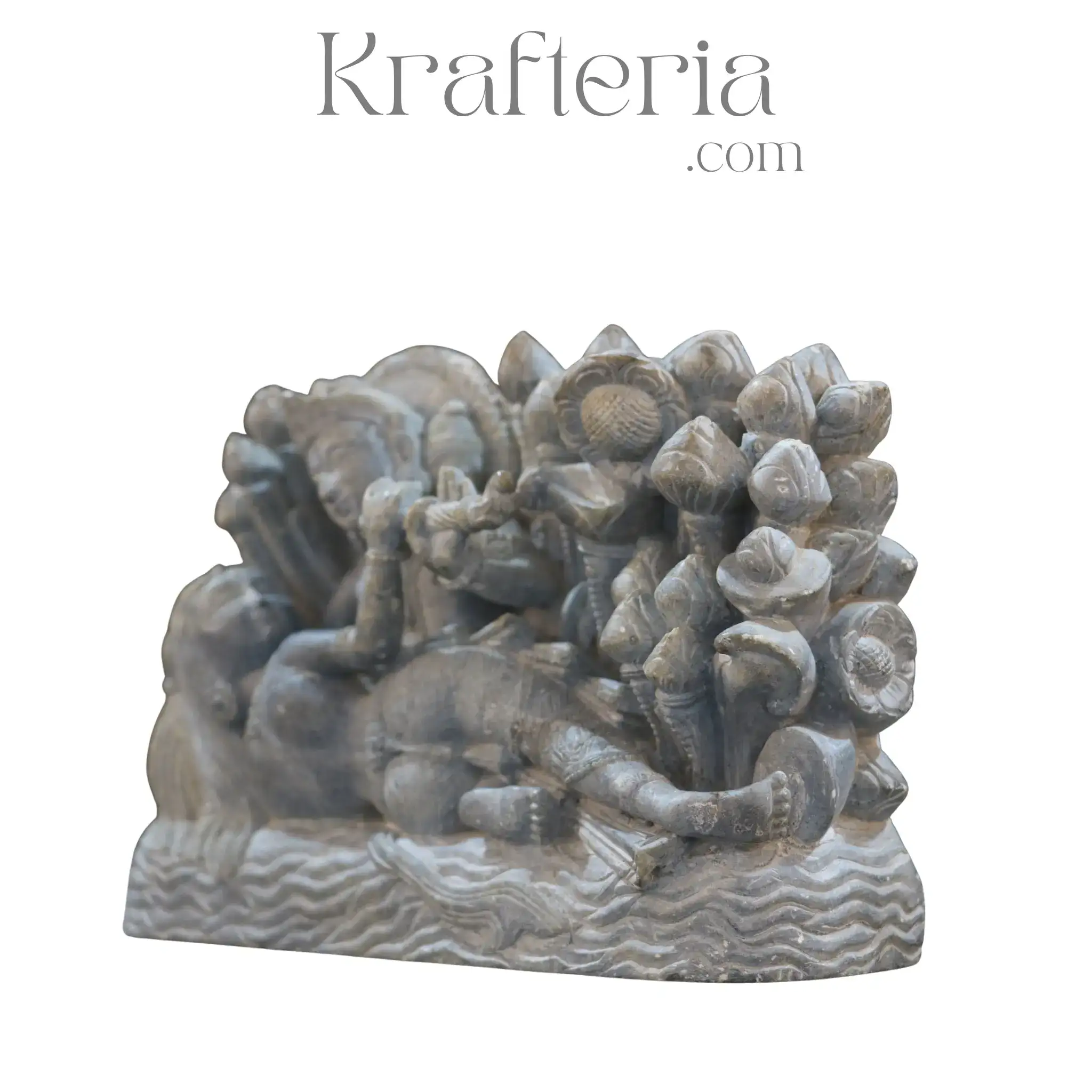
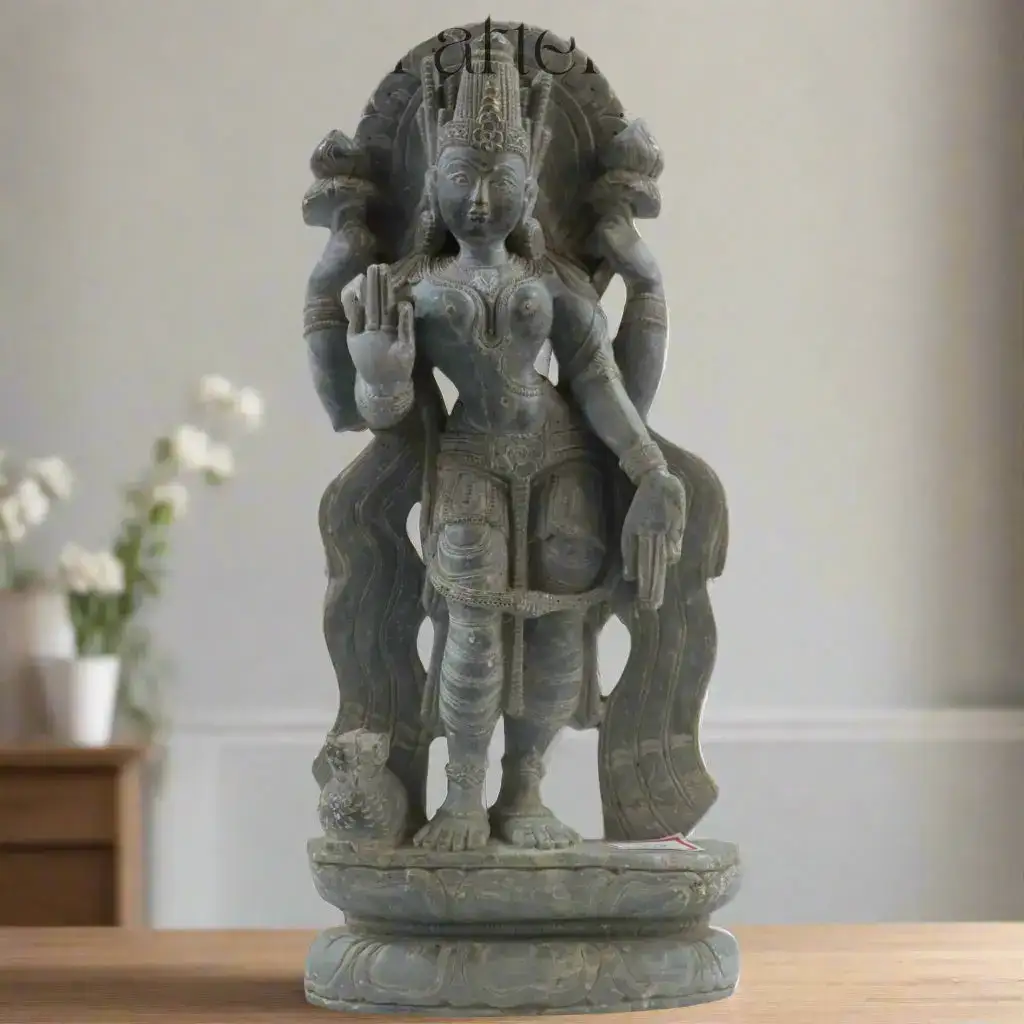
Lord Lakshmi Devi Sculpture is a beautiful representation of divine prosperity and spiritual grace. This exquisite sculpture measures 8"H, 2.5"W, and 1.2"L, showcasing intricate craftsmanship inspired by the rich traditions of Mahabalipuram. Mahabalipuram, also known as Mamallapuram, is a historic and sacred site located in Tamil Nadu, India. Its archaeological importance is derived from its deep cultural heritage. The art and architecture here mainly belong to the Pallava period, especially under the reigns of Mahendravarman and Narasimhavarman, dating back to the 7th and 8th centuries CE.
The architectural marvels of Mahabalipuram have significantly influenced many artists and sculptors. The Pallava era is celebrated for its unique style, which is evident in numerous rock-cut and monolithic structures. These serve as inspiration for craftsmen creating Traditional Lakshmi sculpture and other religious artifacts. These works hold meaning beyond their aesthetics, playing pivotal roles in spiritual activities and cultural festivities.
The Art Period and Historical Background of Lord Lakshmi Devi Sculpture
The artistic advancements of Mahabalipuram occurred during the reign of the Pallava dynasty. Noteworthy rulers such as Mahendravarman (circa 600–630 CE) and Narasimhavarman I, known as Mamalla (circa 630–668 CE), greatly contributed to this cultural bloom. The town of Mahabalipuram was named in honor of Narasimhavarman I, showcasing his lasting legacy. Sculptures from the Pallava dynasty highlight classical styles and deep spiritual symbolism from that era.
The art of this period includes remarkable examples such as rock-cut temples, monolithic rathas shaped like chariots, and cave temples or mandapas. Among these, the Shore Temple stands out as an early structural temple built from granite, demonstrating exceptional architectural skill. Additionally, the bas-relief sculptures display critical mythological scenes like "Descent of the Ganges" and "Arjuna’s Penance." Every piece holds spiritual and historical significance, enriching the understanding of Pallava culture.
Significance of the Lord Lakshmi Devi Sculpture in Devotional Practices
This sculpture is more than an artistic masterpiece; it acts as a spiritual focus in many religious and cultural rituals. Devotees often seek a Goddess Lakshmi idol for home to invite prosperity and good fortune. This sculpture is a popular choice as a Housewarming gift Lakshmi idol, symbolizing blessings for happiness and new beginnings. Many prefer to keep a Lakshmi idol for pooja room or a Lakshmi Devi murti for vastu to harmonize their living spaces both spiritually and energetically.
Its unique qualities make this sculpture highly sought after by both collectors and worshippers. Due to its traditional craftsmanship and sacred meaning, many choose to Buy Lakshmi Devi statue online for authenticity and convenience. This option helps expand access to these sacred figures while maintaining their cultural significance. Furthermore, the Lakshmi statue for Diwali pooja is an essential element during festivals, promoting abundance and divine grace.
Architectural Features that Inspire the Sculpture
The architectural brilliance of Mahabalipuram greatly influences the style and motifs seen in Traditional Lakshmi sculpture. The rock-cut temples highlight symmetry and detailed iconography. Monolithic rathas, designed to resemble chariots, demonstrate the peaks of Pallava artistry. Cave temples, or mandapas, offer peaceful areas for worship and are adorned with elaborate bas-reliefs illustrating religious legends and narratives.
Bas-relief masterpieces like the "Descent of the Ganges" showcase dynamic storytelling carved in stone, setting standards for artistic brilliance. These themes are also reflected in the Lord Lakshmi Devi Sculptures, connecting the sculpture’s spiritual importance with its artistic legacy. The Shore Temple’s granite construction similarly inspires the durability and excellence seen in these sacred figures.
Modern Reverence and Use of Lord Lakshmi Devi Sculptures
In contemporary settings, the Lord Lakshmi Devi Sculpture remains vital in both spiritual and decorative contexts. It is cherished in homes and offices alike. Many place a Goddess Lakshmi idol for office to boost positive energy and encourage success. This sculpture is used extensively during festivals and rituals, bridging ancient traditions with modern faith practices.
The steady demand to Buy Lakshmi Devi statue online points to a growing global appreciation for these cultural treasures. Collectors admire the balance of historic authenticity and spiritual power. As a symbol of prosperity, the sculpture links past heritage with present-day reverence, adding beauty, grace, and blessings to daily life.
In summary, the Lord Lakshmi Devi Sculpture captures the essence of Pallava art perfectly. It holds sacred value, influences devotional customs, and carries the legacy of Mahabalipuram’s grand tradition. Whether gifted as a Housewarming gift Lakshmi idol, used for Diwali celebrations, or included in daily worship, it enriches spaces with divine energy and cultural resonance.
Product Information
Product Information
Shipping & Returns
Shipping & Returns
Description
Lord Lakshmi Devi Sculpture is a beautiful representation of divine prosperity and spiritual grace. This exquisite sculpture measures 8"H, 2.5"W, and 1.2"L, showcasing intricate craftsmanship inspired by the rich traditions of Mahabalipuram. Mahabalipuram, also known as Mamallapuram, is a historic and sacred site located in Tamil Nadu, India. Its archaeological importance is derived from its deep cultural heritage. The art and architecture here mainly belong to the Pallava period, especially under the reigns of Mahendravarman and Narasimhavarman, dating back to the 7th and 8th centuries CE.
The architectural marvels of Mahabalipuram have significantly influenced many artists and sculptors. The Pallava era is celebrated for its unique style, which is evident in numerous rock-cut and monolithic structures. These serve as inspiration for craftsmen creating Traditional Lakshmi sculpture and other religious artifacts. These works hold meaning beyond their aesthetics, playing pivotal roles in spiritual activities and cultural festivities.
The Art Period and Historical Background of Lord Lakshmi Devi Sculpture
The artistic advancements of Mahabalipuram occurred during the reign of the Pallava dynasty. Noteworthy rulers such as Mahendravarman (circa 600–630 CE) and Narasimhavarman I, known as Mamalla (circa 630–668 CE), greatly contributed to this cultural bloom. The town of Mahabalipuram was named in honor of Narasimhavarman I, showcasing his lasting legacy. Sculptures from the Pallava dynasty highlight classical styles and deep spiritual symbolism from that era.
The art of this period includes remarkable examples such as rock-cut temples, monolithic rathas shaped like chariots, and cave temples or mandapas. Among these, the Shore Temple stands out as an early structural temple built from granite, demonstrating exceptional architectural skill. Additionally, the bas-relief sculptures display critical mythological scenes like "Descent of the Ganges" and "Arjuna’s Penance." Every piece holds spiritual and historical significance, enriching the understanding of Pallava culture.
Significance of the Lord Lakshmi Devi Sculpture in Devotional Practices
This sculpture is more than an artistic masterpiece; it acts as a spiritual focus in many religious and cultural rituals. Devotees often seek a Goddess Lakshmi idol for home to invite prosperity and good fortune. This sculpture is a popular choice as a Housewarming gift Lakshmi idol, symbolizing blessings for happiness and new beginnings. Many prefer to keep a Lakshmi idol for pooja room or a Lakshmi Devi murti for vastu to harmonize their living spaces both spiritually and energetically.
Its unique qualities make this sculpture highly sought after by both collectors and worshippers. Due to its traditional craftsmanship and sacred meaning, many choose to Buy Lakshmi Devi statue online for authenticity and convenience. This option helps expand access to these sacred figures while maintaining their cultural significance. Furthermore, the Lakshmi statue for Diwali pooja is an essential element during festivals, promoting abundance and divine grace.
Architectural Features that Inspire the Sculpture
The architectural brilliance of Mahabalipuram greatly influences the style and motifs seen in Traditional Lakshmi sculpture. The rock-cut temples highlight symmetry and detailed iconography. Monolithic rathas, designed to resemble chariots, demonstrate the peaks of Pallava artistry. Cave temples, or mandapas, offer peaceful areas for worship and are adorned with elaborate bas-reliefs illustrating religious legends and narratives.
Bas-relief masterpieces like the "Descent of the Ganges" showcase dynamic storytelling carved in stone, setting standards for artistic brilliance. These themes are also reflected in the Lord Lakshmi Devi Sculptures, connecting the sculpture’s spiritual importance with its artistic legacy. The Shore Temple’s granite construction similarly inspires the durability and excellence seen in these sacred figures.
Modern Reverence and Use of Lord Lakshmi Devi Sculptures
In contemporary settings, the Lord Lakshmi Devi Sculpture remains vital in both spiritual and decorative contexts. It is cherished in homes and offices alike. Many place a Goddess Lakshmi idol for office to boost positive energy and encourage success. This sculpture is used extensively during festivals and rituals, bridging ancient traditions with modern faith practices.
The steady demand to Buy Lakshmi Devi statue online points to a growing global appreciation for these cultural treasures. Collectors admire the balance of historic authenticity and spiritual power. As a symbol of prosperity, the sculpture links past heritage with present-day reverence, adding beauty, grace, and blessings to daily life.
In summary, the Lord Lakshmi Devi Sculpture captures the essence of Pallava art perfectly. It holds sacred value, influences devotional customs, and carries the legacy of Mahabalipuram’s grand tradition. Whether gifted as a Housewarming gift Lakshmi idol, used for Diwali celebrations, or included in daily worship, it enriches spaces with divine energy and cultural resonance.