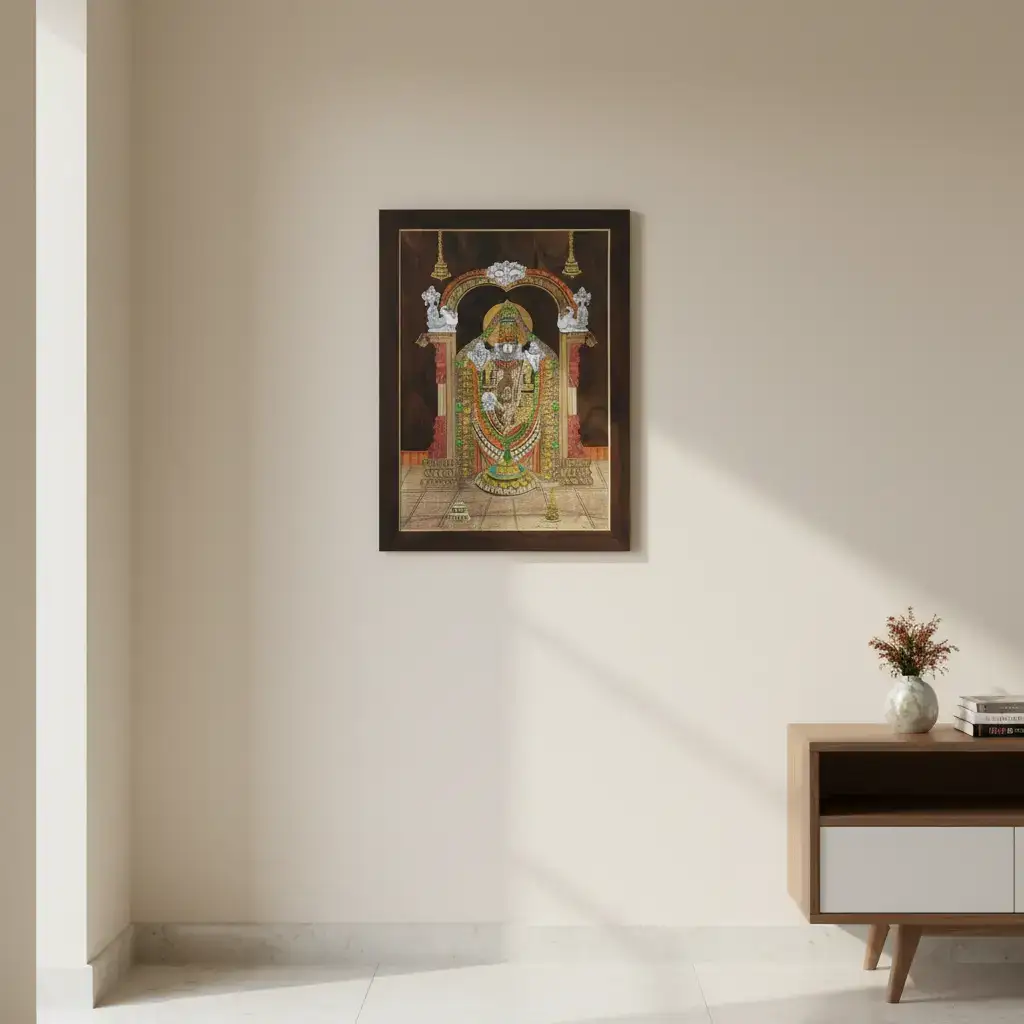
Rosewood Inlay Lord Balaji Portrait Frame
Mysore rosewood inlay Rosewood Inlay Lord Balaji, a traditional craft of Karnataka, has a history rooted in the region’s rich artistic heritage. This craft received influences from Persia and the patronage of Tipu Sultan and the Wodeyar dynasty. The art form flourished notably in Srirangapatna during the 18th century. Later, it was promoted by the Mysore Maharajas, who commissioned intricate rosewood and ivory inlay work for Mysore Palace. This rich background adds immense value to this artwork today.
About the Art Form: Rosewood Inlay Lord Balaji
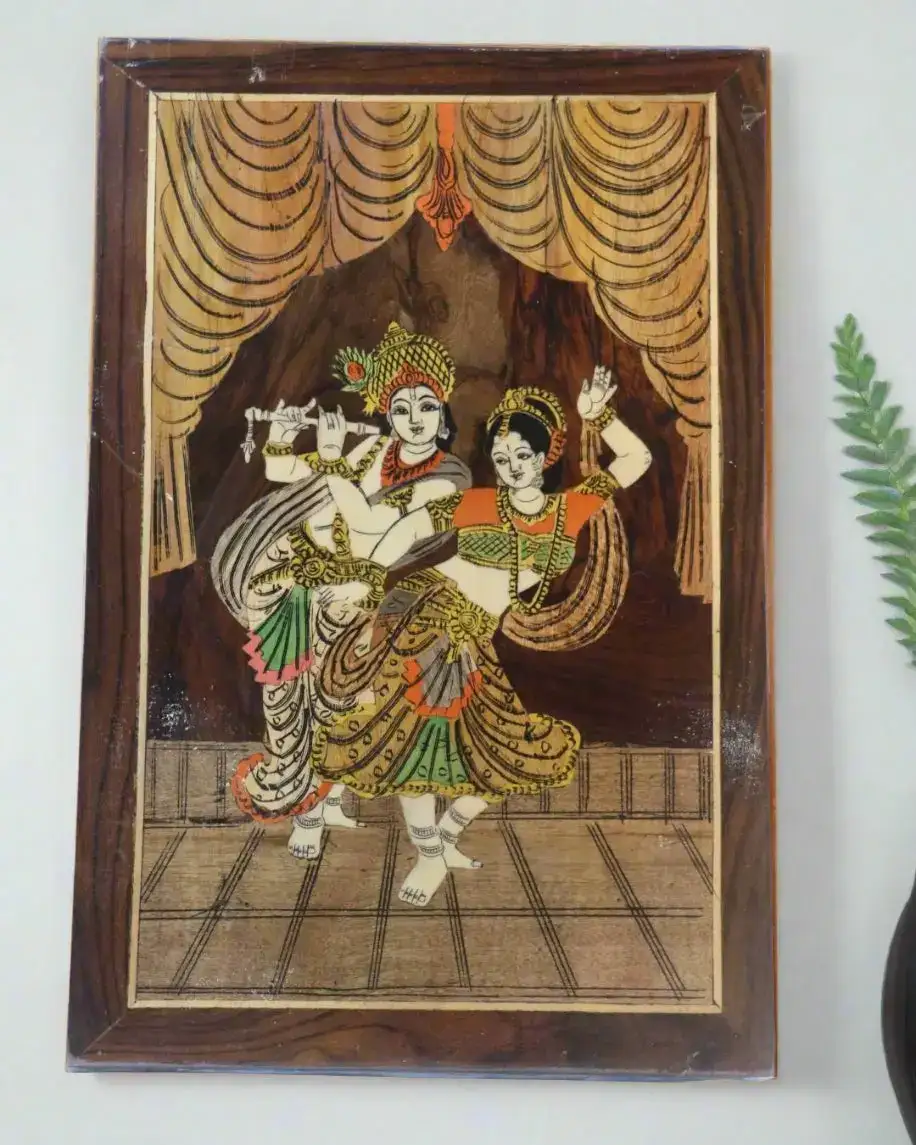
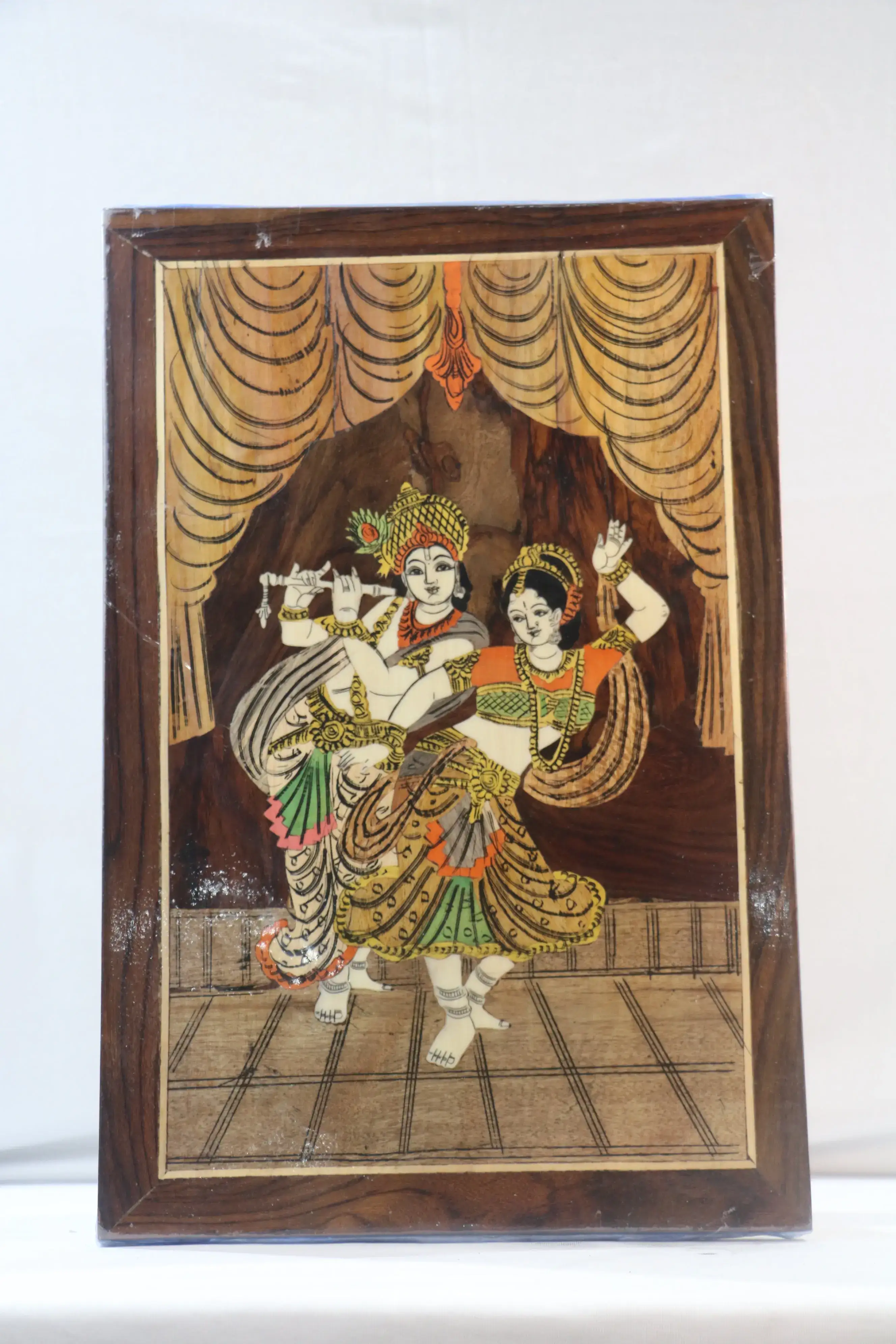
Mysore rosewood inlay involves creating intricate designs by embedding pieces of different colored wood. Historically, ivory was used with rosewood as a rich base. Skilled artisans craft designs meticulously, creating unique detailed art pieces. The portrait exemplifies this ancient tradition with its sacred theme and masterful artistry.
The Crafting Process
Creating Mysore rosewood inlay art is a detailed process requiring patience. First, the rosewood base is carefully selected and polished for a smooth surface. Then, artisans design motifs by embedding colored wood pieces and ivory precisely. Each segment is fixed firmly to form a seamless artistic design. This technique enhances both the beauty and durability of the final product.
Symbolism in Rosewood Inlay
This artwork represents the divine lord revered by many people. The artistic portrayal captures both spiritual essence and fine heritage of the region. Including such a sacred figure in the craft connects buyers deeply with tradition and religion. The figure symbolizes protection, devotion, and blessings for homes and pooja rooms.
Historical Significance and Patronage
This art form is deeply linked with Karnataka’s culture and history. Mysore rosewood inlay art thrived in the 18th century during Srirangapatna's royal patronage. Tipu Sultan and the Wodeyar dynasty supported artisans, enabling growth and refinement of this craft. It was especially prominent under the Mysore Maharajas’ reign, visible in the elaborate decorations of Mysore Palace. Such history adds grandeur to owning a Rosewood Inlay Lord Balaji piece.
Modern-Day Relevance
Today, Mysore rosewood inlay remains a popular art form. Skilled artisans keep alive this ancient tradition by creating a wide range of decorative items. Their work includes furniture, souvenirs, and portraits like the Rosewood Inlay Lord Balaji. The craft also holds a GI tag for origin authenticity. Owning such a piece is both cultural investment and exquisite decor choice.
Decorative and Spiritual Appeal
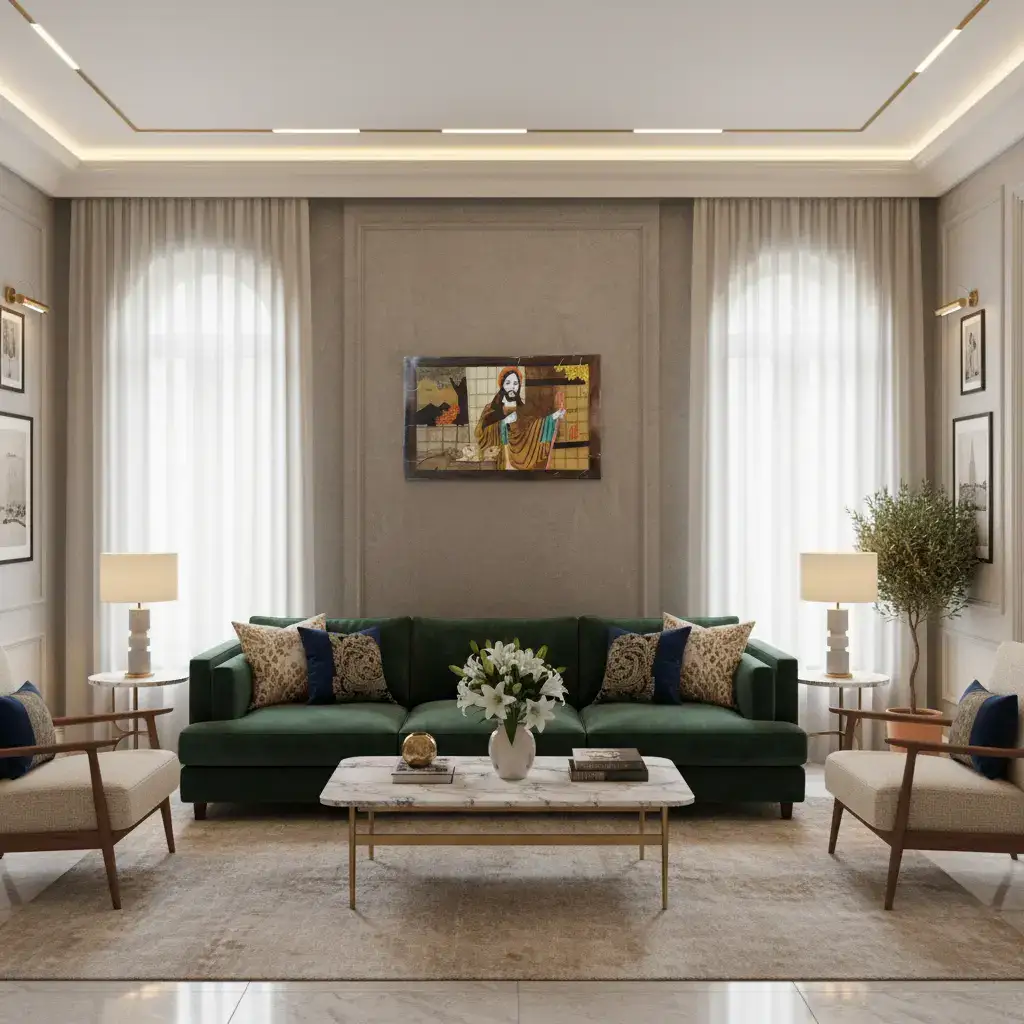
The Rosewood Inlay Lord Balaji is an ideal decor piece for homes and sacred spaces. It merges artistic heritage with spiritual significance, making it a valued addition to any pooja room. The intricate inlay and rich colors enhance aesthetic appeal on walls or altars. Whether for personal devotion or gifting, this lord-themed art embodies deep tradition and devotion.
Why Choose Rosewood Inlay Balaji?
- Authentic Mysore craftsmanship reflecting centuries-old tradition.
- Handcrafted with precision using rosewood, colored wood, and ivory inlay.
- Represents Balaji, a revered lord, enriching spiritual ambiance.
- Recognized with a GI tag for quality and origin authenticity.
- Perfect for enhancing devotional and home decor spaces.
Balaji in Indian Culture
Balaji is widely worshiped across India as a powerful lord. He symbolizes protection, prosperity, and well-being. Incorporating Balaji into rosewood inlay art connects tradition with spiritual belief. This makes the artwork culturally significant and spiritually meaningful.
Artistic Features and Dimensions
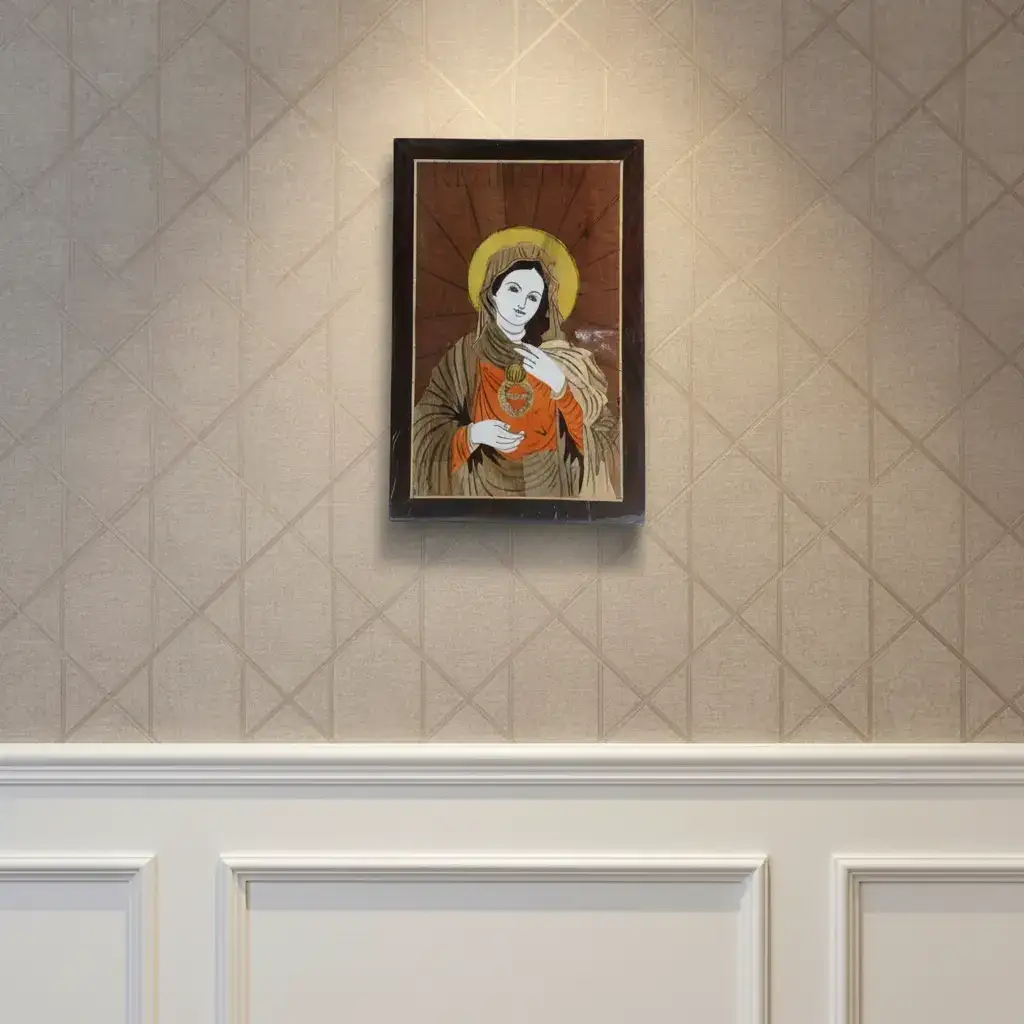
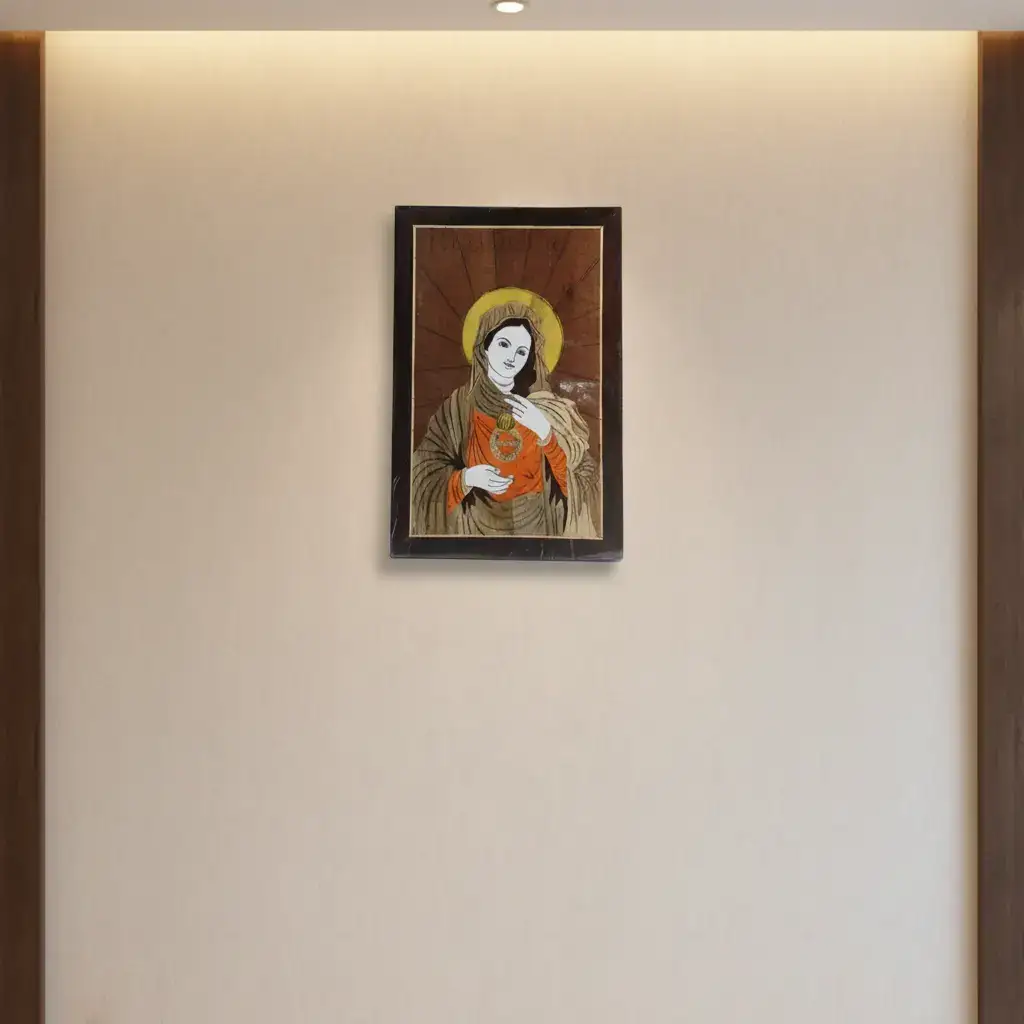
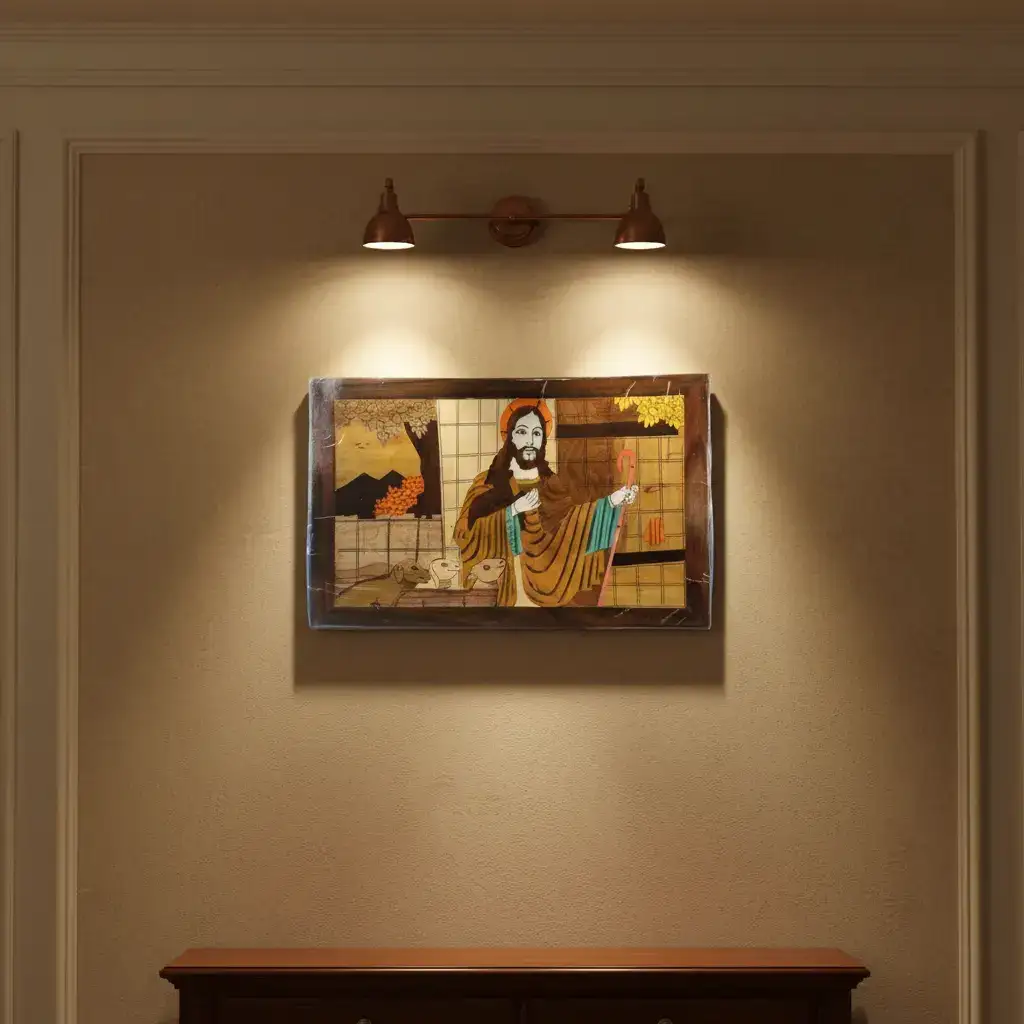
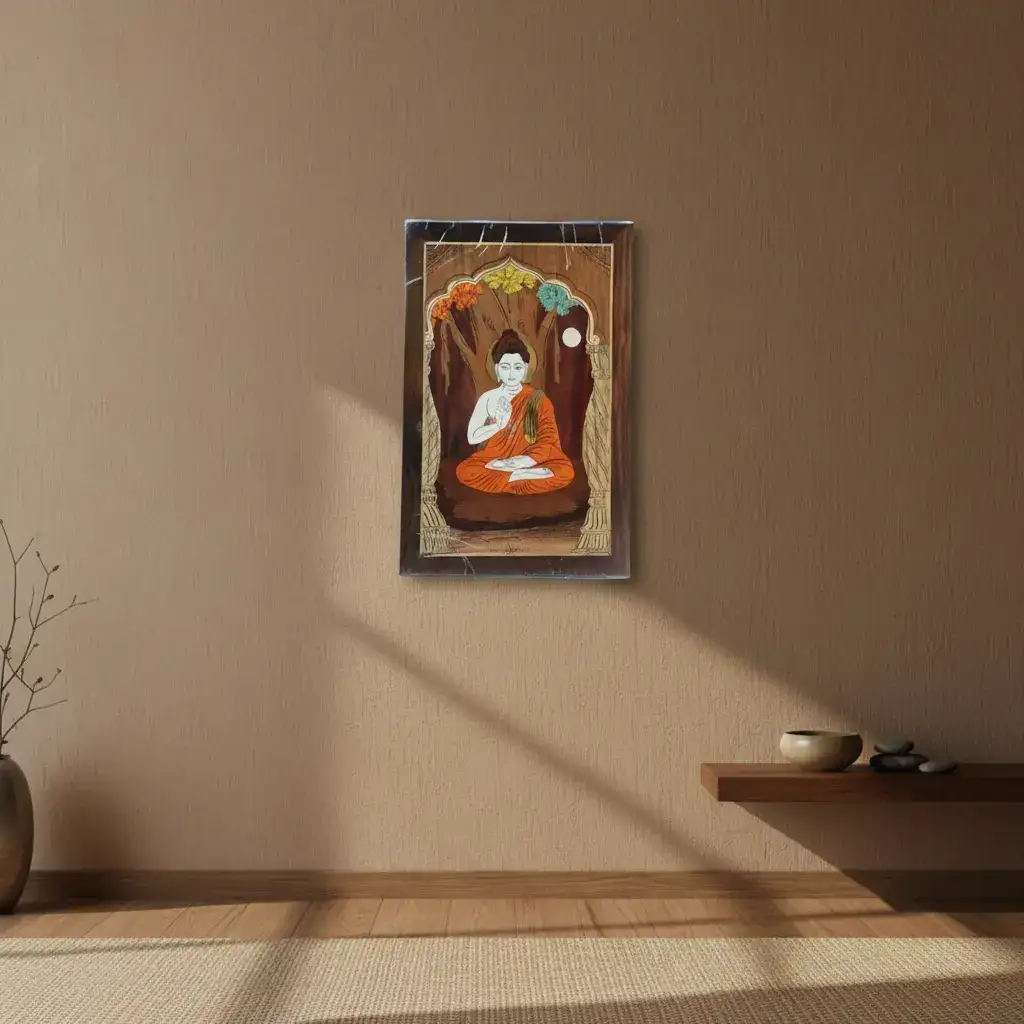
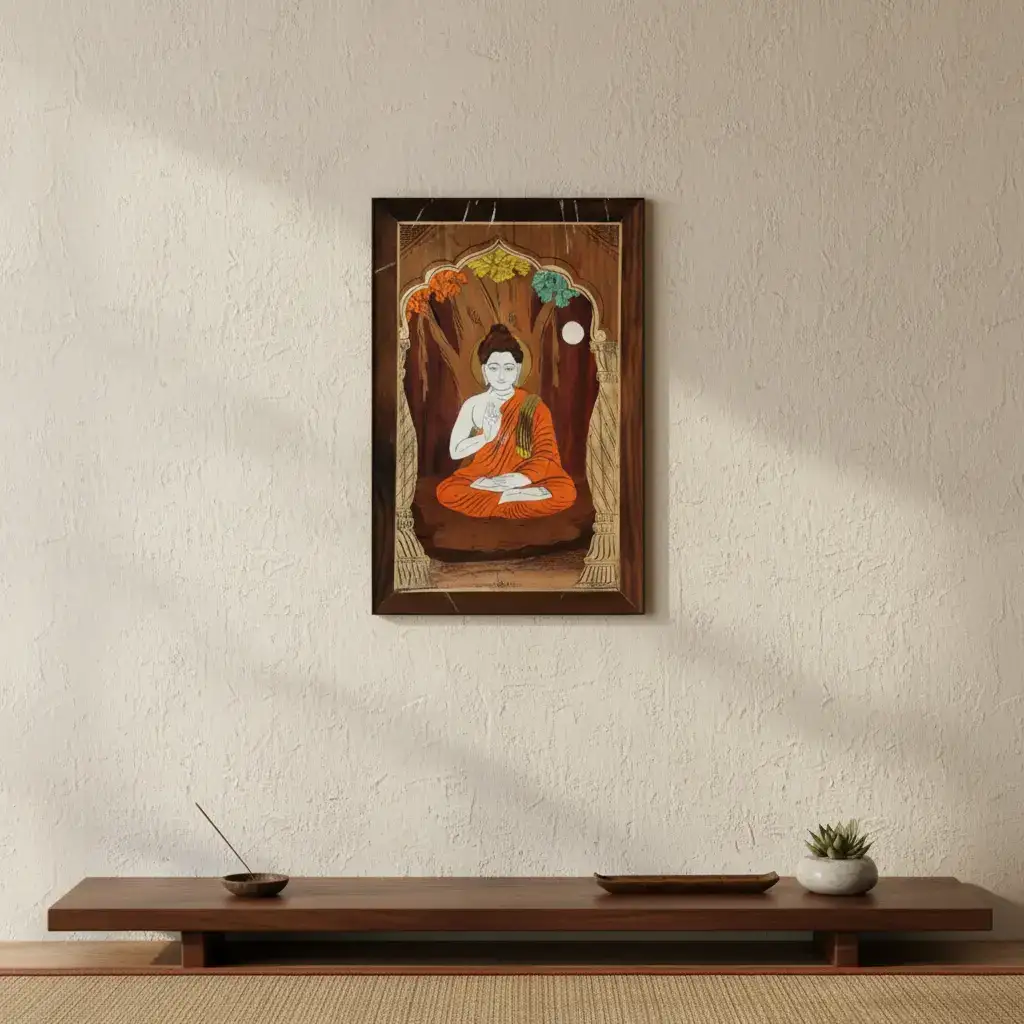
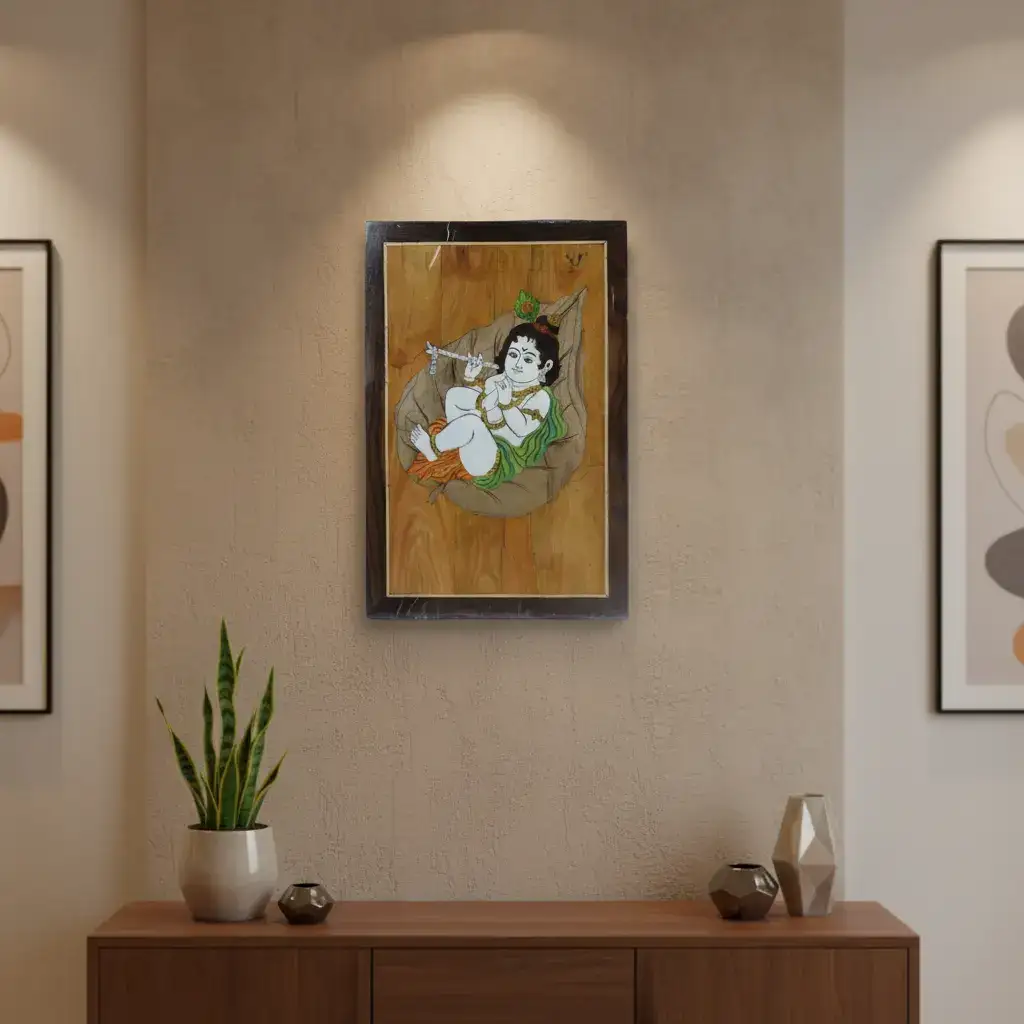
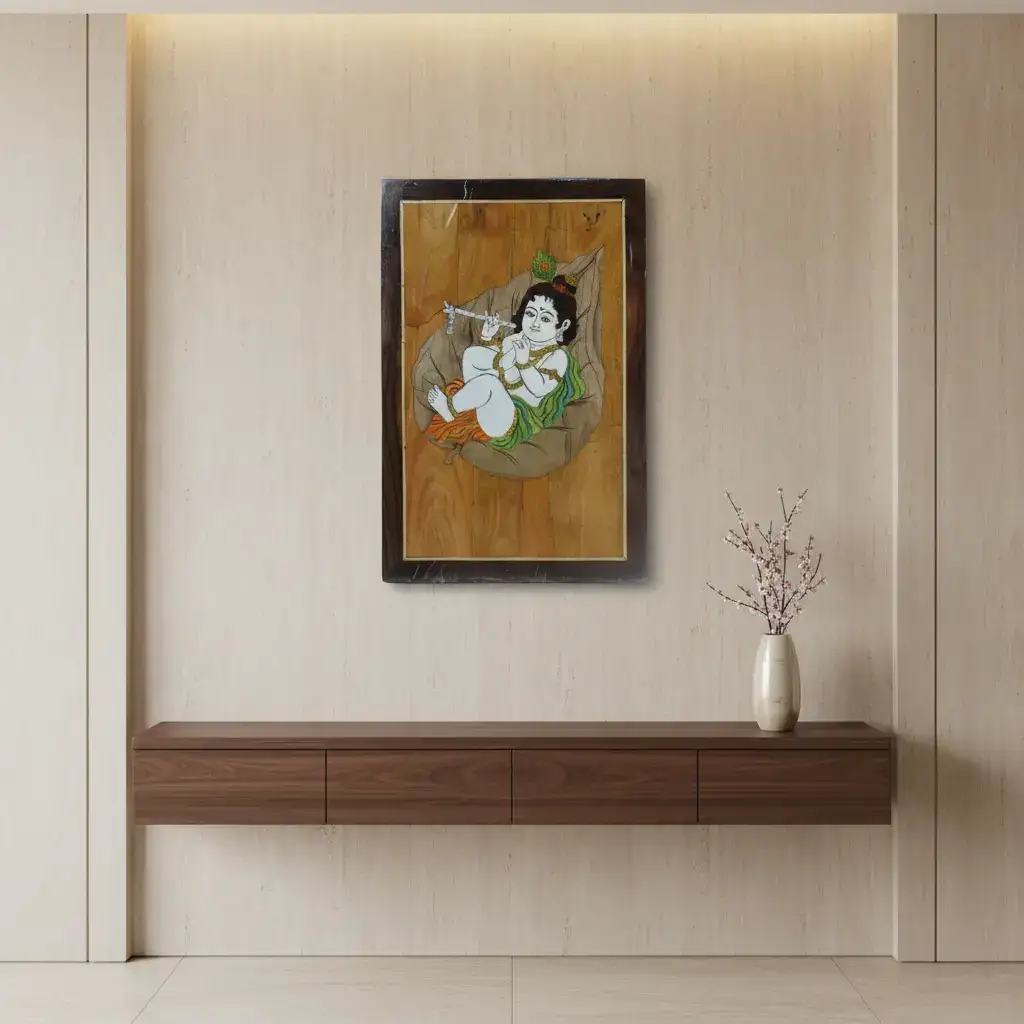
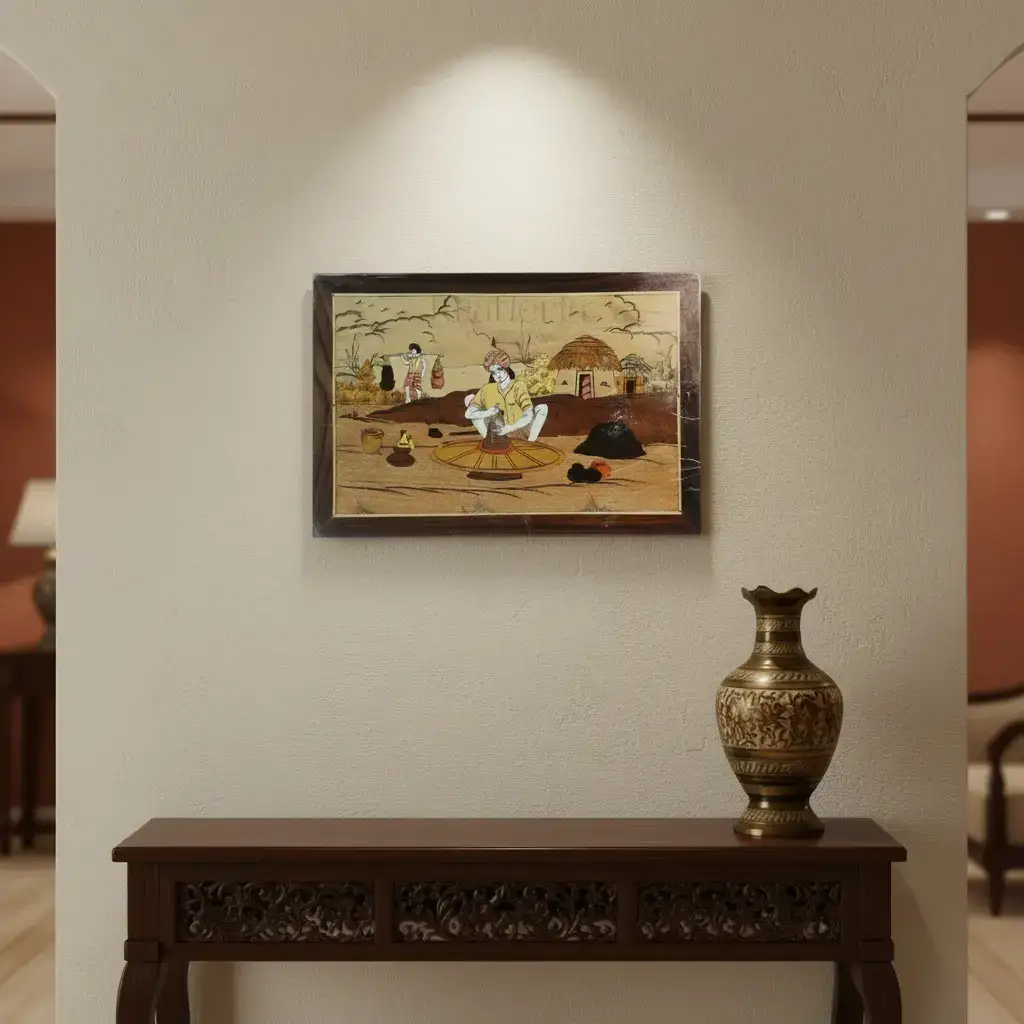
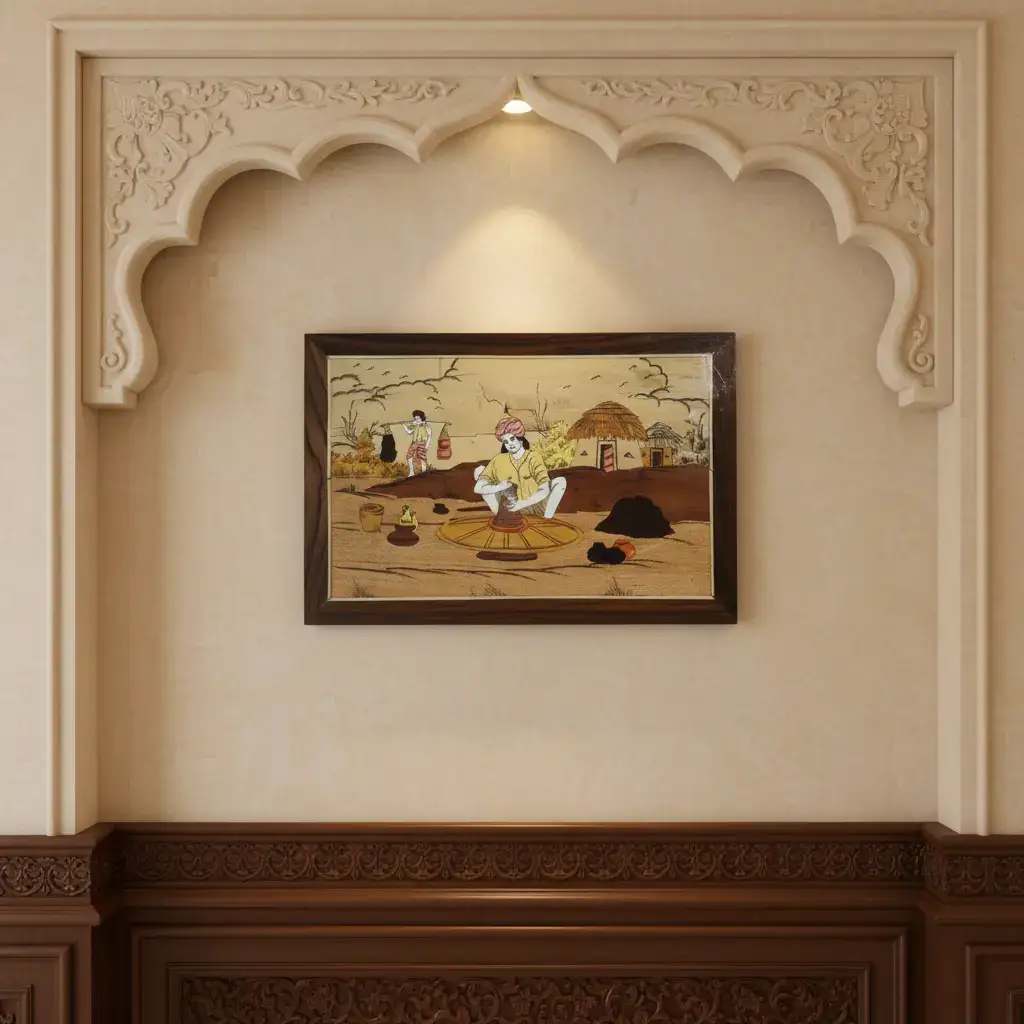
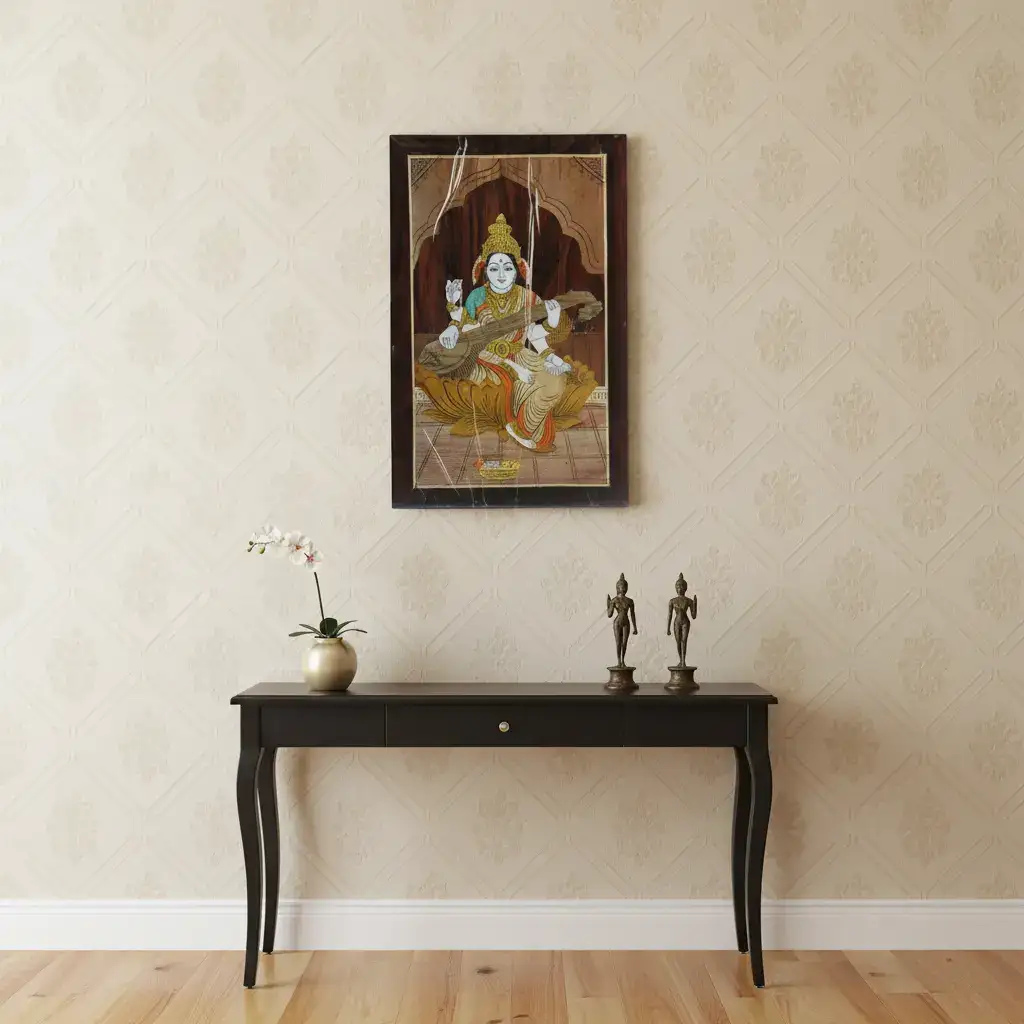
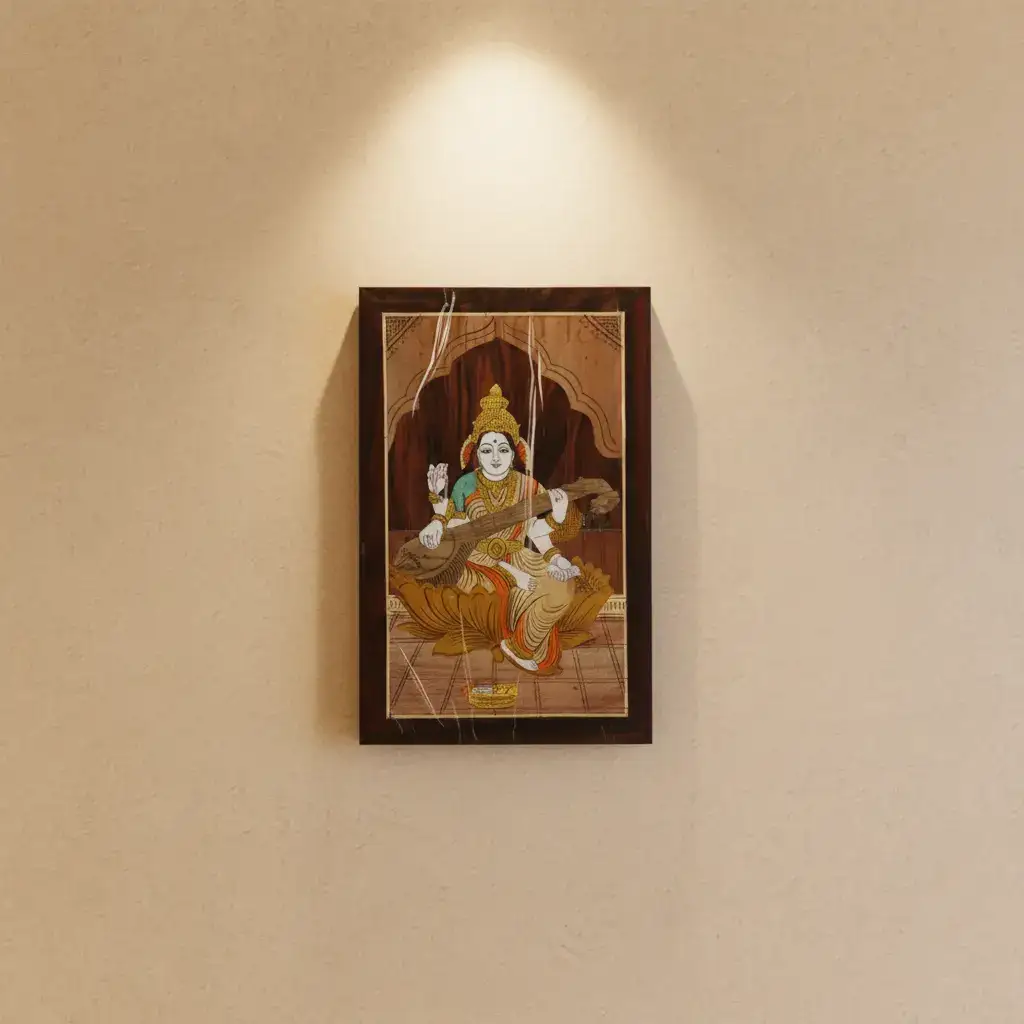
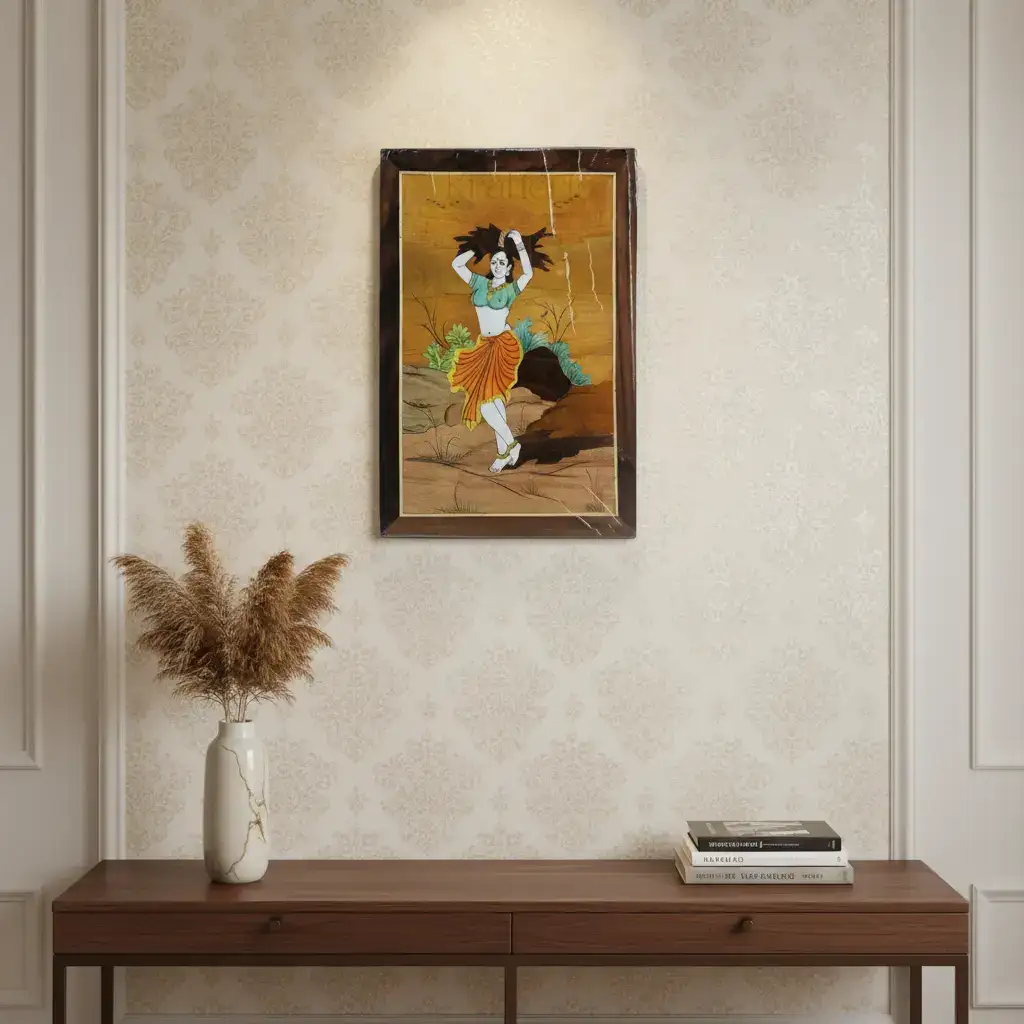
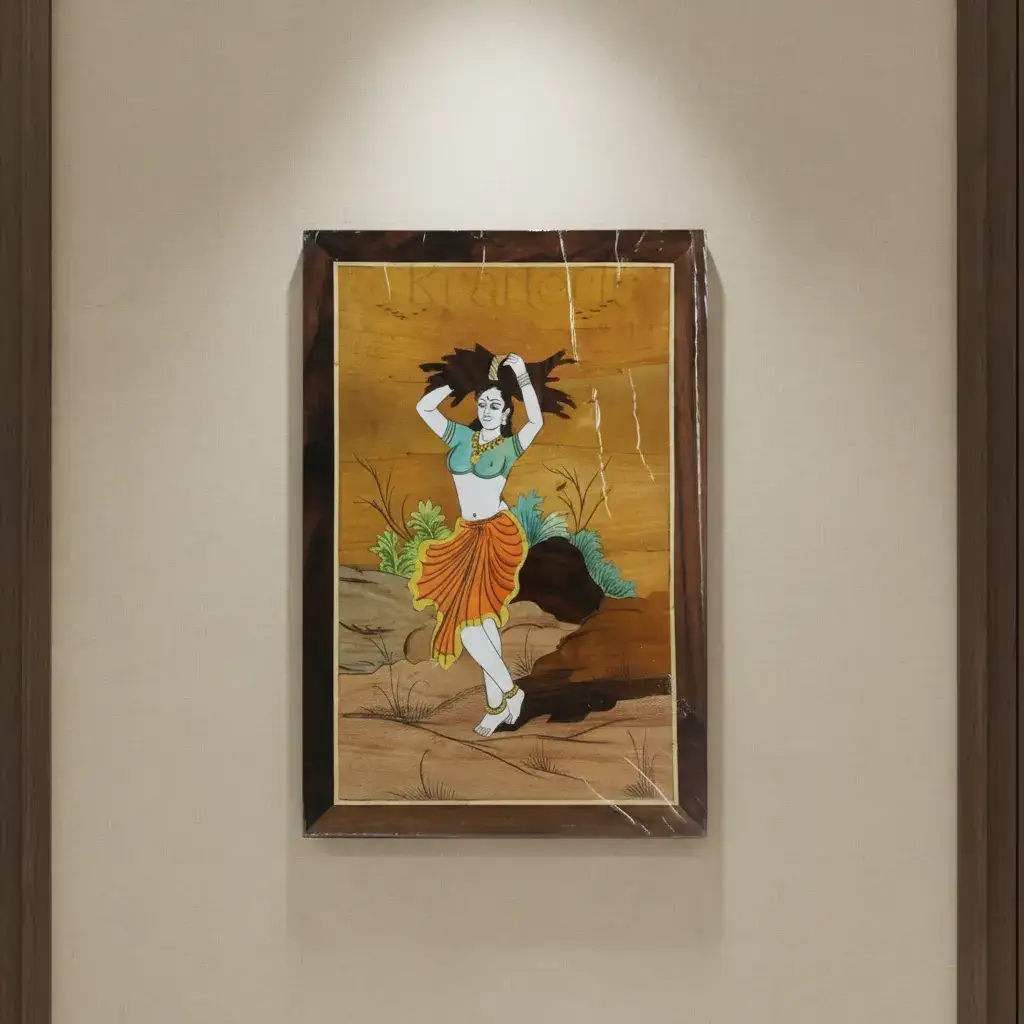
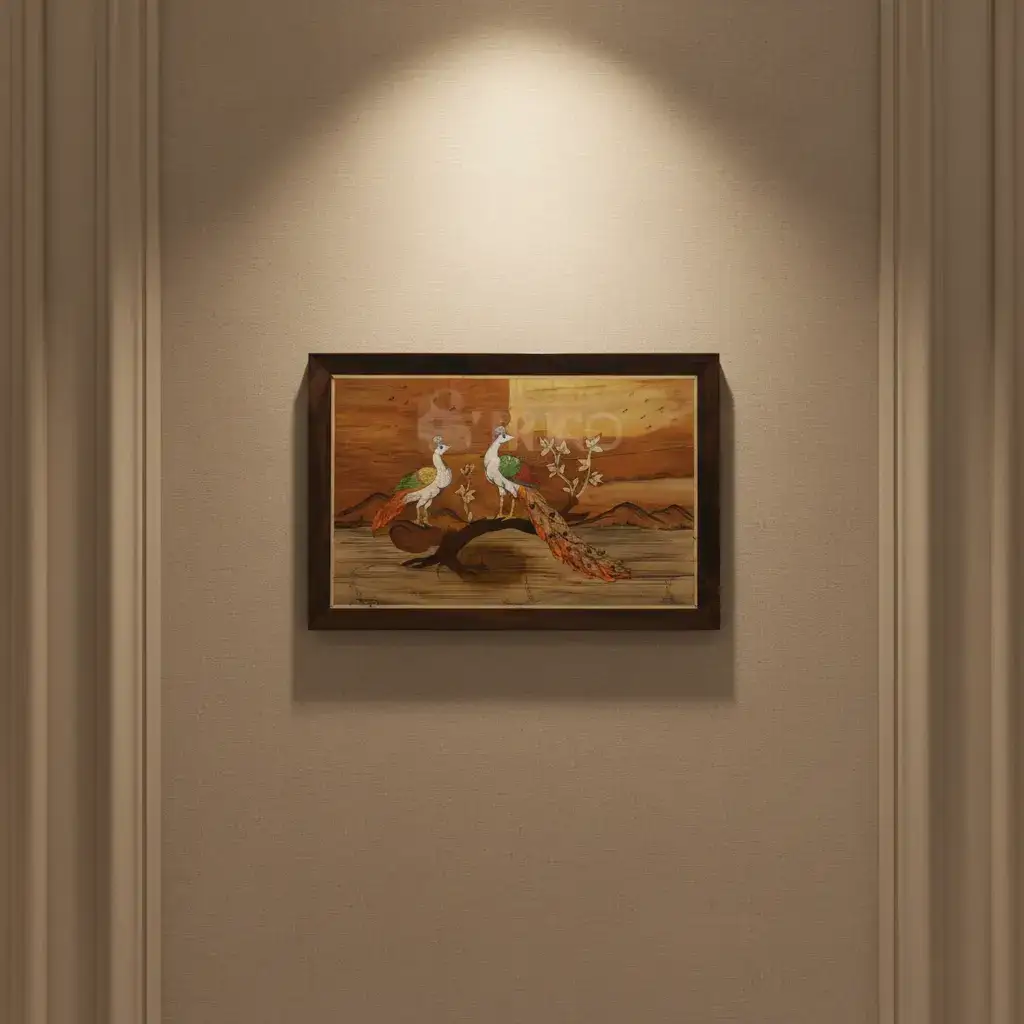
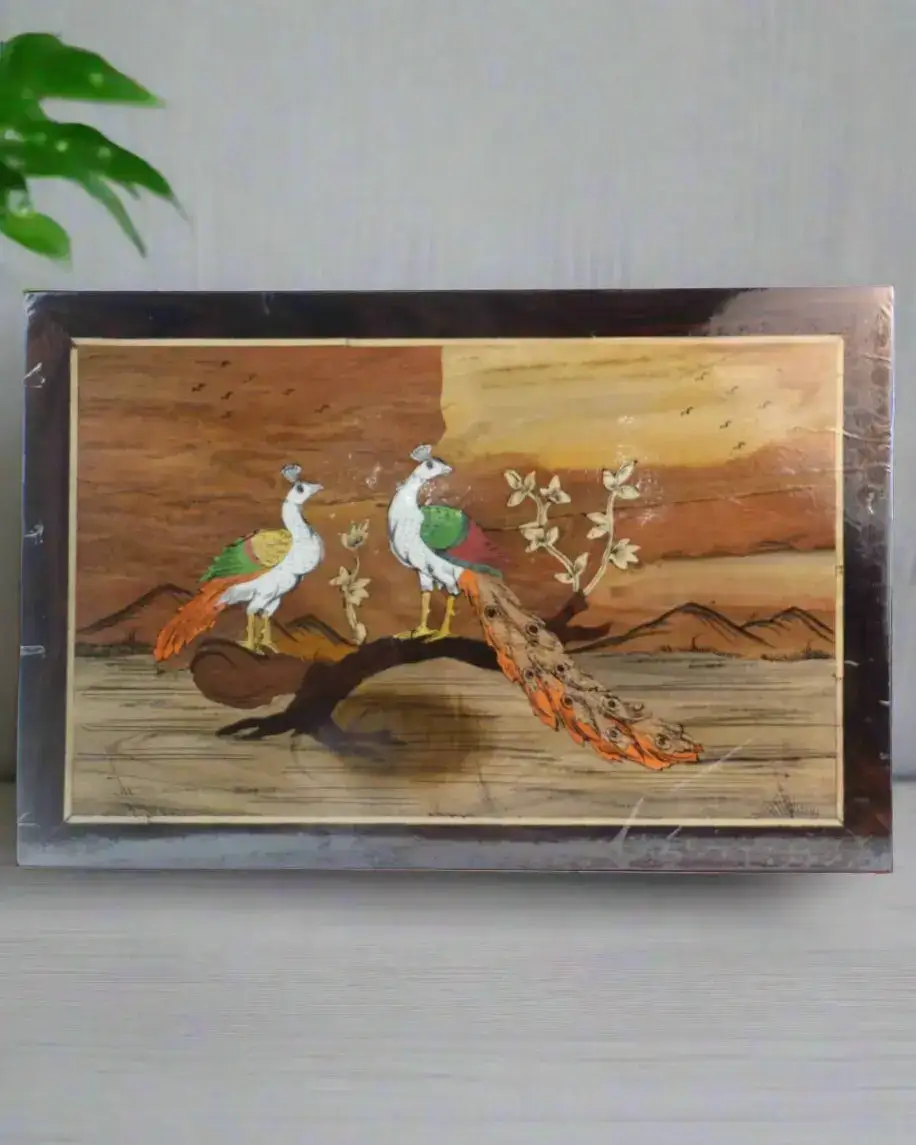
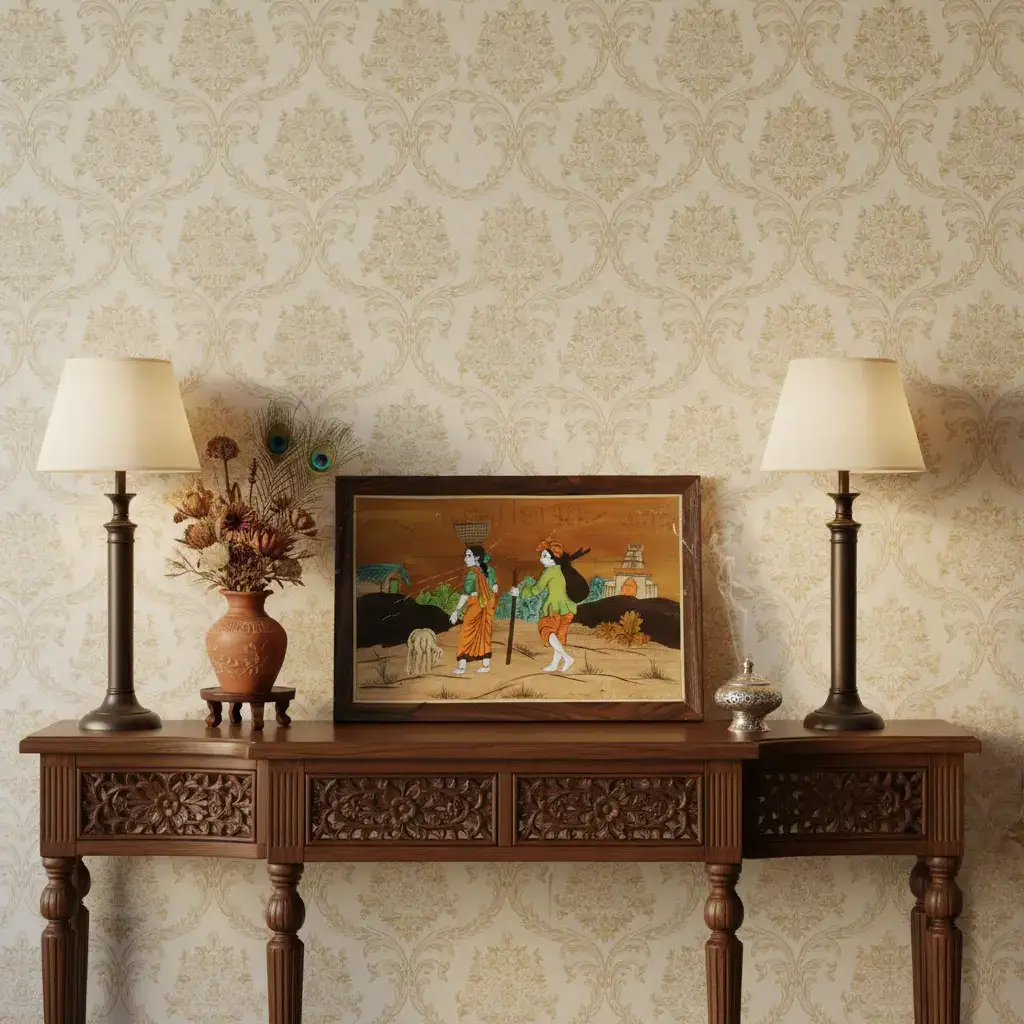
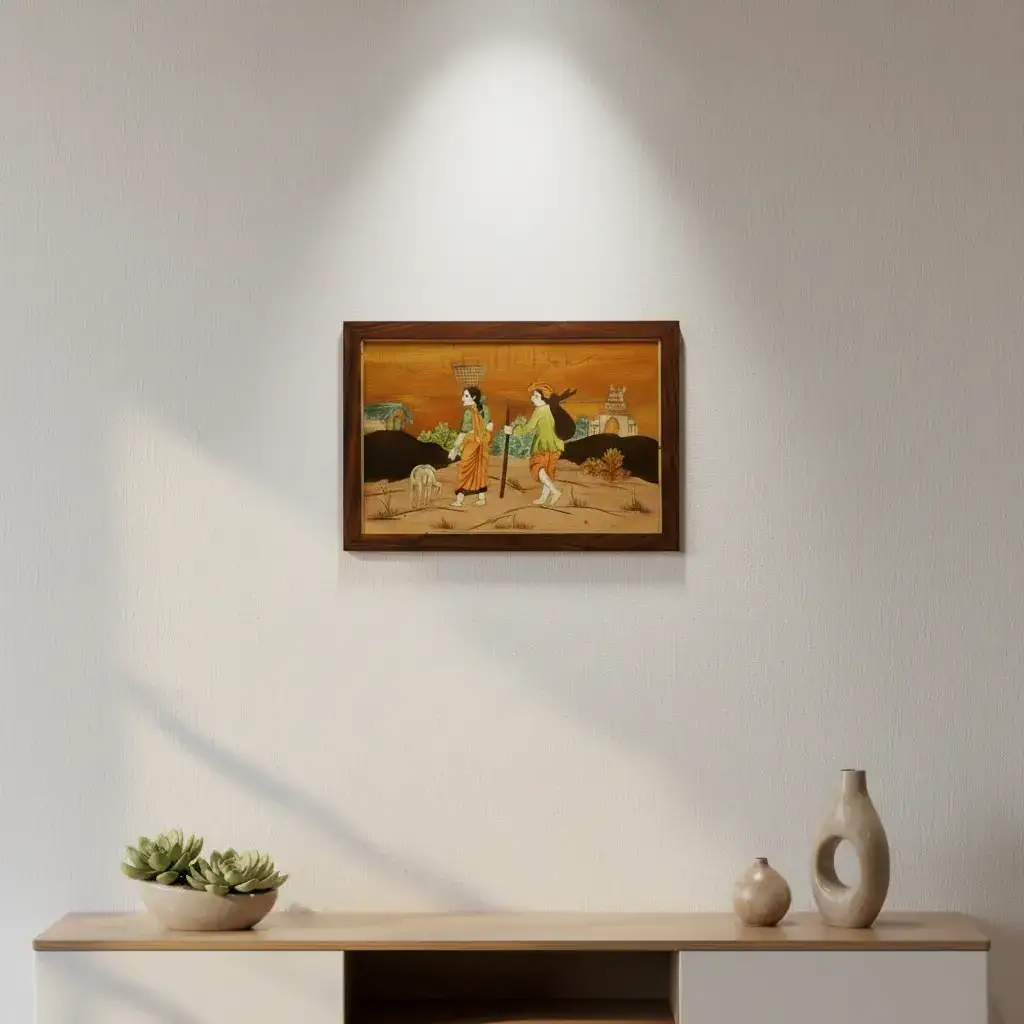
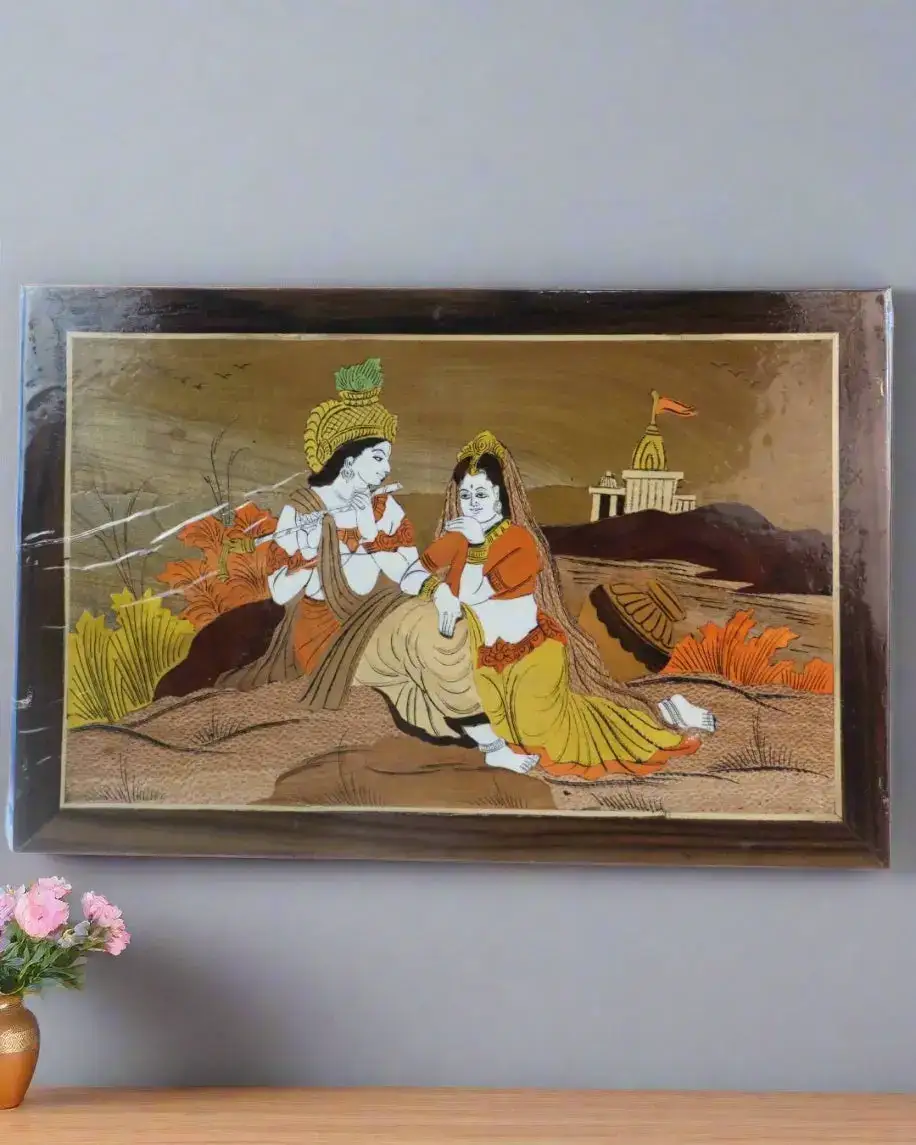
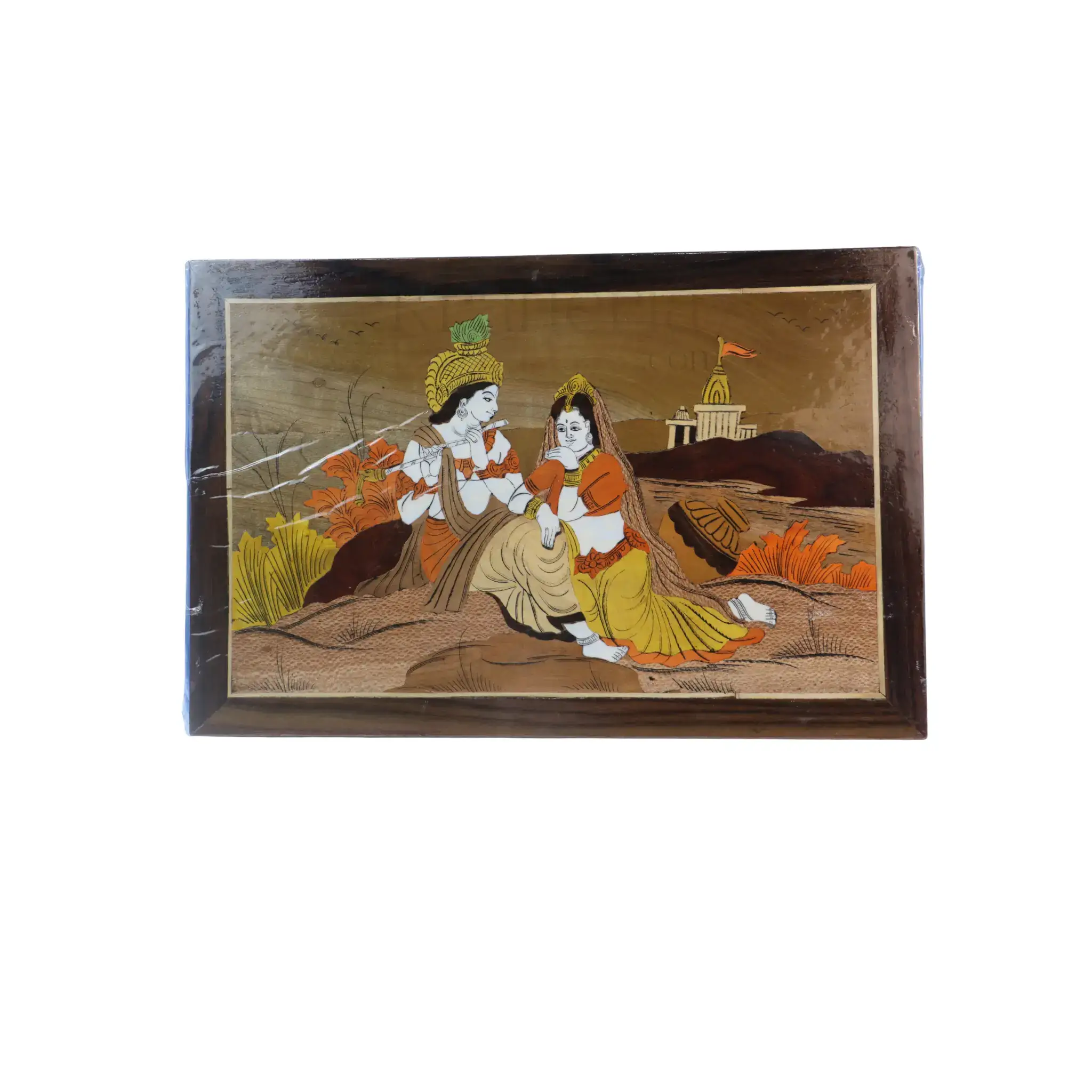
The Inlay Balaji showcases excellent artistic detail. The frame is polished rosewood, enhancing the inlay’s depth and richness. The carving colors blend harmoniously with the brown and orange hues of the wood base. Dimensions suit wall display or sacred altars, making it versatile for decor use. This fusion of art and spirituality offers an enriching visual experience.
Legacy and Preservation
This traditional craft needs skilled artisans who preserve knowledge through generations. Workshops in Mysore and nearby regions continue training new artisans. Efforts promote sustaining the craft’s legacy and cultural relevance. The Rosewood Balaji is a shining example of continuing tradition.
In close, the Rosewood Inlay Balaji is an exquisite piece reflecting rich heritage, skill, and devotion. Its detailed inlay technique and sacred significance make it a prized possession. With roots tracing back to Karnataka’s royal history and Persian influences, this art form continues to mesmerize those who appreciate tradition and spirituality. Balaji’s divine presence enriches any home or pooja space, merging art and faith perfectly.
Product Information
Product Information
Shipping & Returns
Shipping & Returns
Description
Mysore rosewood inlay Rosewood Inlay Lord Balaji, a traditional craft of Karnataka, has a history rooted in the region’s rich artistic heritage. This craft received influences from Persia and the patronage of Tipu Sultan and the Wodeyar dynasty. The art form flourished notably in Srirangapatna during the 18th century. Later, it was promoted by the Mysore Maharajas, who commissioned intricate rosewood and ivory inlay work for Mysore Palace. This rich background adds immense value to this artwork today.
About the Art Form: Rosewood Inlay Lord Balaji
Mysore rosewood inlay involves creating intricate designs by embedding pieces of different colored wood. Historically, ivory was used with rosewood as a rich base. Skilled artisans craft designs meticulously, creating unique detailed art pieces. The portrait exemplifies this ancient tradition with its sacred theme and masterful artistry.
The Crafting Process
Creating Mysore rosewood inlay art is a detailed process requiring patience. First, the rosewood base is carefully selected and polished for a smooth surface. Then, artisans design motifs by embedding colored wood pieces and ivory precisely. Each segment is fixed firmly to form a seamless artistic design. This technique enhances both the beauty and durability of the final product.
Symbolism in Rosewood Inlay
This artwork represents the divine lord revered by many people. The artistic portrayal captures both spiritual essence and fine heritage of the region. Including such a sacred figure in the craft connects buyers deeply with tradition and religion. The figure symbolizes protection, devotion, and blessings for homes and pooja rooms.
Historical Significance and Patronage
This art form is deeply linked with Karnataka’s culture and history. Mysore rosewood inlay art thrived in the 18th century during Srirangapatna's royal patronage. Tipu Sultan and the Wodeyar dynasty supported artisans, enabling growth and refinement of this craft. It was especially prominent under the Mysore Maharajas’ reign, visible in the elaborate decorations of Mysore Palace. Such history adds grandeur to owning a Rosewood Inlay Lord Balaji piece.
Modern-Day Relevance
Today, Mysore rosewood inlay remains a popular art form. Skilled artisans keep alive this ancient tradition by creating a wide range of decorative items. Their work includes furniture, souvenirs, and portraits like the Rosewood Inlay Lord Balaji. The craft also holds a GI tag for origin authenticity. Owning such a piece is both cultural investment and exquisite decor choice.
Decorative and Spiritual Appeal
The Rosewood Inlay Lord Balaji is an ideal decor piece for homes and sacred spaces. It merges artistic heritage with spiritual significance, making it a valued addition to any pooja room. The intricate inlay and rich colors enhance aesthetic appeal on walls or altars. Whether for personal devotion or gifting, this lord-themed art embodies deep tradition and devotion.
Why Choose Rosewood Inlay Balaji?
- Authentic Mysore craftsmanship reflecting centuries-old tradition.
- Handcrafted with precision using rosewood, colored wood, and ivory inlay.
- Represents Balaji, a revered lord, enriching spiritual ambiance.
- Recognized with a GI tag for quality and origin authenticity.
- Perfect for enhancing devotional and home decor spaces.
Balaji in Indian Culture
Balaji is widely worshiped across India as a powerful lord. He symbolizes protection, prosperity, and well-being. Incorporating Balaji into rosewood inlay art connects tradition with spiritual belief. This makes the artwork culturally significant and spiritually meaningful.
Artistic Features and Dimensions
The Inlay Balaji showcases excellent artistic detail. The frame is polished rosewood, enhancing the inlay’s depth and richness. The carving colors blend harmoniously with the brown and orange hues of the wood base. Dimensions suit wall display or sacred altars, making it versatile for decor use. This fusion of art and spirituality offers an enriching visual experience.
Legacy and Preservation
This traditional craft needs skilled artisans who preserve knowledge through generations. Workshops in Mysore and nearby regions continue training new artisans. Efforts promote sustaining the craft’s legacy and cultural relevance. The Rosewood Balaji is a shining example of continuing tradition.
In close, the Rosewood Inlay Balaji is an exquisite piece reflecting rich heritage, skill, and devotion. Its detailed inlay technique and sacred significance make it a prized possession. With roots tracing back to Karnataka’s royal history and Persian influences, this art form continues to mesmerize those who appreciate tradition and spirituality. Balaji’s divine presence enriches any home or pooja space, merging art and faith perfectly.