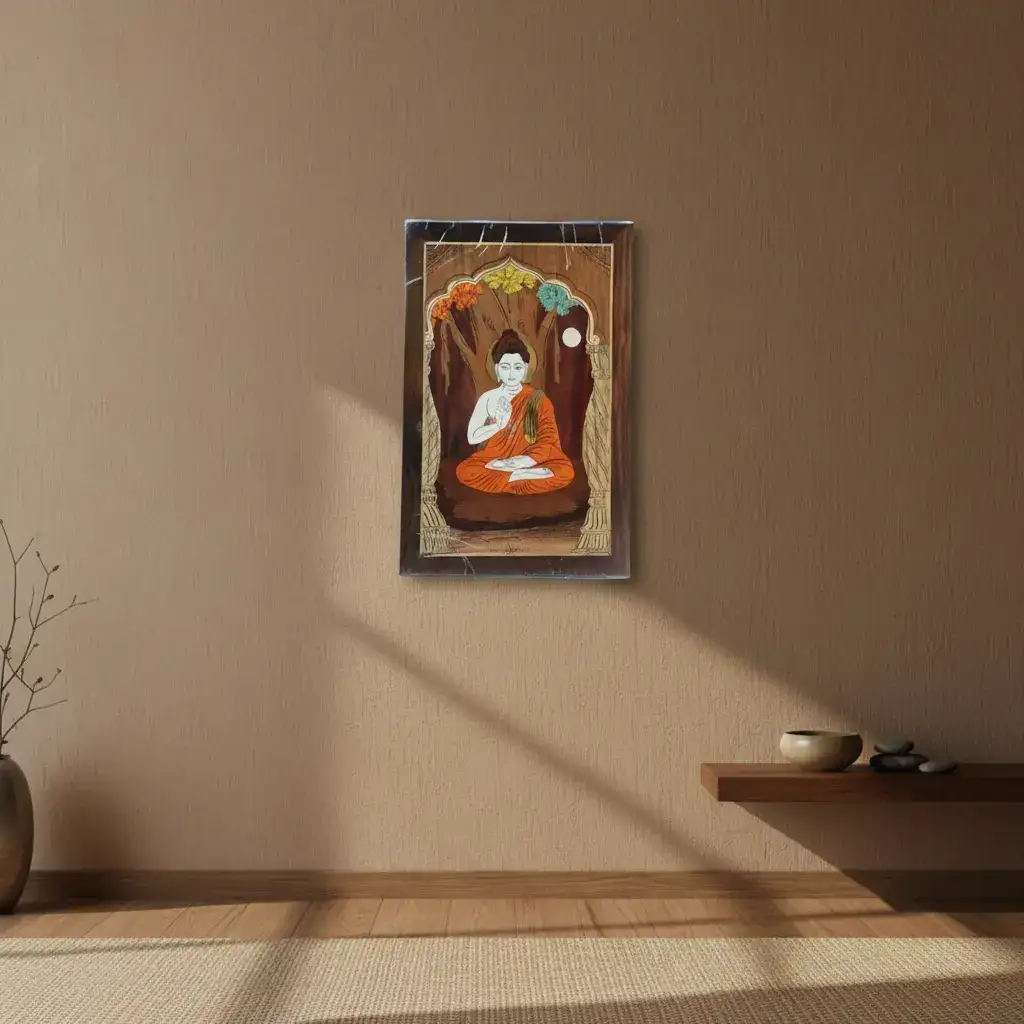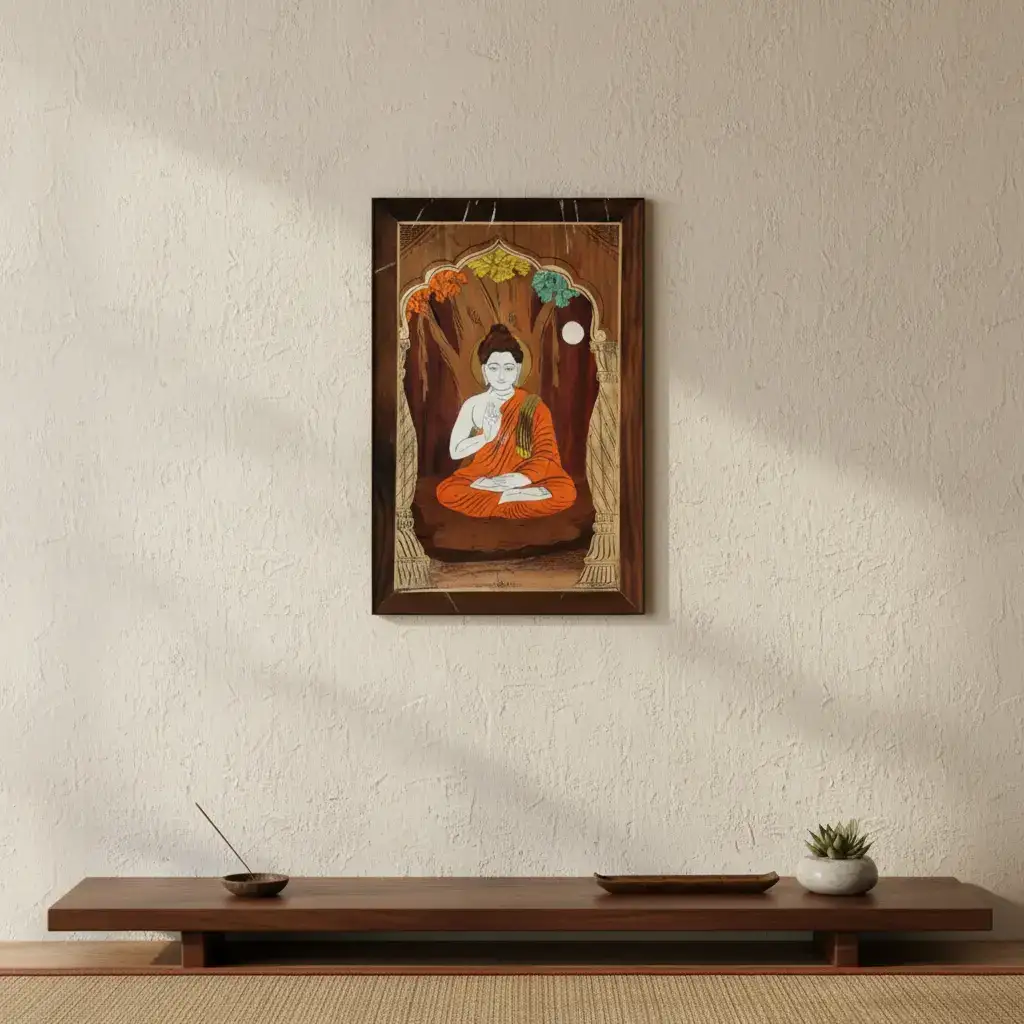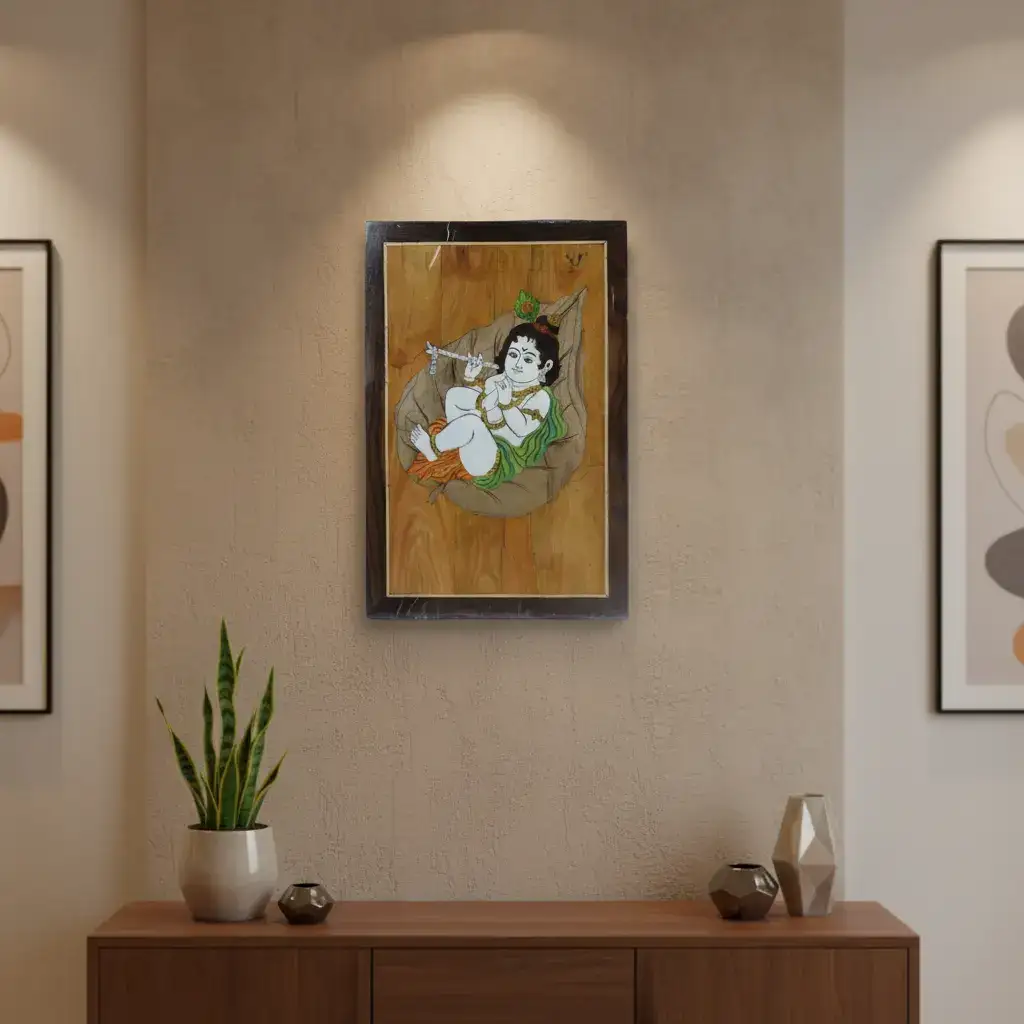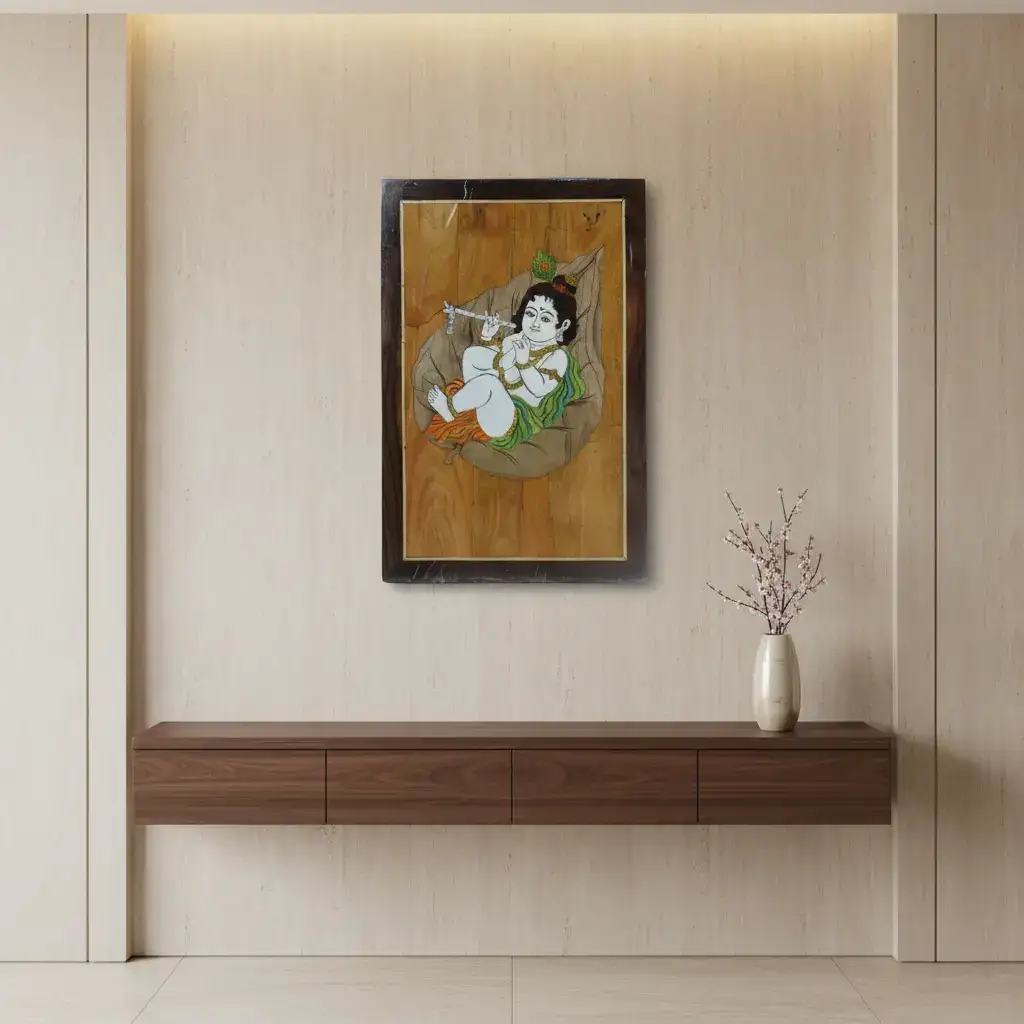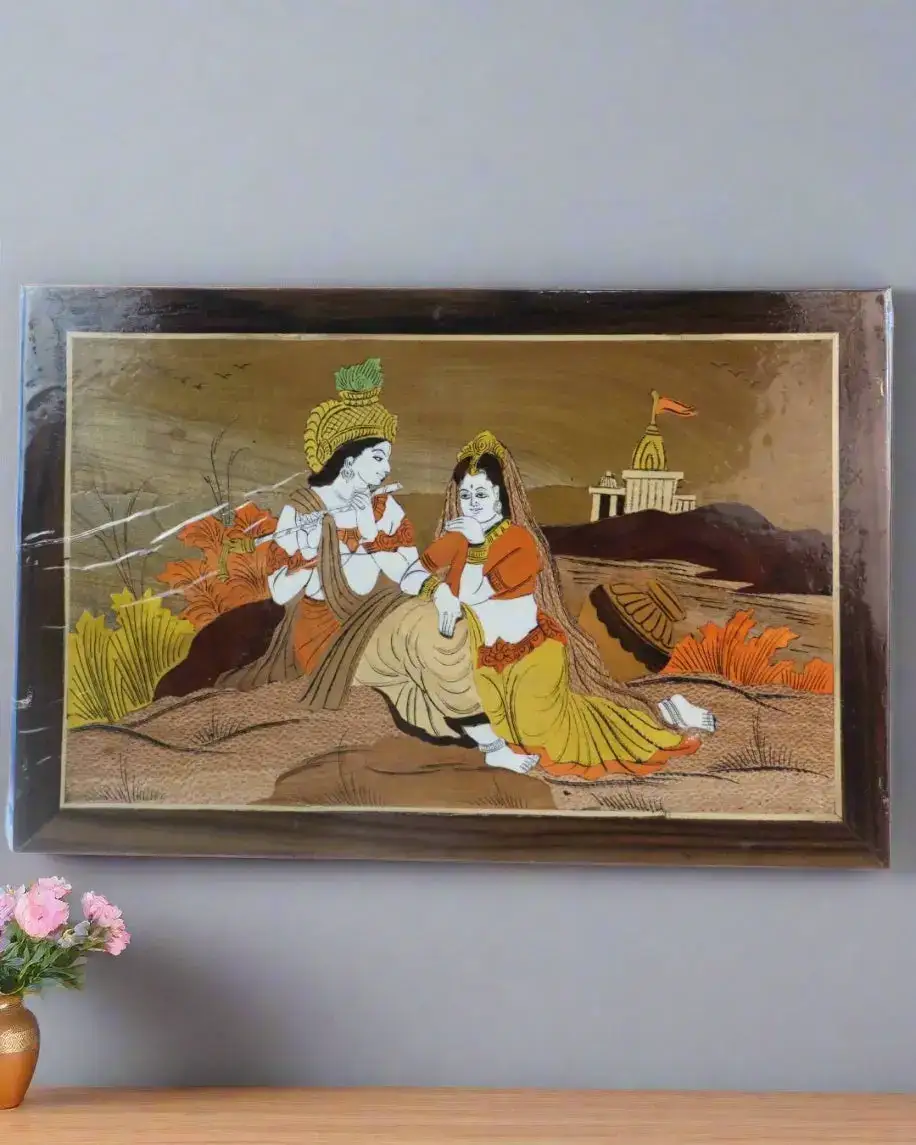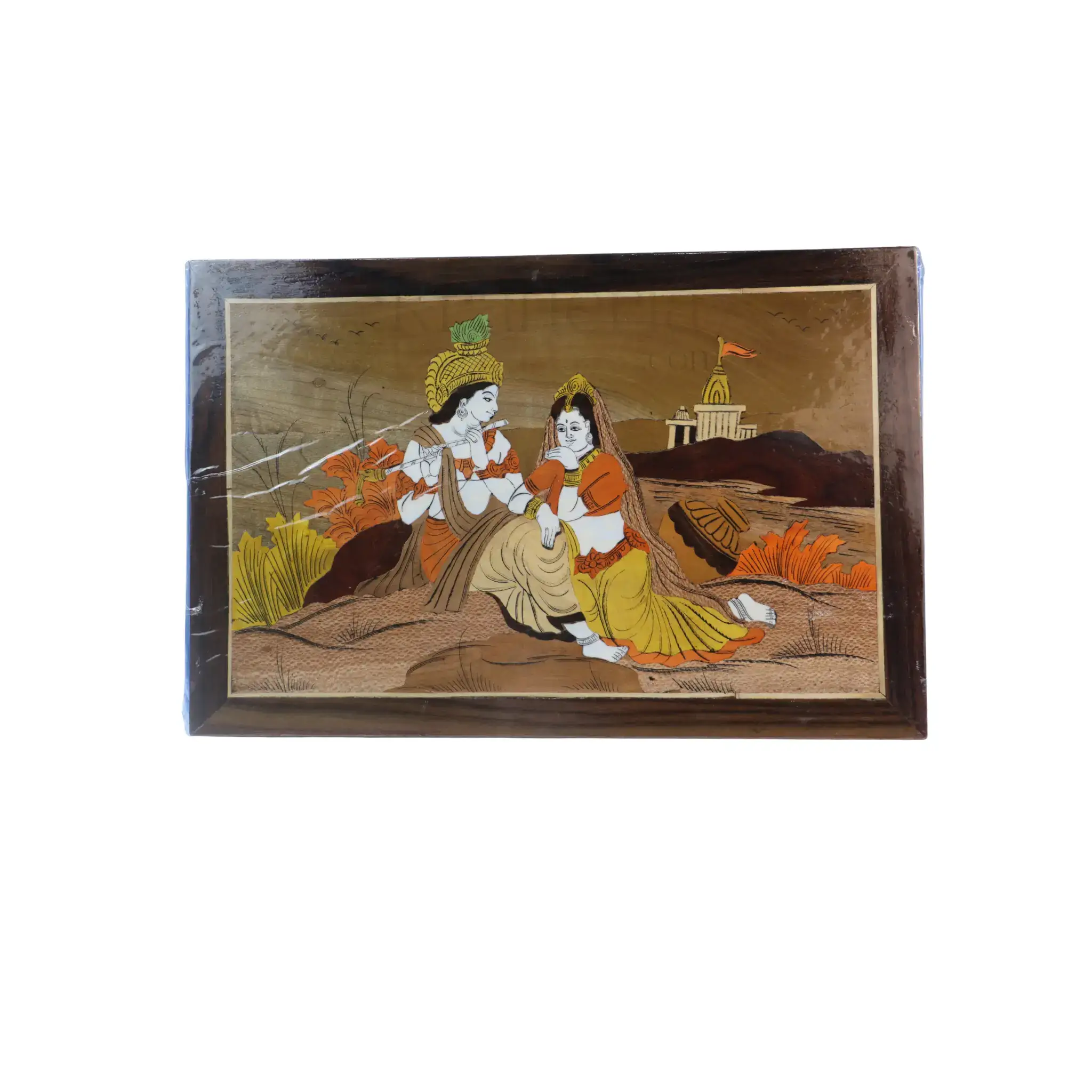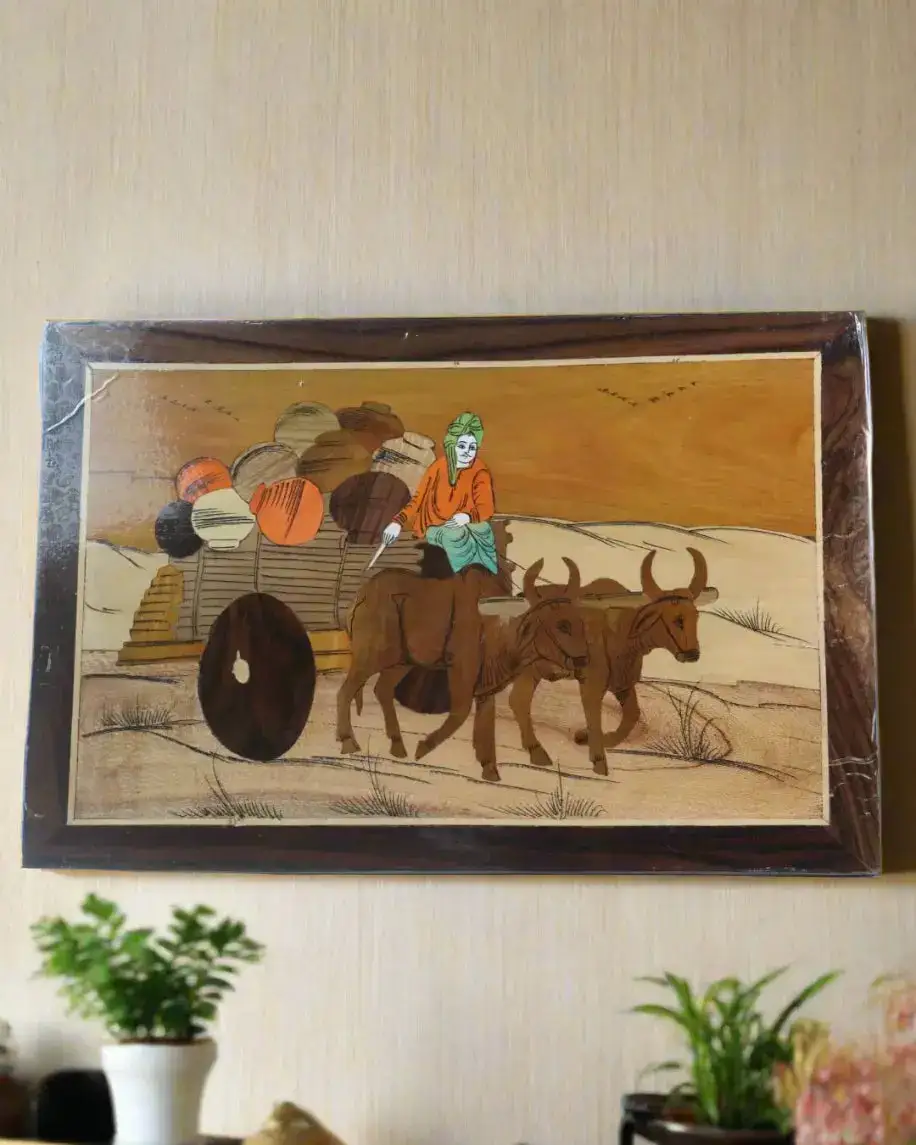
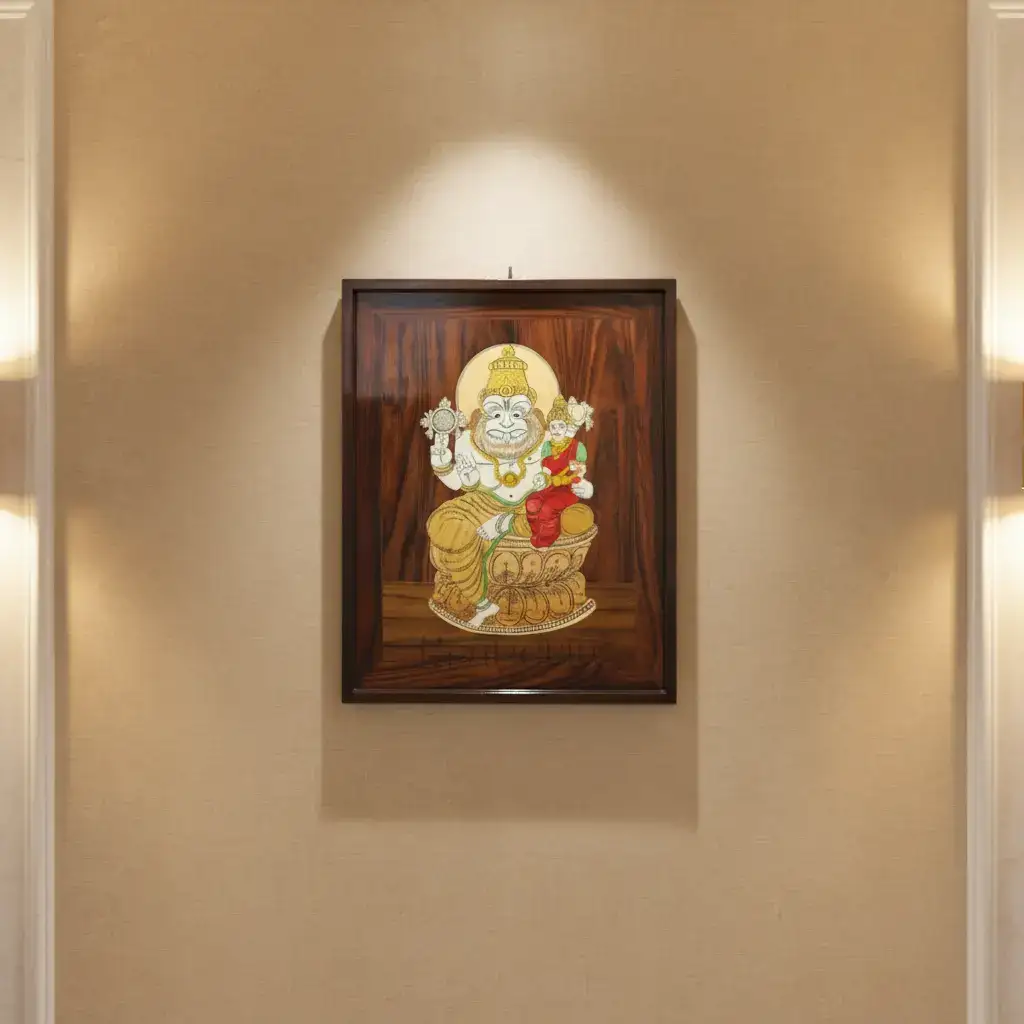
Lakshmi Narasimha Swamy Rosewood Inlay – Divine Mysore Craft Wall Décor
Lakshmi Narasimha Swamy Rosewood Inlay Mysore
Height Inches: 19"
Width Inches: 15"
Introduction to Narasimha Swamy Rosewood Inlay
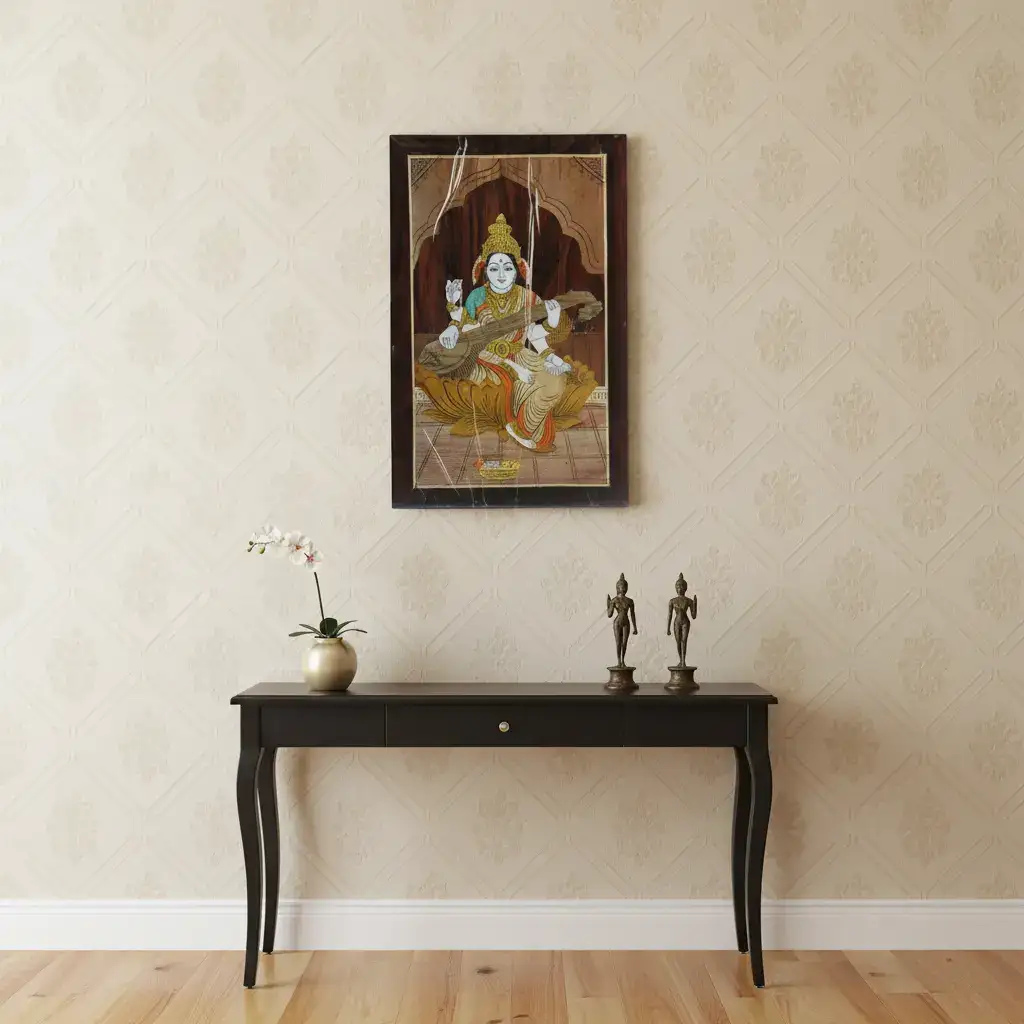
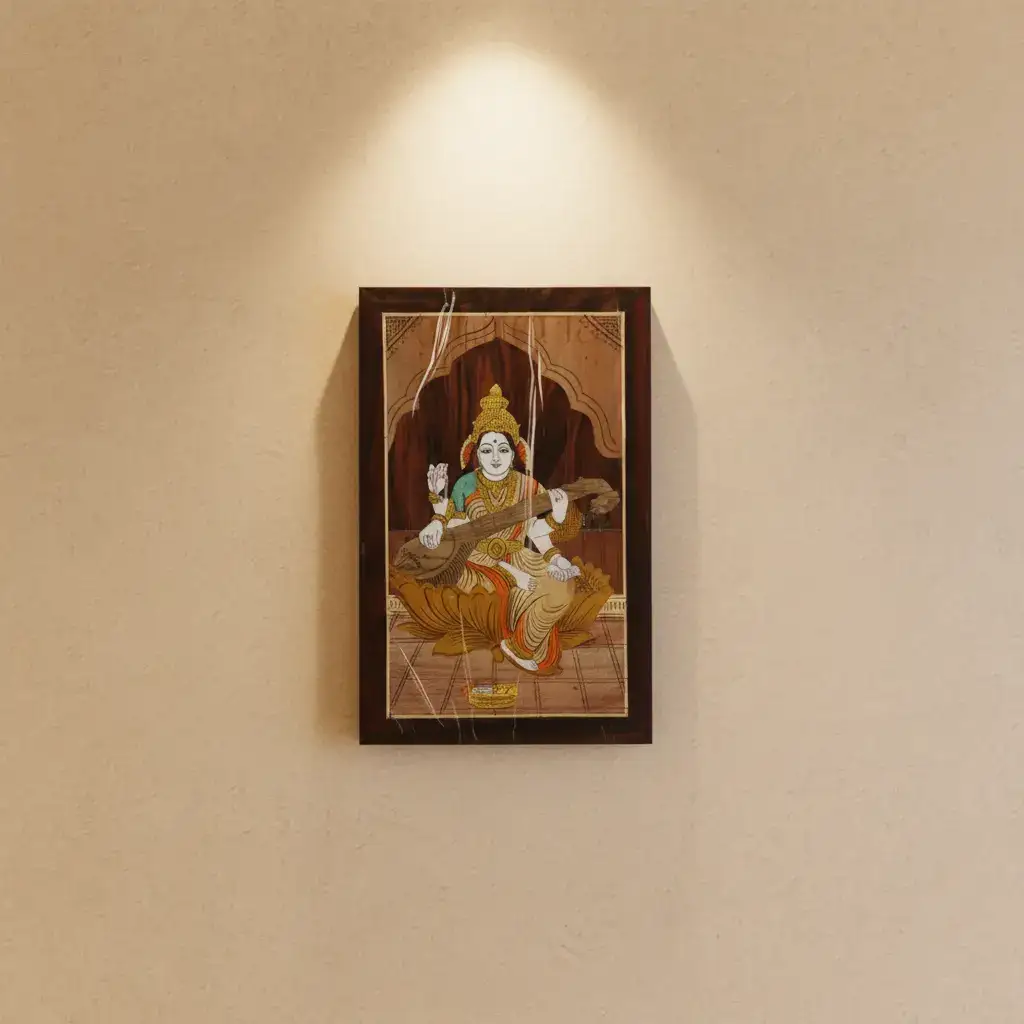
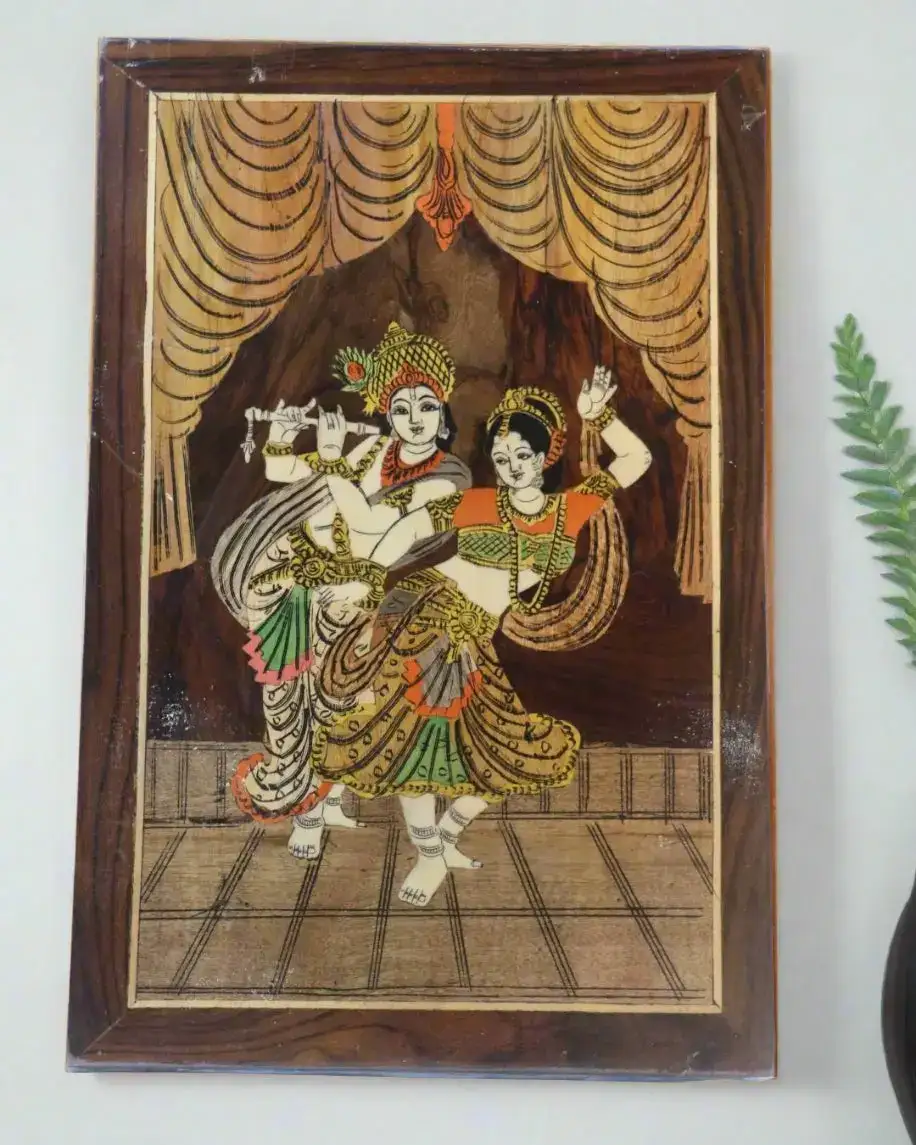
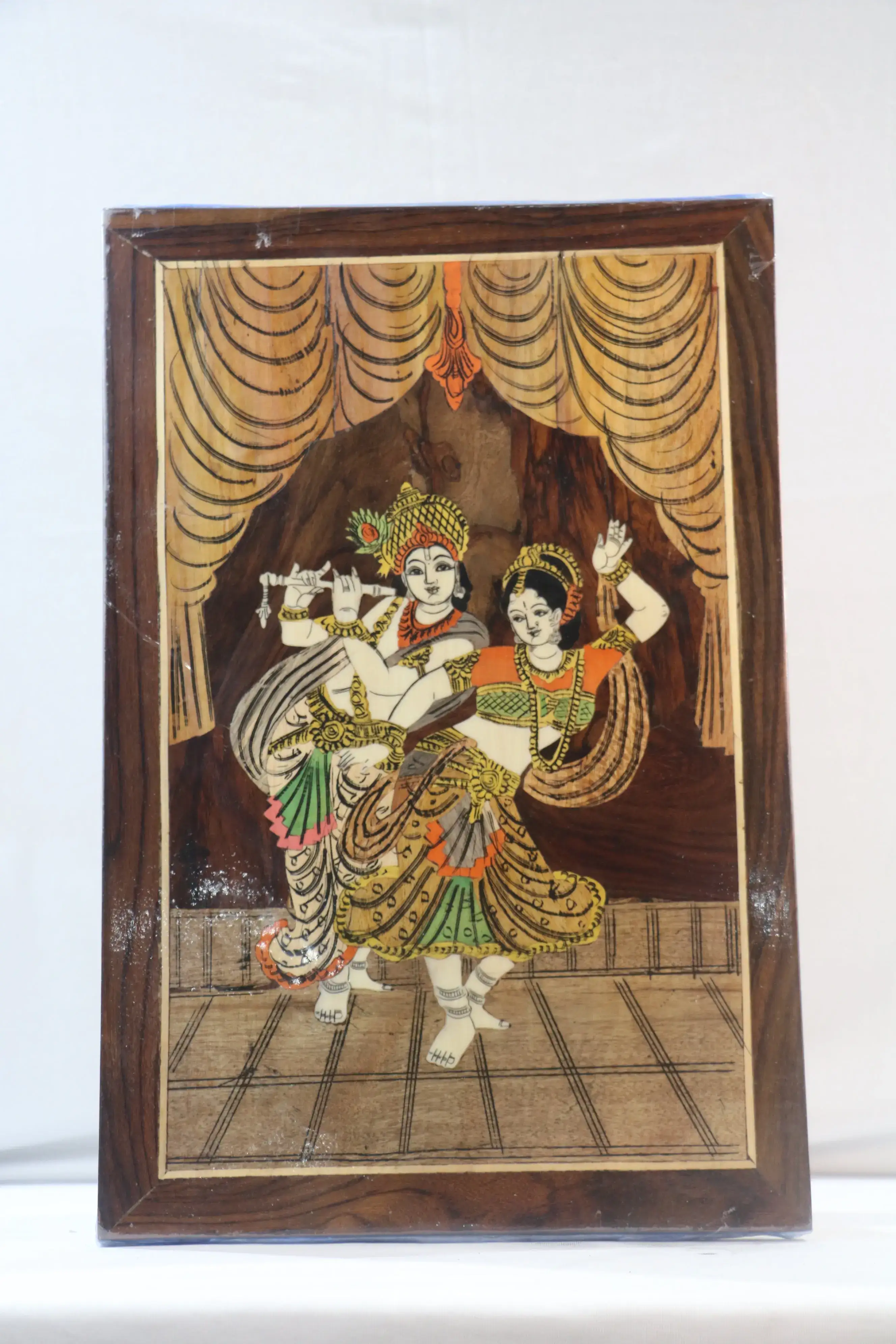
The Narasimha Swamy Rosewood Inlay is a unique traditional art form originating from Mysore, Karnataka. This beautiful craft portrays the divine image of Lord Narasimha Swamy with intricate carvings. Skilled artisans create these pieces with great precision, making each item a masterpiece that reflects centuries of South Indian heritage.
This art represents a perfect blend of spirituality and craftsmanship, showcasing the rich culture behind the Narasimha Swamy Temple's legacy. Every piece tells a story, combining devotion and artistic expression through detailed inlay work.
The Rich Heritage of Mysore Inlay Craft
Mysore rosewood inlay is an art deeply rooted in Karnataka’s rich artistic history. This craft flourished in the 18th century, especially around Srirangapatna.
Early influences on this rosewood inlay work came from Persian techniques merged with traditional Indian styles. Notable patrons like Tipu Sultan and the Wodeyar dynasty encouraged the growth of this exceptional craft. The Mysore Maharajas commissioned delicate rosewood and ivory inlay pieces, decorating the Mysore Palace with stunning artworks.
The Art of Inlay Technique in Mysore
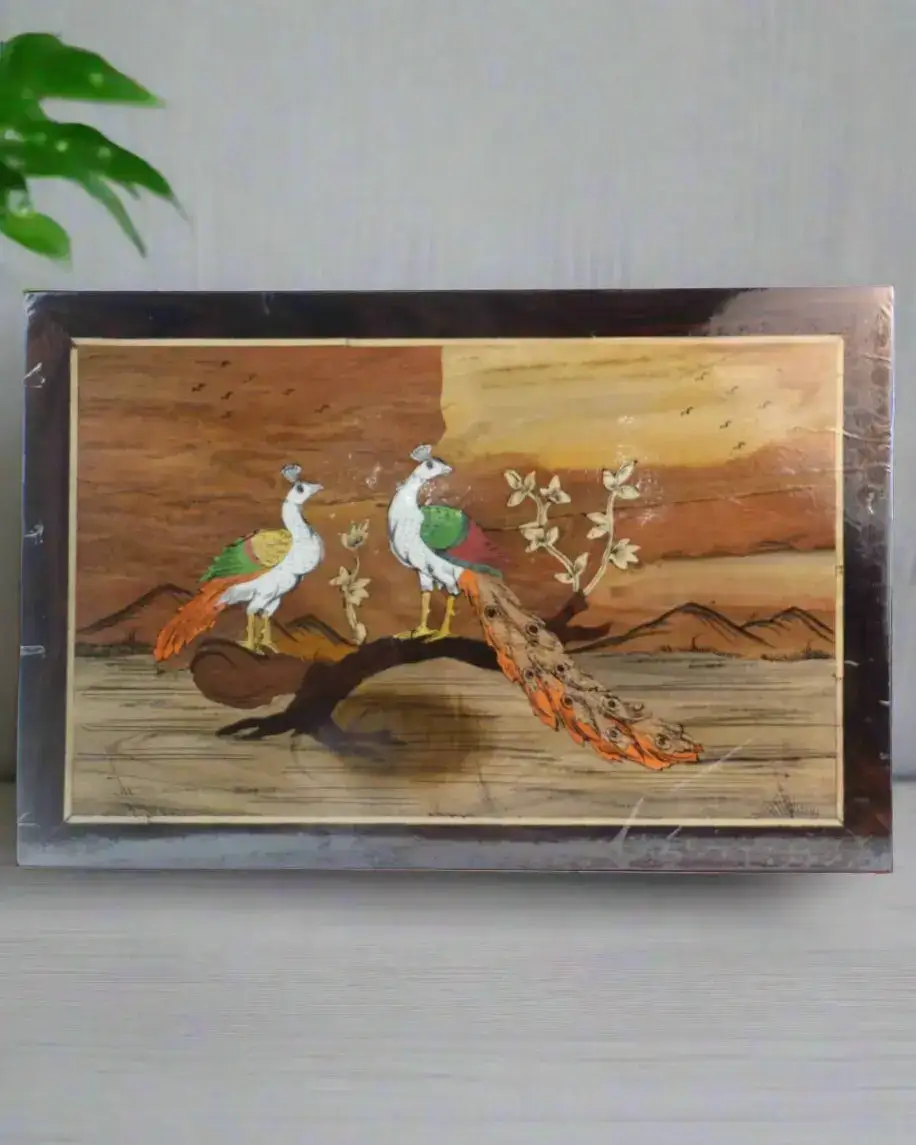
The inlay technique involves embedding small, colored materials into a rosewood base, creating ornate and unique patterns. Historically, ivory was used alongside ebony and several types of wood for this craft.
Rosewood serves as the base due to its dark hue and fine grain, allowing the embedded materials to stand out. This enhances the divine image, highlighting the form of Lord Narasimha Swamy. The skillful artisans carve detailed motifs that represent the spiritual essence of the figure.
Materials and Craftsmanship Behind the Narasimha Swamy Inlay
Rosewood is valued for its durability and elegant appearance, making it an ideal canvas for artworks. The contrast of ivory or its synthetic alternatives against the dark rosewood enhances the visual beauty of the pieces.
The labor-intensive process demands high skill levels passed down through generations. Artisans intricately carve symbols and decorative motifs drawn from Hindu mythology. Each piece embodies a spiritual narrative, offering more than decorative appeal.
Modern Significance of Rosewood Inlay
Today, the Inlay maintains great popularity among collectors and devotees. Mysore artisans continue to produce decorative items and fine furniture with this traditional technique.
The craft has evolved to match modern tastes while preserving the age-old craftsmanship. The growing appreciation for this art form is due to its rich cultural and spiritual importance. Owning a Narasimha Swamy Rosewood Inlay connects one with the heritage of the Mysore region and its artistic legacy.
Recognition and Geographical Indication of Rosewood Art
The Mysore rosewood inlay craft has received the prestigious Geographical Indication (GI) tag. This recognition emphasizes its unique origin, superior quality, and authenticity.
The GI tag protects the craft, ensuring high standards are maintained. It also helps secure artisans’ livelihoods and promotes Mysore as a cultural hub known for exquisite rosewood inlay work.
The Spiritual Connection with Narasimha Swamy
Lord Narasimha, a revered Hindu deity, symbolizes protection and strength. The carved Narasimha Swamy Inlay captures this divine essence with remarkable artistry.
Devotees believe that keeping these artworks in homes or temples invites blessings, peace, and prosperity. Detailed carvings depict Narasimha’s fierce yet protective nature, often shown alongside Goddess Lakshmi, who represents wealth and grace.
Where to Use Inlay Art
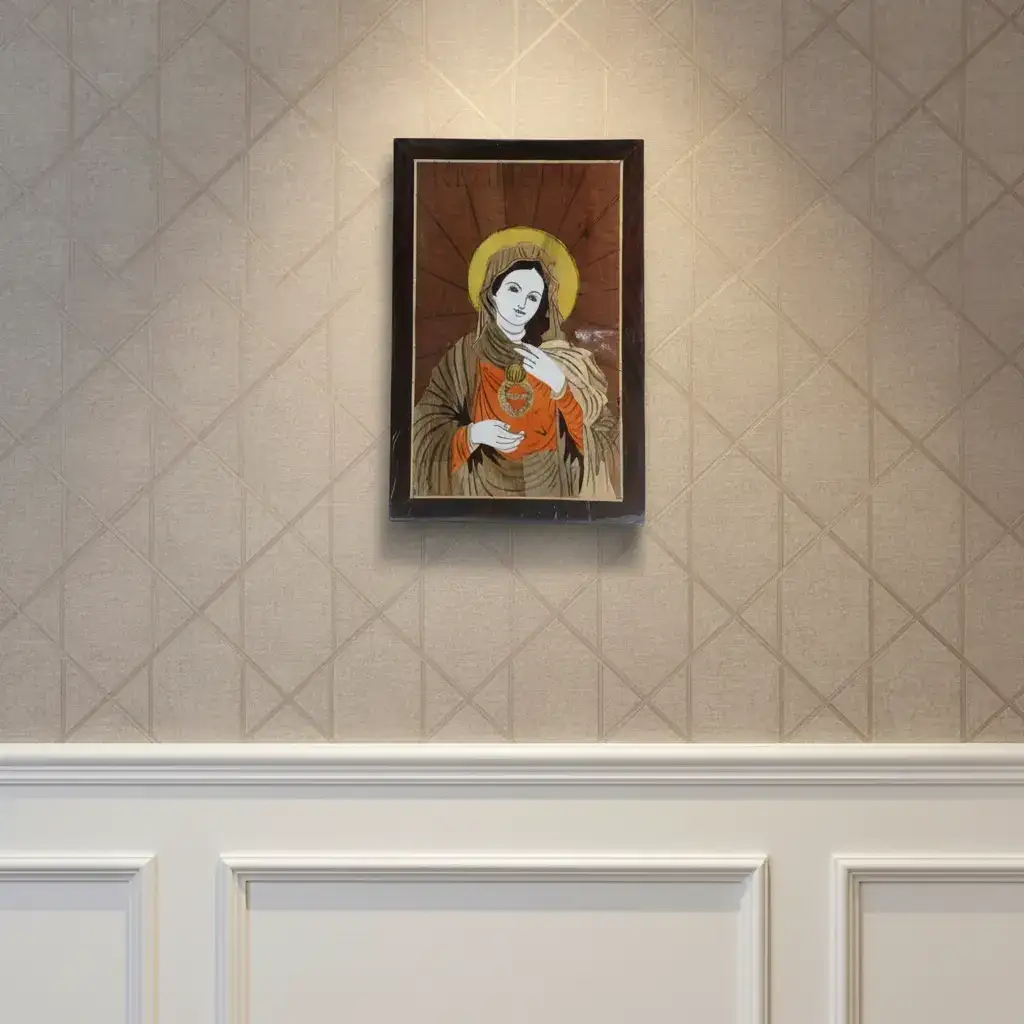
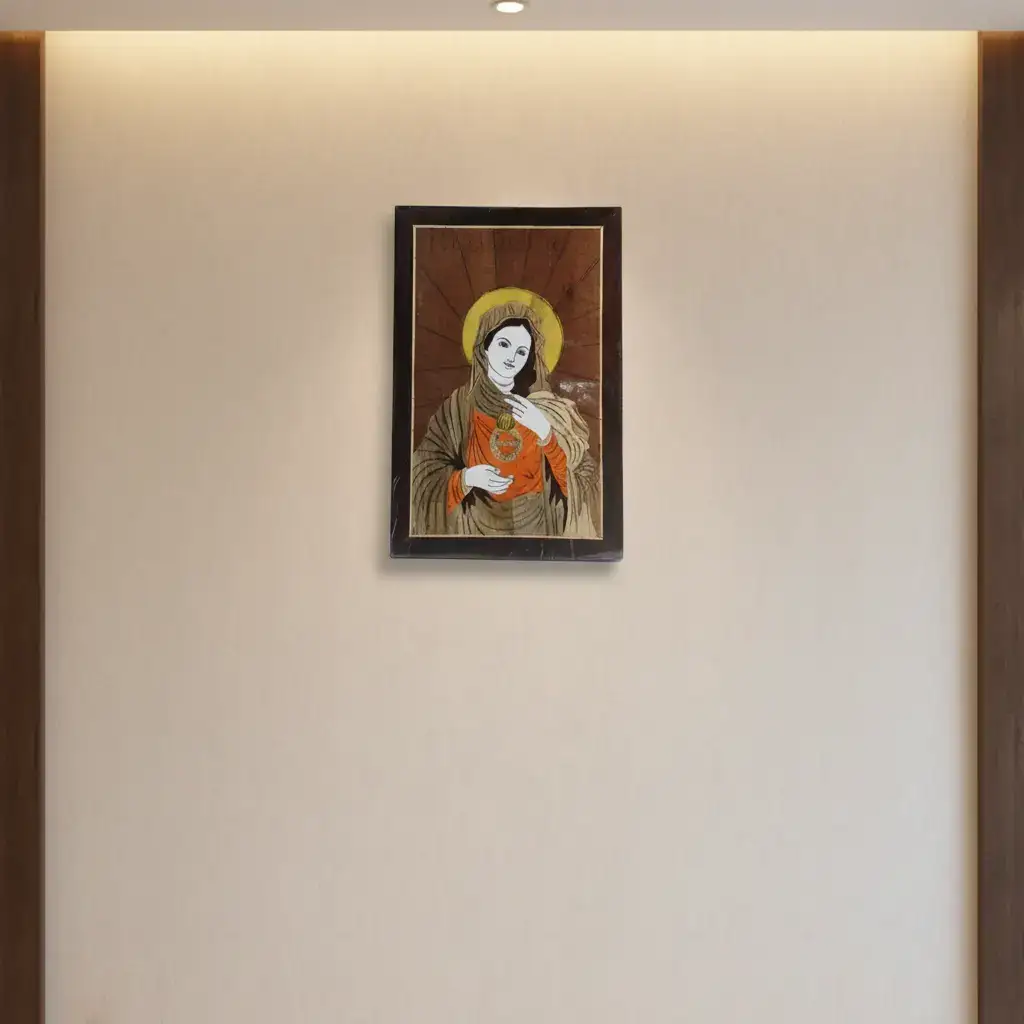
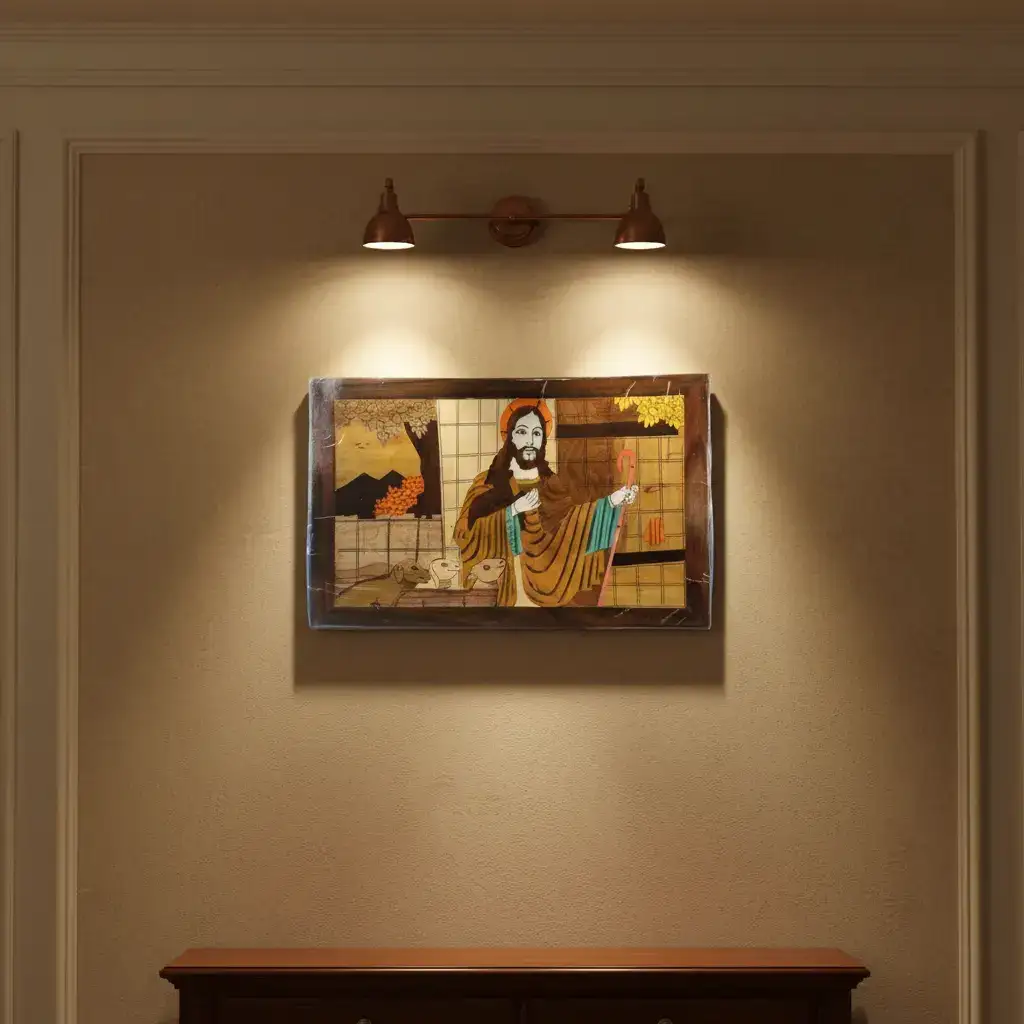
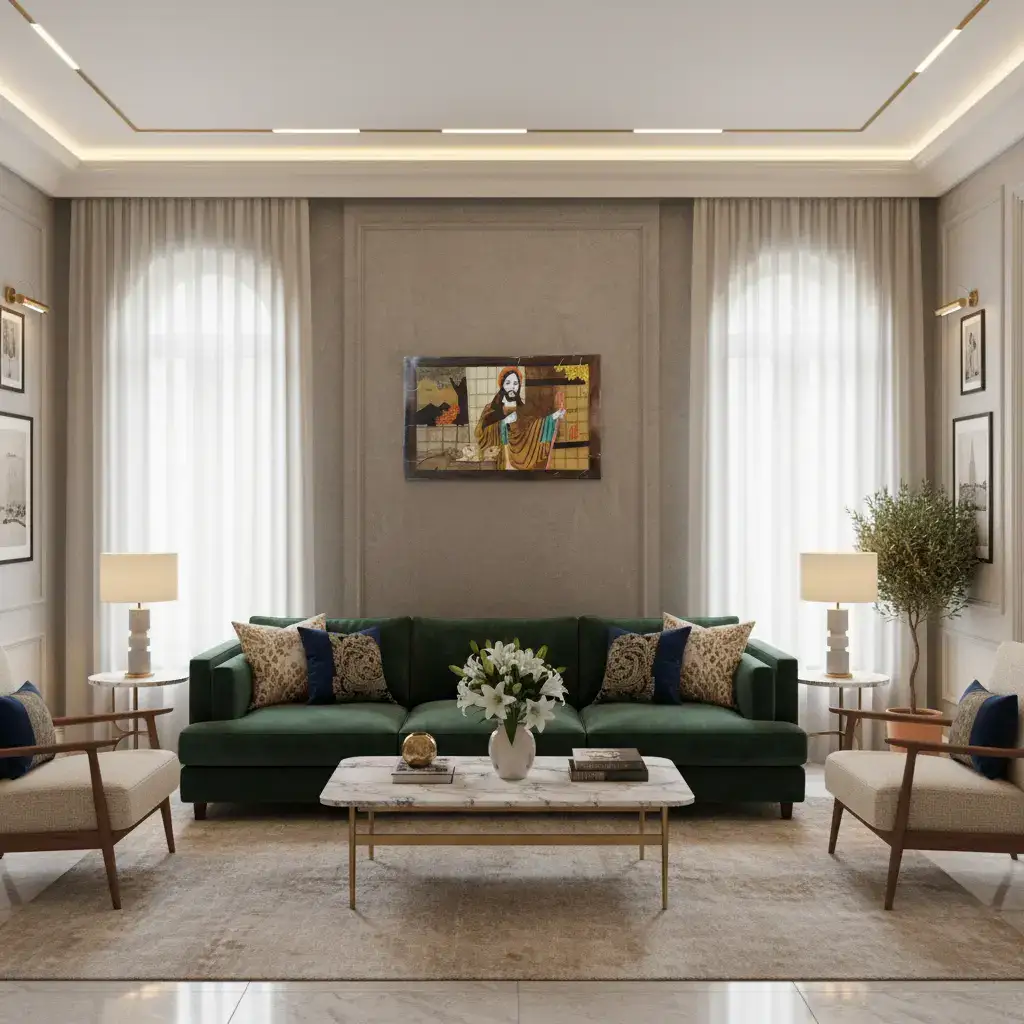
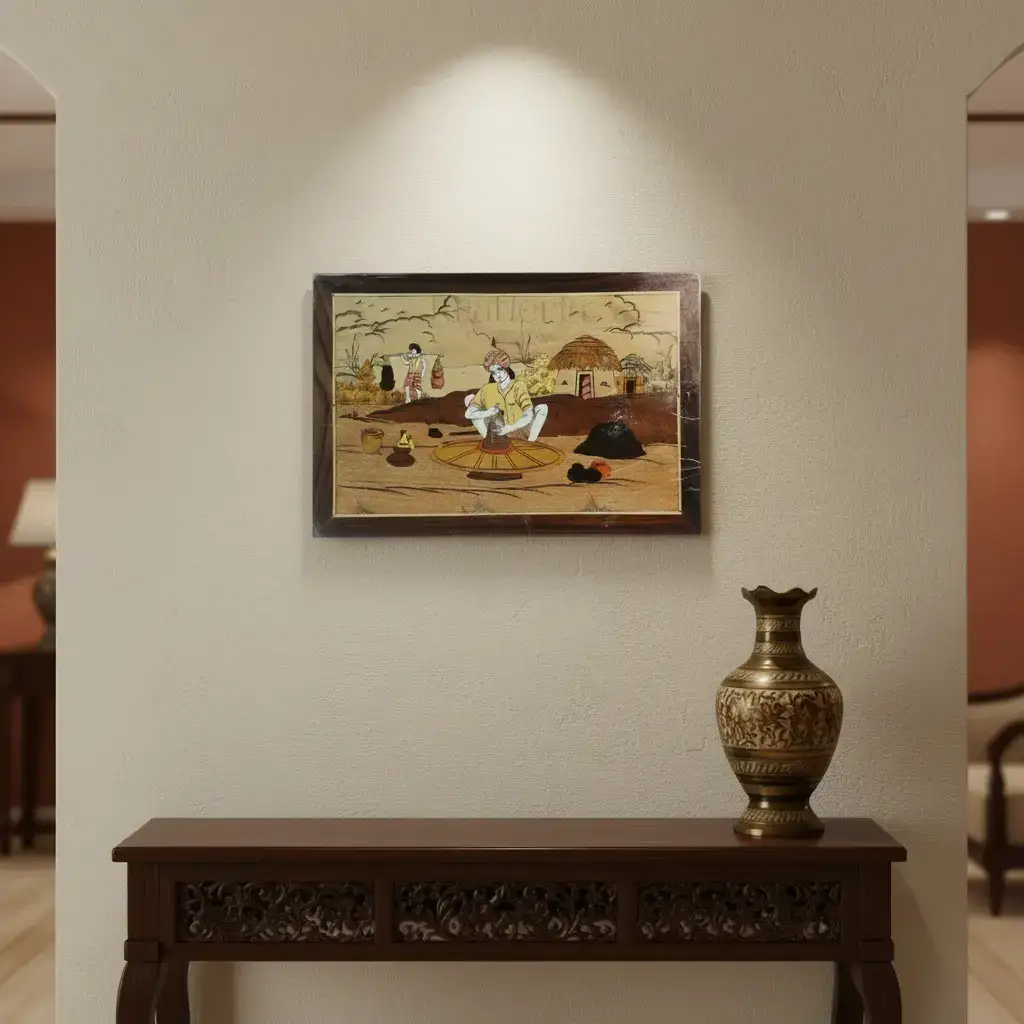
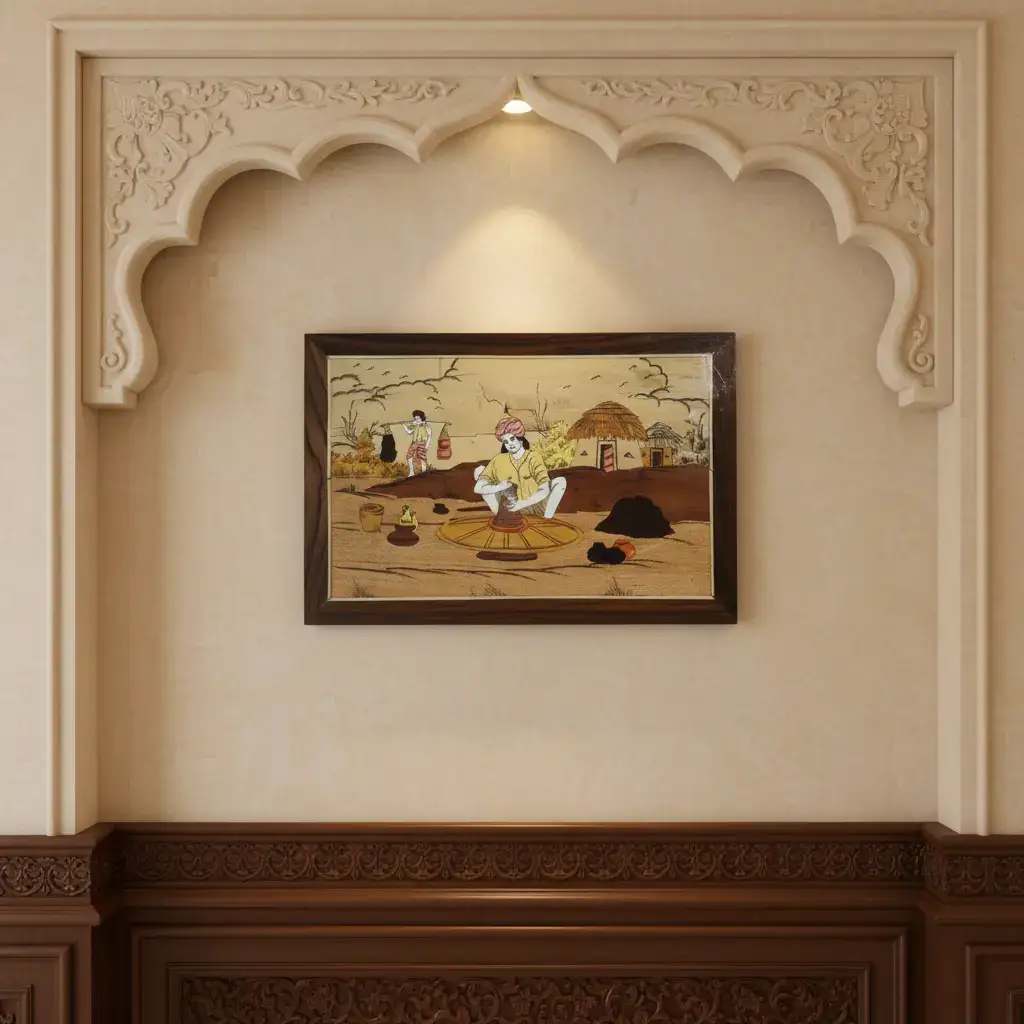
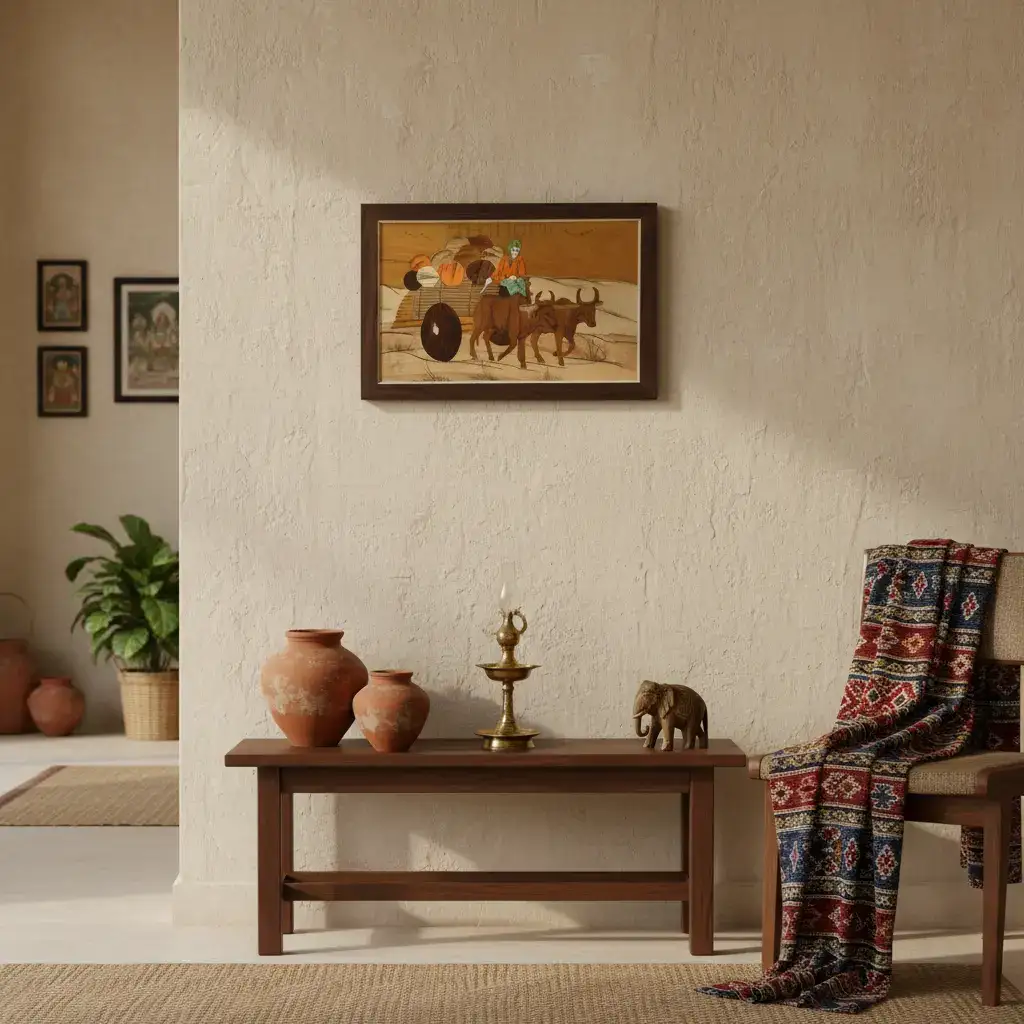
This exquisite artwork suits various spaces such as homes, offices, and spiritual centers. It adds cultural depth and elegance to décor.
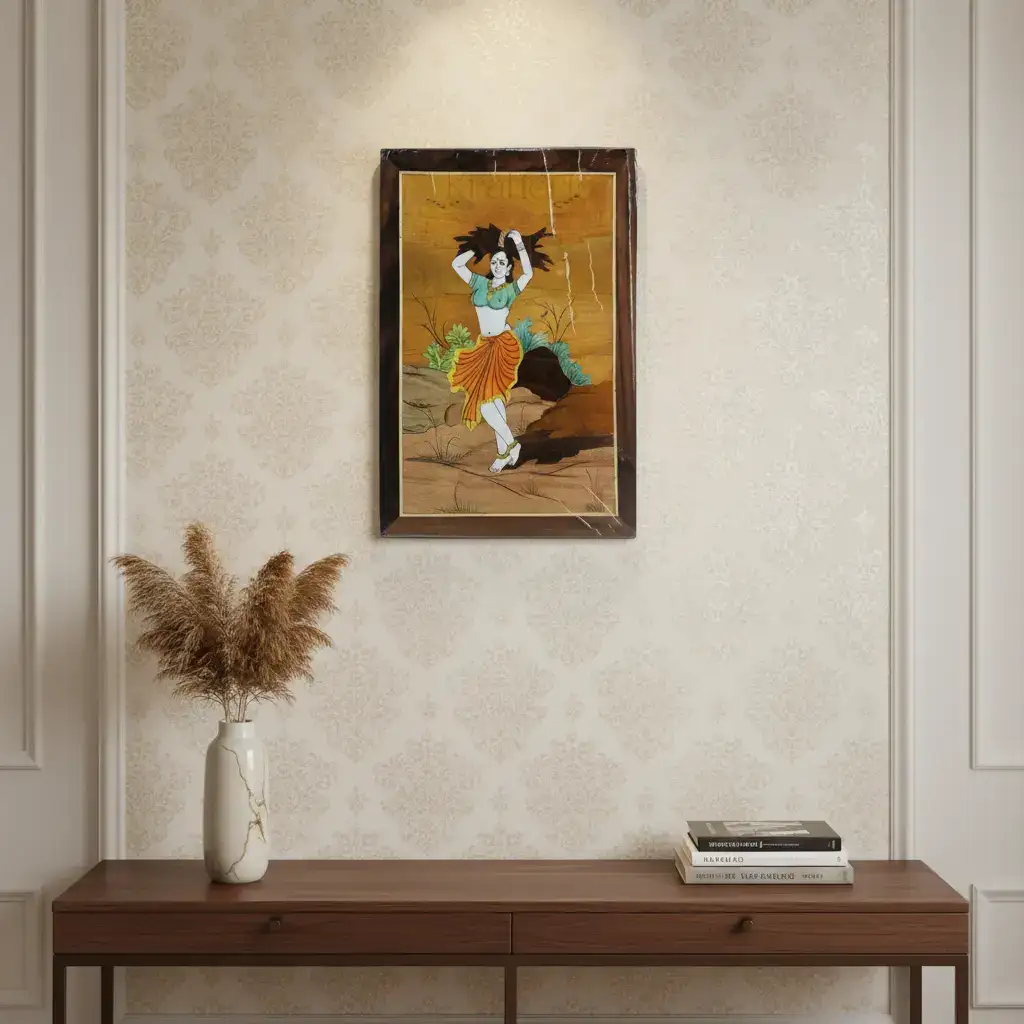
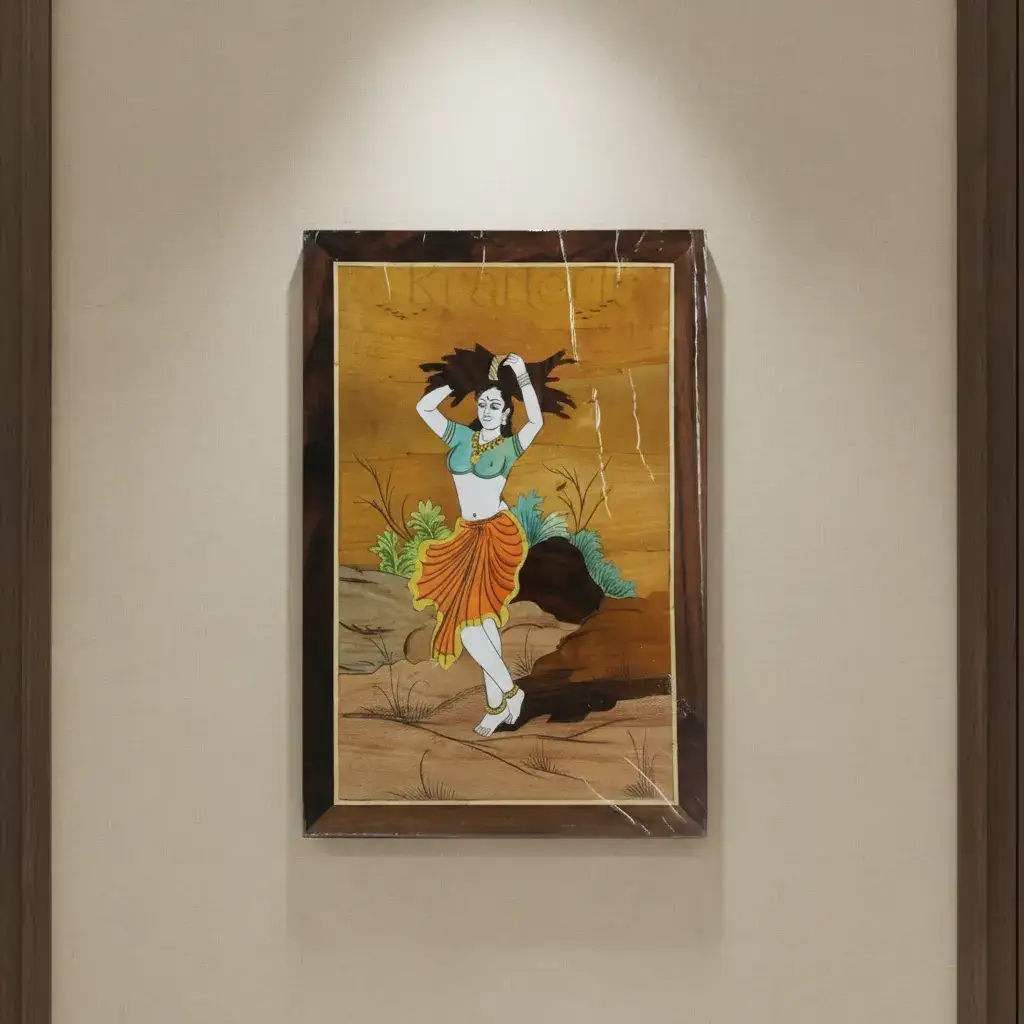
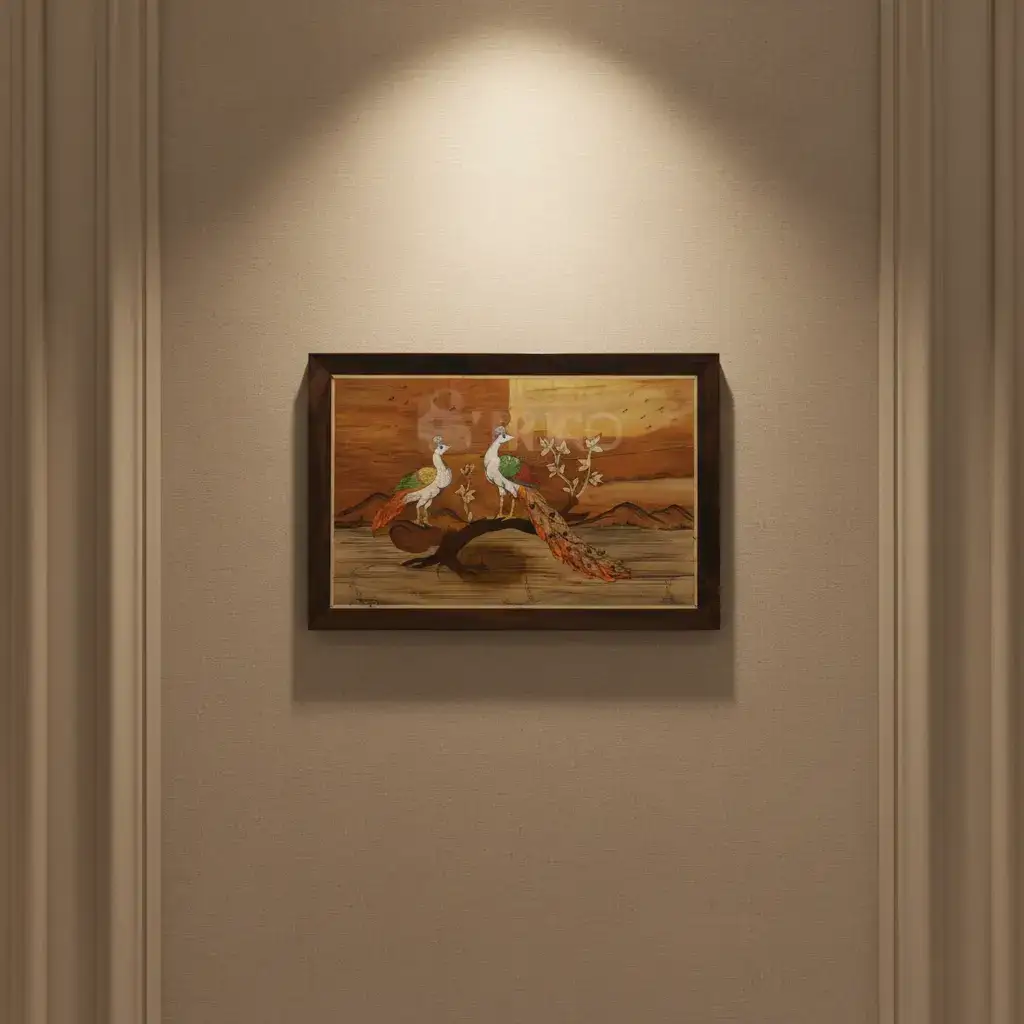
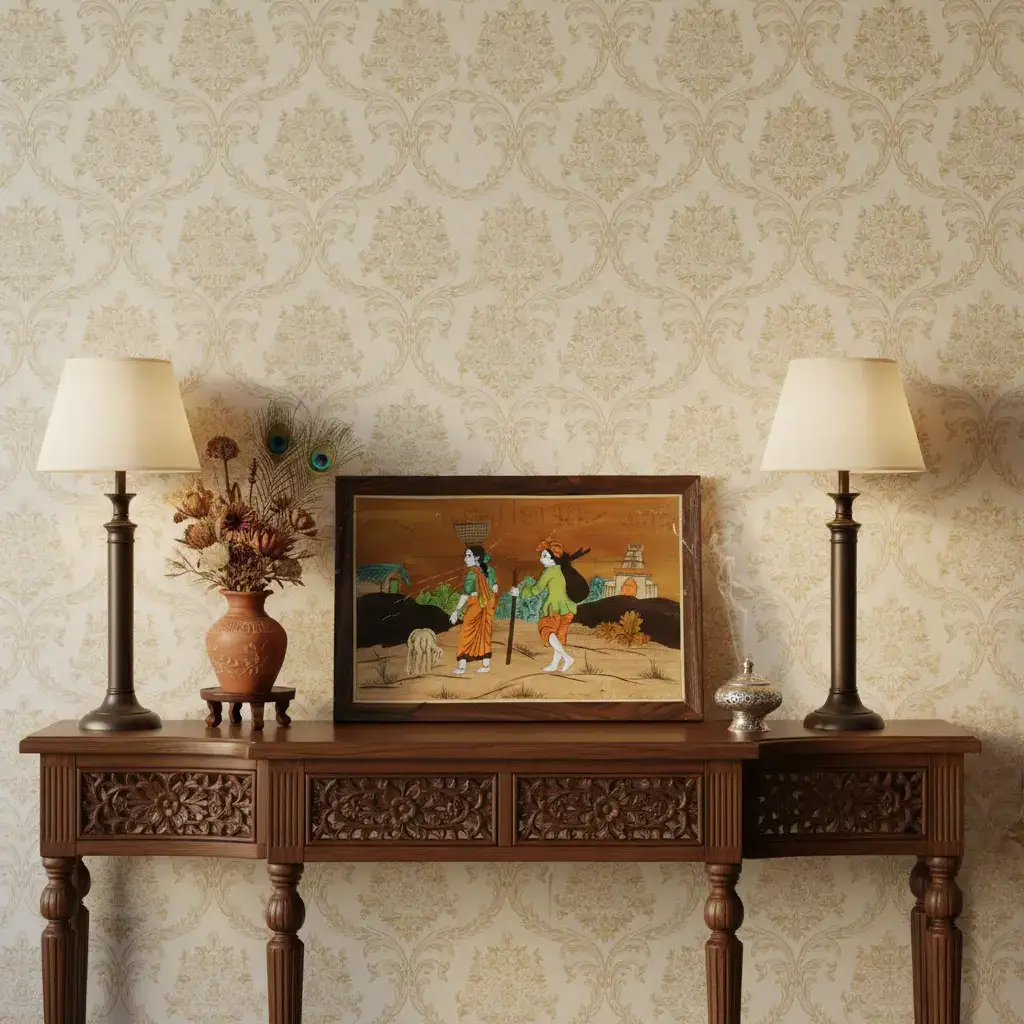
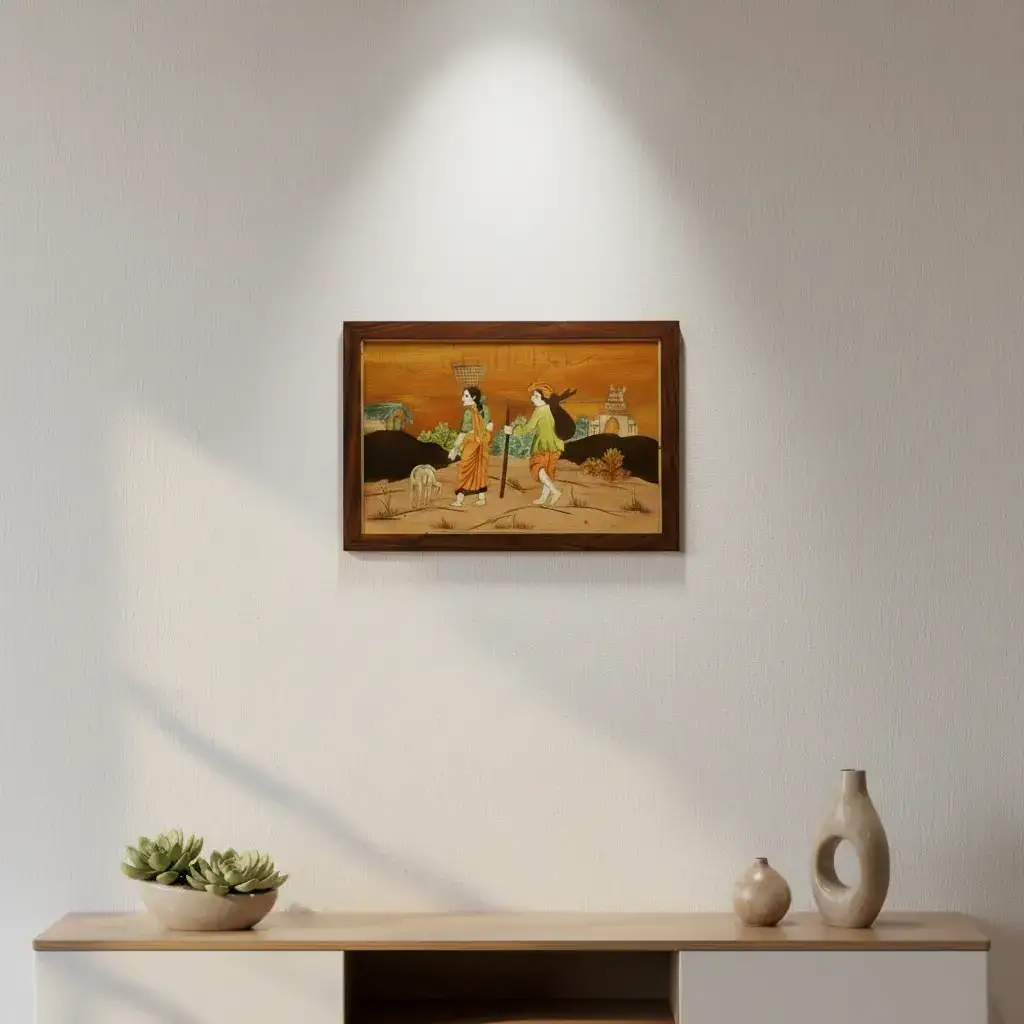
The rosewood frame complements both traditional and modern interiors gracefully. With its compact size of 19 inches by 15 inches, this wall décor brings divine presence without overwhelming the space.
Care and Preservation of Inlay Art
Proper care is essential to maintain the beauty and longevity of the Narasimha Swamy Rosewood Inlay. Avoid exposing the piece to direct sunlight and excessive moisture.
Regular dusting with a soft cloth helps preserve the finish. Proper upkeep ensures that this sacred piece retains its craftsmanship and spiritual charm for many years.
Summary
The Rosewood Inlay perfectly blends artistry, tradition, and spirituality. It represents an enduring legacy of Mysore through intricate rosewood and inlay craftsmanship.
With its historical patronage and modern recognition, this craft continues to captivate both art lovers and devotees. The rosewood base combined with detailed inlay work brings a divine aura to any setting.
Owning a Inlay is a way to embrace this timeless Mysore tradition and celebrate cultural heritage through beautiful artistry.
Original: $52.71
-70%$52.71
$15.81Product Information
Product Information
Shipping & Returns
Shipping & Returns
Description
Lakshmi Narasimha Swamy Rosewood Inlay Mysore
Height Inches: 19"
Width Inches: 15"
Introduction to Narasimha Swamy Rosewood Inlay
The Narasimha Swamy Rosewood Inlay is a unique traditional art form originating from Mysore, Karnataka. This beautiful craft portrays the divine image of Lord Narasimha Swamy with intricate carvings. Skilled artisans create these pieces with great precision, making each item a masterpiece that reflects centuries of South Indian heritage.
This art represents a perfect blend of spirituality and craftsmanship, showcasing the rich culture behind the Narasimha Swamy Temple's legacy. Every piece tells a story, combining devotion and artistic expression through detailed inlay work.
The Rich Heritage of Mysore Inlay Craft
Mysore rosewood inlay is an art deeply rooted in Karnataka’s rich artistic history. This craft flourished in the 18th century, especially around Srirangapatna.
Early influences on this rosewood inlay work came from Persian techniques merged with traditional Indian styles. Notable patrons like Tipu Sultan and the Wodeyar dynasty encouraged the growth of this exceptional craft. The Mysore Maharajas commissioned delicate rosewood and ivory inlay pieces, decorating the Mysore Palace with stunning artworks.
The Art of Inlay Technique in Mysore
The inlay technique involves embedding small, colored materials into a rosewood base, creating ornate and unique patterns. Historically, ivory was used alongside ebony and several types of wood for this craft.
Rosewood serves as the base due to its dark hue and fine grain, allowing the embedded materials to stand out. This enhances the divine image, highlighting the form of Lord Narasimha Swamy. The skillful artisans carve detailed motifs that represent the spiritual essence of the figure.
Materials and Craftsmanship Behind the Narasimha Swamy Inlay
Rosewood is valued for its durability and elegant appearance, making it an ideal canvas for artworks. The contrast of ivory or its synthetic alternatives against the dark rosewood enhances the visual beauty of the pieces.
The labor-intensive process demands high skill levels passed down through generations. Artisans intricately carve symbols and decorative motifs drawn from Hindu mythology. Each piece embodies a spiritual narrative, offering more than decorative appeal.
Modern Significance of Rosewood Inlay
Today, the Inlay maintains great popularity among collectors and devotees. Mysore artisans continue to produce decorative items and fine furniture with this traditional technique.
The craft has evolved to match modern tastes while preserving the age-old craftsmanship. The growing appreciation for this art form is due to its rich cultural and spiritual importance. Owning a Narasimha Swamy Rosewood Inlay connects one with the heritage of the Mysore region and its artistic legacy.
Recognition and Geographical Indication of Rosewood Art
The Mysore rosewood inlay craft has received the prestigious Geographical Indication (GI) tag. This recognition emphasizes its unique origin, superior quality, and authenticity.
The GI tag protects the craft, ensuring high standards are maintained. It also helps secure artisans’ livelihoods and promotes Mysore as a cultural hub known for exquisite rosewood inlay work.
The Spiritual Connection with Narasimha Swamy
Lord Narasimha, a revered Hindu deity, symbolizes protection and strength. The carved Narasimha Swamy Inlay captures this divine essence with remarkable artistry.
Devotees believe that keeping these artworks in homes or temples invites blessings, peace, and prosperity. Detailed carvings depict Narasimha’s fierce yet protective nature, often shown alongside Goddess Lakshmi, who represents wealth and grace.
Where to Use Inlay Art
This exquisite artwork suits various spaces such as homes, offices, and spiritual centers. It adds cultural depth and elegance to décor.
The rosewood frame complements both traditional and modern interiors gracefully. With its compact size of 19 inches by 15 inches, this wall décor brings divine presence without overwhelming the space.
Care and Preservation of Inlay Art
Proper care is essential to maintain the beauty and longevity of the Narasimha Swamy Rosewood Inlay. Avoid exposing the piece to direct sunlight and excessive moisture.
Regular dusting with a soft cloth helps preserve the finish. Proper upkeep ensures that this sacred piece retains its craftsmanship and spiritual charm for many years.
Summary
The Rosewood Inlay perfectly blends artistry, tradition, and spirituality. It represents an enduring legacy of Mysore through intricate rosewood and inlay craftsmanship.
With its historical patronage and modern recognition, this craft continues to captivate both art lovers and devotees. The rosewood base combined with detailed inlay work brings a divine aura to any setting.
Owning a Inlay is a way to embrace this timeless Mysore tradition and celebrate cultural heritage through beautiful artistry.