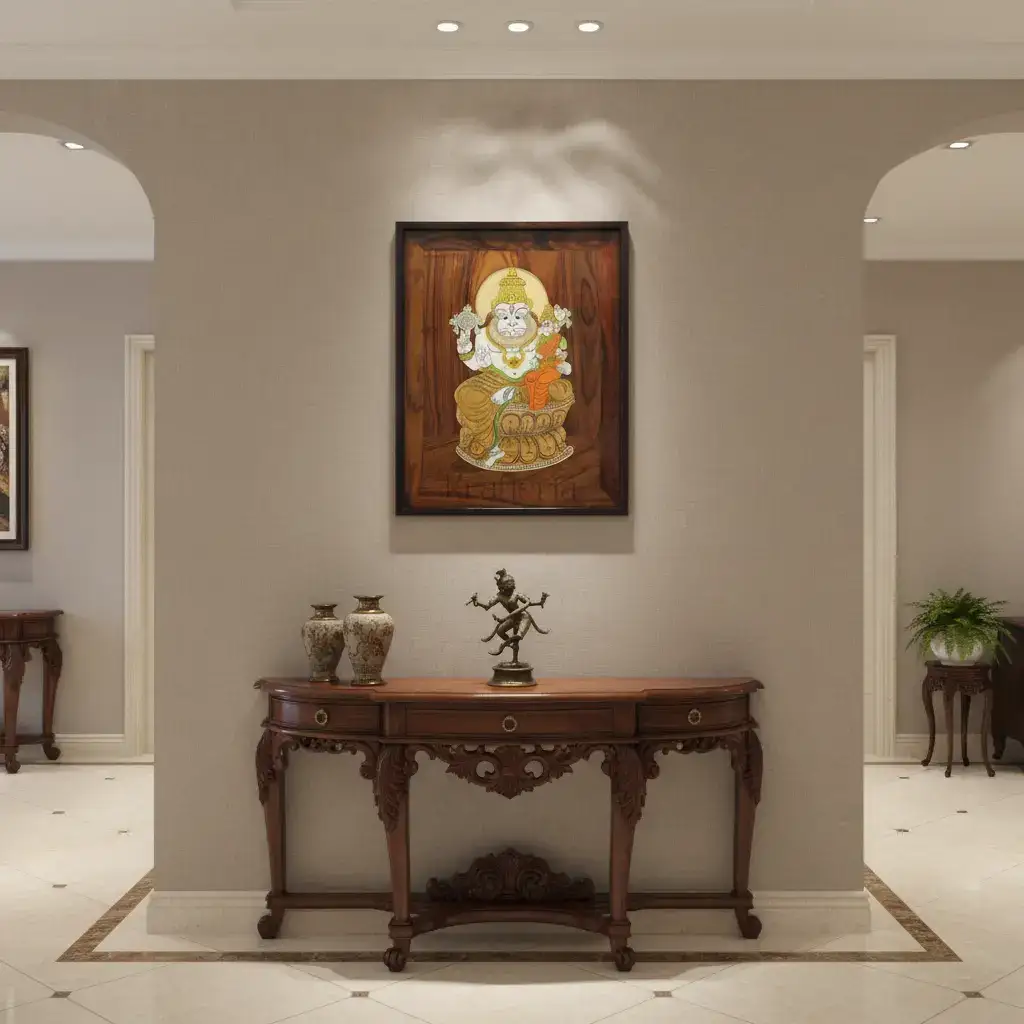
Rosewood Inlay Lakshmi Narasimha Swamy – Handcrafted Devotional Art
Rosewood Inlay of Lord Lakshmi Narasimha Swamy – Handcrafted Devotional Art
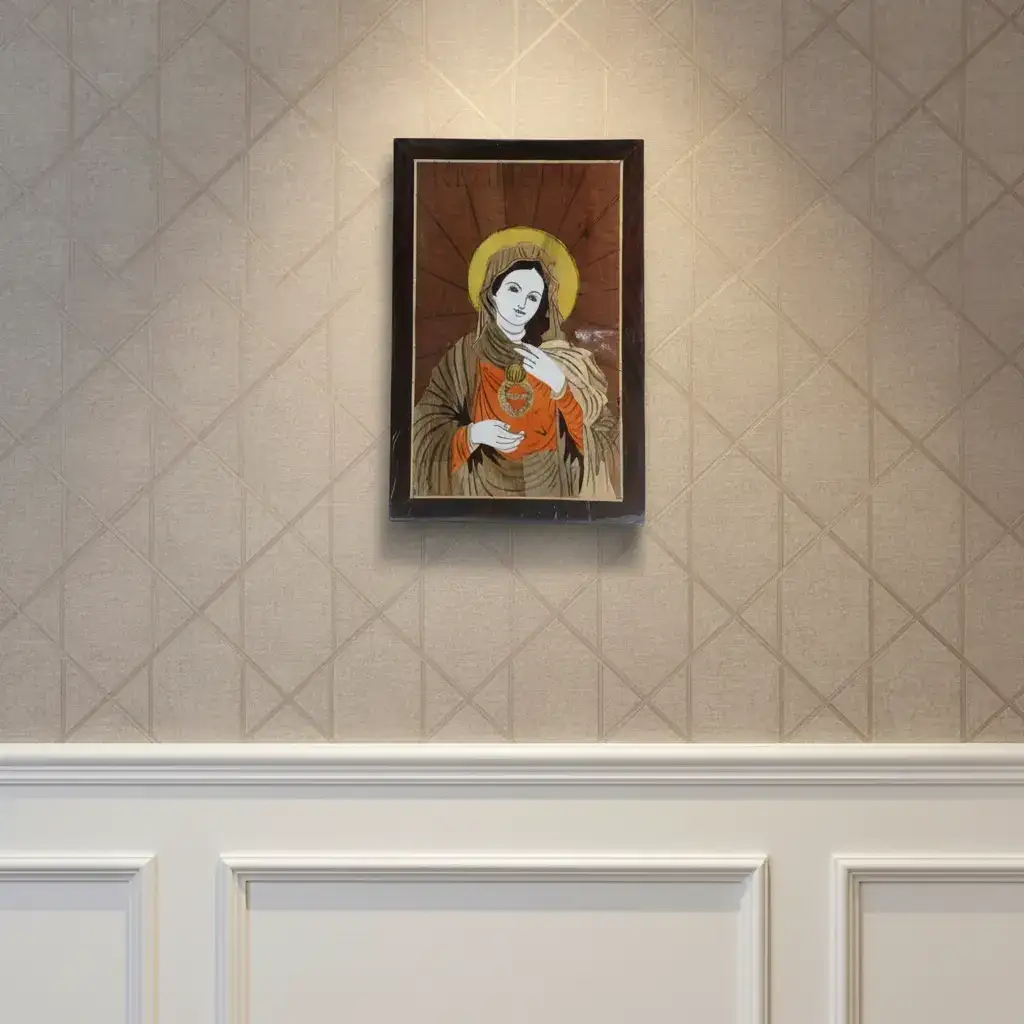
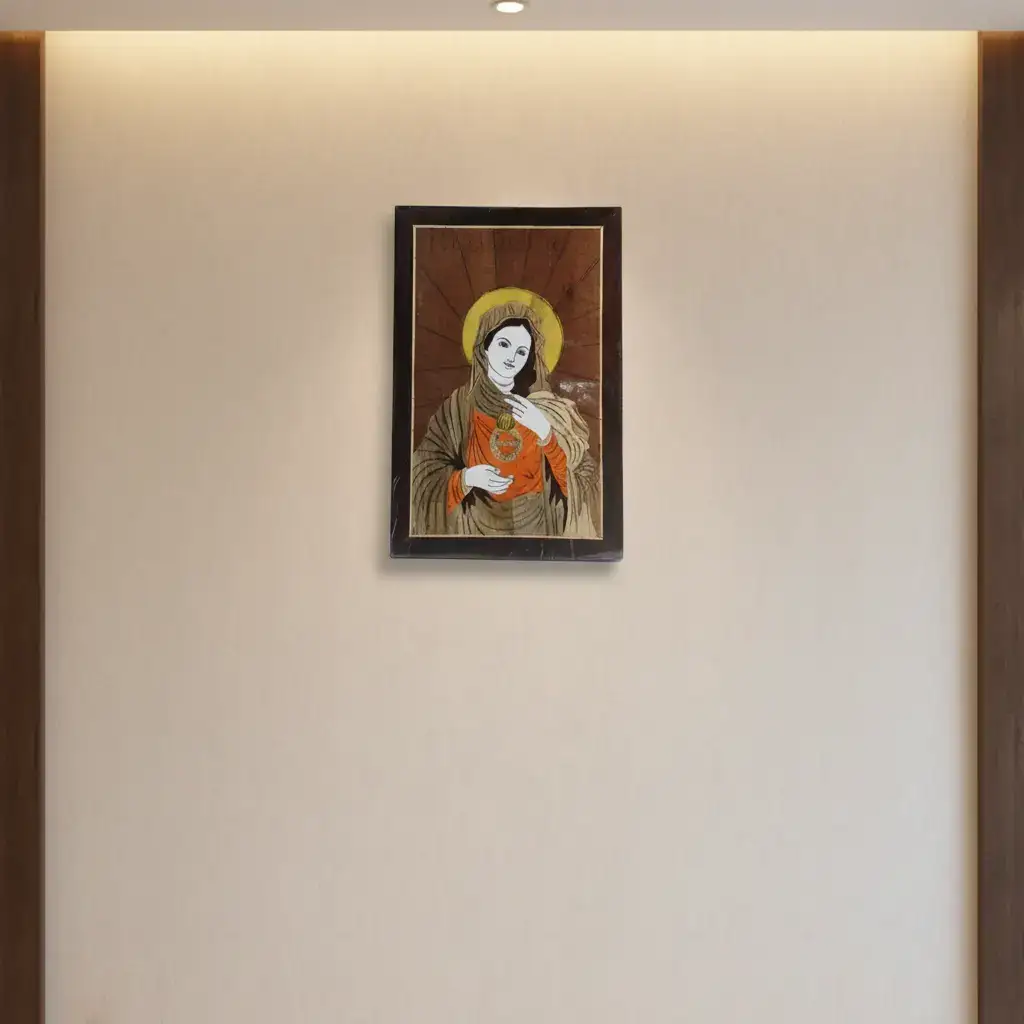
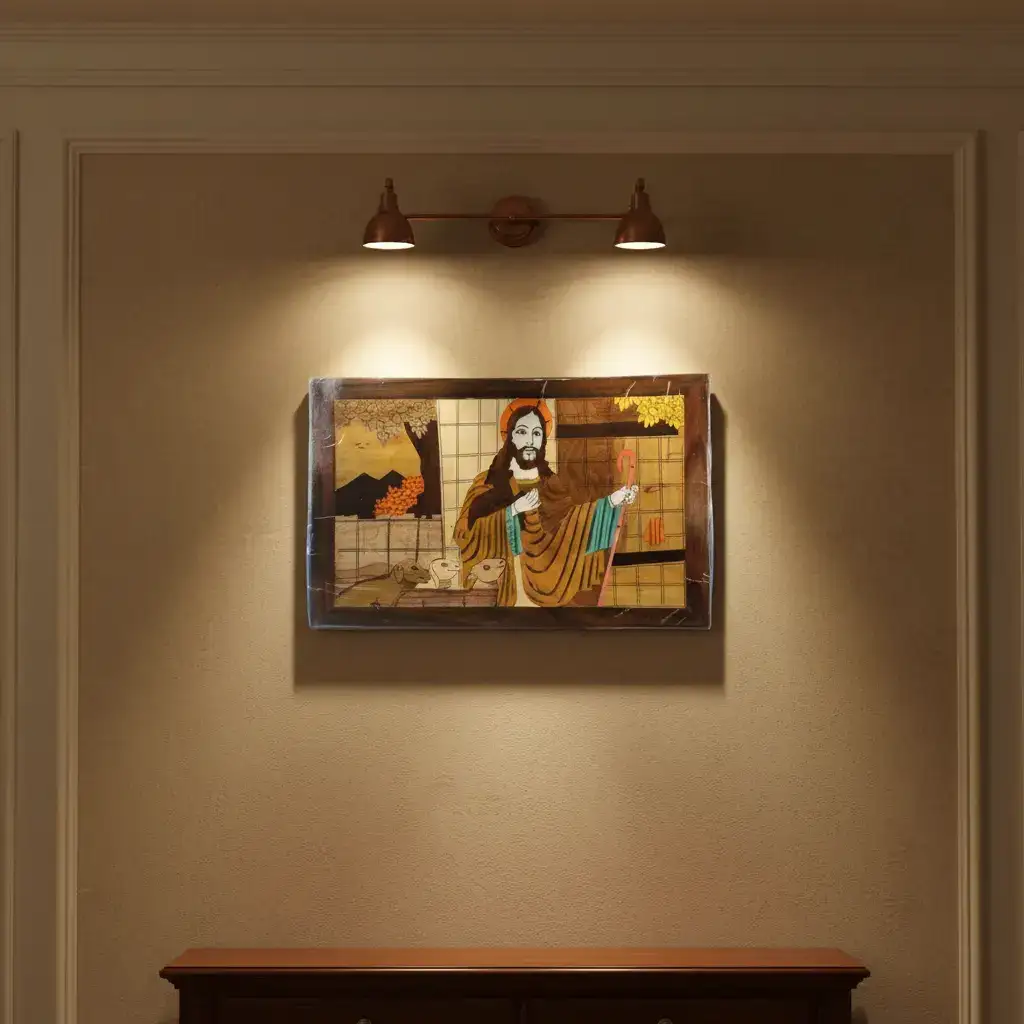
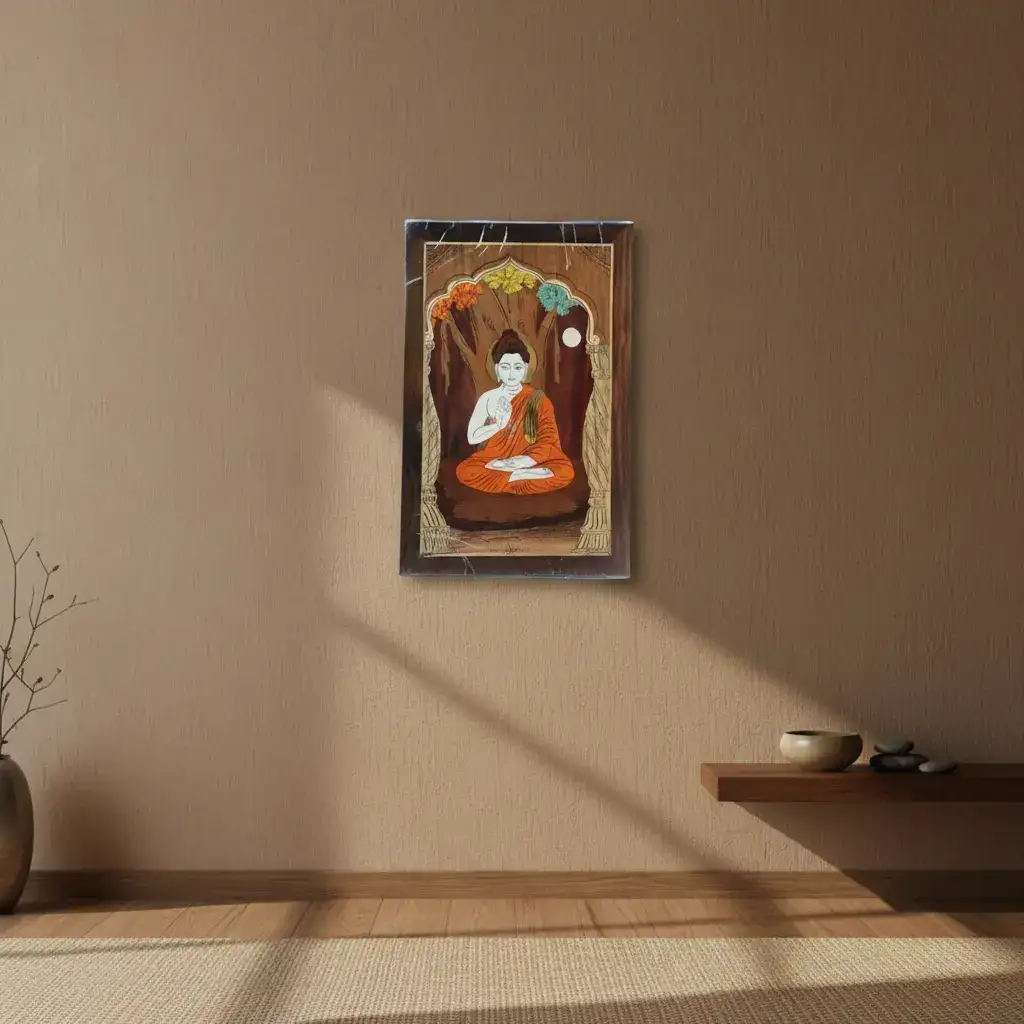
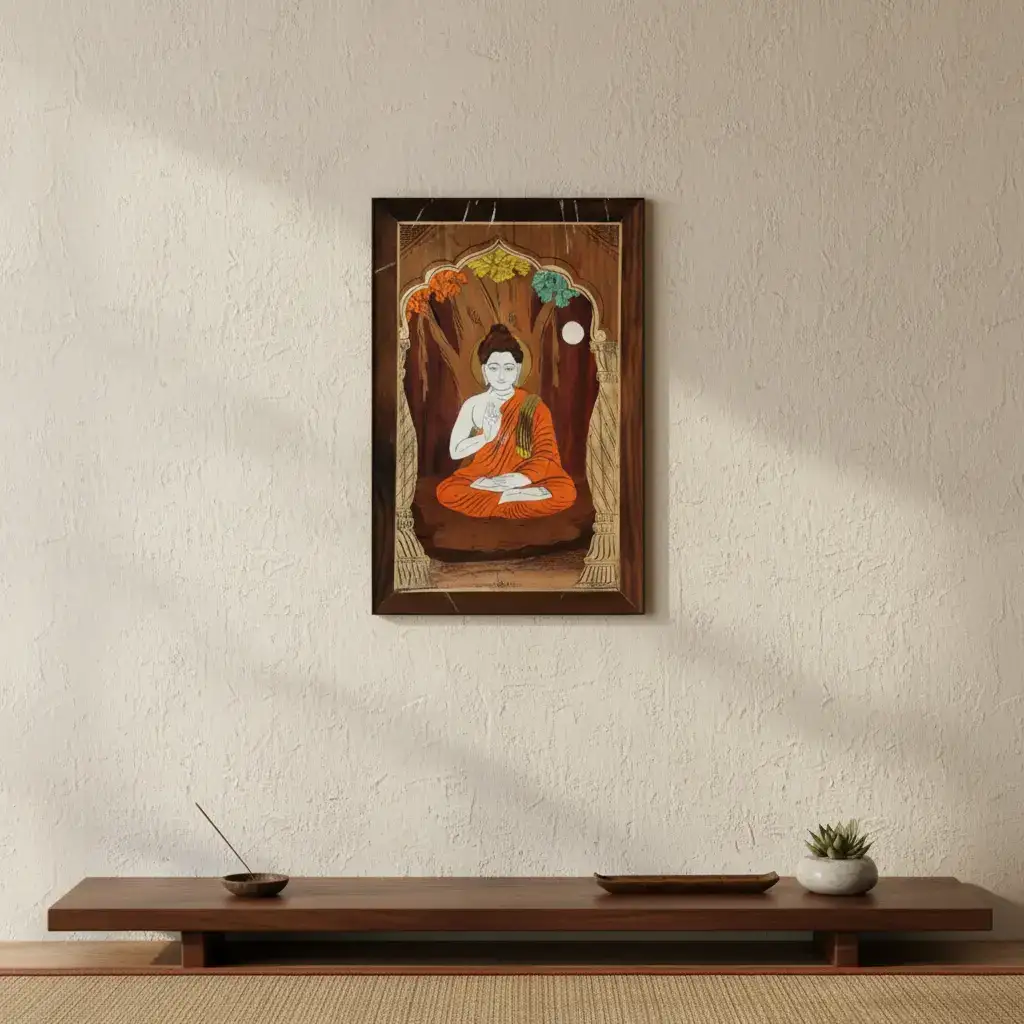
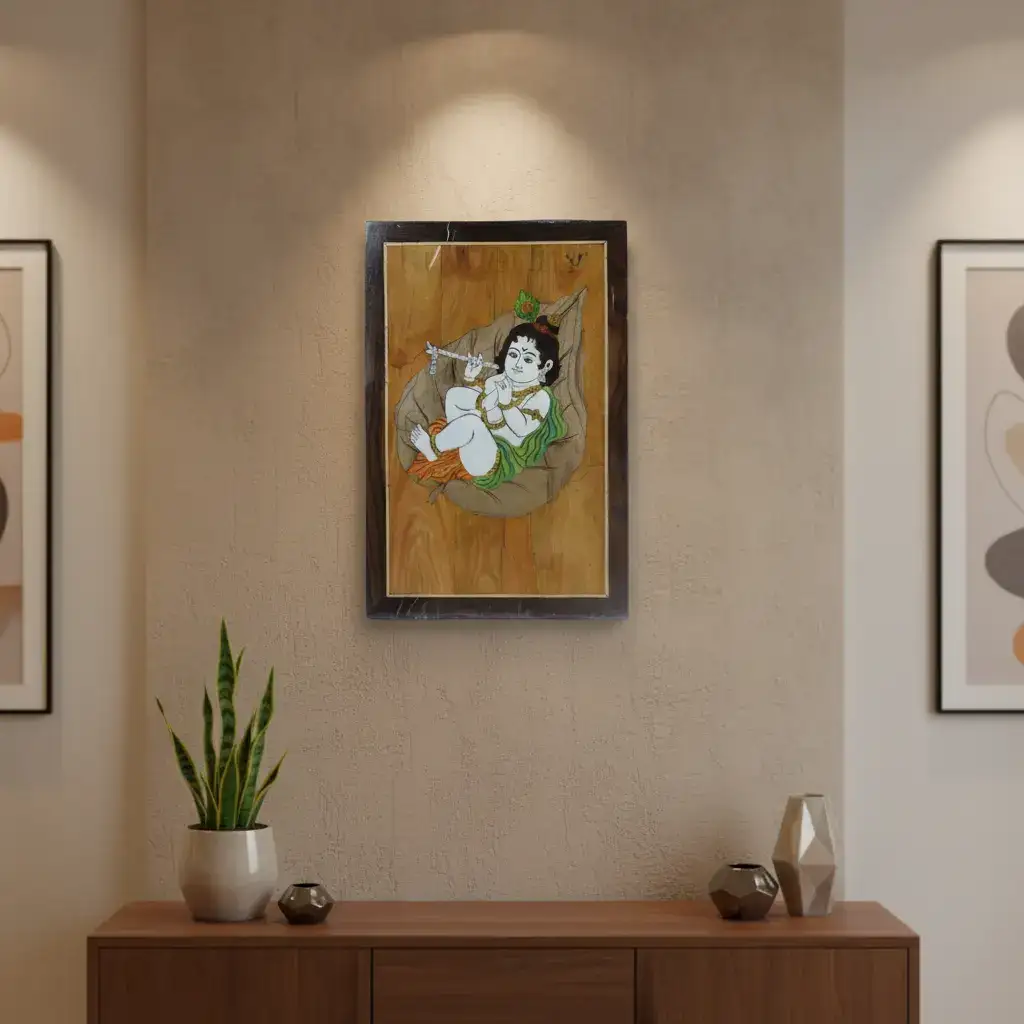
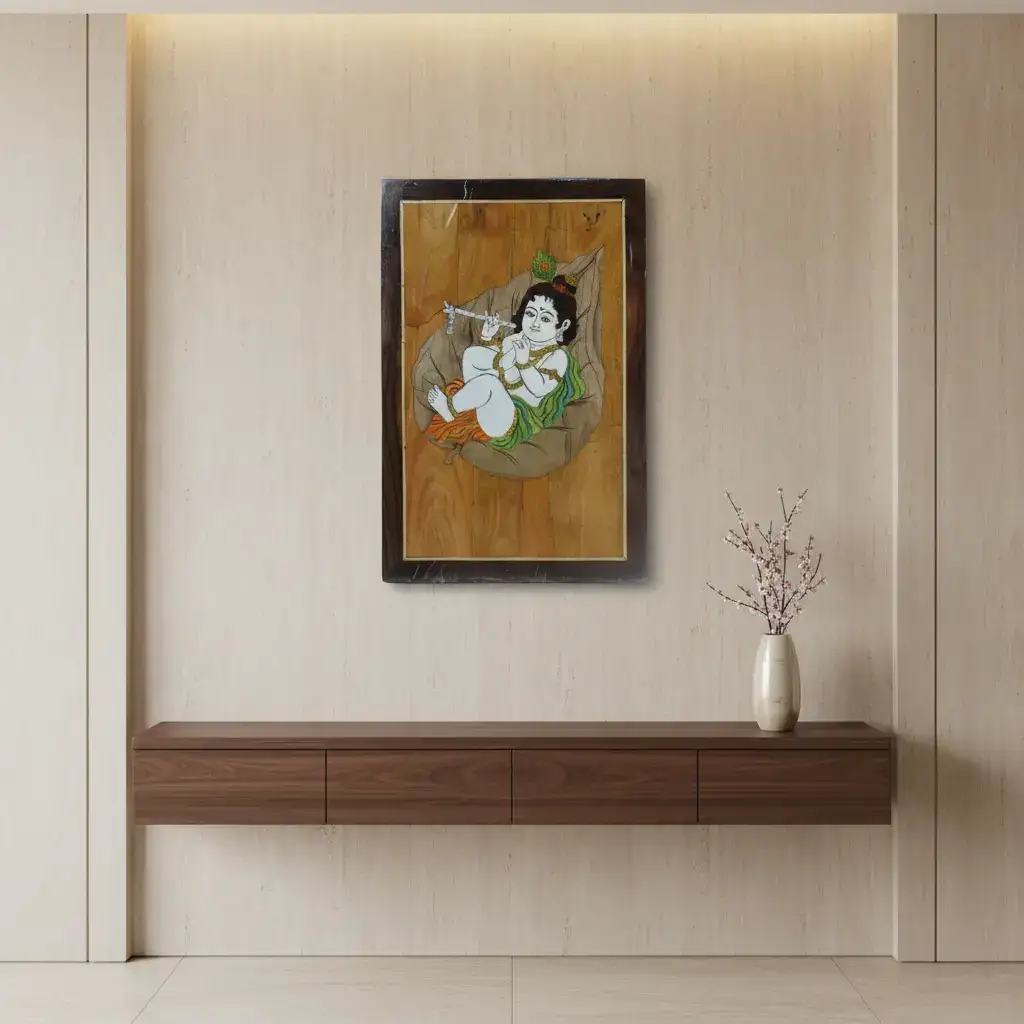
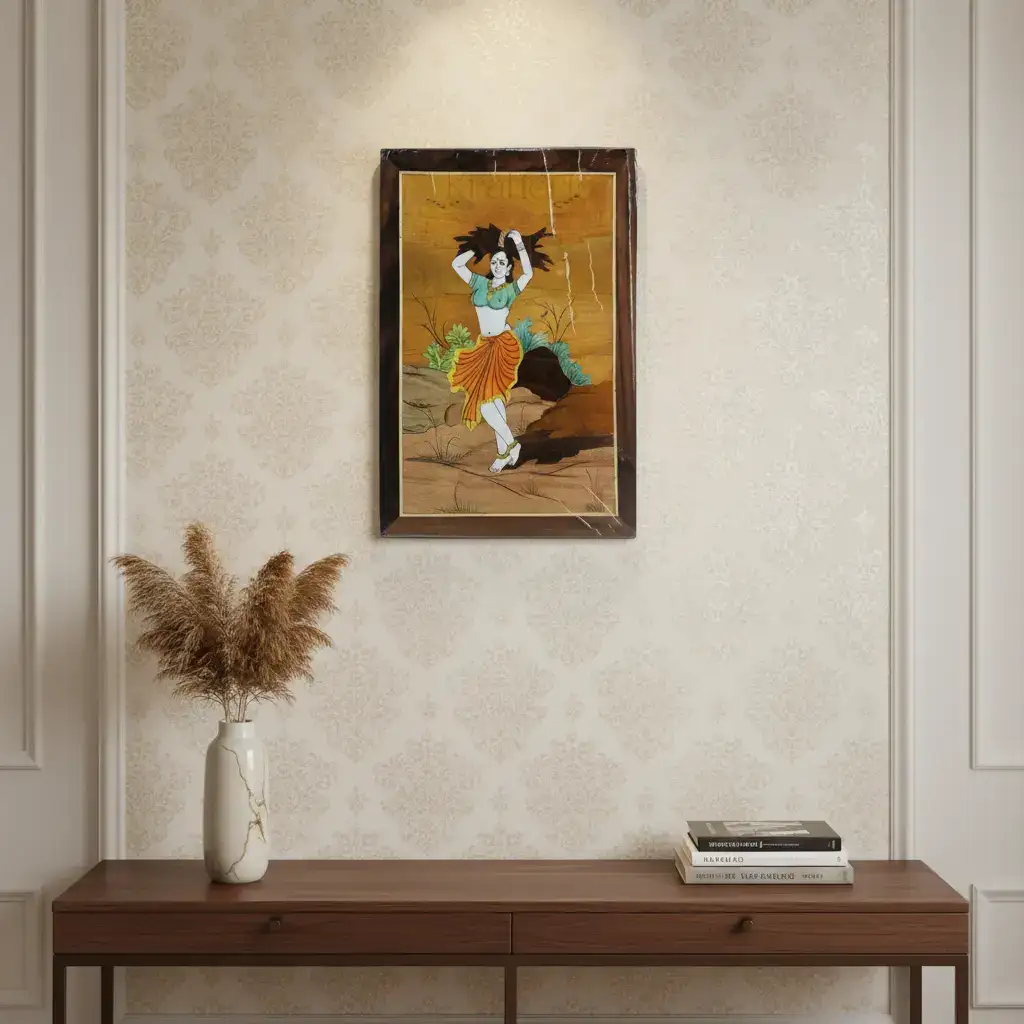
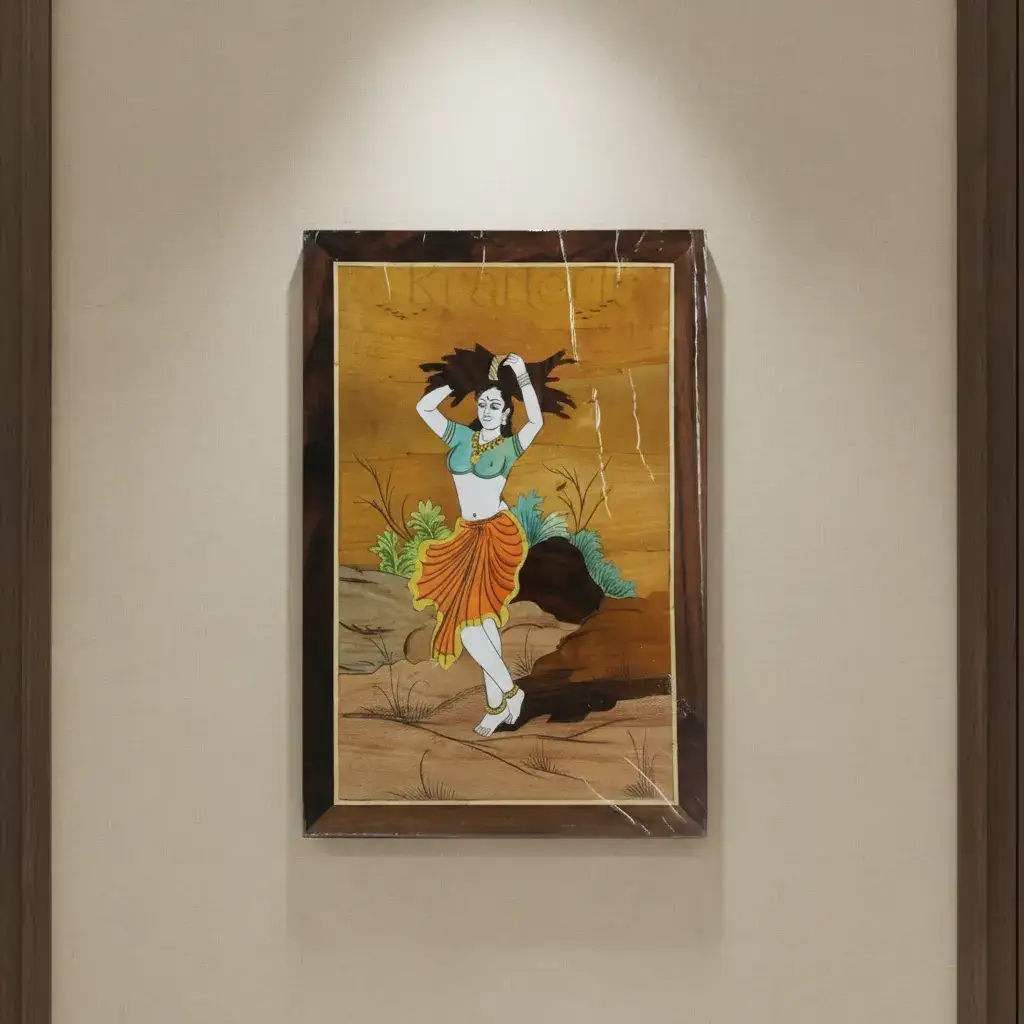
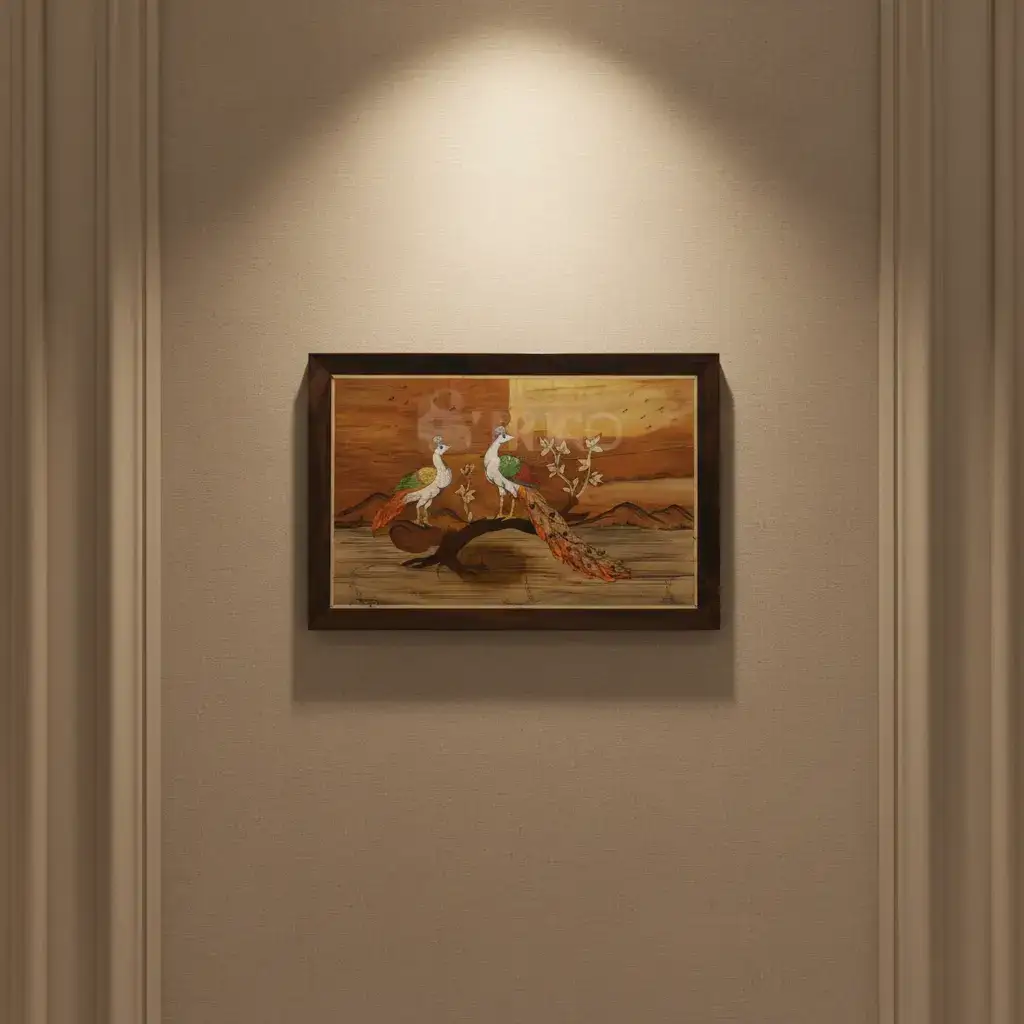
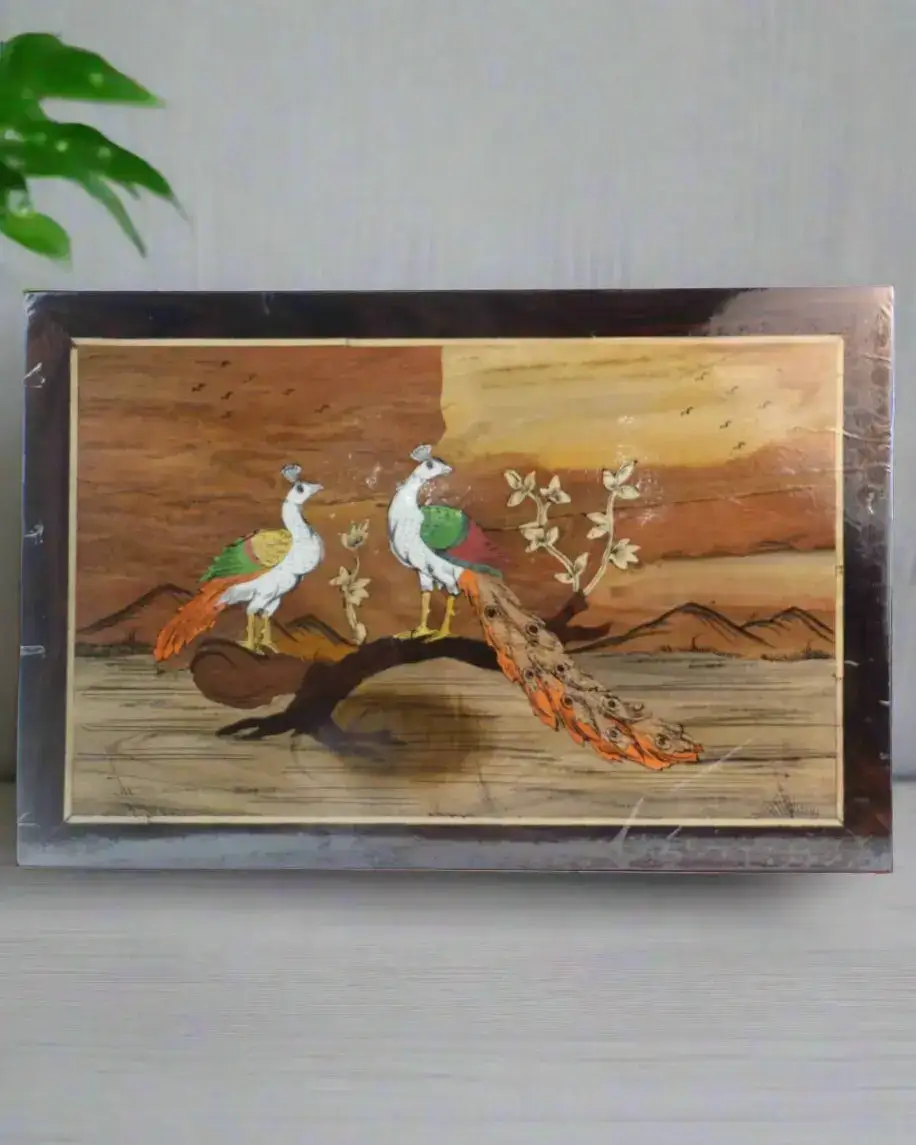
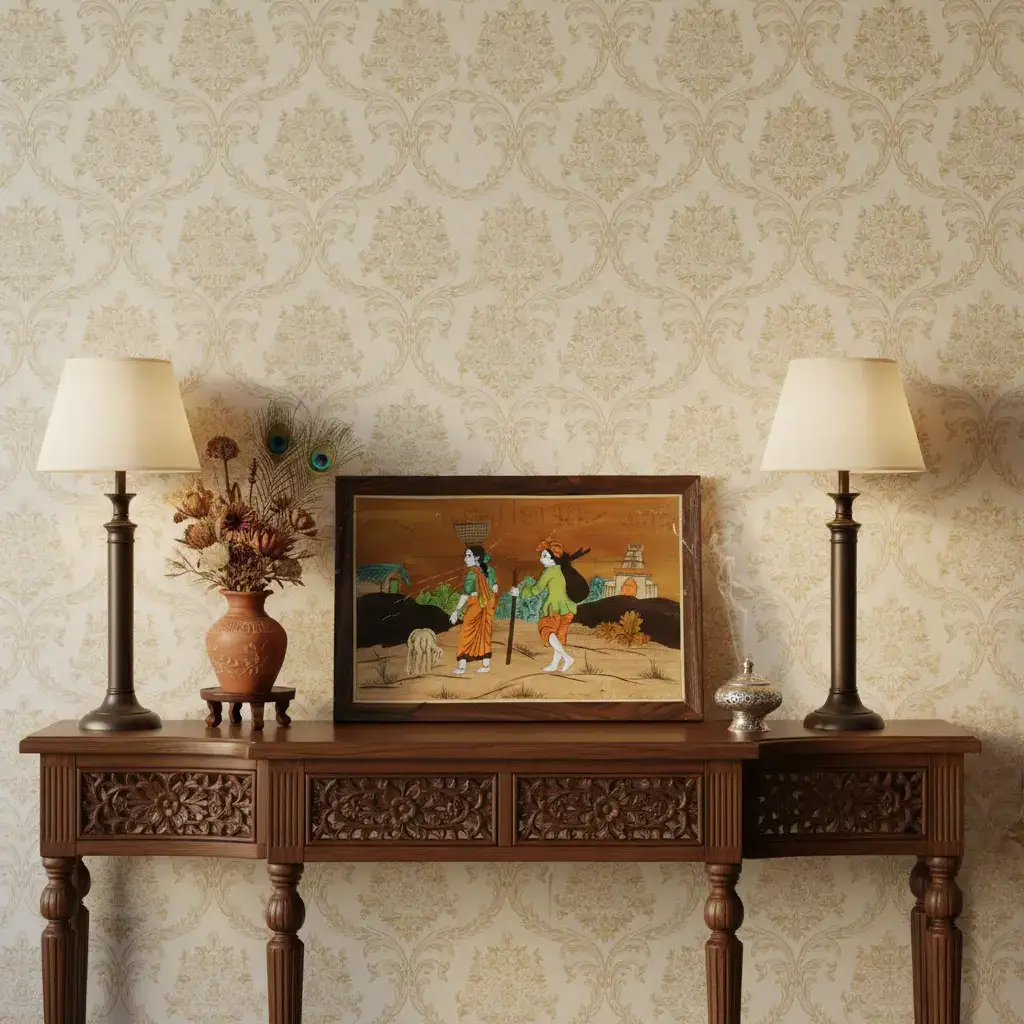
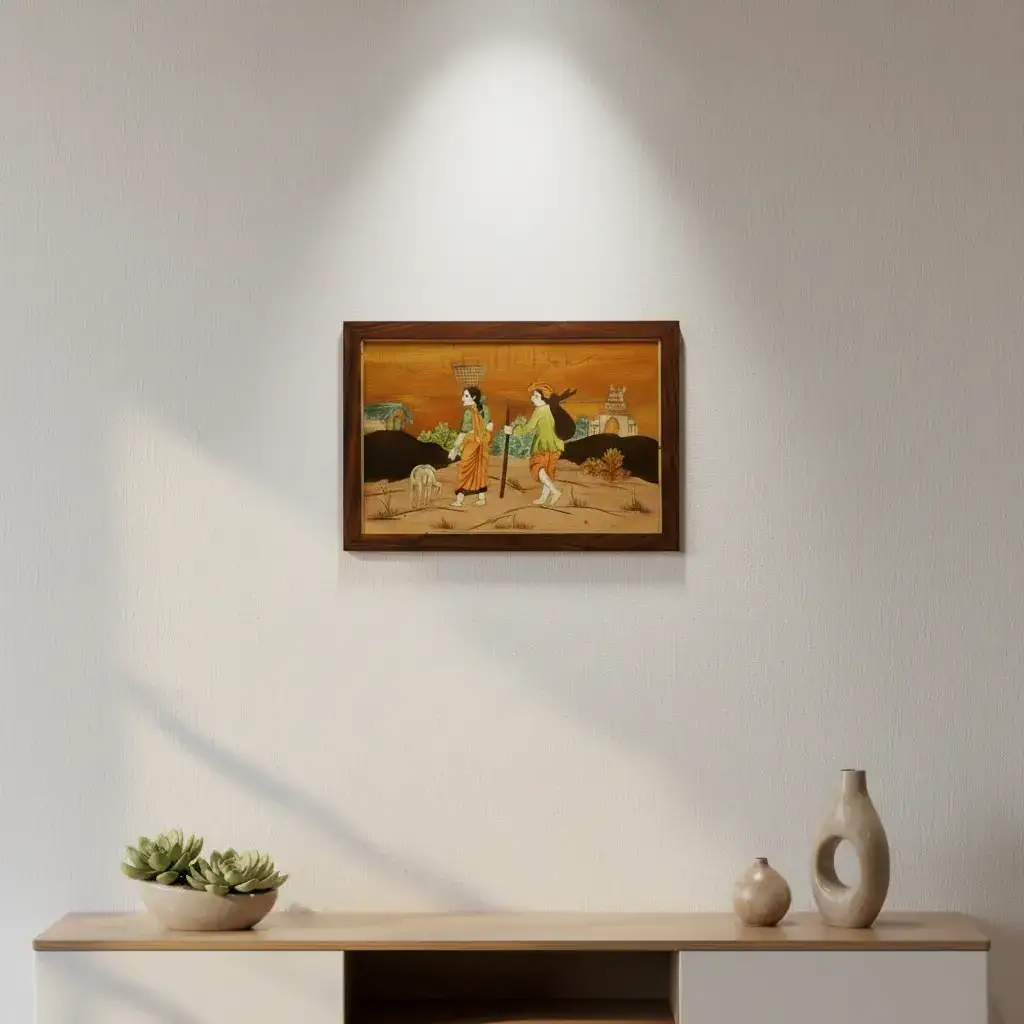
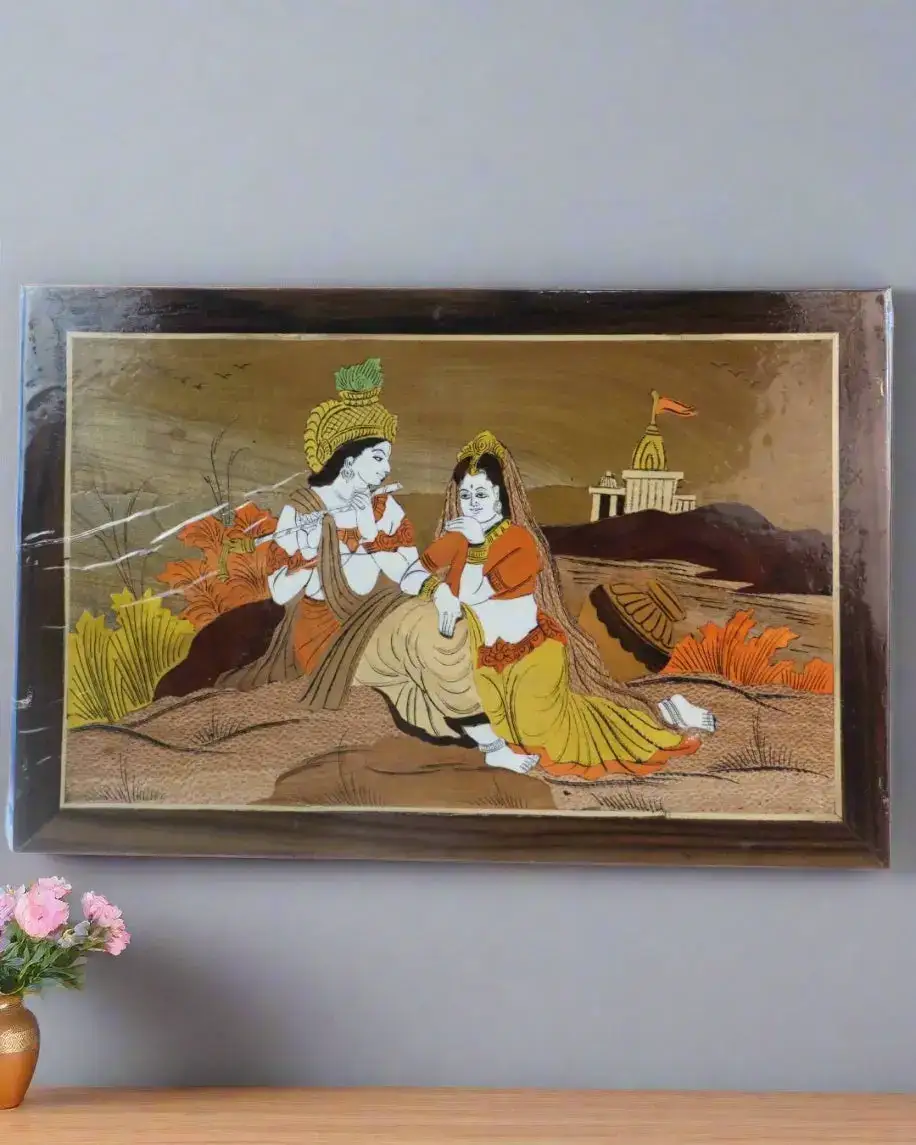
The exquisite Inlay Lakshmi Narasimha Swamy artwork is a prime example of Mysore rosewood inlay craftsmanship. This traditional craft from Karnataka stands as a testament to the region’s rich cultural and artistic heritage. It reflects centuries-old techniques, blending art with devotion. The influences of Persia add a unique dimension to this beautiful form.
The tradition of Mysore rosewood inlay dates back to the 18th century. It blossomed under the patronage of Tipu Sultan and the Wodeyar dynasty. These rulers encouraged artisans to create masterpieces that combined rosewood and ivory, thus enhancing the grandeur of their palaces. Srirangapatna emerged as a significant center for this art form.
The Art Form: Intricacies of Inlay Craftsmanship
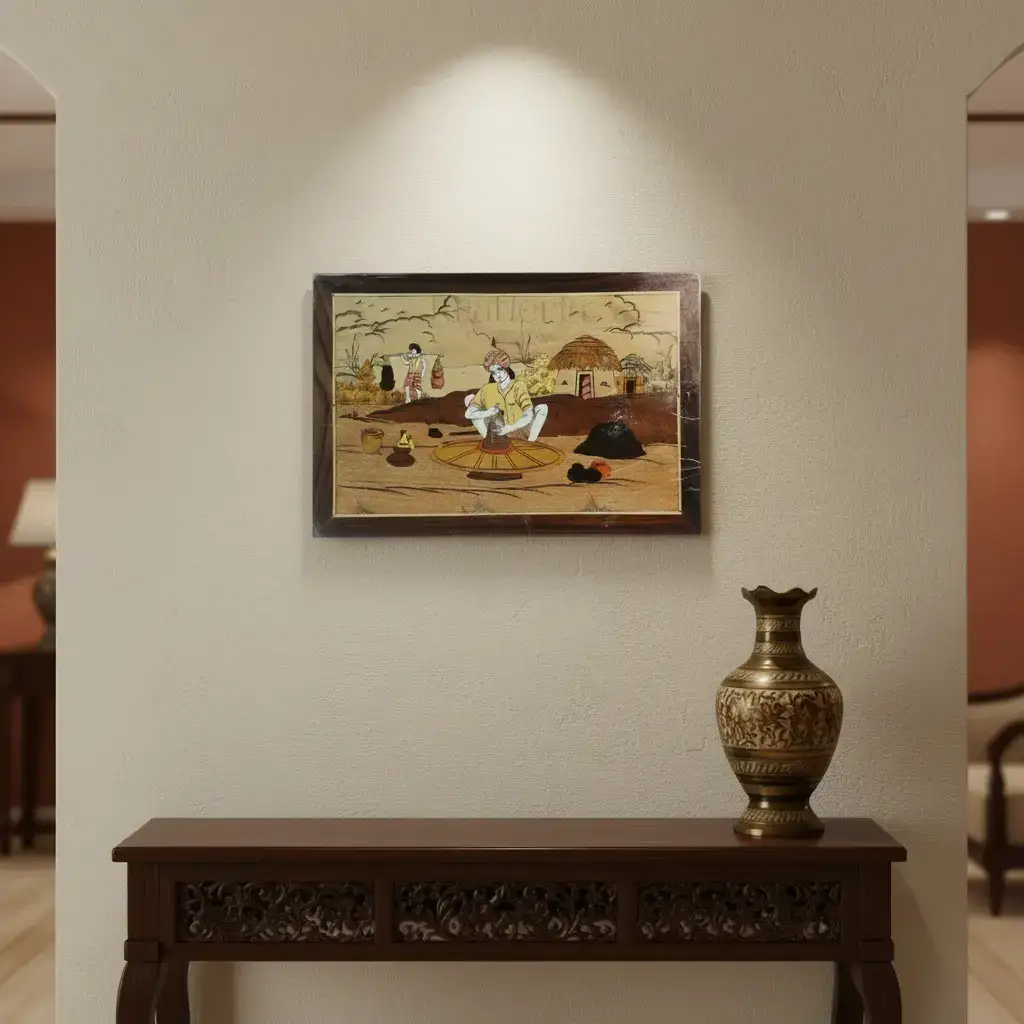
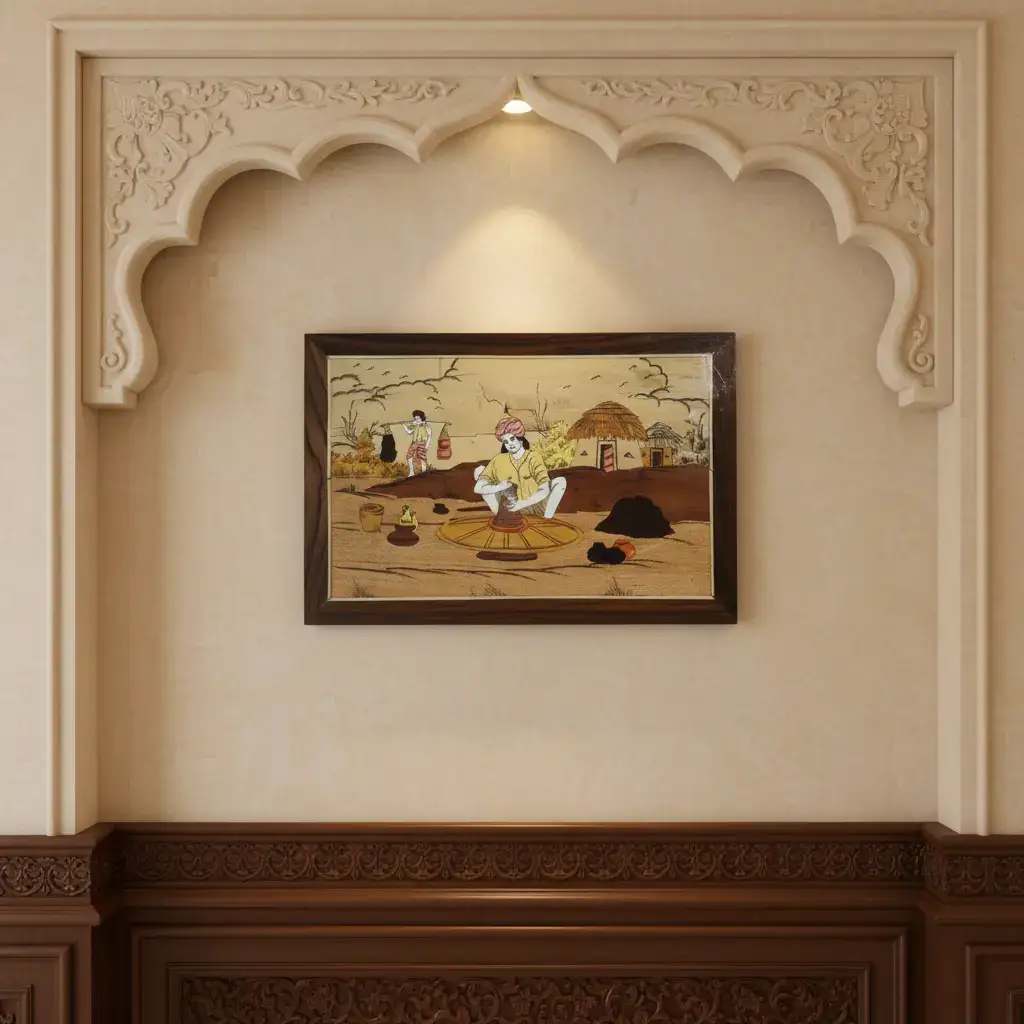
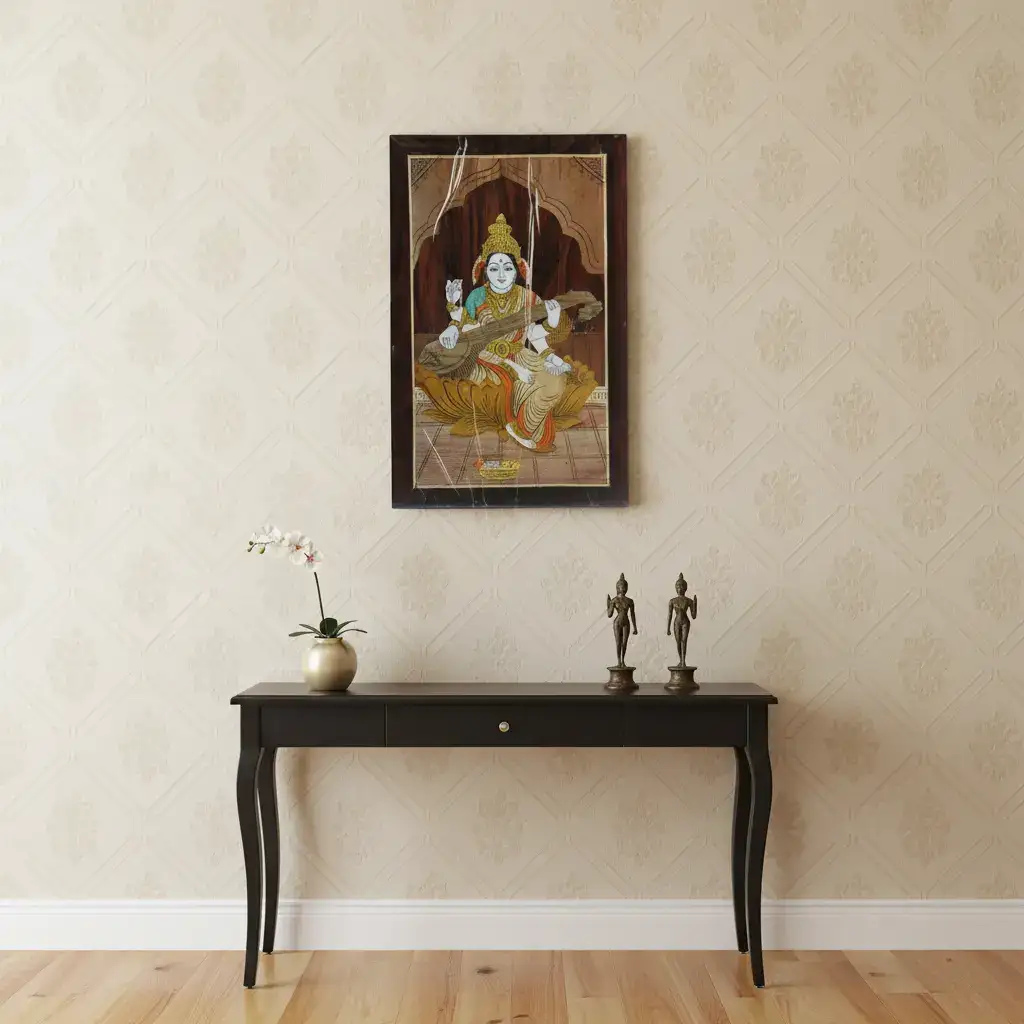
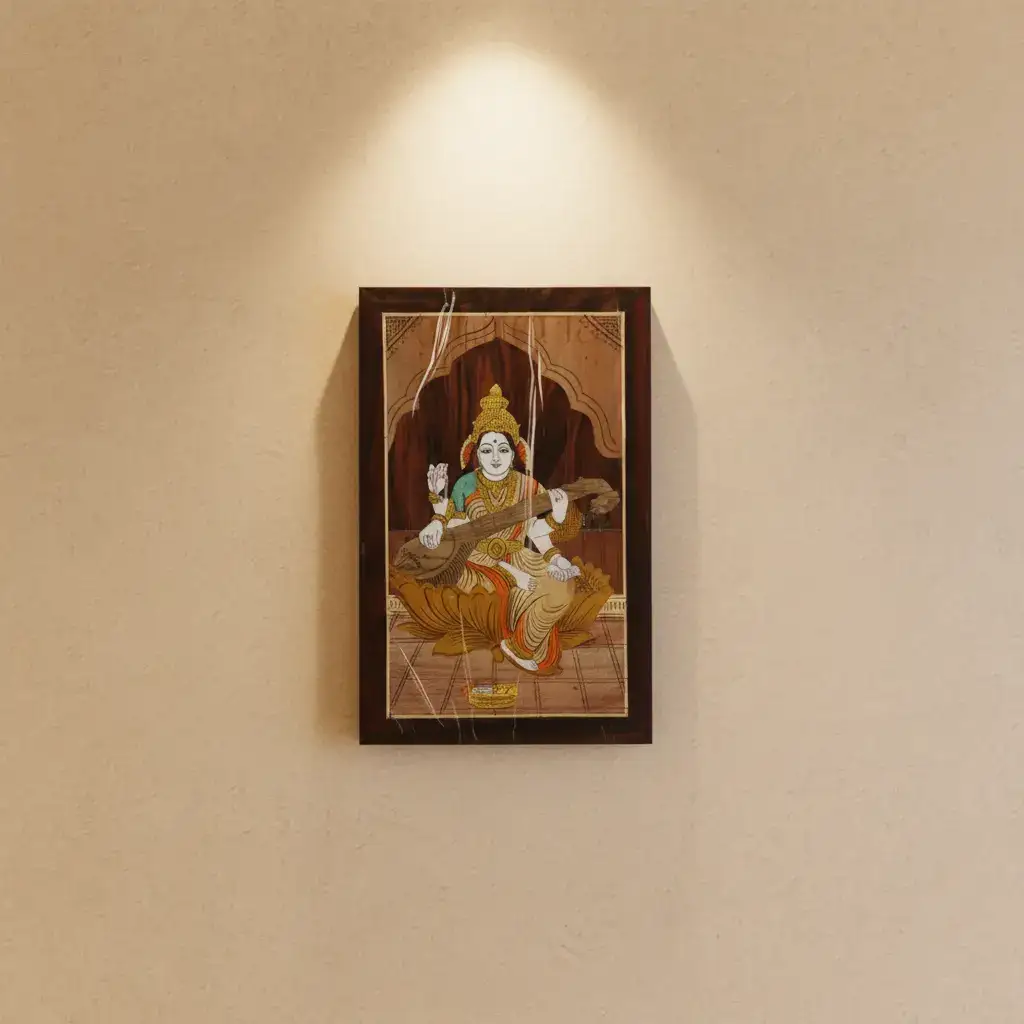
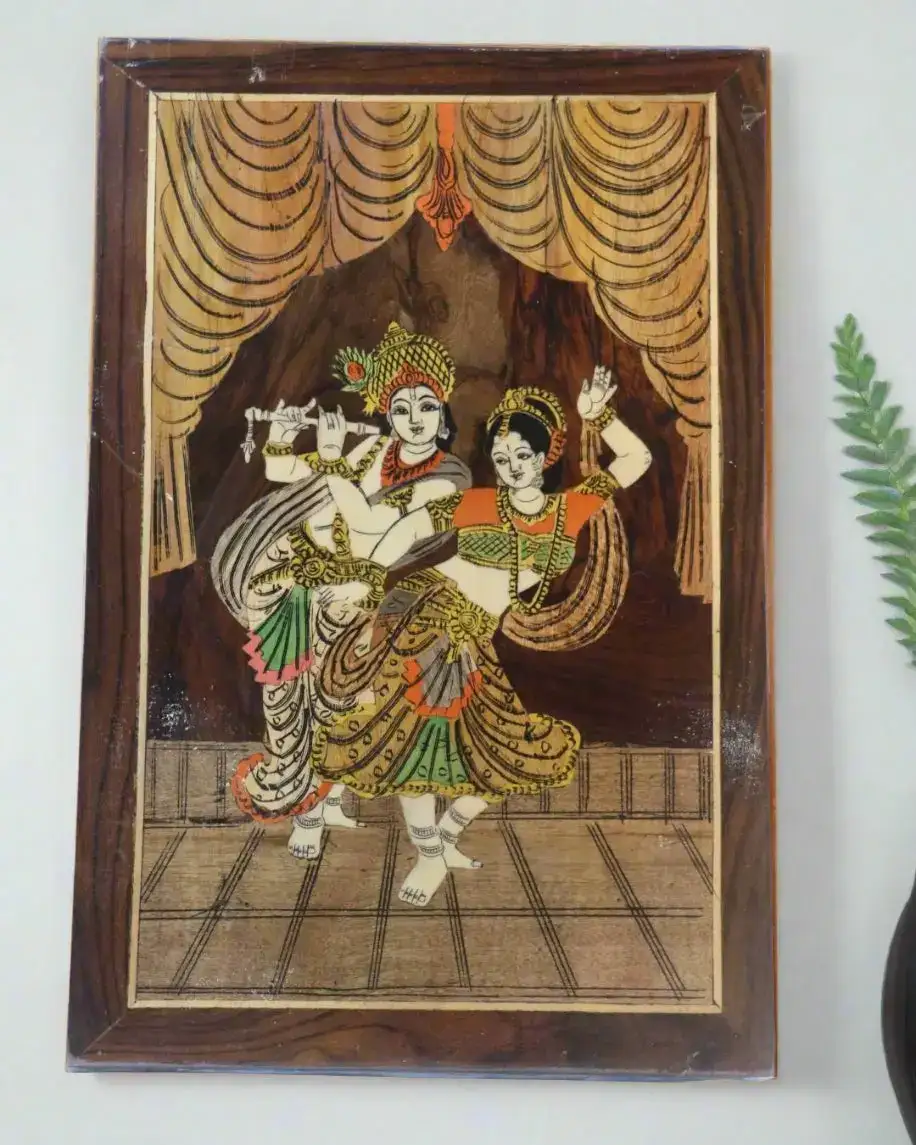
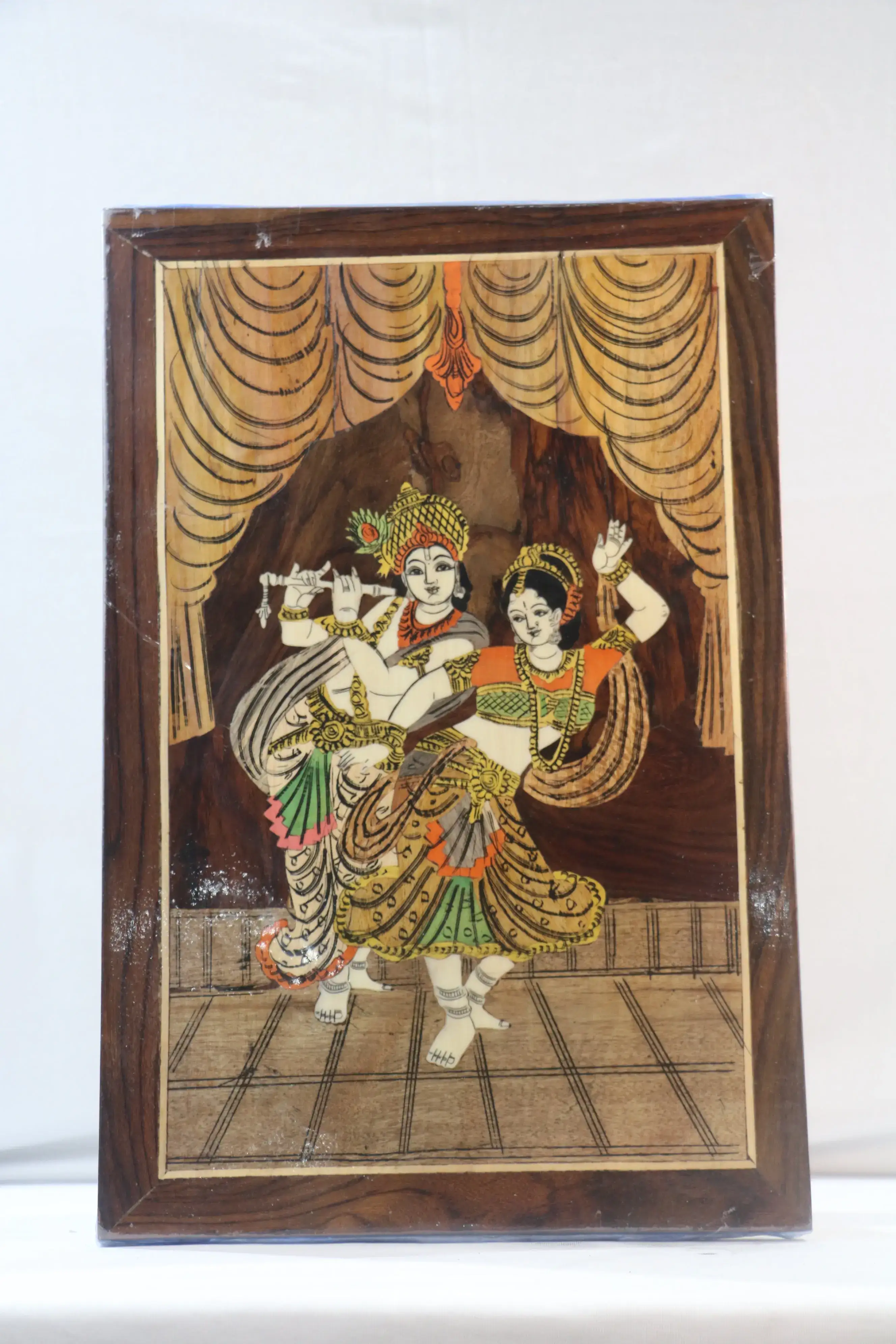
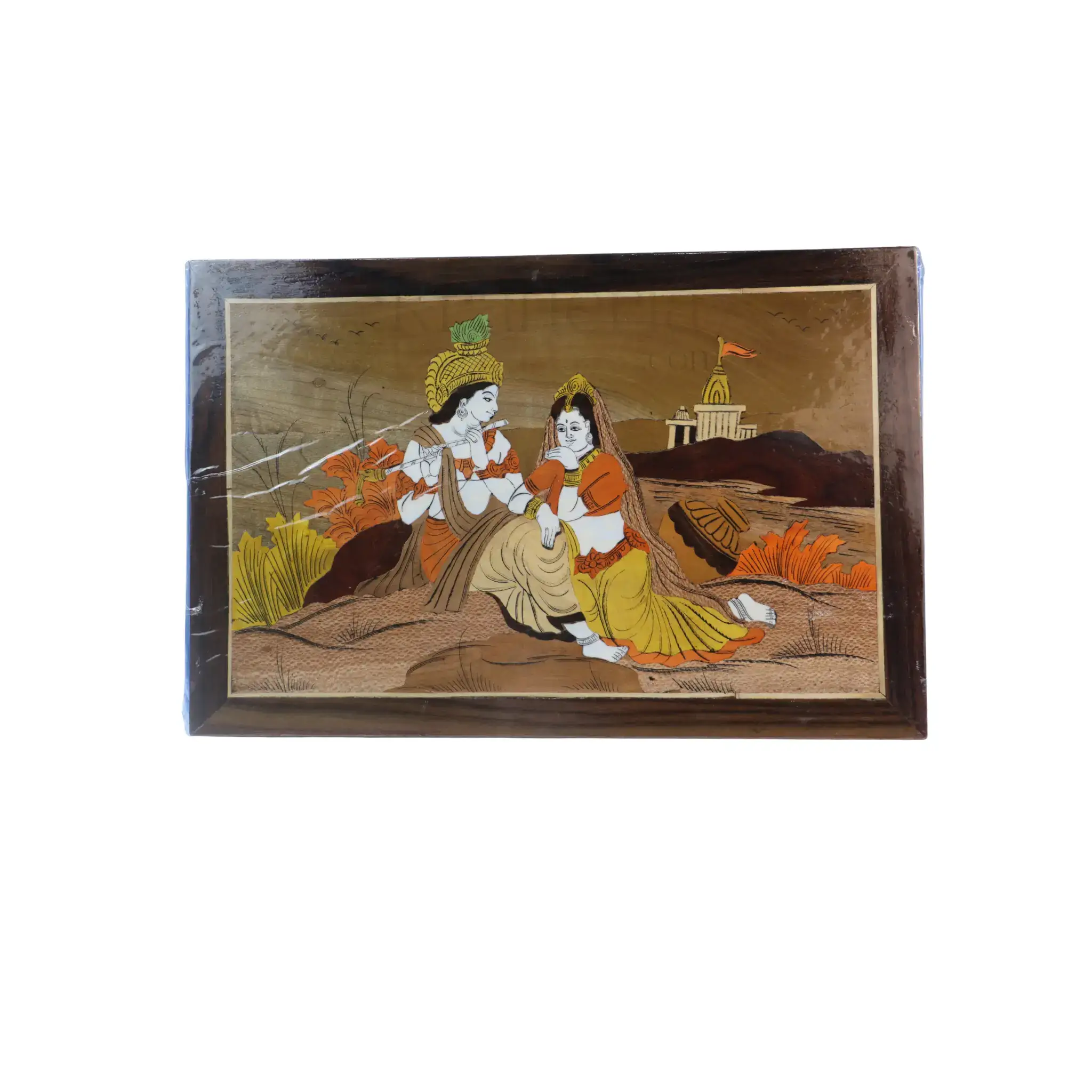
This craft involves embedding pieces of colored wood into a rosewood base. Artisans pay great attention to detail. Historically, ivory was also used to enhance the contrast. This technique creates intricate, delicate patterns that bring out divine images vividly.
The process demands precision and patience. Each tiny piece is carefully placed to form the divine depiction of Lord Narasimha and Goddess Lakshmi. This art represents not only creativity but also spiritual symbolism. It beautifully captures the essence of Lakmi’s blessings and Narasimha’s protection.
Historical Background and Patronage
The Narasimha Swamy art form has a deep historical context. It was nurtured and patronized by Mysore’s royal families. The Mysore Maharajas, known for their love of the arts, commissioned complex inlay works for the Mysore Palace. This encouraged artisans to push their creative boundaries. Their support helped preserve this delicate craft through generations.
During the reign of Tipu Sultan, artistic exchanges between Persia and South India enriched the inlay designs. As a result, the art evolved into a unique synthesis of styles and techniques. This historical blend makes the Inlay Lakshmi Narasimha Swamy highly valuable and admired worldwide today.
Modern Significance of Mysore Rosewood Inlay
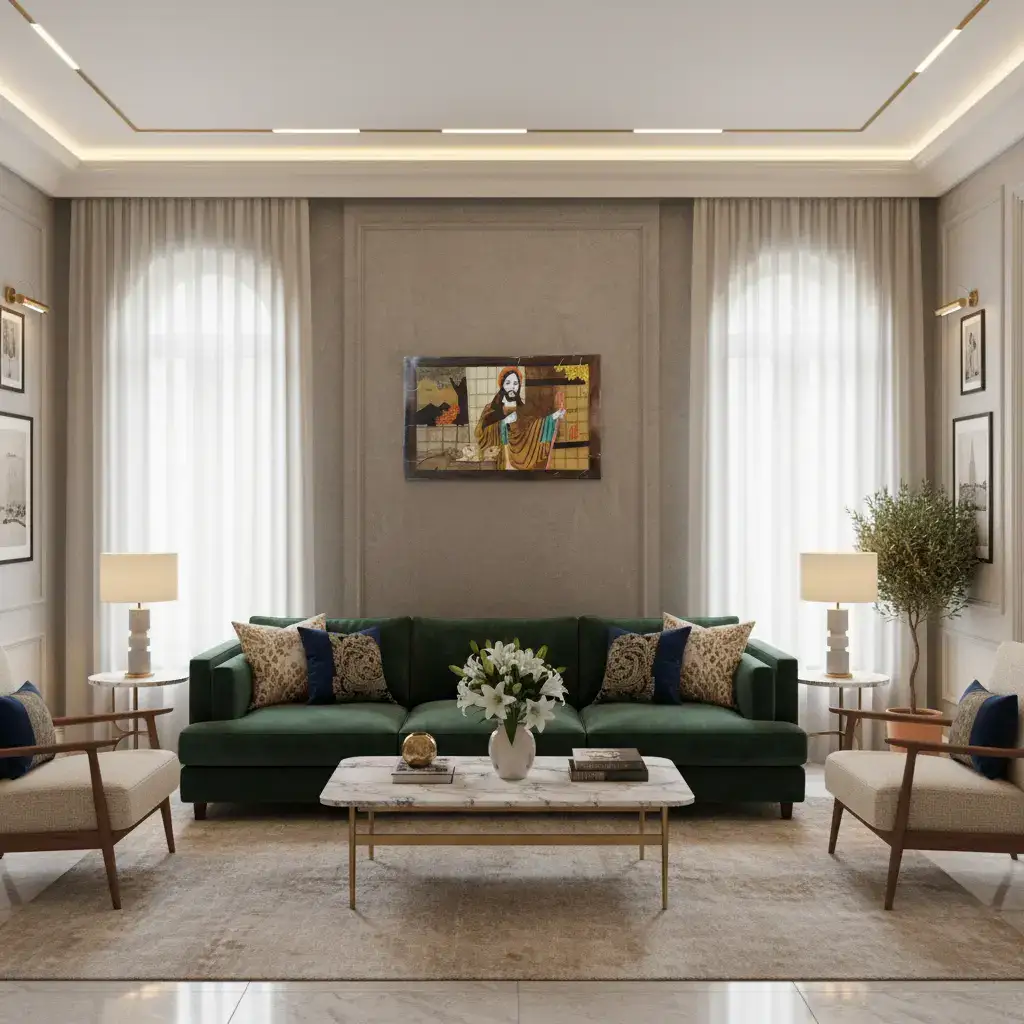
Today, Mysore rosewood inlay remains a significant cultural heritage of Karnataka. Artisans continue to create decorative items, furniture, and other ornamental objects using this traditional technique. The enduring appeal of this craft lies in its strong connection to spirituality and tradition. Pieces like the Inlay Lakshmi Narasimha Swamy are favored choices for pooja rooms and gifting.
This craft has garnered recognition beyond local boundaries. It received a Geographical Indication (GI) tag, which scientifically acknowledges its unique origin and superior quality. GI status protects this traditional art and enhances its global appeal. Collectors and devotees alike seek these handcrafted pieces for their authenticity and divine symbolism.
Spiritual and Cultural Importance
The Narasimha Swamy art holds deep spiritual meaning for many. Lord Narasimha is revered as a fierce protector, symbolizing courage and strength. Goddess Lakshmi complements this power by representing wealth and divine prosperity. Together, this artwork conveys a balance of protection and blessings that devotees cherish.
Having such a piece in homes or temples helps invoke positive energy. It fosters an atmosphere of peace, devotion, and spiritual growth. The detailed craftsmanship reminds admirers of the dedication and skill required to honor these deities properly. It also supports local artisans sustaining their ancestral craft.
Materials and Craftsmanship
The artwork uses natural rosewood as its base, chosen for its durability and rich texture. The inlay materials, including colored wood and sometimes ivory, create a striking contrast. Artisans meticulously embed these elements, ensuring each detail stands out clearly. The process reflects years of tradition and refined techniques.
Every piece goes through several stages, including designing, carving, inlaying, and polishing. This ensures a flawless finish that enhances the artwork’s beauty. The use of premium materials guarantees longevity, making this piece a treasured heirloom across generations.
Why Choose This Inlay Narasimha Swamy Art?
- Authentic Mysore rosewood inlay with historical roots and royal patronage.
- Depicts revered deities Narasimha and Lakshmi, symbolizing protection and prosperity.
- Crafted by skilled artisans using time-honored techniques.
- Recognized with a GI tag, ensuring genuine quality and origin.
- Perfect for spiritual spaces and as meaningful gifts.
This handcrafted Inlay Lakshmi Narasimha Swamy artwork is more than just decor. It embodies rich culture, artistic heritage, and deep spiritual values. By bringing this exquisite piece home, you support traditional craftsmanship and enhance your devotional environment with the blessings of Lakmi and Narasimha.
Original: $52.71
-70%$52.71
$15.81Product Information
Product Information
Shipping & Returns
Shipping & Returns
Description
Rosewood Inlay of Lord Lakshmi Narasimha Swamy – Handcrafted Devotional Art
The exquisite Inlay Lakshmi Narasimha Swamy artwork is a prime example of Mysore rosewood inlay craftsmanship. This traditional craft from Karnataka stands as a testament to the region’s rich cultural and artistic heritage. It reflects centuries-old techniques, blending art with devotion. The influences of Persia add a unique dimension to this beautiful form.
The tradition of Mysore rosewood inlay dates back to the 18th century. It blossomed under the patronage of Tipu Sultan and the Wodeyar dynasty. These rulers encouraged artisans to create masterpieces that combined rosewood and ivory, thus enhancing the grandeur of their palaces. Srirangapatna emerged as a significant center for this art form.
The Art Form: Intricacies of Inlay Craftsmanship
This craft involves embedding pieces of colored wood into a rosewood base. Artisans pay great attention to detail. Historically, ivory was also used to enhance the contrast. This technique creates intricate, delicate patterns that bring out divine images vividly.
The process demands precision and patience. Each tiny piece is carefully placed to form the divine depiction of Lord Narasimha and Goddess Lakshmi. This art represents not only creativity but also spiritual symbolism. It beautifully captures the essence of Lakmi’s blessings and Narasimha’s protection.
Historical Background and Patronage
The Narasimha Swamy art form has a deep historical context. It was nurtured and patronized by Mysore’s royal families. The Mysore Maharajas, known for their love of the arts, commissioned complex inlay works for the Mysore Palace. This encouraged artisans to push their creative boundaries. Their support helped preserve this delicate craft through generations.
During the reign of Tipu Sultan, artistic exchanges between Persia and South India enriched the inlay designs. As a result, the art evolved into a unique synthesis of styles and techniques. This historical blend makes the Inlay Lakshmi Narasimha Swamy highly valuable and admired worldwide today.
Modern Significance of Mysore Rosewood Inlay
Today, Mysore rosewood inlay remains a significant cultural heritage of Karnataka. Artisans continue to create decorative items, furniture, and other ornamental objects using this traditional technique. The enduring appeal of this craft lies in its strong connection to spirituality and tradition. Pieces like the Inlay Lakshmi Narasimha Swamy are favored choices for pooja rooms and gifting.
This craft has garnered recognition beyond local boundaries. It received a Geographical Indication (GI) tag, which scientifically acknowledges its unique origin and superior quality. GI status protects this traditional art and enhances its global appeal. Collectors and devotees alike seek these handcrafted pieces for their authenticity and divine symbolism.
Spiritual and Cultural Importance
The Narasimha Swamy art holds deep spiritual meaning for many. Lord Narasimha is revered as a fierce protector, symbolizing courage and strength. Goddess Lakshmi complements this power by representing wealth and divine prosperity. Together, this artwork conveys a balance of protection and blessings that devotees cherish.
Having such a piece in homes or temples helps invoke positive energy. It fosters an atmosphere of peace, devotion, and spiritual growth. The detailed craftsmanship reminds admirers of the dedication and skill required to honor these deities properly. It also supports local artisans sustaining their ancestral craft.
Materials and Craftsmanship
The artwork uses natural rosewood as its base, chosen for its durability and rich texture. The inlay materials, including colored wood and sometimes ivory, create a striking contrast. Artisans meticulously embed these elements, ensuring each detail stands out clearly. The process reflects years of tradition and refined techniques.
Every piece goes through several stages, including designing, carving, inlaying, and polishing. This ensures a flawless finish that enhances the artwork’s beauty. The use of premium materials guarantees longevity, making this piece a treasured heirloom across generations.
Why Choose This Inlay Narasimha Swamy Art?
- Authentic Mysore rosewood inlay with historical roots and royal patronage.
- Depicts revered deities Narasimha and Lakshmi, symbolizing protection and prosperity.
- Crafted by skilled artisans using time-honored techniques.
- Recognized with a GI tag, ensuring genuine quality and origin.
- Perfect for spiritual spaces and as meaningful gifts.
This handcrafted Inlay Lakshmi Narasimha Swamy artwork is more than just decor. It embodies rich culture, artistic heritage, and deep spiritual values. By bringing this exquisite piece home, you support traditional craftsmanship and enhance your devotional environment with the blessings of Lakmi and Narasimha.