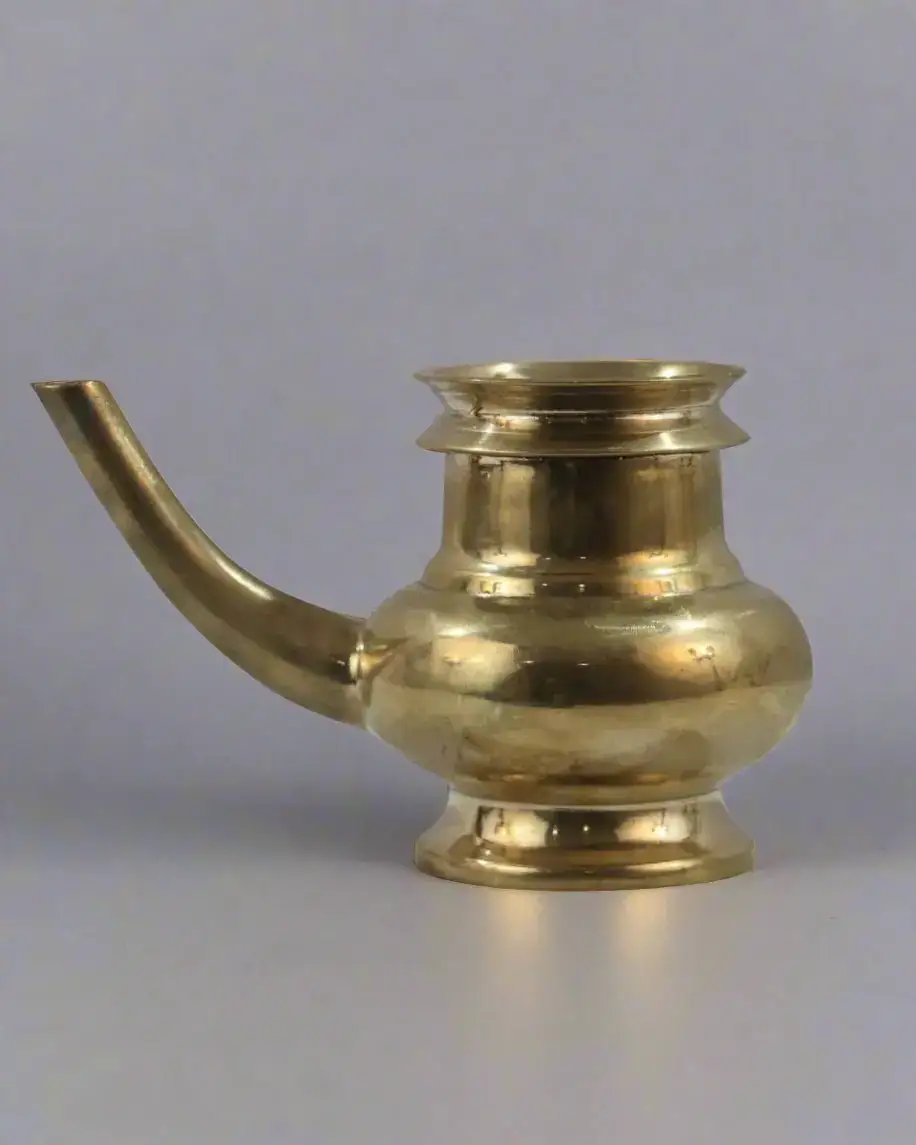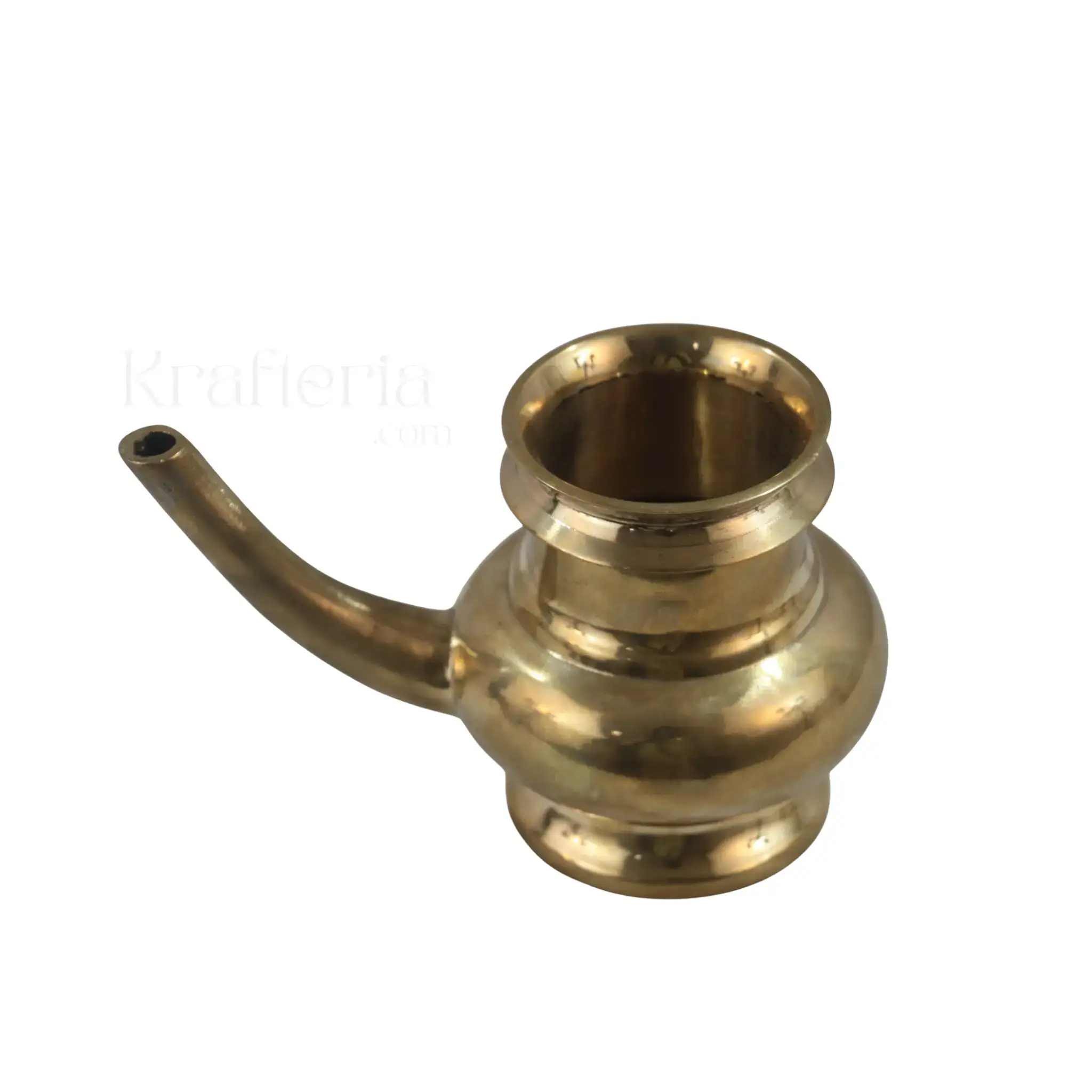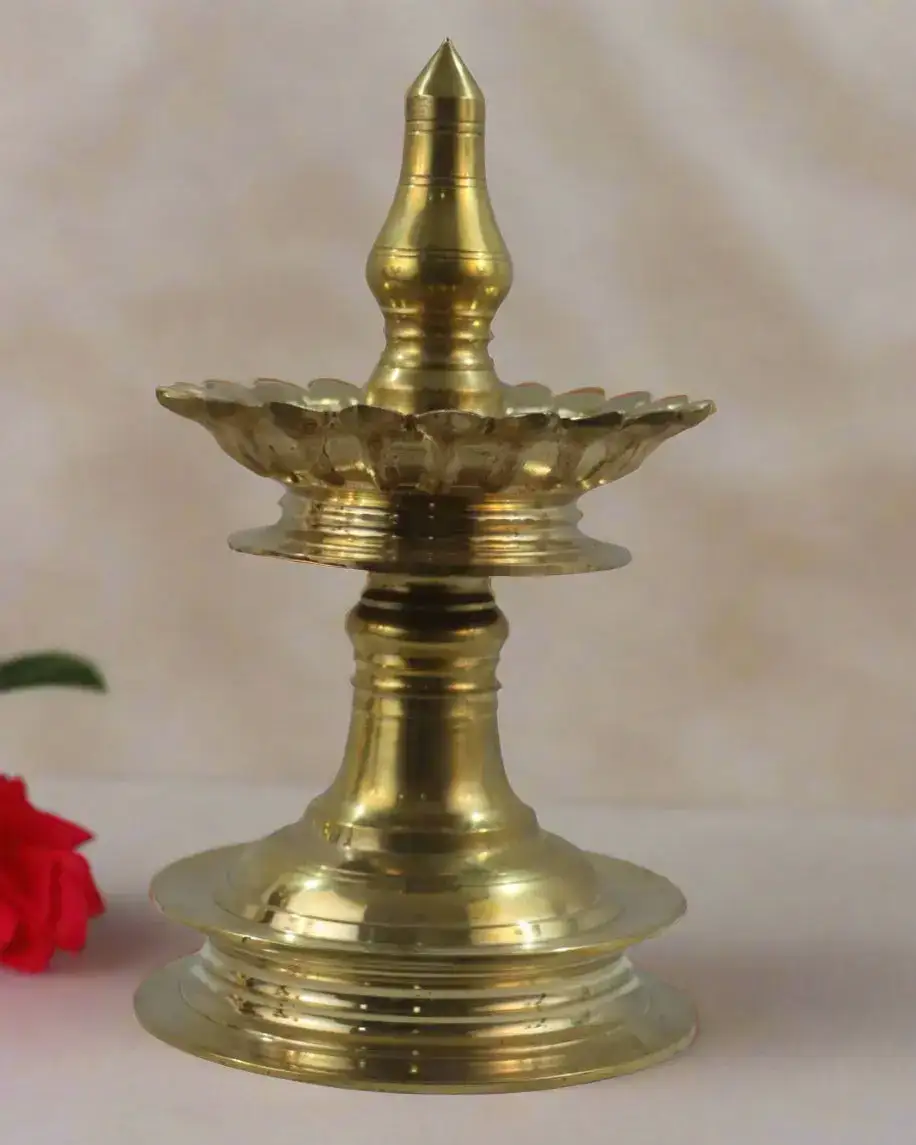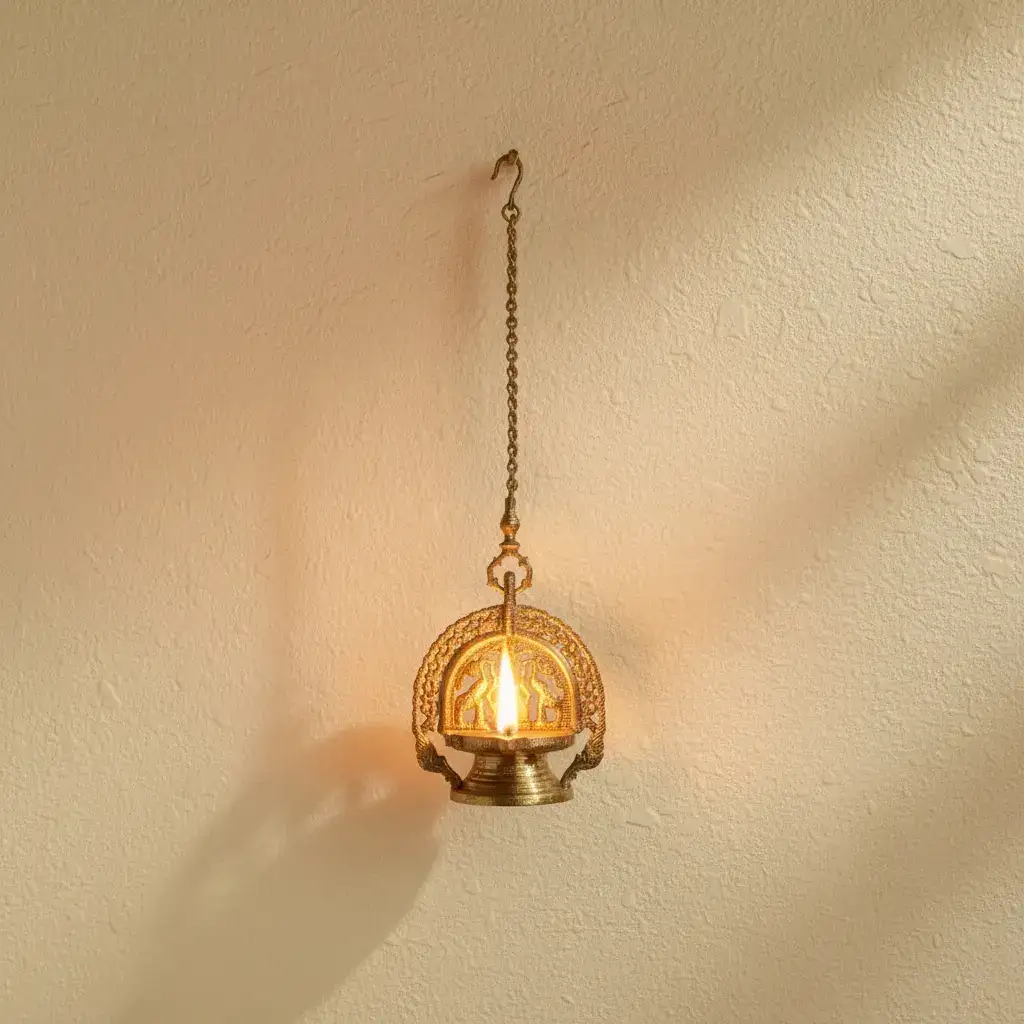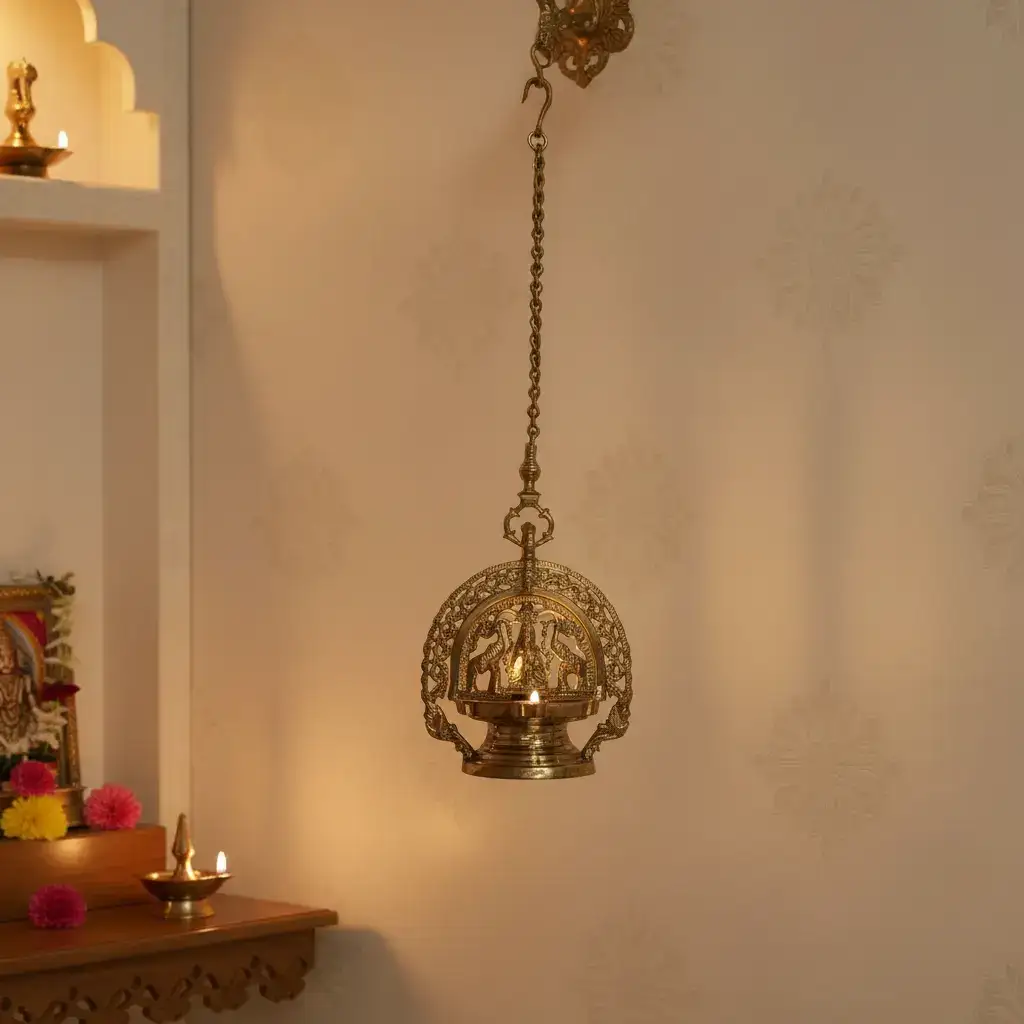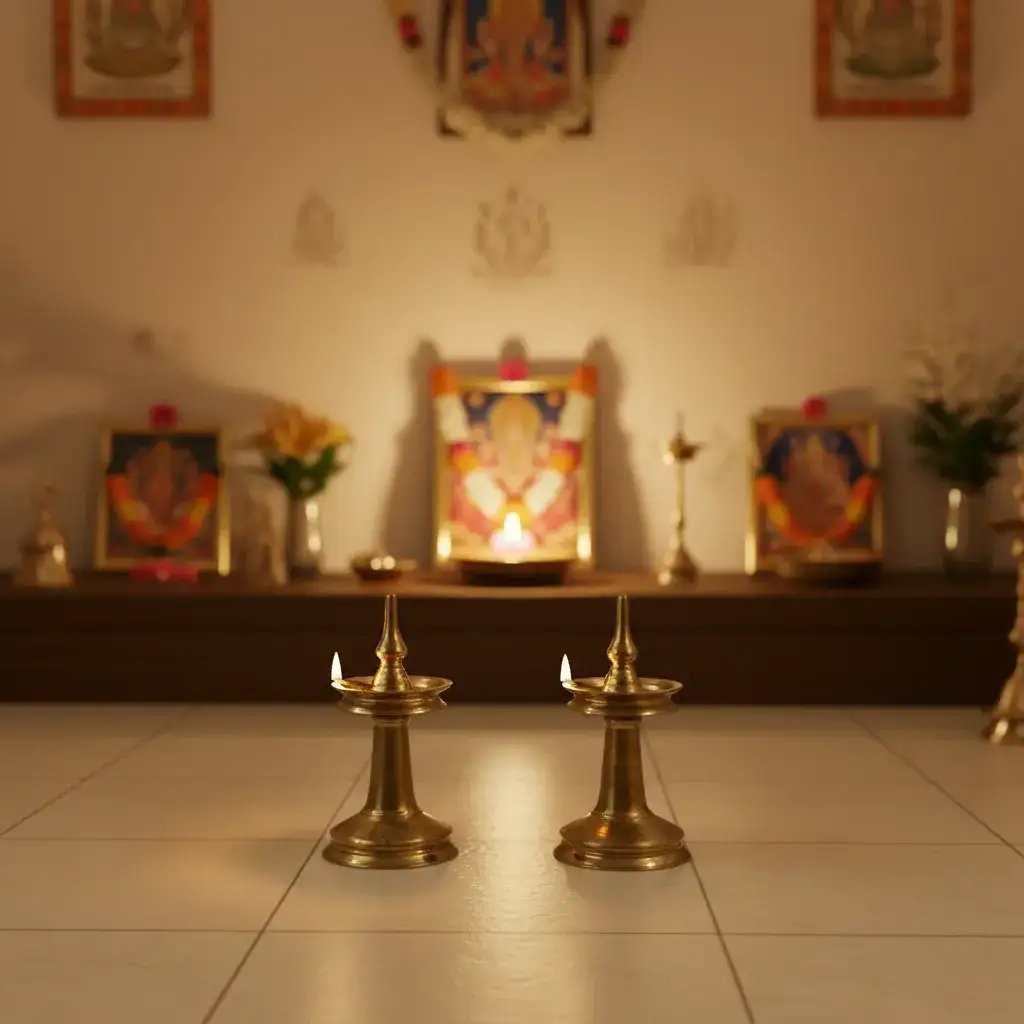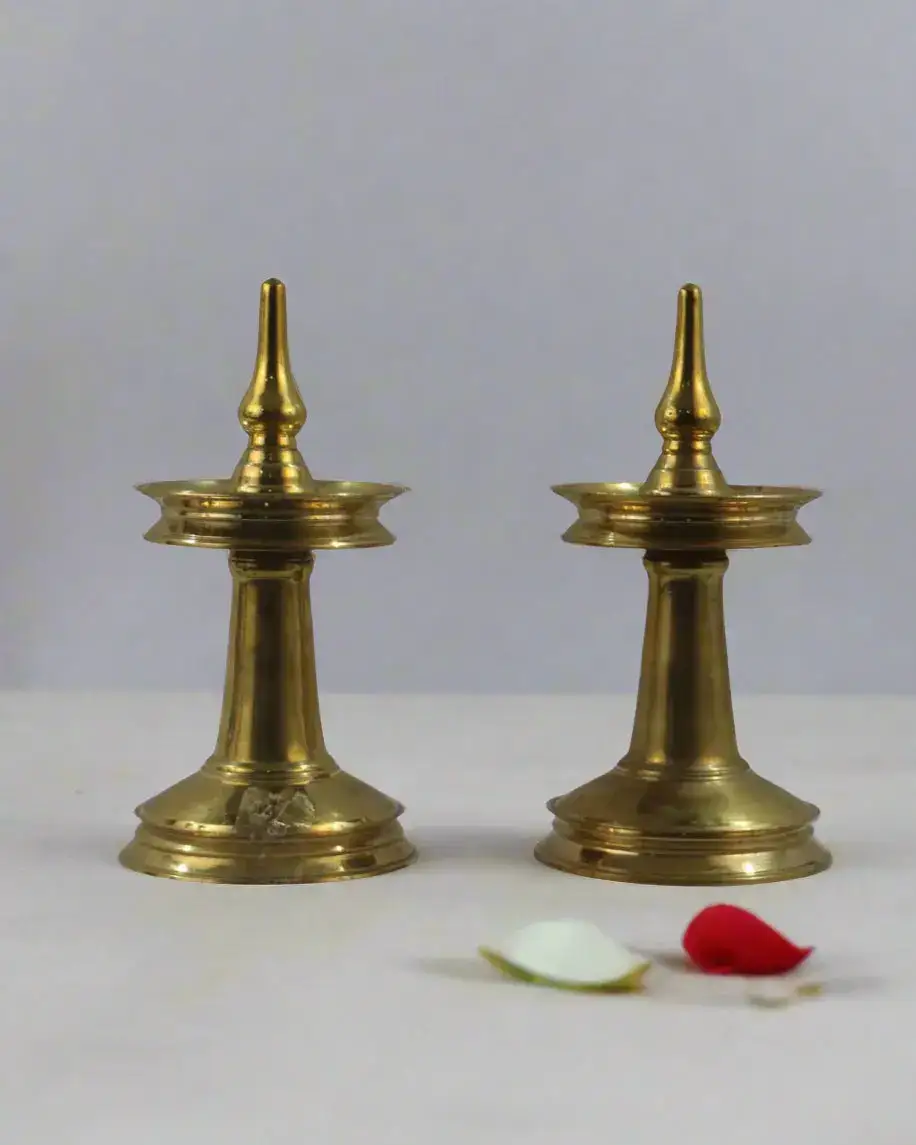
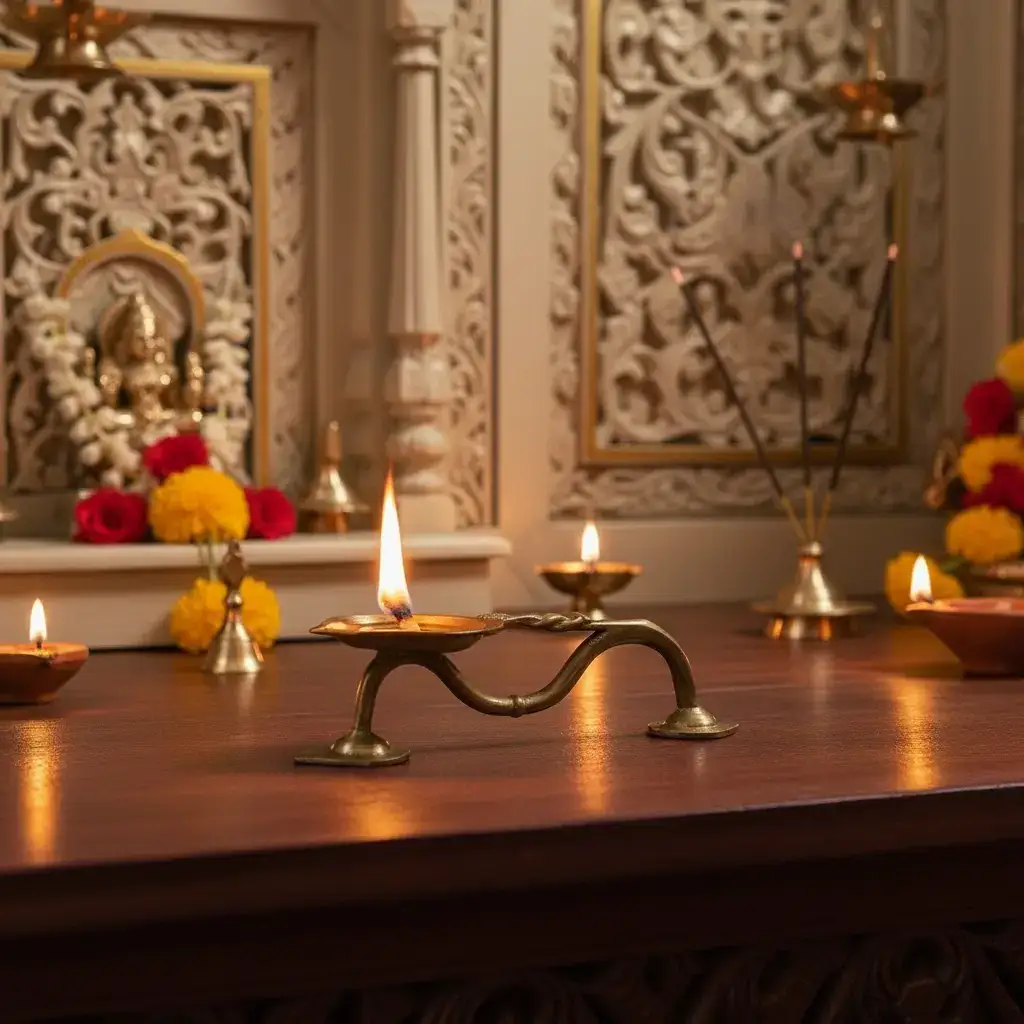
Handcrafted Bronze Harati Stand – Perfect for Pooja
Bronze Harathi Stand
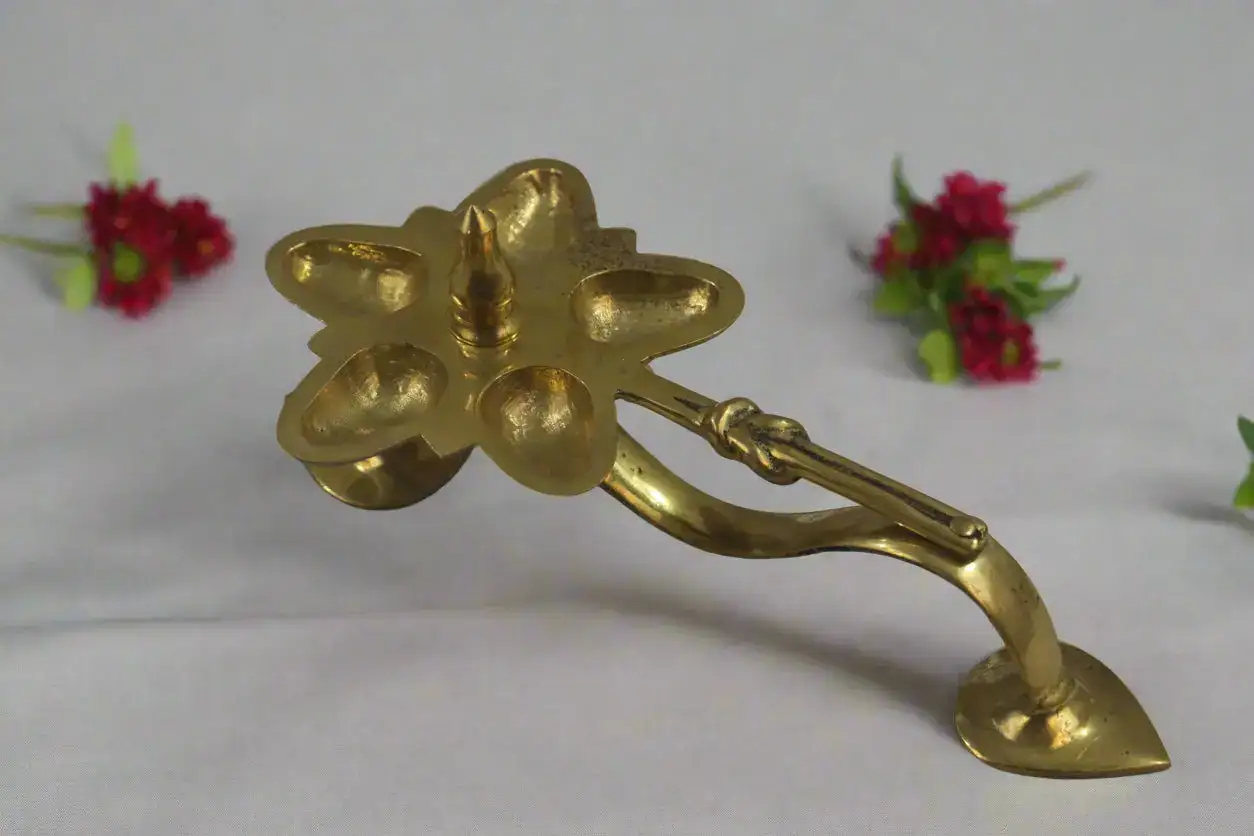
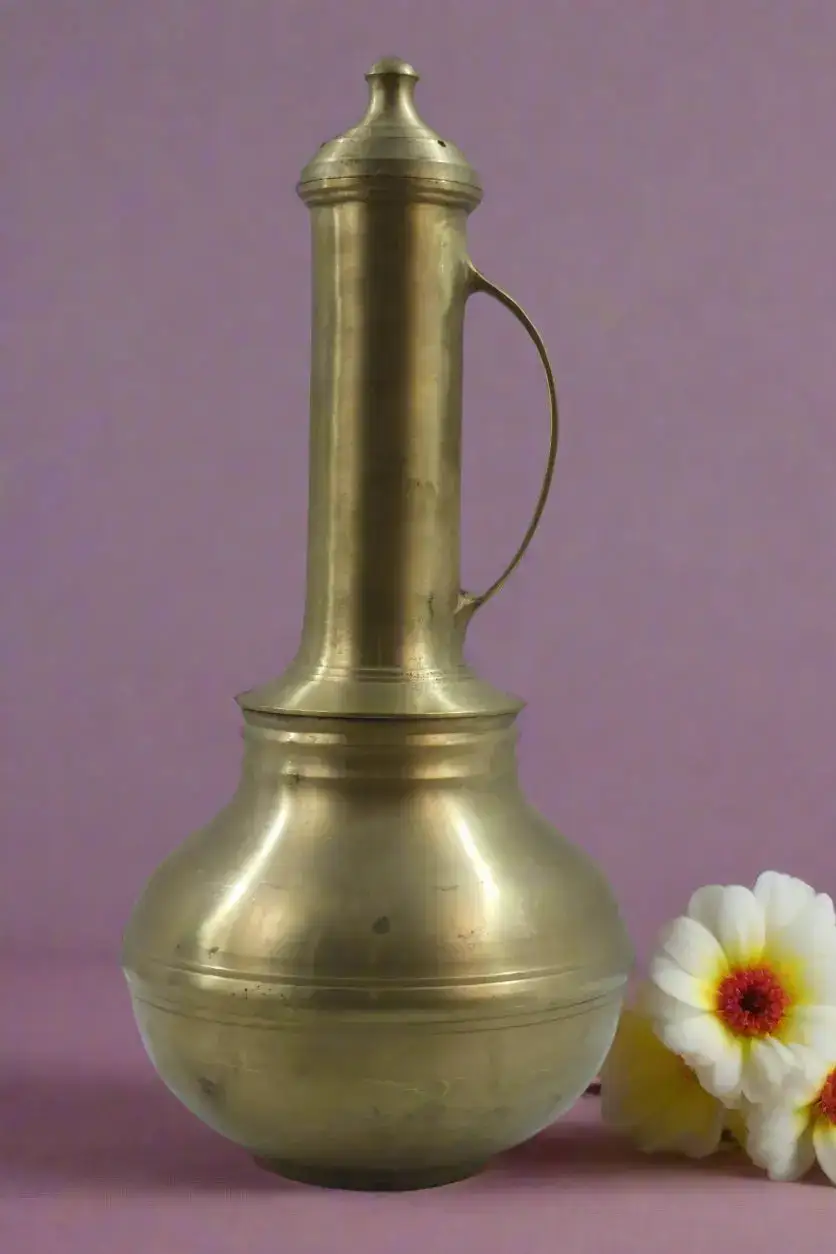
Kerala Bronze Harati Stand artwork is a timeless expression of the state’s rich spiritual and artistic heritage. Rooted in centuries-old traditions, this form of metal craftsmanship is best known for its creation of religious idols, ritual lamps, and ceremonial objects. These are all made using the ancient lost-wax casting technique, a meticulous process that ensures every detail is preserved. The bronze sculptures of Kerala are characterized by their graceful forms, intricate detailing, and adherence to the iconographic guidelines of the Shilpa Shastra, the classical Indian treatise on art and sculpture.
Artistry and Significance of the Bronze Harati Stand
The Bronze Harati Stand symbolizes devotion and artistry. These masterpieces often depict deities from Hindu mythology, such as Lord Vishnu, Shiva, and Devi. They show lifelike expressions and symbolic postures with deep religious meaning. Each artwork reflects sincere artistic devotion and spiritual intent. The smooth finish, harmonious proportions, and ornamental intricacy make every piece a work of devotion and art.
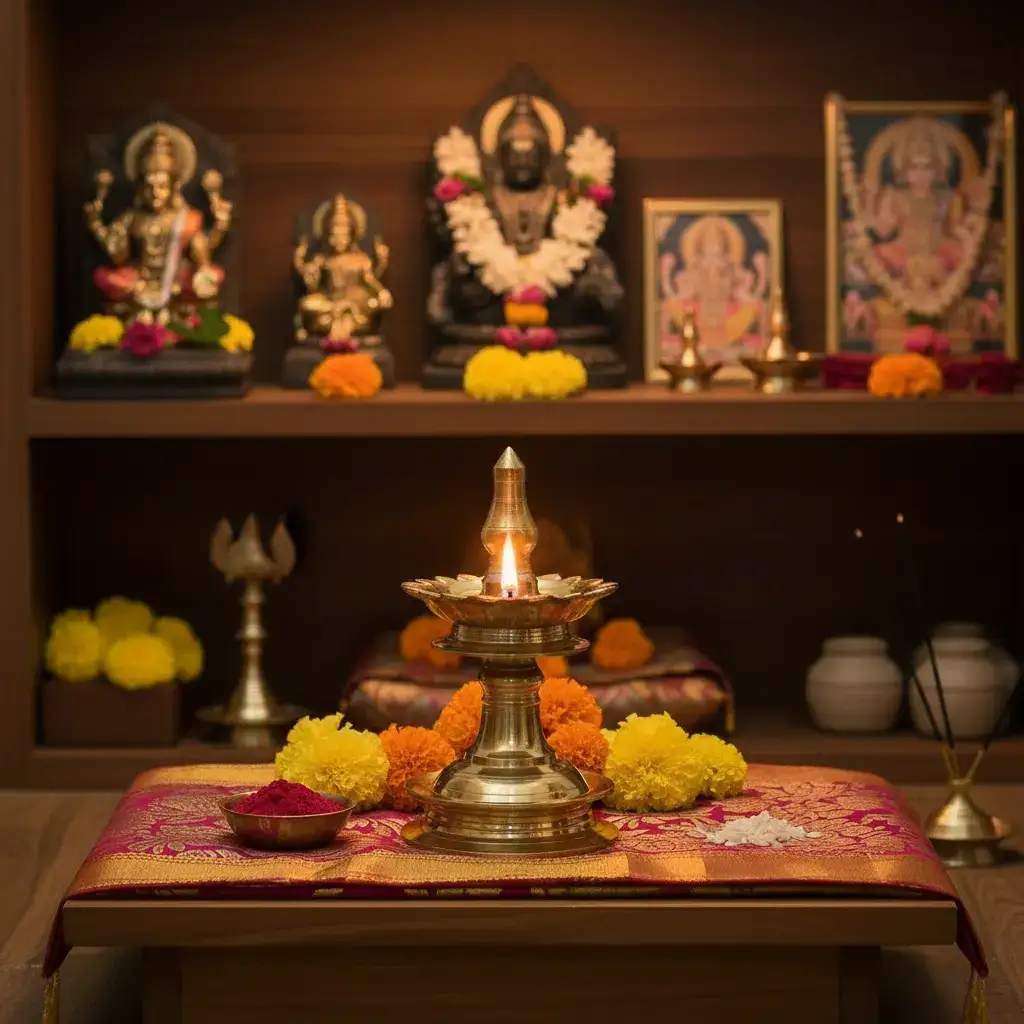
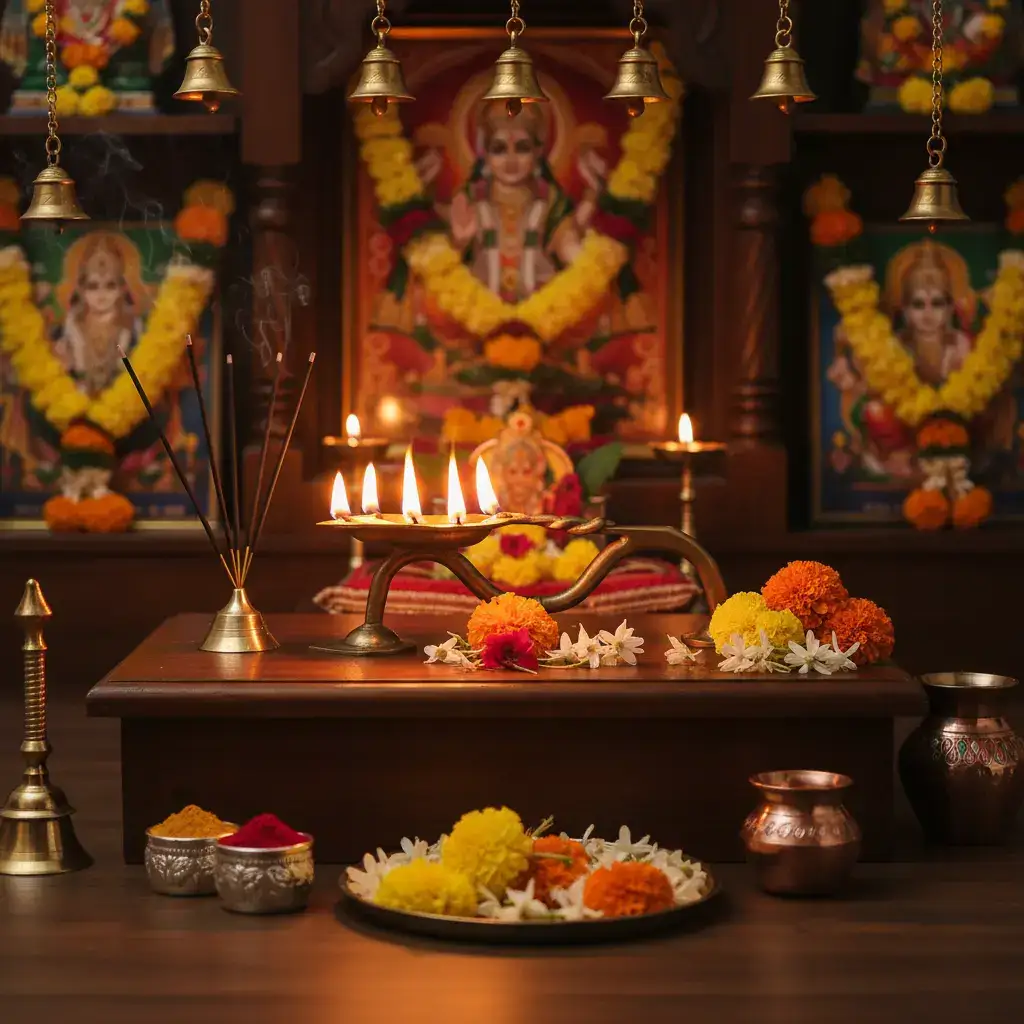
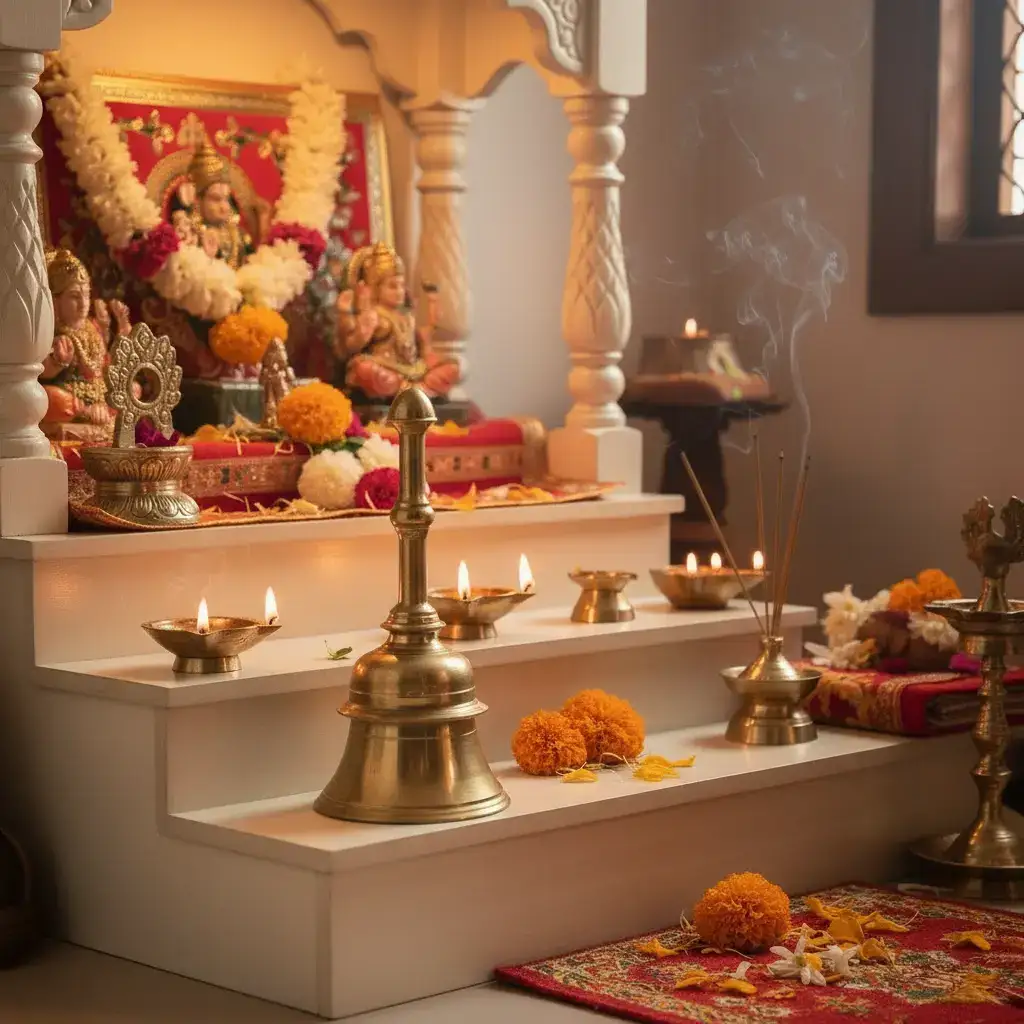
Used in daily rituals, the aarti stand plays a key role in performing ceremonies. It holds camphor, sambrani, or small diyas during worship. The material used in crafting the stand is durable and heat-resistant, making it safe for repeated use. This blend of utility and symbolism adds to its significance in temple and home pooja settings.
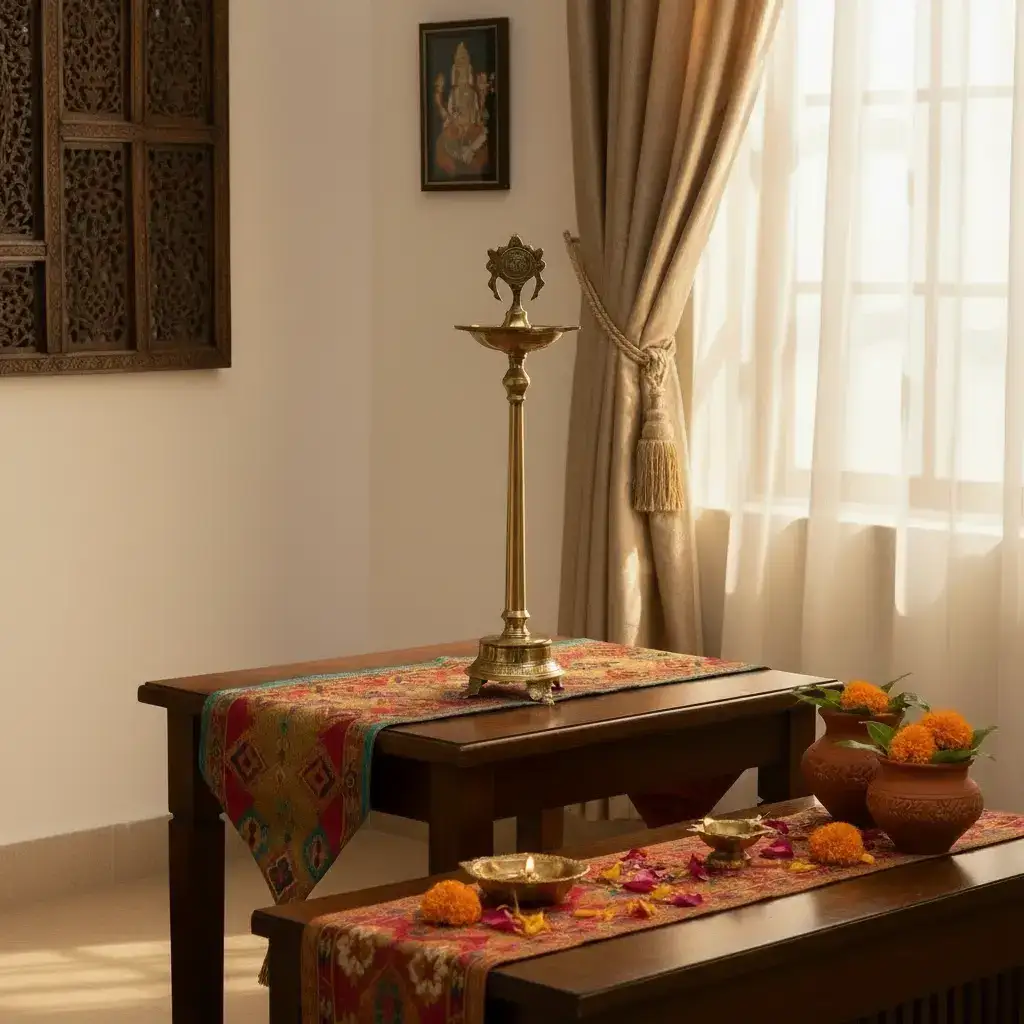
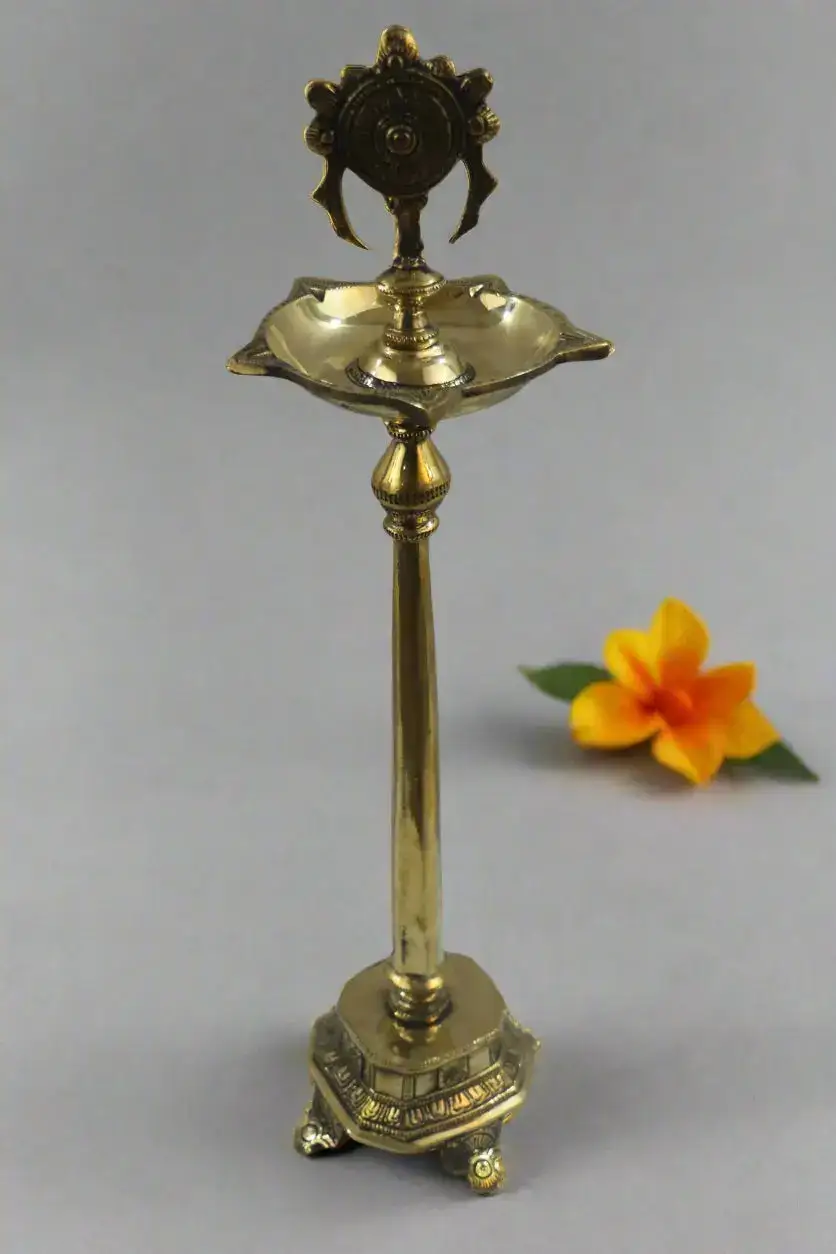
Beyond idols, Kerala artisans craft traditional lamps like the Nilavilakku. These lamps are culturally and spiritually important in daily rituals and temple worship. Each item is handcrafted with careful attention to detail. This results in a perfect blend of functional utility, symbolism, and aesthetic beauty cherished by worshippers.
Traditional Craftsmanship in Regions Known for the Harathi Stand
The legacy of the artwork is preserved through generations of skilled artisans. These craftsmen predominantly belong to regions like Thrissur, Payyanur, and Kottayam. Here, traditional techniques meet contemporary adaptations. This combination ensures the legacy of sacred artistry remains both alive and evolving. These regions remain vital centers where the harathi stand continues as a cherished cultural symbol.
Kerala artisans are committed to preserving the authenticity of their craft. Using the time-honored lost-wax casting technique, every stand undergoes a process that demands precision and patience. The artisans follow guidelines from the Shilpa Shastra, guaranteeing that the symbolism and proportions are accurate. This reverence for tradition results in stunning pieces with unmatched quality and beauty.
Materials and Making of the Harati Stand
The choice of bronze as the primary material is significant. Bronze is favored for its durability, natural heat resistance, and ability to hold fine details. These qualities make it ideal for pooja accessories like the aarti stand. The handcrafted nature of each piece means no two are exactly alike. This uniqueness adds value to the artwork and enhances its spiritual worth.
The lost-wax casting method is intricately involved. It begins with a detailed wax model representing the final stand. This model is covered in clay to form a mold. When heated, the wax melts away, allowing molten metal to take its place. After cooling, the clay is broken to reveal the sculpture, which is then meticulously polished and finished.
The Cultural Importance of the Bronze Harati Stand
The Bronze Harati Stand is more than a decorative item. It is vital in the aarti, a ritual that offers light to deities. The stand holds the flame safely while devotees wave it in circular motions. This act symbolizes dispelling darkness and ignorance. The harathi stand thus becomes a focal point in many religious ceremonies.
Its presence in temples and home altars connects worshippers with centuries of spiritual tradition. The combination of artistic beauty and ritual function makes the stand a meaningful object. It embodies faith, culture, and artisan skill, making it highly valued by collectors and spiritual practitioners alike.
Care and Maintenance of Your Harati Stand
Proper care ensures the longevity and beauty of the stand. Regular cleaning with a soft cloth removes dust and maintains its shine. Avoid harsh chemicals that might damage the patina. Polishing once in a while can help retain its lustrous finish. By doing this, the stand remains a cherished heirloom for years to come.
Whether for daily pooja or festive occasions, this handcrafted artifact enriches worship spaces. It holds a sacred place in Kerala’s artistic landscape as well as in the hearts of devotees. Owning a Bronze Harati Stand means embracing the rich heritage and spiritual depth of traditional Indian culture.
Original: $32.27
-70%$32.27
$9.68Product Information
Product Information
Shipping & Returns
Shipping & Returns
Description
Bronze Harathi Stand
Kerala Bronze Harati Stand artwork is a timeless expression of the state’s rich spiritual and artistic heritage. Rooted in centuries-old traditions, this form of metal craftsmanship is best known for its creation of religious idols, ritual lamps, and ceremonial objects. These are all made using the ancient lost-wax casting technique, a meticulous process that ensures every detail is preserved. The bronze sculptures of Kerala are characterized by their graceful forms, intricate detailing, and adherence to the iconographic guidelines of the Shilpa Shastra, the classical Indian treatise on art and sculpture.
Artistry and Significance of the Bronze Harati Stand
The Bronze Harati Stand symbolizes devotion and artistry. These masterpieces often depict deities from Hindu mythology, such as Lord Vishnu, Shiva, and Devi. They show lifelike expressions and symbolic postures with deep religious meaning. Each artwork reflects sincere artistic devotion and spiritual intent. The smooth finish, harmonious proportions, and ornamental intricacy make every piece a work of devotion and art.
Used in daily rituals, the aarti stand plays a key role in performing ceremonies. It holds camphor, sambrani, or small diyas during worship. The material used in crafting the stand is durable and heat-resistant, making it safe for repeated use. This blend of utility and symbolism adds to its significance in temple and home pooja settings.
Beyond idols, Kerala artisans craft traditional lamps like the Nilavilakku. These lamps are culturally and spiritually important in daily rituals and temple worship. Each item is handcrafted with careful attention to detail. This results in a perfect blend of functional utility, symbolism, and aesthetic beauty cherished by worshippers.
Traditional Craftsmanship in Regions Known for the Harathi Stand
The legacy of the artwork is preserved through generations of skilled artisans. These craftsmen predominantly belong to regions like Thrissur, Payyanur, and Kottayam. Here, traditional techniques meet contemporary adaptations. This combination ensures the legacy of sacred artistry remains both alive and evolving. These regions remain vital centers where the harathi stand continues as a cherished cultural symbol.
Kerala artisans are committed to preserving the authenticity of their craft. Using the time-honored lost-wax casting technique, every stand undergoes a process that demands precision and patience. The artisans follow guidelines from the Shilpa Shastra, guaranteeing that the symbolism and proportions are accurate. This reverence for tradition results in stunning pieces with unmatched quality and beauty.
Materials and Making of the Harati Stand
The choice of bronze as the primary material is significant. Bronze is favored for its durability, natural heat resistance, and ability to hold fine details. These qualities make it ideal for pooja accessories like the aarti stand. The handcrafted nature of each piece means no two are exactly alike. This uniqueness adds value to the artwork and enhances its spiritual worth.
The lost-wax casting method is intricately involved. It begins with a detailed wax model representing the final stand. This model is covered in clay to form a mold. When heated, the wax melts away, allowing molten metal to take its place. After cooling, the clay is broken to reveal the sculpture, which is then meticulously polished and finished.
The Cultural Importance of the Bronze Harati Stand
The Bronze Harati Stand is more than a decorative item. It is vital in the aarti, a ritual that offers light to deities. The stand holds the flame safely while devotees wave it in circular motions. This act symbolizes dispelling darkness and ignorance. The harathi stand thus becomes a focal point in many religious ceremonies.
Its presence in temples and home altars connects worshippers with centuries of spiritual tradition. The combination of artistic beauty and ritual function makes the stand a meaningful object. It embodies faith, culture, and artisan skill, making it highly valued by collectors and spiritual practitioners alike.
Care and Maintenance of Your Harati Stand
Proper care ensures the longevity and beauty of the stand. Regular cleaning with a soft cloth removes dust and maintains its shine. Avoid harsh chemicals that might damage the patina. Polishing once in a while can help retain its lustrous finish. By doing this, the stand remains a cherished heirloom for years to come.
Whether for daily pooja or festive occasions, this handcrafted artifact enriches worship spaces. It holds a sacred place in Kerala’s artistic landscape as well as in the hearts of devotees. Owning a Bronze Harati Stand means embracing the rich heritage and spiritual depth of traditional Indian culture.