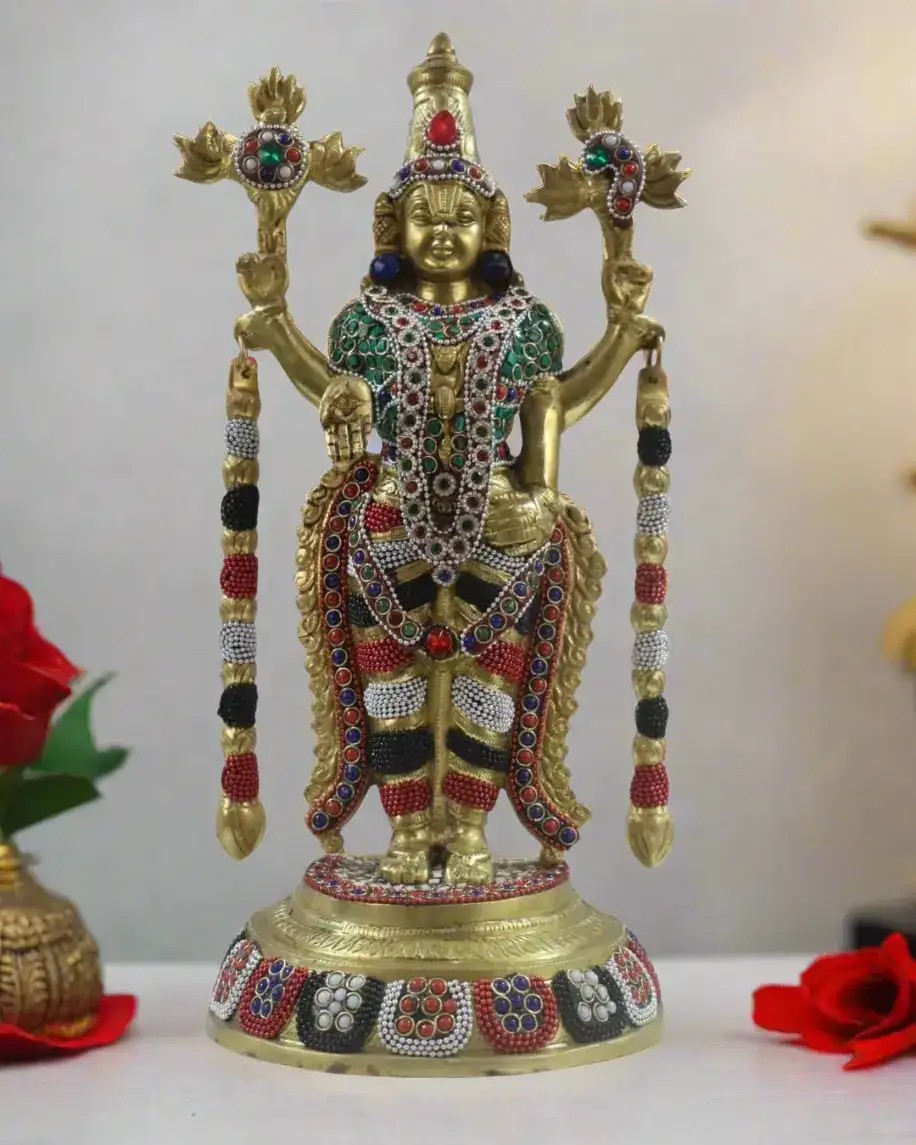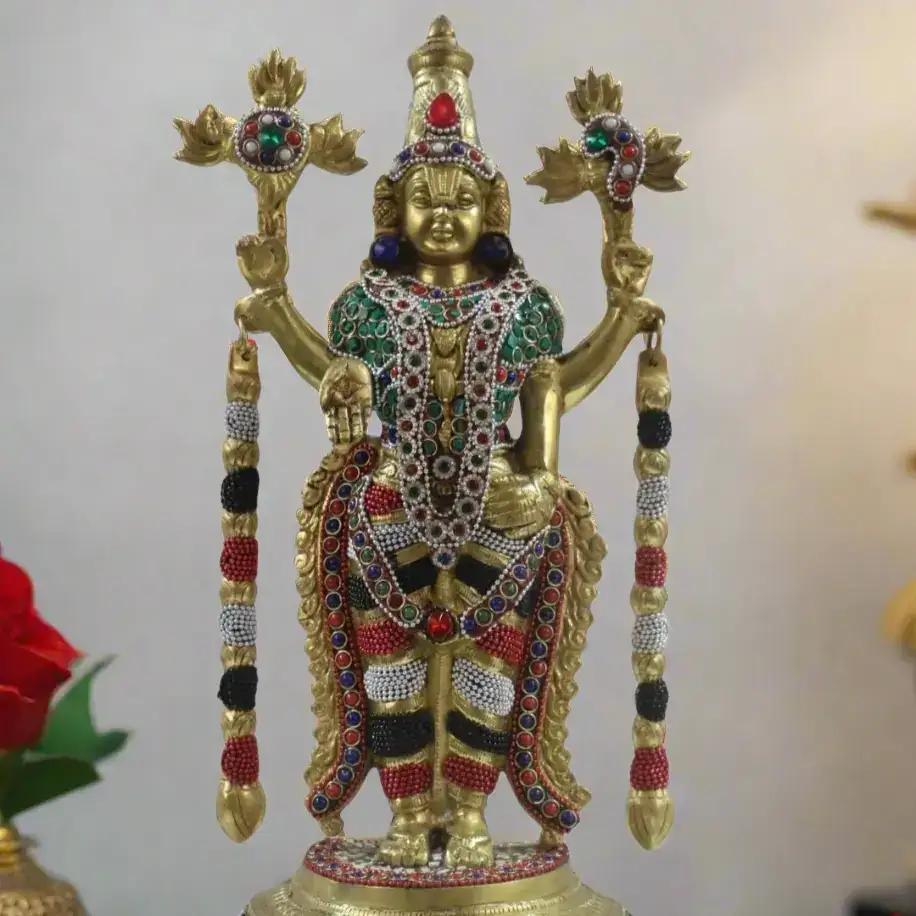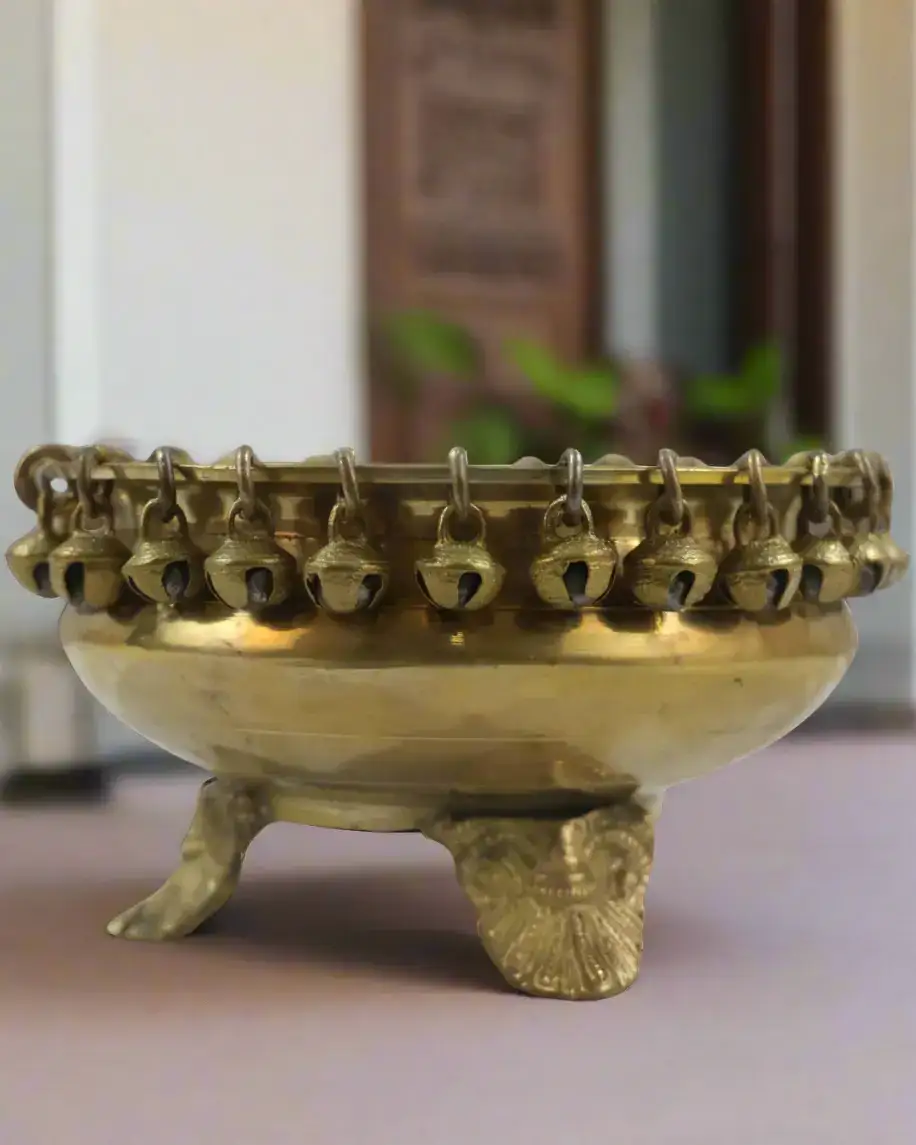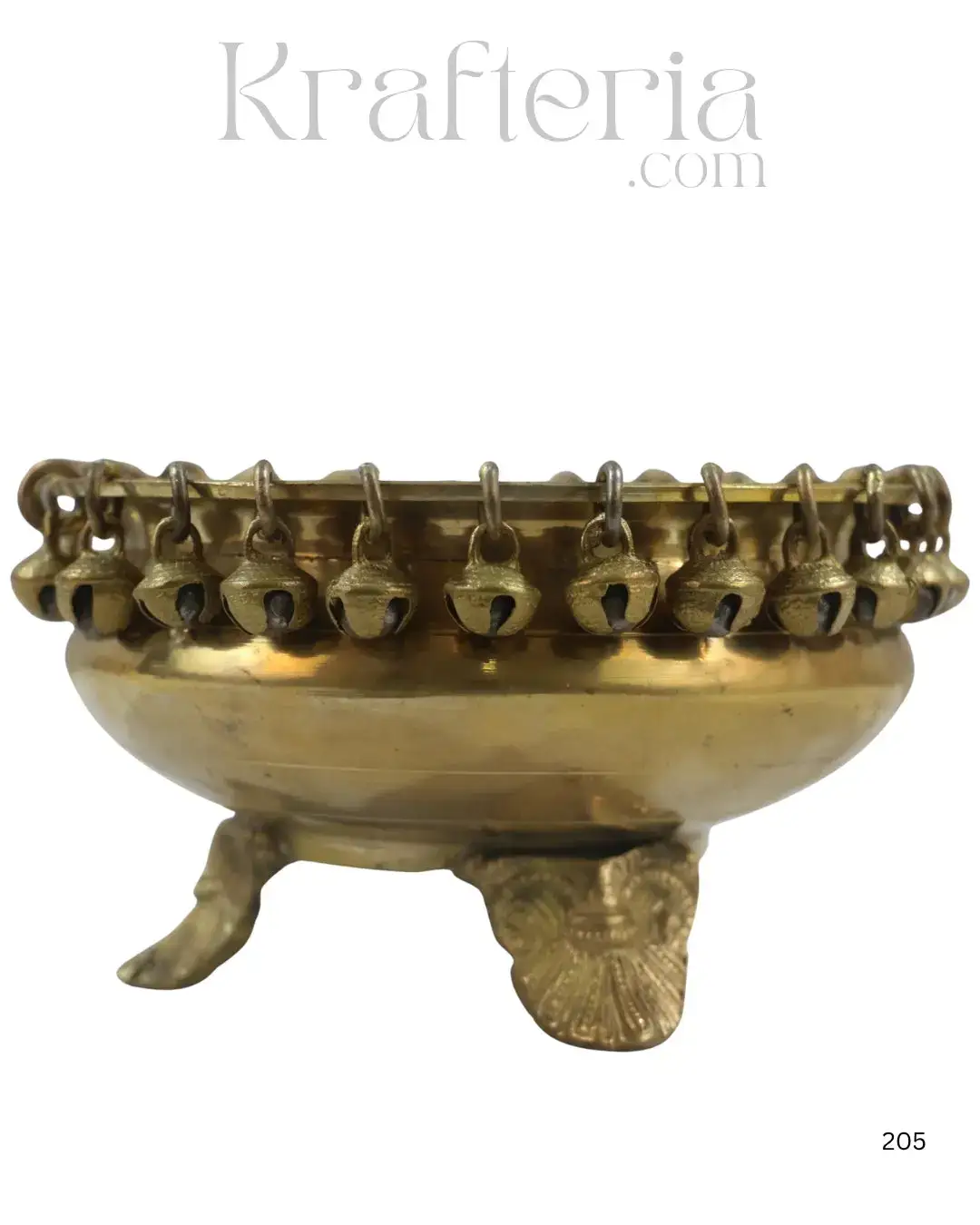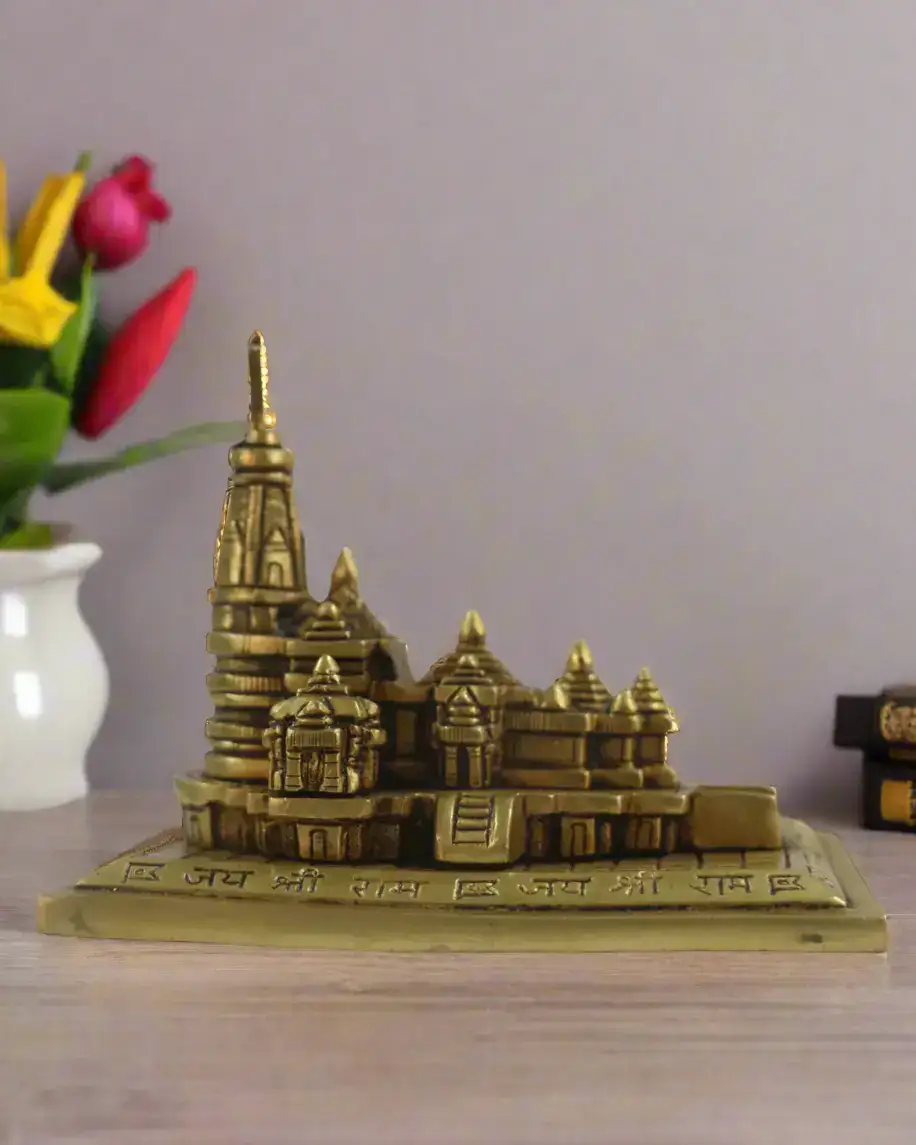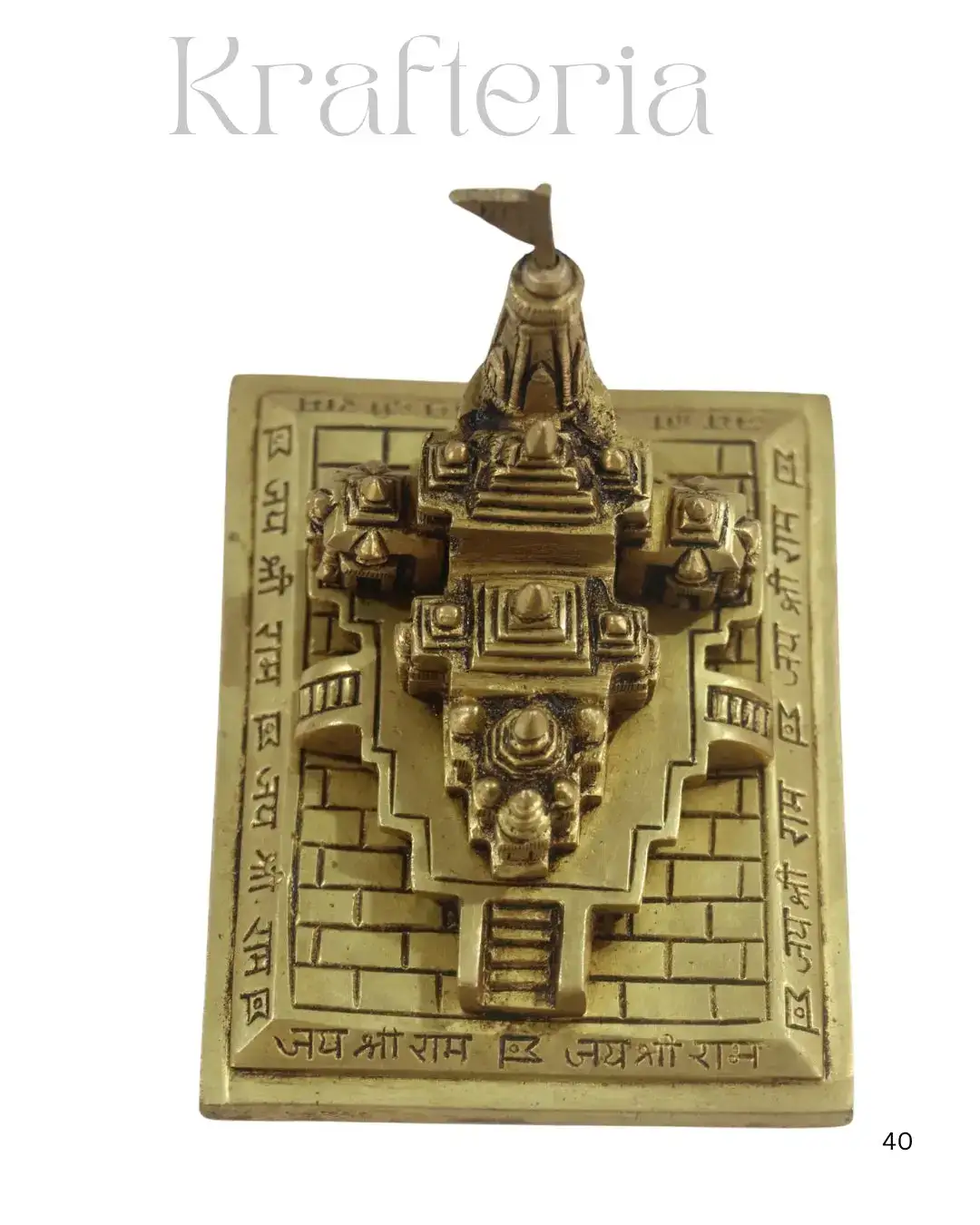
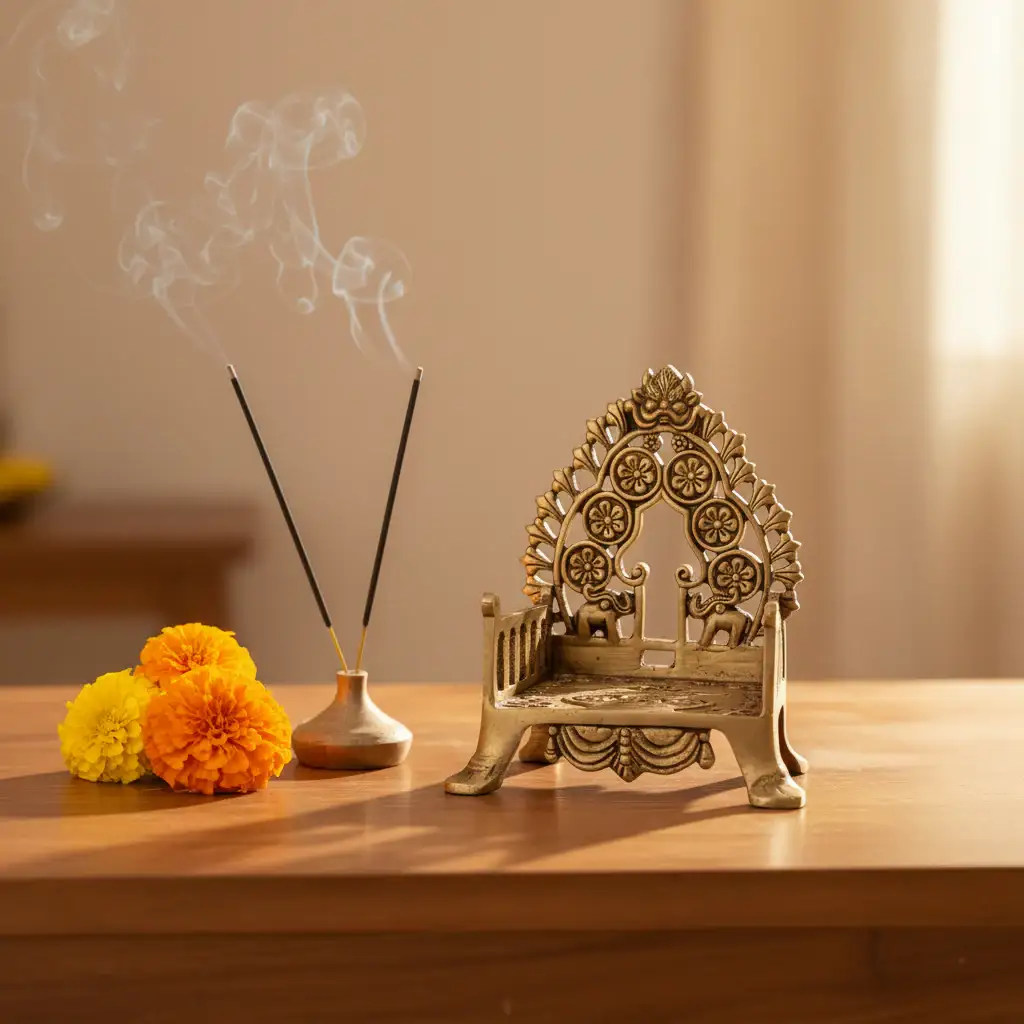
Ornate Golden Brass Sinhasan/Singhasan (Throne)
Brass Sinhasan/Singhasan (Throne): A Rich Heritage of Artistry
Brass Sinhasan/Singhasan The art of brass craftsmanship in Delhi carries a rich, centuries-old tradition. It is renowned for the exceptional skill of master artisans in metal casting and detailed ornamentation. This tradition remains deeply rooted in the cultural and religious fabric of the region. The craftsmanship produces a wide variety of objects, from intricate idols of Hindu deities to elaborate decorative and utilitarian pieces.
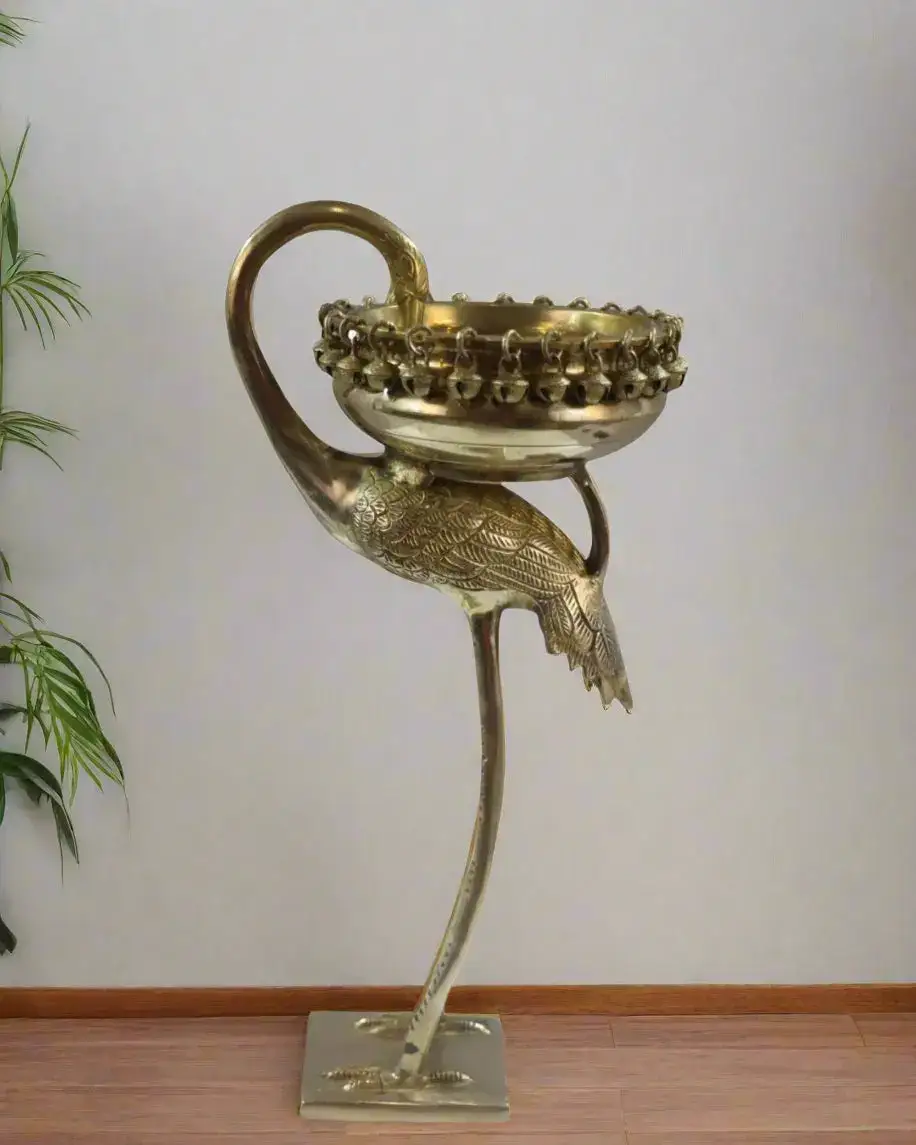
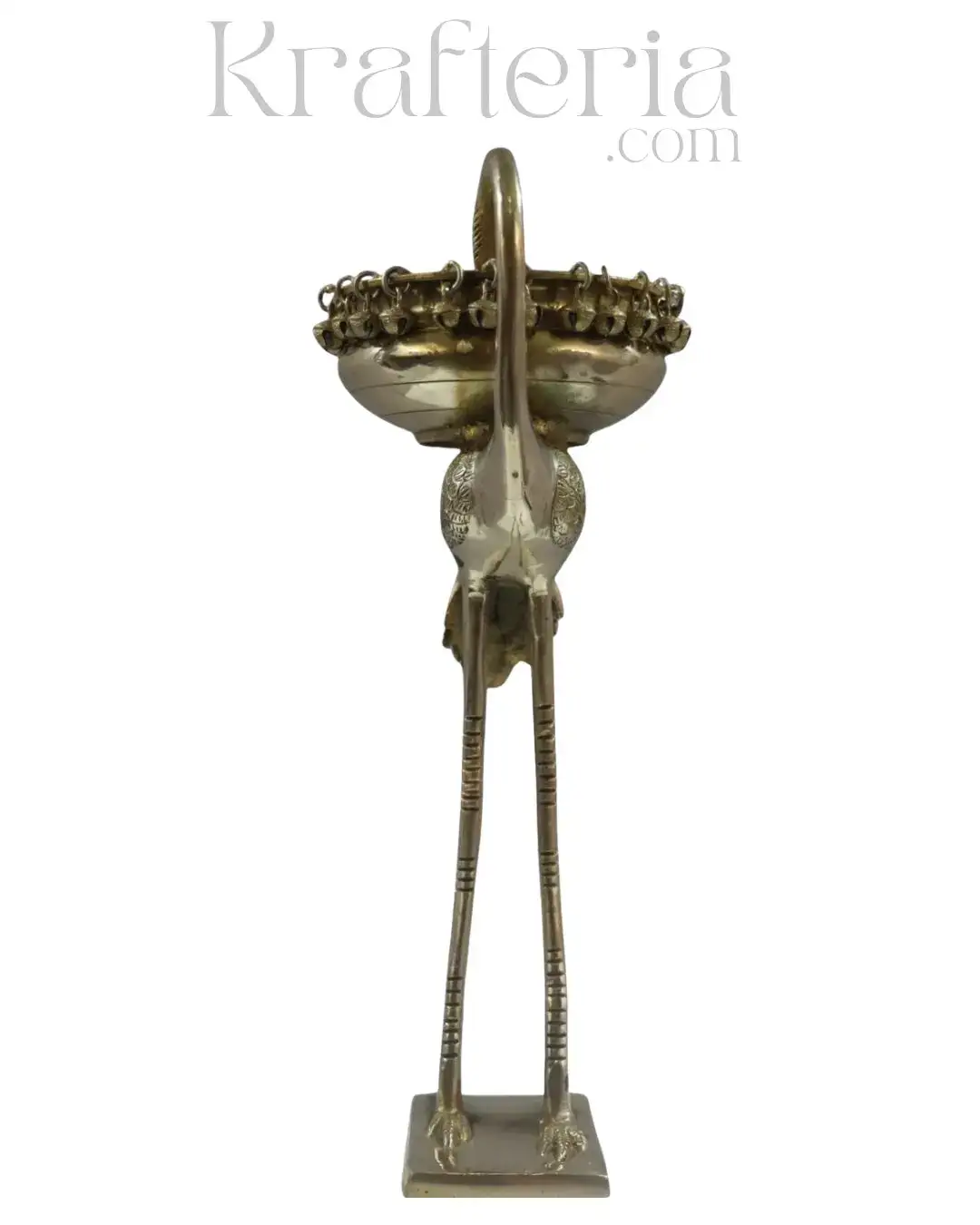
Among the diverse creations, the sinhasan singhasan holds a place of prominence. These thrones often feature detailed carvings, polished finishes, and sometimes gold plating. This treatment enhances the divine aura of these thrones, making them revered pieces for religious and decorative purposes.
Artistic Significance of Brass Sinhasan/Singhasan
The statues of gods and goddesses such as Ganesha, Shiva, Durga, Krishna, and paired sinhasan singhasan are highly valued. Each piece exhibits masterful craftsmanship with finely carved details. Artisans pay special attention to floral motifs and symbolic designs that reflect religious stories and beliefs.
These items go beyond decorative objects—they represent spiritual and cultural values. Their durability and timeless aesthetic make them treasured heirlooms passed down through generations. Collectors and devotees cherish these artifacts for their beauty and sacred significance.
Beyond Religious Iconography
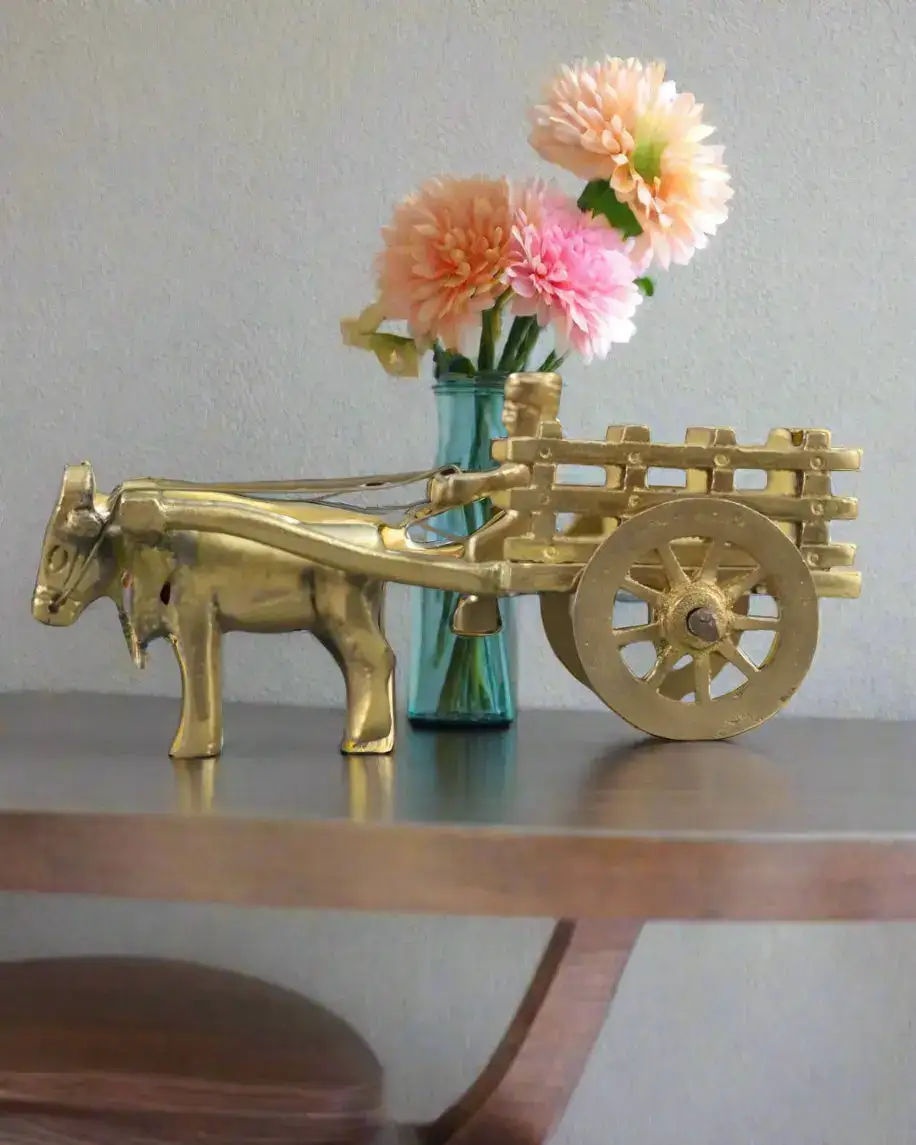
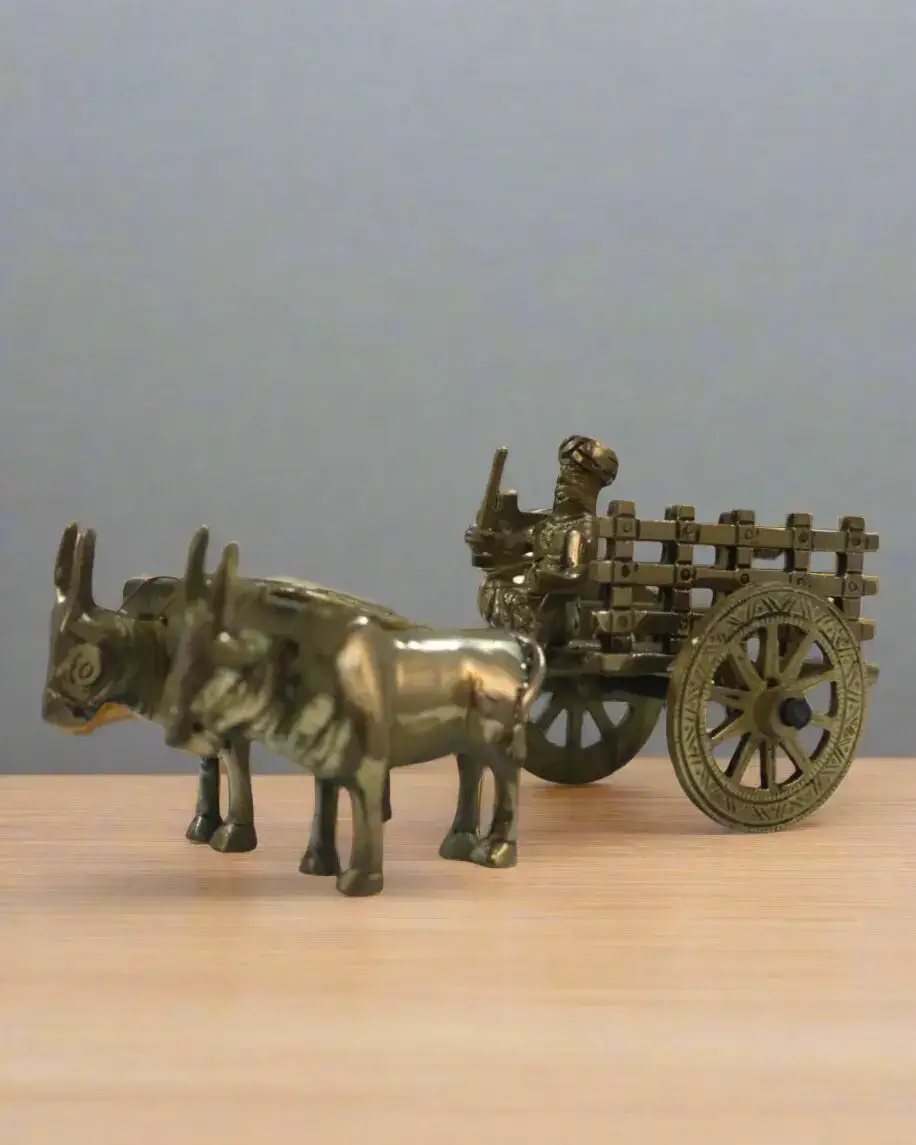
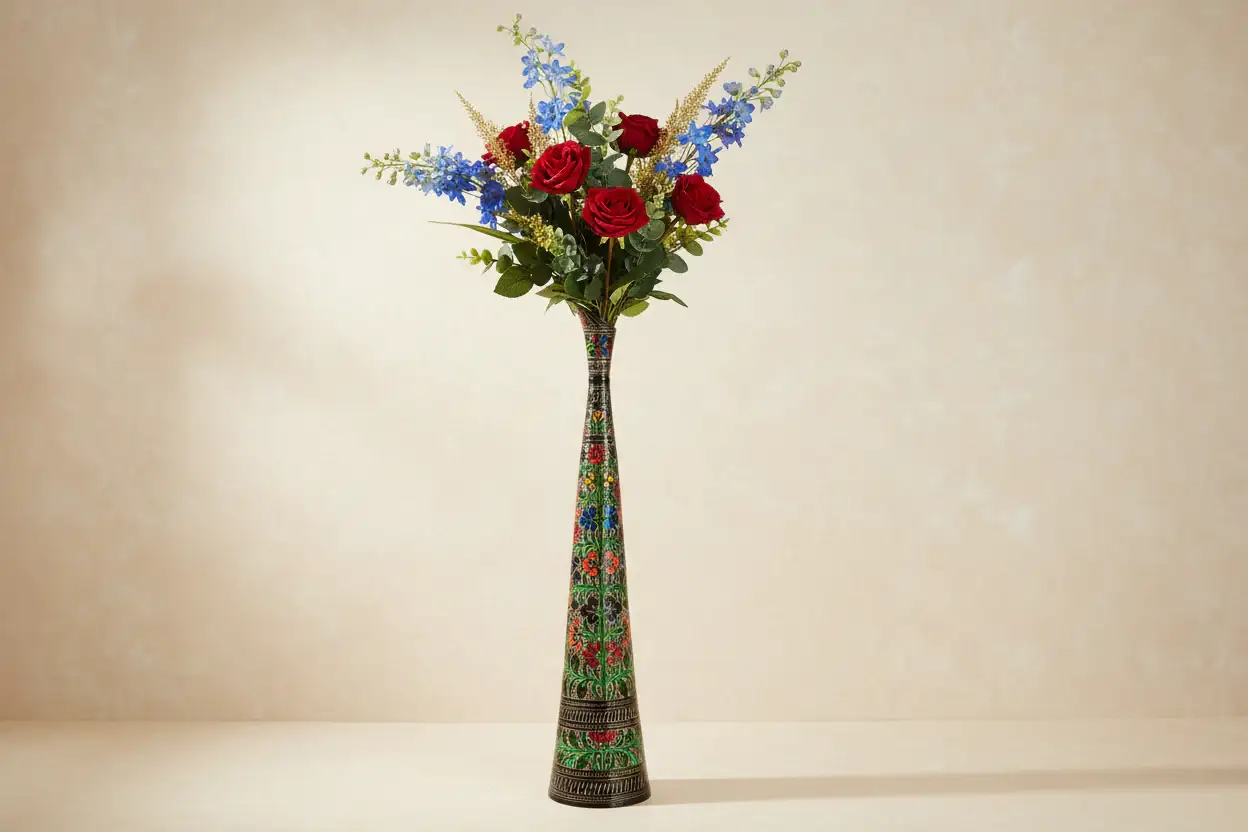
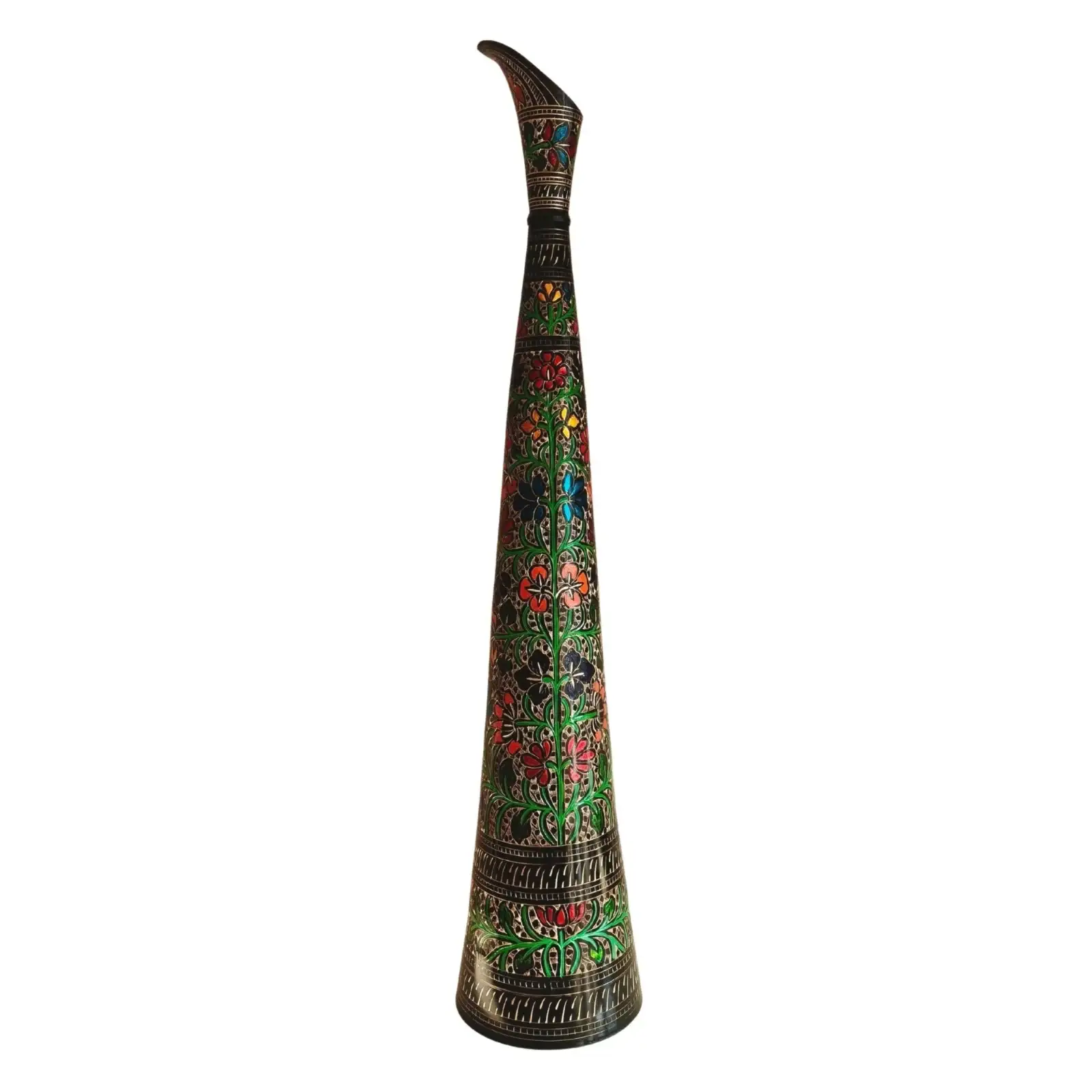
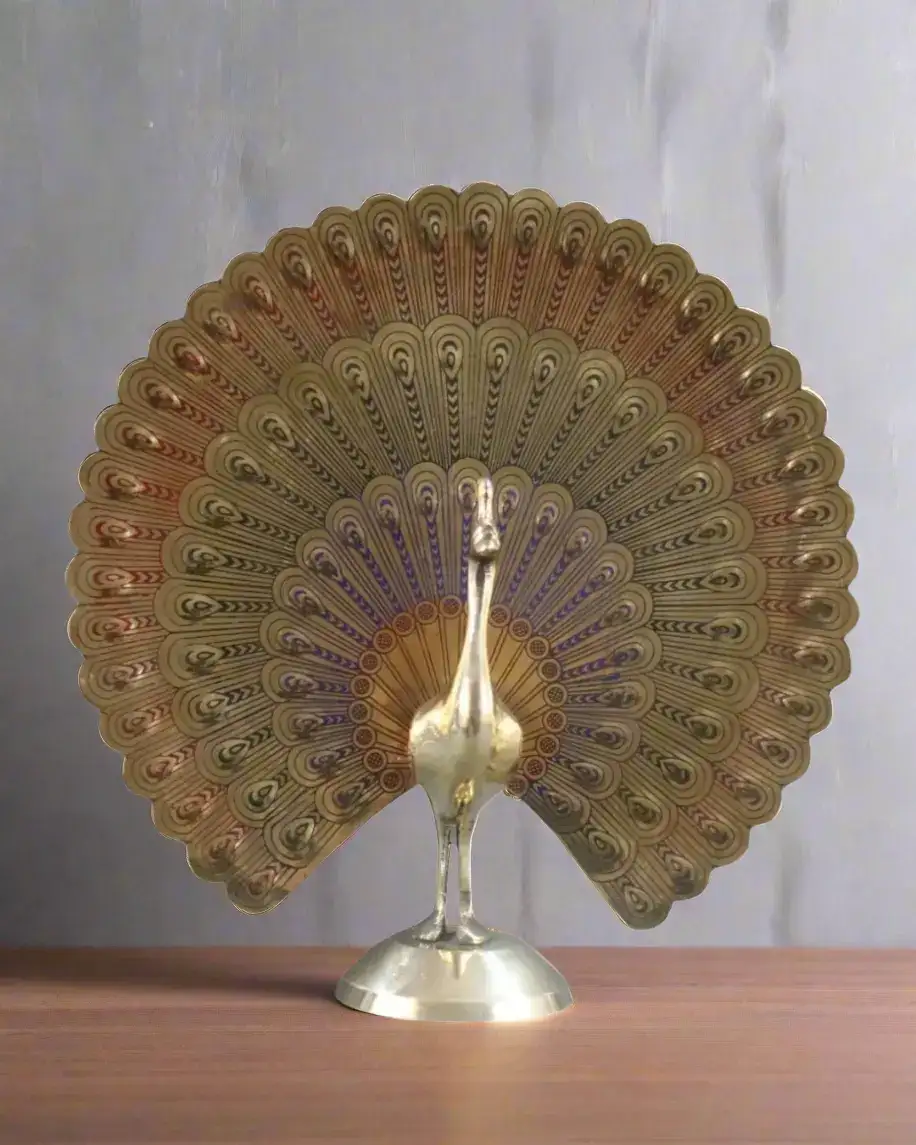
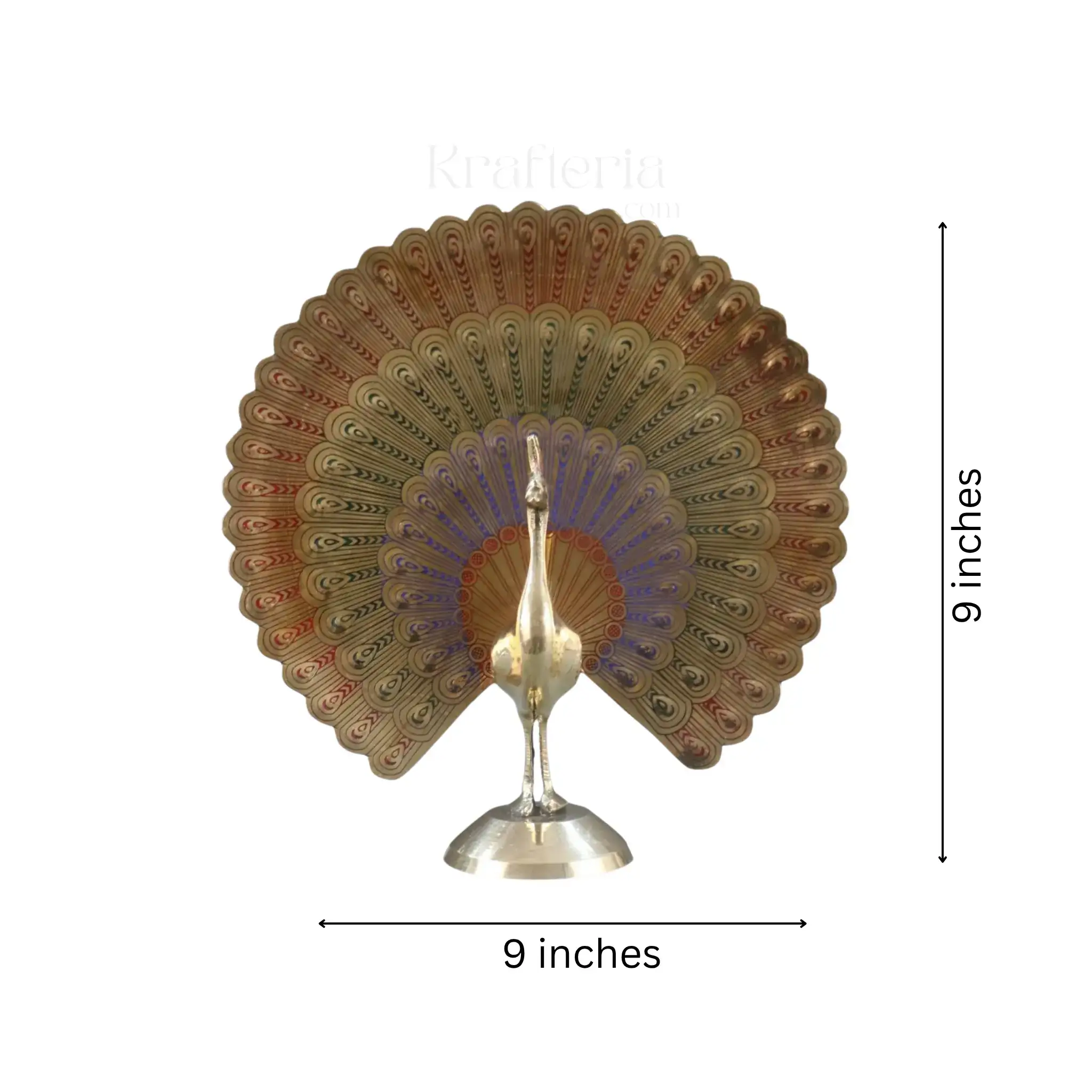
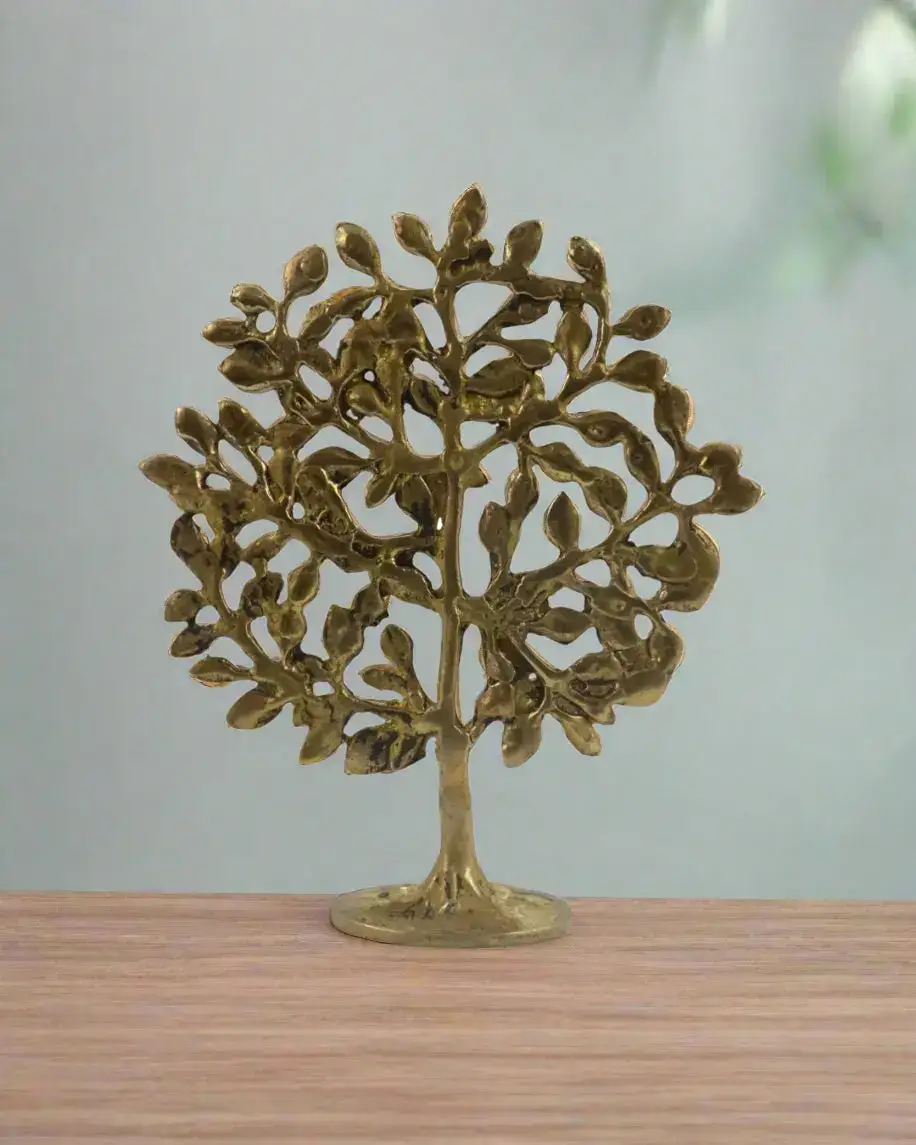
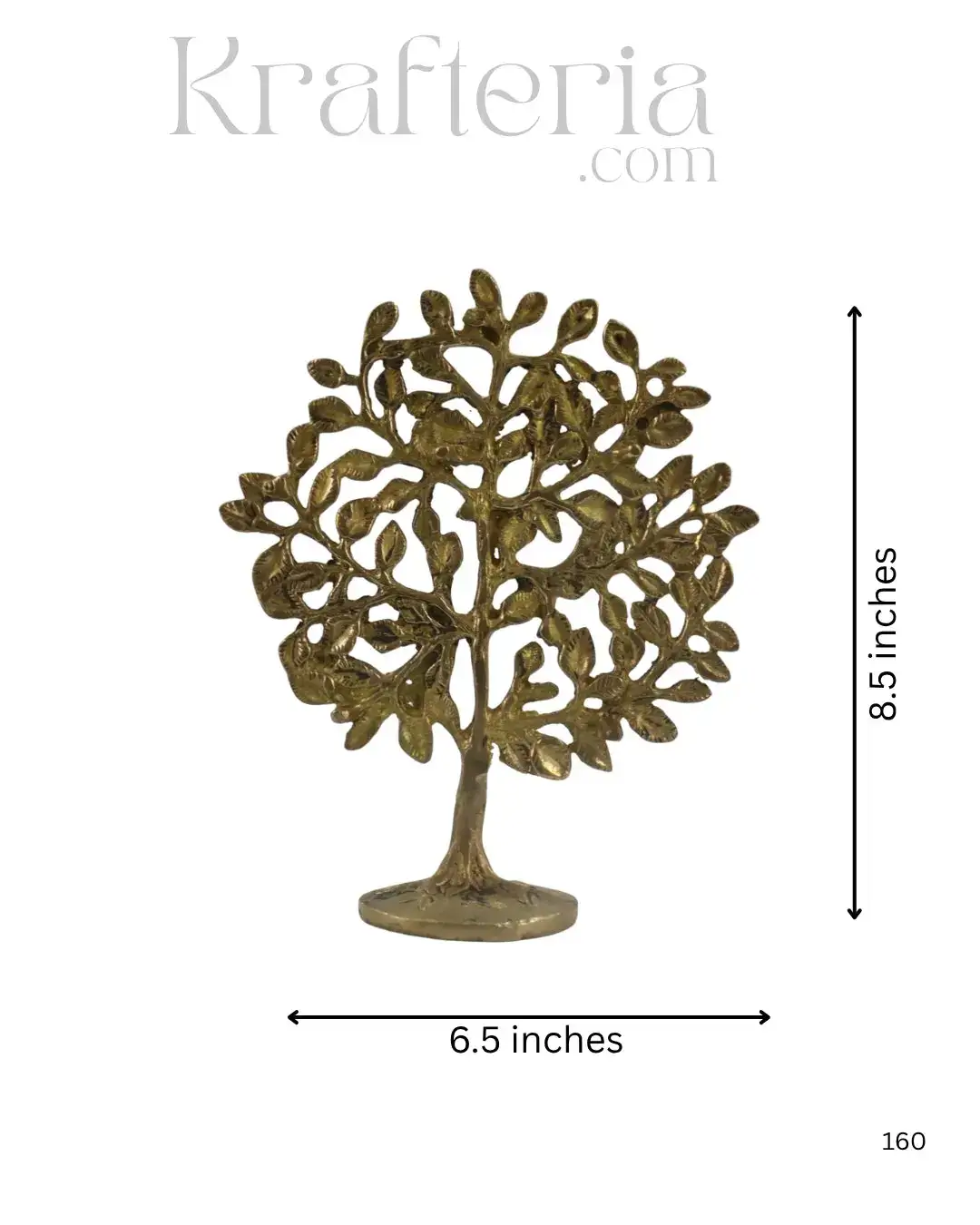
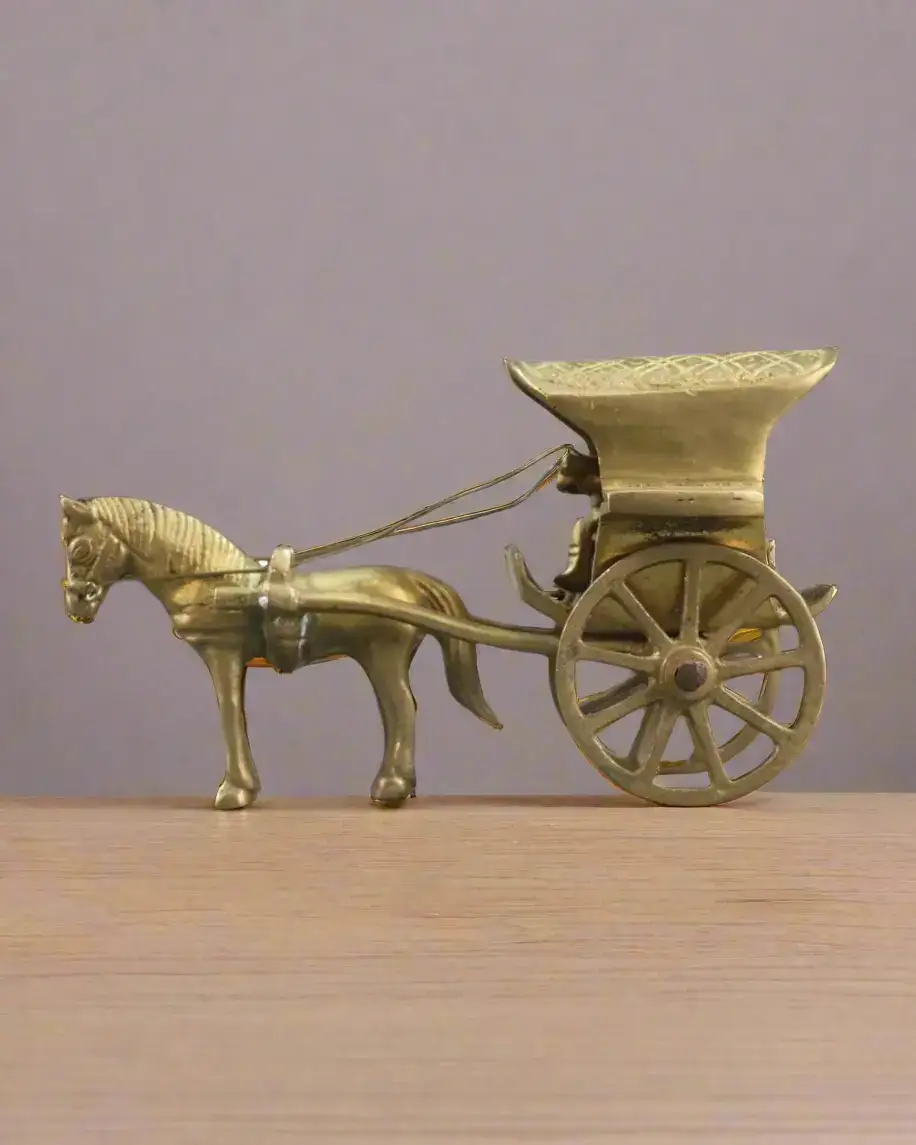
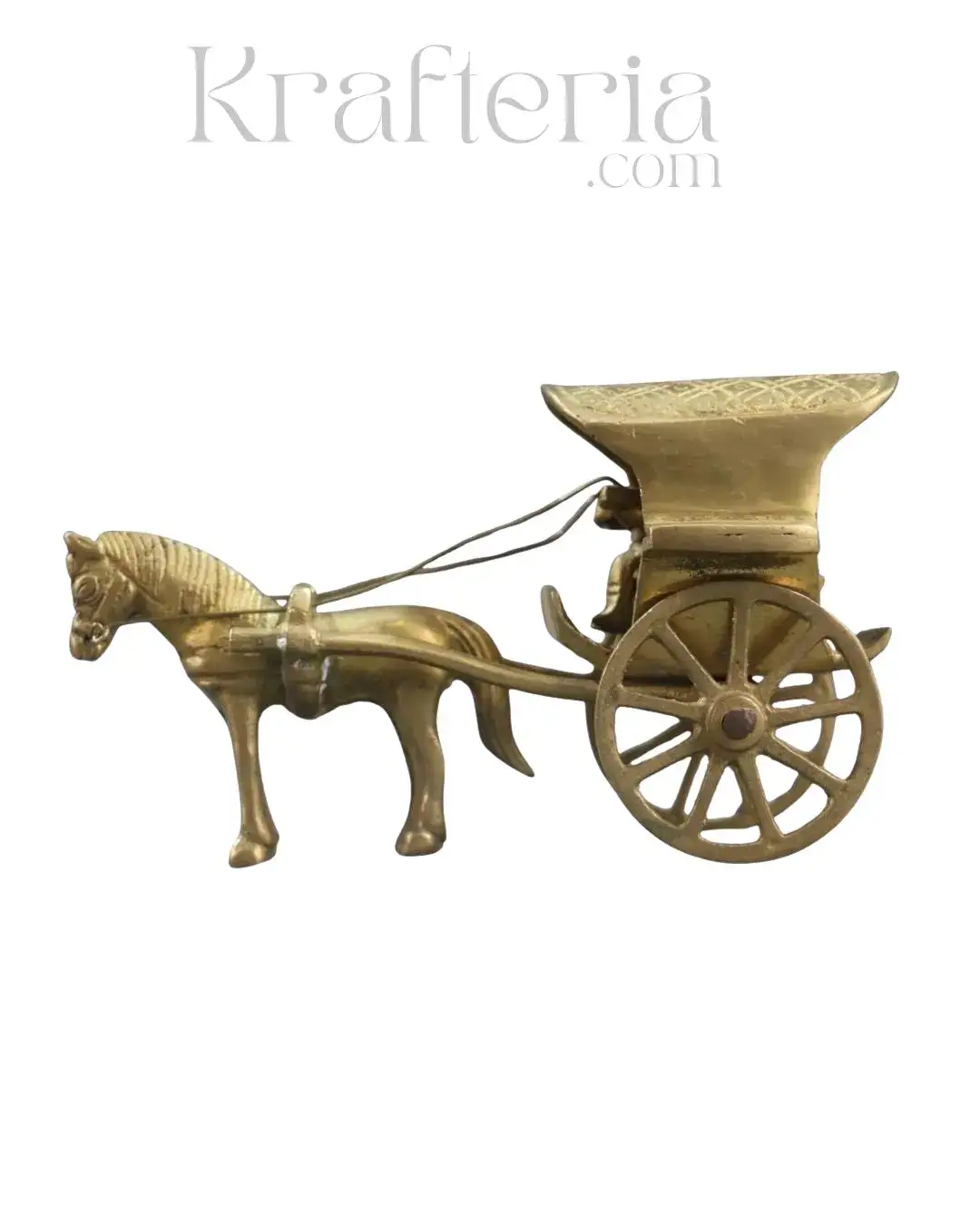
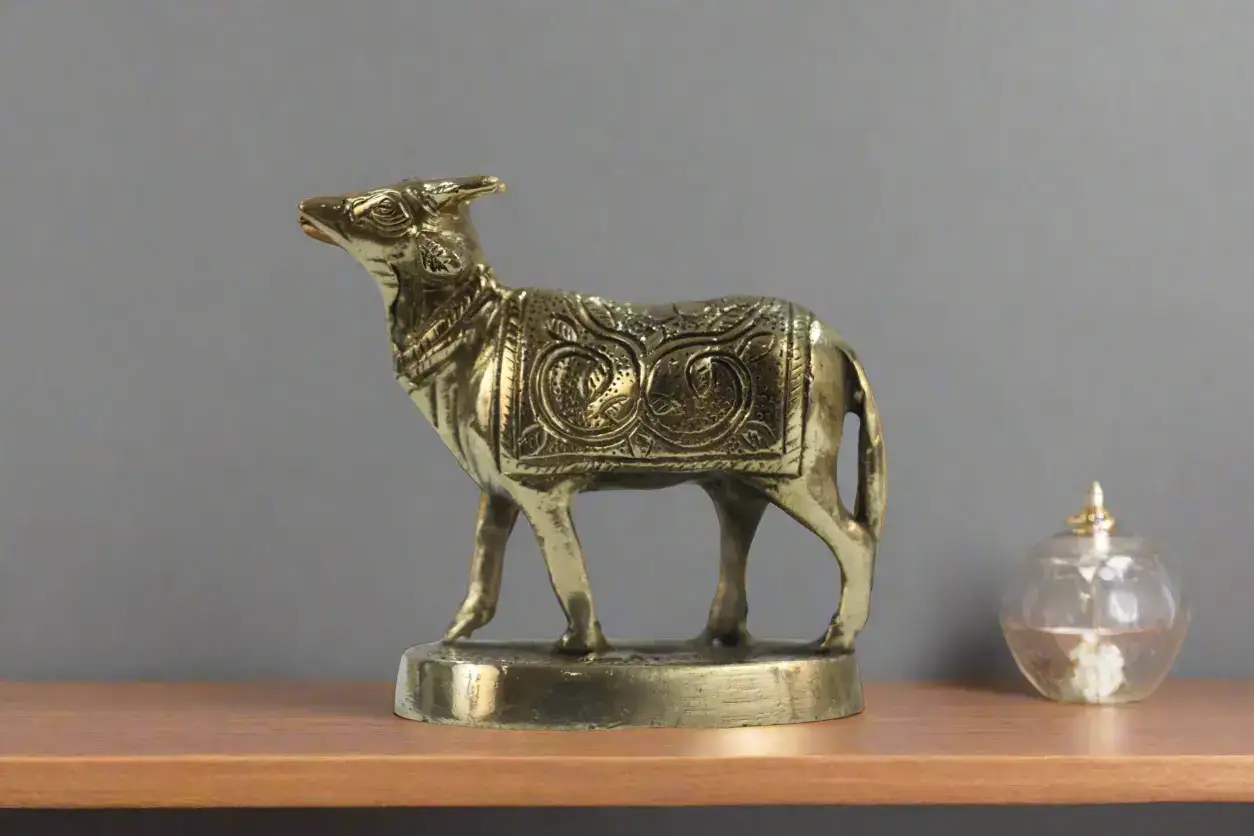
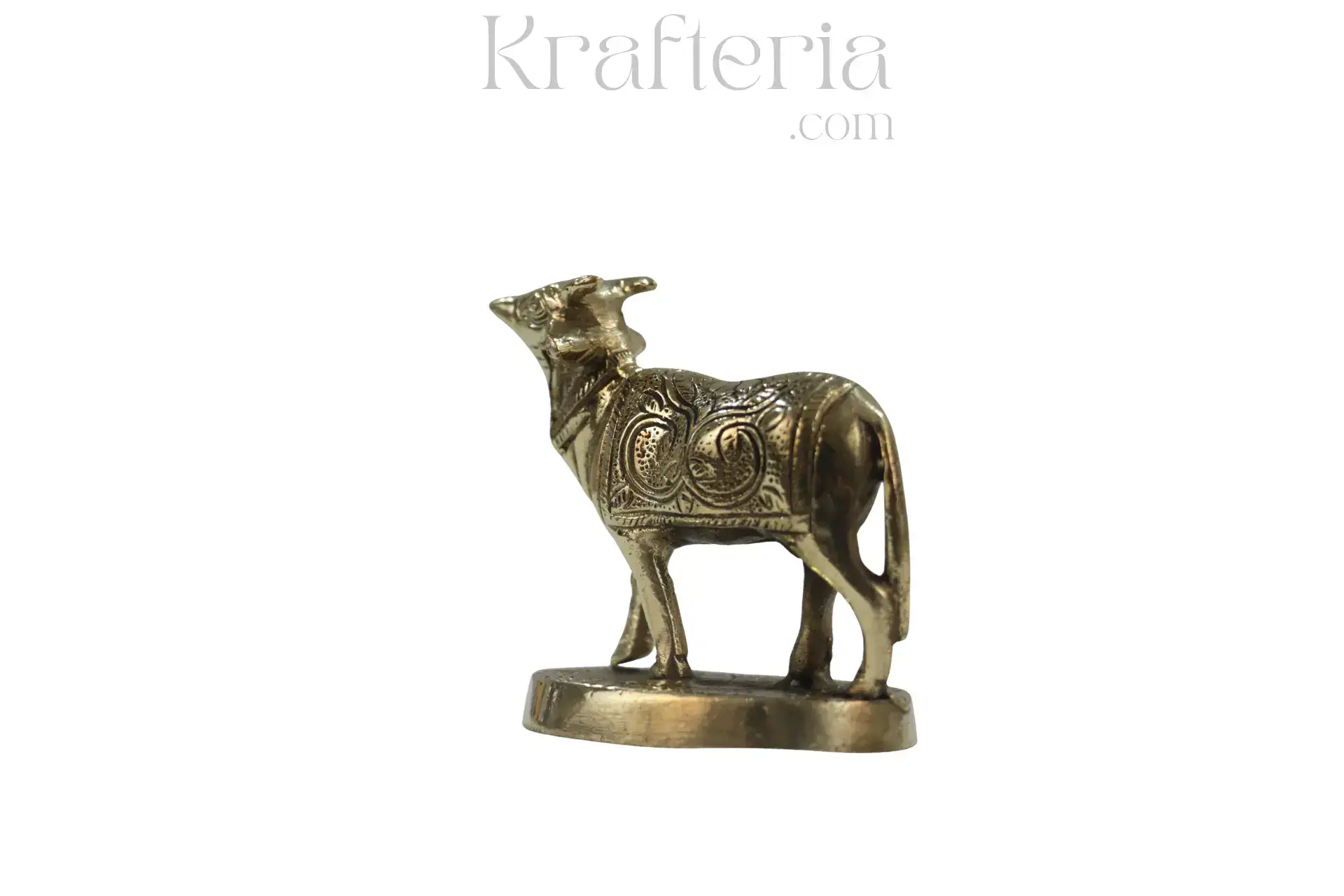
While sinhasan singhasan are important religious artifacts, Delhi's craft extends to secular domains. The metalwork includes decorative animal sculptures such as horses, bulls, and elephants. Additionally, artisans create ornate vases, lamps, and various home décor items.
This wide range of objects showcases the medium's versatility and the craftsmen's creativity. Each piece is carefully finished to highlight its texture and form using engraving, embossing, and etching. These finishing techniques bring geometric patterns and narrative scenes to life.
Time-Honored Techniques in Brass Crafting
The making of sinhasan singhasan involves time-honored, traditional methods. One such method is 'lost-wax casting' — known as cire perdue — which holds historical significance for creating hollow and complex forms. This process allows intricate details and durable structures to emerge with high precision.
Modern manufacturers sometimes combine these ancient techniques with contemporary foundry methods. This blend helps meet evolving customer demands while preserving the authentic feel of traditional work. The result is a perfect harmony of old and new craftsmanship practices.
The Enduring Craftsmanship of Brass Sinhasan/Singhasan
The artisans behind these thrones have honed their skills over generations. Their knowledge of the material and specific shapes distinguishes their work. This expertise ensures each piece resonates with historical artistry and cultural depth.
The art continues to evolve as contemporary artists blend traditional styles with modern designs. They cater to a global demand for unique and meaningful decorative pieces. Despite innovations, the essence of classic craftsmanship remains intact.
Metal's Timeless Appeal
The choice of metal as the material for sinhasan singhasan and other artifacts relates to its durability and classic beauty. Brass offers a luminous golden sheen that enhances the overall look and aura of the pieces. This metal’s longevity means these artifacts can be treasured for decades or even centuries.
Moreover, metal works well with detailed engraving, allowing artisans to create captivating textures and patterns. Whether in religious or secular contexts, these pieces serve as both functional and decorative art forms.
Why Choose a Brass Sinhasan/Singhasan?
- It represents a centuries-old tradition of craftsmanship unique to Delhi.
- Each piece features intricate carving and fine polishing.
- The symbolic motifs connect users to religious and cultural heritage.
- Durability and aesthetic appeal make them prized heirlooms and collectibles.
- The blend of traditional casting methods and modern techniques ensures lasting quality.
Whether placed in home mandirs or as decorative accents, Brass Sinhasan/Singhasan thrones add elegance and spirituality. Their artistic depth and historical roots make them more than ornamental objects—they are expressions of faith, art, and culture.
Product Information
Product Information
Shipping & Returns
Shipping & Returns
Description
Brass Sinhasan/Singhasan (Throne): A Rich Heritage of Artistry
Brass Sinhasan/Singhasan The art of brass craftsmanship in Delhi carries a rich, centuries-old tradition. It is renowned for the exceptional skill of master artisans in metal casting and detailed ornamentation. This tradition remains deeply rooted in the cultural and religious fabric of the region. The craftsmanship produces a wide variety of objects, from intricate idols of Hindu deities to elaborate decorative and utilitarian pieces.
Among the diverse creations, the sinhasan singhasan holds a place of prominence. These thrones often feature detailed carvings, polished finishes, and sometimes gold plating. This treatment enhances the divine aura of these thrones, making them revered pieces for religious and decorative purposes.
Artistic Significance of Brass Sinhasan/Singhasan
The statues of gods and goddesses such as Ganesha, Shiva, Durga, Krishna, and paired sinhasan singhasan are highly valued. Each piece exhibits masterful craftsmanship with finely carved details. Artisans pay special attention to floral motifs and symbolic designs that reflect religious stories and beliefs.
These items go beyond decorative objects—they represent spiritual and cultural values. Their durability and timeless aesthetic make them treasured heirlooms passed down through generations. Collectors and devotees cherish these artifacts for their beauty and sacred significance.
Beyond Religious Iconography
While sinhasan singhasan are important religious artifacts, Delhi's craft extends to secular domains. The metalwork includes decorative animal sculptures such as horses, bulls, and elephants. Additionally, artisans create ornate vases, lamps, and various home décor items.
This wide range of objects showcases the medium's versatility and the craftsmen's creativity. Each piece is carefully finished to highlight its texture and form using engraving, embossing, and etching. These finishing techniques bring geometric patterns and narrative scenes to life.
Time-Honored Techniques in Brass Crafting
The making of sinhasan singhasan involves time-honored, traditional methods. One such method is 'lost-wax casting' — known as cire perdue — which holds historical significance for creating hollow and complex forms. This process allows intricate details and durable structures to emerge with high precision.
Modern manufacturers sometimes combine these ancient techniques with contemporary foundry methods. This blend helps meet evolving customer demands while preserving the authentic feel of traditional work. The result is a perfect harmony of old and new craftsmanship practices.
The Enduring Craftsmanship of Brass Sinhasan/Singhasan
The artisans behind these thrones have honed their skills over generations. Their knowledge of the material and specific shapes distinguishes their work. This expertise ensures each piece resonates with historical artistry and cultural depth.
The art continues to evolve as contemporary artists blend traditional styles with modern designs. They cater to a global demand for unique and meaningful decorative pieces. Despite innovations, the essence of classic craftsmanship remains intact.
Metal's Timeless Appeal
The choice of metal as the material for sinhasan singhasan and other artifacts relates to its durability and classic beauty. Brass offers a luminous golden sheen that enhances the overall look and aura of the pieces. This metal’s longevity means these artifacts can be treasured for decades or even centuries.
Moreover, metal works well with detailed engraving, allowing artisans to create captivating textures and patterns. Whether in religious or secular contexts, these pieces serve as both functional and decorative art forms.
Why Choose a Brass Sinhasan/Singhasan?
- It represents a centuries-old tradition of craftsmanship unique to Delhi.
- Each piece features intricate carving and fine polishing.
- The symbolic motifs connect users to religious and cultural heritage.
- Durability and aesthetic appeal make them prized heirlooms and collectibles.
- The blend of traditional casting methods and modern techniques ensures lasting quality.
Whether placed in home mandirs or as decorative accents, Brass Sinhasan/Singhasan thrones add elegance and spirituality. Their artistic depth and historical roots make them more than ornamental objects—they are expressions of faith, art, and culture.