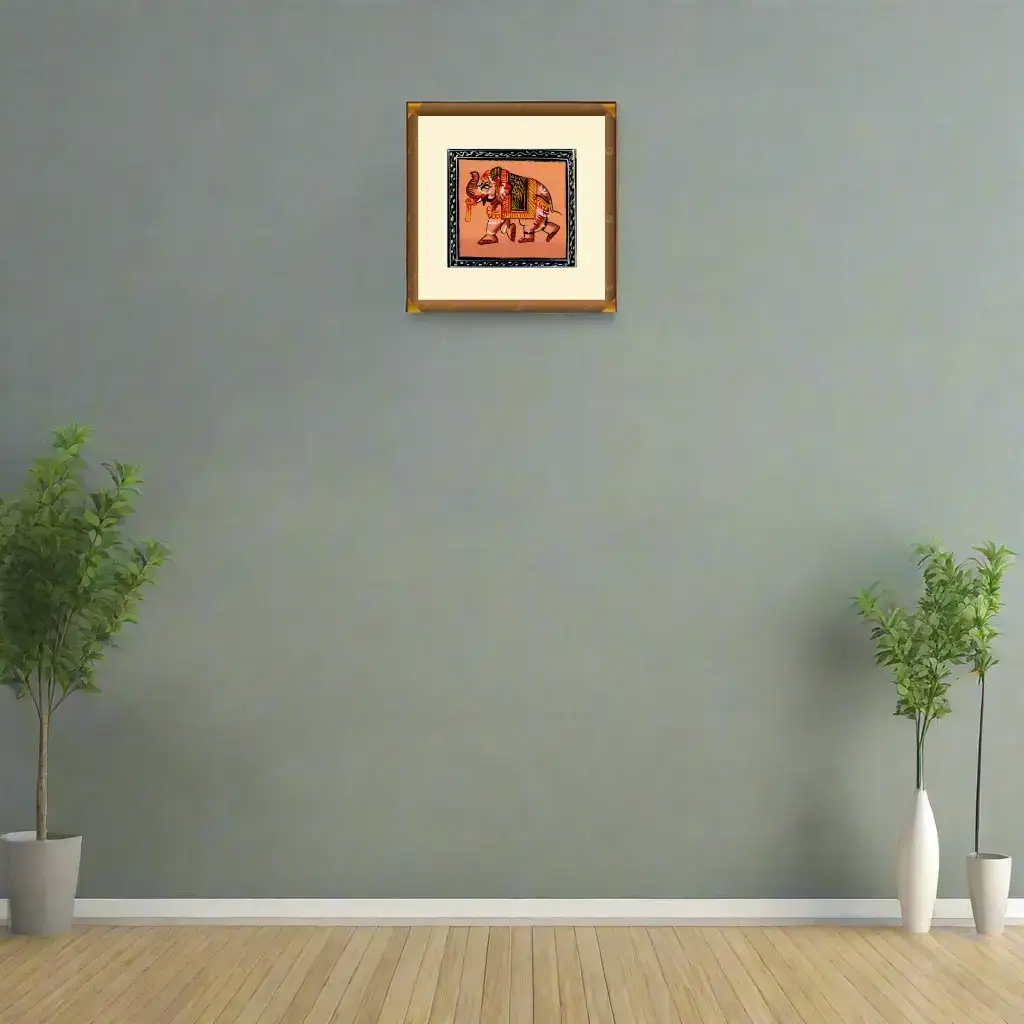
The Majestic Elephant of Tradition Miniature Painting
The Majestic Elephant of Tradition Miniature Painting
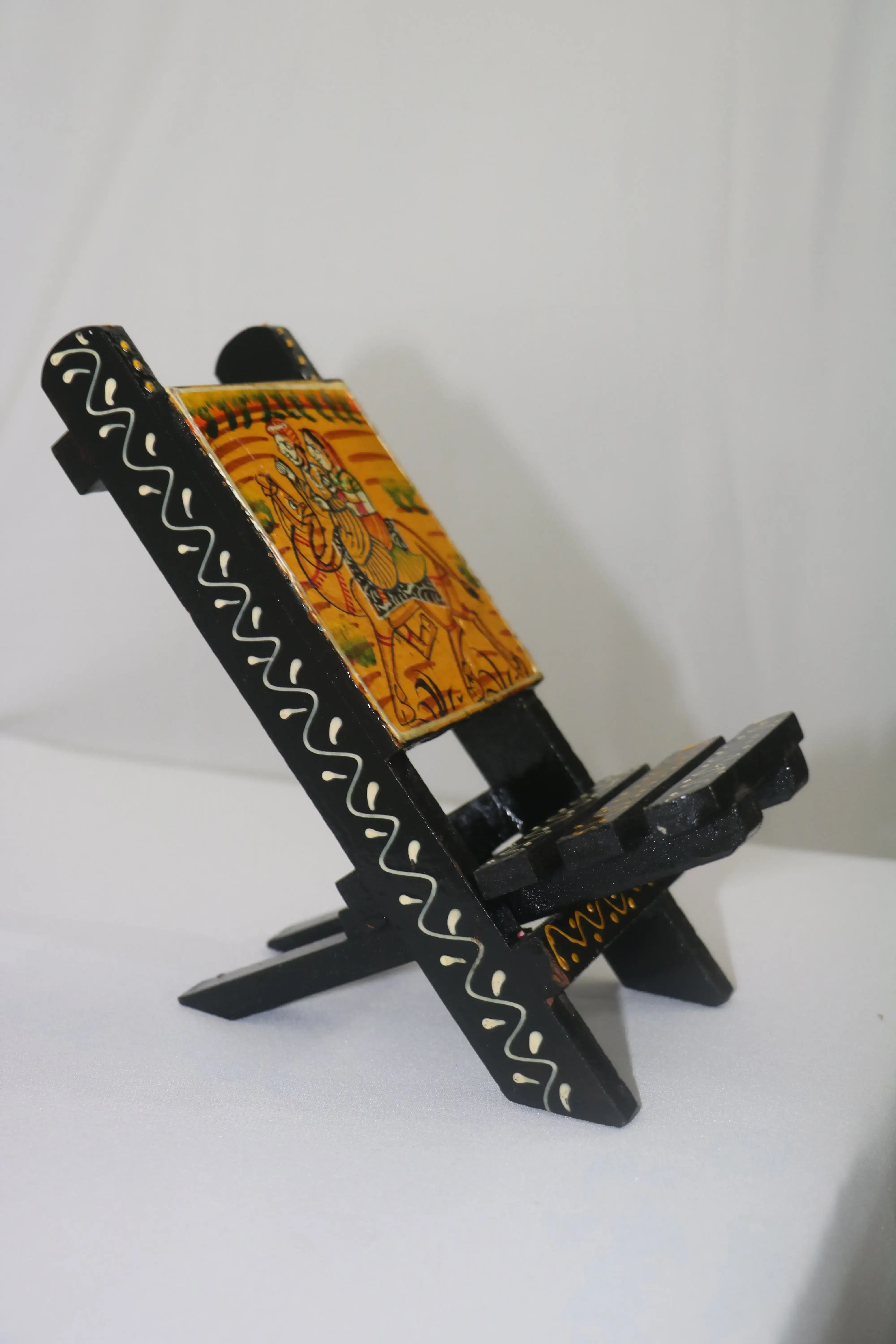
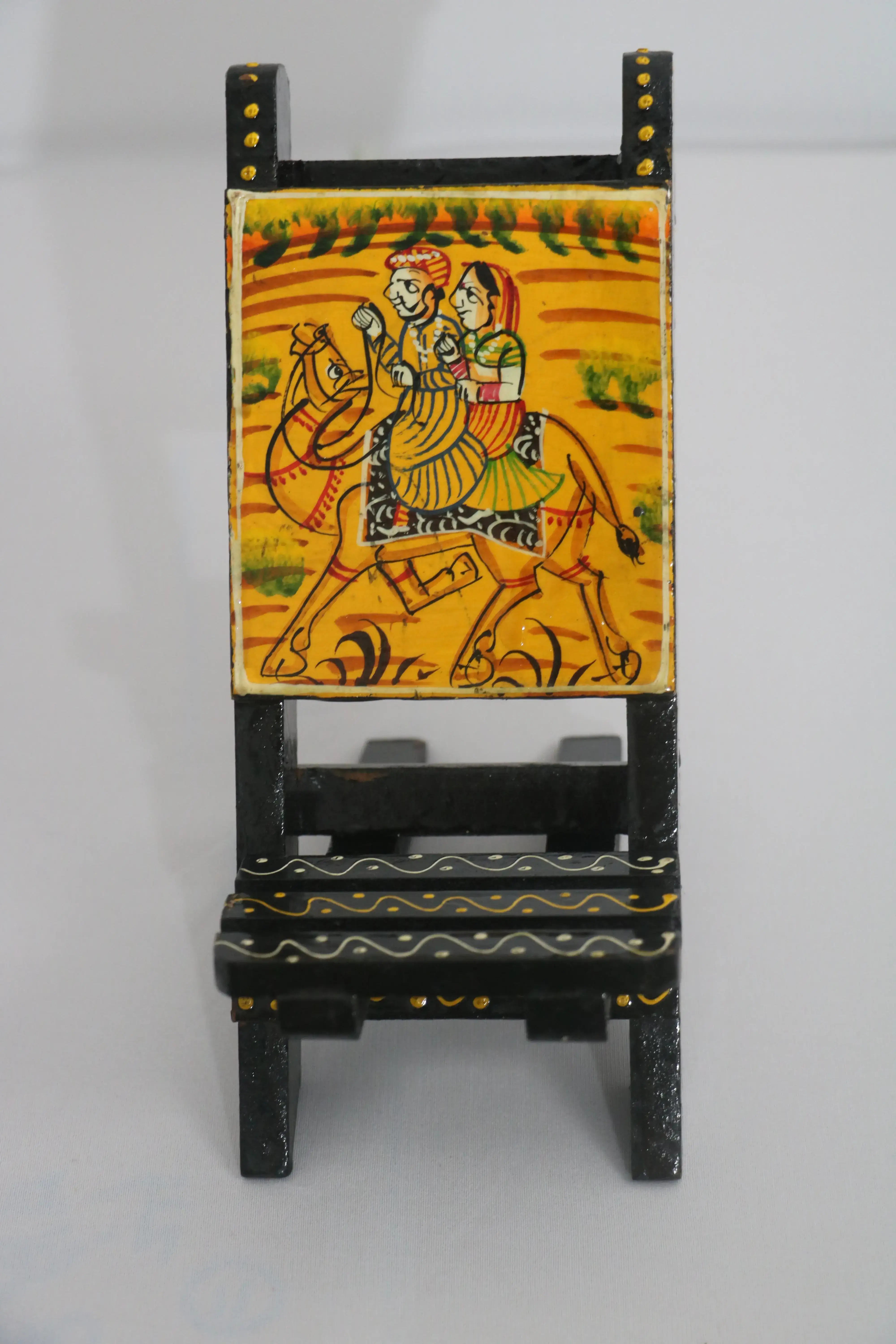
Elephant of Tradition Miniature Painting Rajasthani Painting is a rich and vibrant style of Indian miniature painting. This art form flourished in the royal courts of Rajasthan from the 16th century onwards. Deeply rooted in Indian traditions, it portrays themes of mythology, epics, love stories, royal life, and folk culture. These traditional paintings are admired for their bold lines, bright colors, and intricate detailing. Skilled artisans used natural dyes and pigments made from minerals, vegetables, and precious stones. This technique gives the artwork a lasting and luminous quality that stands the test of time.
Historical Significance and Cultural Value of Elephant Miniature Painting
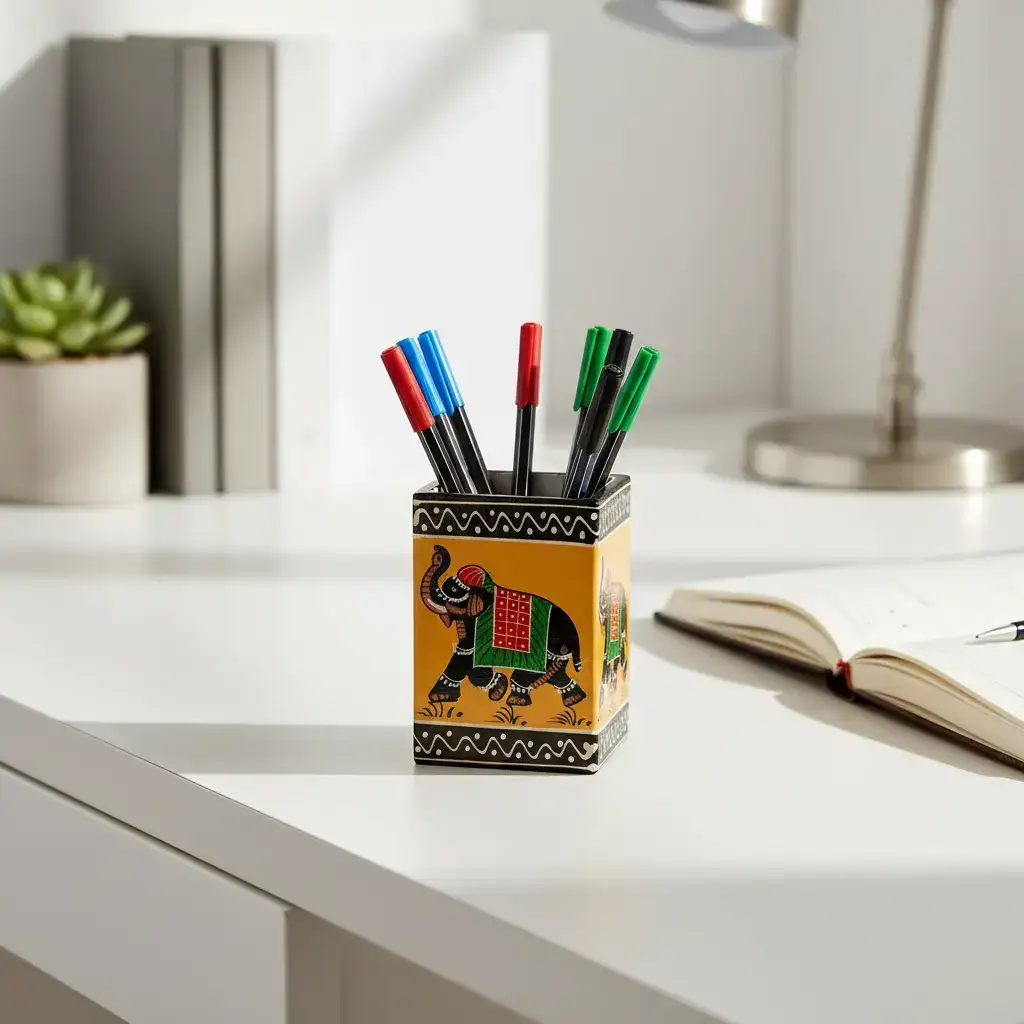
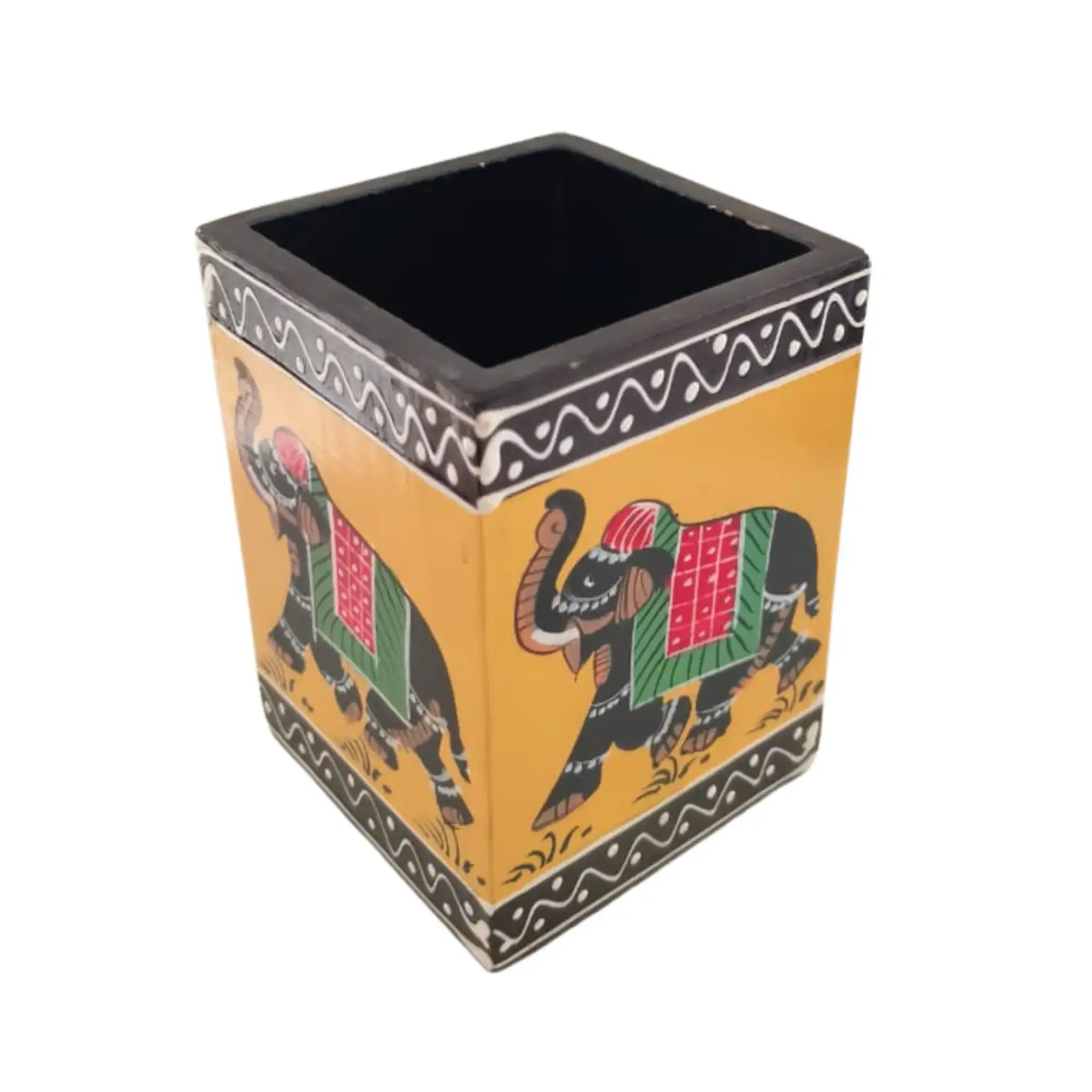
The history behind this elephant miniature painting style reflects the rich cultural heritage of Rajasthan. These miniature paintings were created to celebrate royal ceremonies, religious occasions, and folklore. Elephants played a vital role in Indian culture and were symbols of power, wisdom, and prosperity. In many royal courts, elephants were part of grand processions and important rituals. This tradition is captured beautifully in the detailed miniature paintings. The Rajasthani elephant miniature art also showcases the majestic royal elephants adorned with elaborate decorations and jewelry.
Distinct Schools of Rajasthani Miniature Painting
This style of painting is divided into multiple schools, each with unique characteristics and themes. These include Mewar, Marwar, Bundi, Kota, Kishangarh, Bikaner, and Jaipur. Each school developed its own approach to color, line, and composition. For example, Kishangarh paintings are well-known for romantic portrayals of Radha and Krishna. The iconic image of Bani Thani is a hallmark of this style. Mewar artwork often features court scenes and religious themes. Bundi and Kota schools are famous for lush landscapes and dynamic hunting scenes, bringing nature and action vividly to life.
Detailed Techniques and Materials Used in Elephant Miniature Painting
The creation of an miniature painting involves a careful and time-intensive process. Artists use natural pigments extracted from minerals, vegetables, and precious stones for vibrant yet long-lasting colors. The base is usually handmade Wasli paper, prized for its durability and texture. Fine brushes made from squirrel hair allow for delicate and intricate detailing. Sometimes, gold and metallic paint enhance the artwork’s richness. This blend of traditional methods results in a unique piece of art, reflecting skill and cultural depth.
Symbolism of the Elephant in Miniature Painting
In Indian tradition, the elephant represents many positive attributes. It symbolizes wisdom, strength, stability, prosperity, and protection. These qualities made the elephant a widely revered and auspicious figure in art and culture. In royal settings, elephants were a mark of dignity and power. The presence of an elephant in miniature paintings often signified royal authority and divine protection. These symbolic meanings are captured vividly in the Royal elephant wall art India style, where elephants are decorated with ceremonial trappings that express grandeur and reverence.
The Elephant Painting Style in Modern Decor
Today, elephant miniature paintings is growing popular as handcrafted decor for homes and offices alike. The blend of traditional artistry and cultural symbolism makes it a perfect complement for diverse interiors. Collectors and art enthusiasts admire the vibrant colors and intricate work involved. This traditional painting style adds a touch of heritage and elegance to modern spaces. Additionally, it serves as a cherished gift that celebrates Indian artistry and cultural pride. Including such artwork enhances any room with its historical significance.
Preserving the Art of Rajasthani Elephant Miniature Art
Efforts to protect and promote this traditional painting style continue to grow stronger. Artists from Rajasthan pass down their skills through generations, maintaining authenticity. Workshops, exhibitions, and online platforms increase awareness and appreciation globally. By supporting this art, collectors contribute to protecting these delicate techniques. Each elephant painting holds a part of Rajasthan’s royal past and artistic legacy. Owning this artwork helps keep its rich tradition alive and treasured for years to come.
Summary of Key Features
- Originates from royal courts of Rajasthan, India.
- Portrays elephants as symbols of strength and prosperity.
- Uses natural dyes and handmade Wasli paper.
- Exemplifies several schools like Mewar, Jaipur, and Kishangarh.
- Known for bold lines, bright colors, and intricate detail.
- Celebrates mythology, epics, royal life, and folk culture.
Original: $5.37
-70%$5.37
$1.61Product Information
Product Information
Shipping & Returns
Shipping & Returns
Description
The Majestic Elephant of Tradition Miniature Painting
Elephant of Tradition Miniature Painting Rajasthani Painting is a rich and vibrant style of Indian miniature painting. This art form flourished in the royal courts of Rajasthan from the 16th century onwards. Deeply rooted in Indian traditions, it portrays themes of mythology, epics, love stories, royal life, and folk culture. These traditional paintings are admired for their bold lines, bright colors, and intricate detailing. Skilled artisans used natural dyes and pigments made from minerals, vegetables, and precious stones. This technique gives the artwork a lasting and luminous quality that stands the test of time.
Historical Significance and Cultural Value of Elephant Miniature Painting
The history behind this elephant miniature painting style reflects the rich cultural heritage of Rajasthan. These miniature paintings were created to celebrate royal ceremonies, religious occasions, and folklore. Elephants played a vital role in Indian culture and were symbols of power, wisdom, and prosperity. In many royal courts, elephants were part of grand processions and important rituals. This tradition is captured beautifully in the detailed miniature paintings. The Rajasthani elephant miniature art also showcases the majestic royal elephants adorned with elaborate decorations and jewelry.
Distinct Schools of Rajasthani Miniature Painting
This style of painting is divided into multiple schools, each with unique characteristics and themes. These include Mewar, Marwar, Bundi, Kota, Kishangarh, Bikaner, and Jaipur. Each school developed its own approach to color, line, and composition. For example, Kishangarh paintings are well-known for romantic portrayals of Radha and Krishna. The iconic image of Bani Thani is a hallmark of this style. Mewar artwork often features court scenes and religious themes. Bundi and Kota schools are famous for lush landscapes and dynamic hunting scenes, bringing nature and action vividly to life.
Detailed Techniques and Materials Used in Elephant Miniature Painting
The creation of an miniature painting involves a careful and time-intensive process. Artists use natural pigments extracted from minerals, vegetables, and precious stones for vibrant yet long-lasting colors. The base is usually handmade Wasli paper, prized for its durability and texture. Fine brushes made from squirrel hair allow for delicate and intricate detailing. Sometimes, gold and metallic paint enhance the artwork’s richness. This blend of traditional methods results in a unique piece of art, reflecting skill and cultural depth.
Symbolism of the Elephant in Miniature Painting
In Indian tradition, the elephant represents many positive attributes. It symbolizes wisdom, strength, stability, prosperity, and protection. These qualities made the elephant a widely revered and auspicious figure in art and culture. In royal settings, elephants were a mark of dignity and power. The presence of an elephant in miniature paintings often signified royal authority and divine protection. These symbolic meanings are captured vividly in the Royal elephant wall art India style, where elephants are decorated with ceremonial trappings that express grandeur and reverence.
The Elephant Painting Style in Modern Decor
Today, elephant miniature paintings is growing popular as handcrafted decor for homes and offices alike. The blend of traditional artistry and cultural symbolism makes it a perfect complement for diverse interiors. Collectors and art enthusiasts admire the vibrant colors and intricate work involved. This traditional painting style adds a touch of heritage and elegance to modern spaces. Additionally, it serves as a cherished gift that celebrates Indian artistry and cultural pride. Including such artwork enhances any room with its historical significance.
Preserving the Art of Rajasthani Elephant Miniature Art
Efforts to protect and promote this traditional painting style continue to grow stronger. Artists from Rajasthan pass down their skills through generations, maintaining authenticity. Workshops, exhibitions, and online platforms increase awareness and appreciation globally. By supporting this art, collectors contribute to protecting these delicate techniques. Each elephant painting holds a part of Rajasthan’s royal past and artistic legacy. Owning this artwork helps keep its rich tradition alive and treasured for years to come.
Summary of Key Features
- Originates from royal courts of Rajasthan, India.
- Portrays elephants as symbols of strength and prosperity.
- Uses natural dyes and handmade Wasli paper.
- Exemplifies several schools like Mewar, Jaipur, and Kishangarh.
- Known for bold lines, bright colors, and intricate detail.
- Celebrates mythology, epics, royal life, and folk culture.