Cultural Goddes Devi Leather Toran
Cultural Goddes Devi Leather Toran: An Ancient Art Form
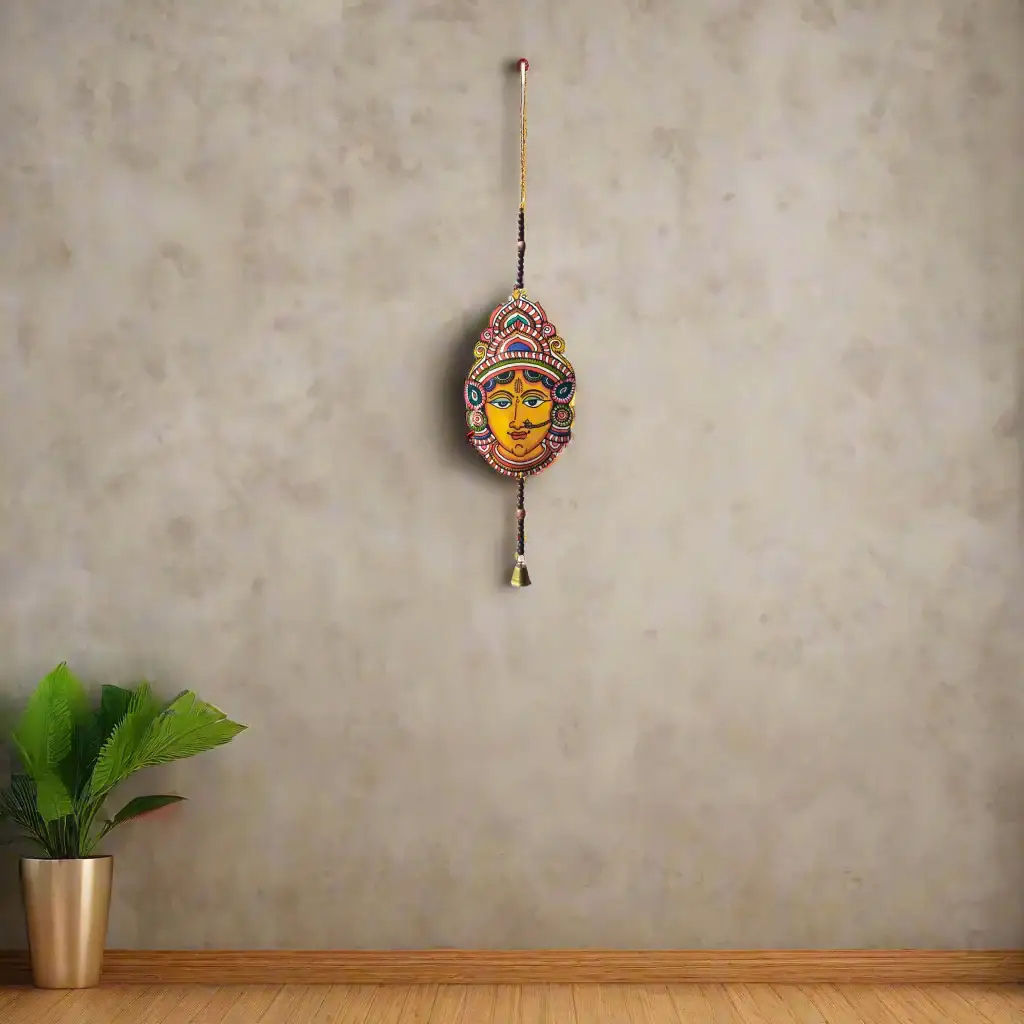
The Goddes Devi Leather Toran is a remarkable representation of India's rich traditional heritage. This exquisite form of leather puppetry, known as Tholu Bommalata in Andhra Pradesh and neighboring regions, has been practiced for centuries. It is a traditional shadow puppetry art where translucent leather figures tell epic stories from the Ramayana, Mahabharata, and Puranas. Each puppet stands as a symbol of skilled craftsmanship and cultural expression, making it a treasured artisan Devi decorative piece cherished by collectors and devotees alike.
Rooted deeply in ancient Indian culture, this puppetry art features intricately carved and hand-painted figures. These puppets are designed to create enchanting visual effects when illuminated from behind. The Goddes Devi Leather Toran embodies not only folklore but also a legacy of artistic mastery passed through generations of artisans.
The Art and Craftsmanship of Goddes Devi Leather Torans
The puppets featured in this art form are meticulously hand-crafted with great care. Artisans use natural dyes to paint these figures with vivid colors. Their bodies are pierced with delicate patterns that allow light to pass through, creating stunning colors and shadows. When lit from behind with oil lamps or modern lighting, these puppets come alive with vibrant hues. This adds an immersive, magical dimension to traditional Indian storytelling. Such artistry makes the Goddes Devi Leather Torans a unique fusion of culture, craft, and celebration.
This detailed handwork is closely linked to the creation of the hand-crafted Devi door hanging. Like the leather toran for pooja room, these works focus on vibrant designs and sacred iconography. Each piece is more than decoration — it carries spiritual and cultural symbolism that connects homes to their heritage.
History and Cultural Importance
The tradition of leather puppetry dates back to at least the 3rd century BCE. It flourished under the support of ancient rulers and was associated closely with temple rituals. Puppets are crafted mainly from goat or deer leather, which is specially treated to appear translucent yet durable. Artisans apply intricate paintwork and ornamental motifs that reflect local customs and regional styles, preserving cultural identity.
Beyond entertainment, this art form served as a vehicle for moral and spiritual education in village communities. Performances often included live music and folk instruments, narrated in native languages. This created festive occasions that were both educational and spiritually uplifting. The tradition is deeply connected to the handcrafted Hindu deity toran and the practice of Devi wall and door hanging found widely in Indian homes.
Goddes Devi Leather Torans: A Timeless Indian Folk Art Toran
The cultural significance of the Goddes Devi Leather Torans are well established. Andhra Pradesh leather puppetry holds a prestigious Geographical Indication (GI) tag. This status legally protects the craft, honoring its authenticity and ensuring its preservation. The GI recognition helps maintain the art form for future generations, celebrating Indian folk art proudly.
Today, artisan families continue this age-old tradition. They creatively adapt the craft into lampshades, wall hangings, and other modern decorative items. Despite innovations, the original spirituality and charm are preserved. The auspicious leather toran decor remains a popular choice for those seeking to add a sacred aura to their homes.
Applications and Symbolism
The Goddes Devi Leather Torans are commonly used in Indian homes and temples to invite goodwill and positive energy. It is ideally placed above doors, windows, or entryways to enhance the overall ambiance. Its placement, like a traditional Indian door decor, is considered auspicious and often conforms to Vastu principles.
Whether displayed as part of festive celebrations or as a daily spiritual symbol, this toran adds an ethnic and joyous touch to any setting. Its symbolism as an artisan Devi decorative piece stands for protection, prosperity, and blessings, making it a cherished ornament in many households.
Preserving the Craft Through Generations
The art of making the Goddes Devi Leather Toran is passed meticulously from one generation to the next. Every toran reflects careful attention to detail, brilliant use of colors, and time-honored traditional techniques. This heritage craft extends beyond mere decoration; it tells stories, preserves culture, and fosters spirituality.
The natural beauty and durability of leather ensure these torans last long and often become family heirlooms. Their importance in festivals, daily worship, and home decoration highlights the continued relevance of this unique Indian folk art toran in modern life.
Original: $3.75
-70%$3.75
$1.12Product Information
Product Information
Shipping & Returns
Shipping & Returns
Description
Cultural Goddes Devi Leather Toran: An Ancient Art Form
The Goddes Devi Leather Toran is a remarkable representation of India's rich traditional heritage. This exquisite form of leather puppetry, known as Tholu Bommalata in Andhra Pradesh and neighboring regions, has been practiced for centuries. It is a traditional shadow puppetry art where translucent leather figures tell epic stories from the Ramayana, Mahabharata, and Puranas. Each puppet stands as a symbol of skilled craftsmanship and cultural expression, making it a treasured artisan Devi decorative piece cherished by collectors and devotees alike.
Rooted deeply in ancient Indian culture, this puppetry art features intricately carved and hand-painted figures. These puppets are designed to create enchanting visual effects when illuminated from behind. The Goddes Devi Leather Toran embodies not only folklore but also a legacy of artistic mastery passed through generations of artisans.
The Art and Craftsmanship of Goddes Devi Leather Torans
The puppets featured in this art form are meticulously hand-crafted with great care. Artisans use natural dyes to paint these figures with vivid colors. Their bodies are pierced with delicate patterns that allow light to pass through, creating stunning colors and shadows. When lit from behind with oil lamps or modern lighting, these puppets come alive with vibrant hues. This adds an immersive, magical dimension to traditional Indian storytelling. Such artistry makes the Goddes Devi Leather Torans a unique fusion of culture, craft, and celebration.
This detailed handwork is closely linked to the creation of the hand-crafted Devi door hanging. Like the leather toran for pooja room, these works focus on vibrant designs and sacred iconography. Each piece is more than decoration — it carries spiritual and cultural symbolism that connects homes to their heritage.
History and Cultural Importance
The tradition of leather puppetry dates back to at least the 3rd century BCE. It flourished under the support of ancient rulers and was associated closely with temple rituals. Puppets are crafted mainly from goat or deer leather, which is specially treated to appear translucent yet durable. Artisans apply intricate paintwork and ornamental motifs that reflect local customs and regional styles, preserving cultural identity.
Beyond entertainment, this art form served as a vehicle for moral and spiritual education in village communities. Performances often included live music and folk instruments, narrated in native languages. This created festive occasions that were both educational and spiritually uplifting. The tradition is deeply connected to the handcrafted Hindu deity toran and the practice of Devi wall and door hanging found widely in Indian homes.
Goddes Devi Leather Torans: A Timeless Indian Folk Art Toran
The cultural significance of the Goddes Devi Leather Torans are well established. Andhra Pradesh leather puppetry holds a prestigious Geographical Indication (GI) tag. This status legally protects the craft, honoring its authenticity and ensuring its preservation. The GI recognition helps maintain the art form for future generations, celebrating Indian folk art proudly.
Today, artisan families continue this age-old tradition. They creatively adapt the craft into lampshades, wall hangings, and other modern decorative items. Despite innovations, the original spirituality and charm are preserved. The auspicious leather toran decor remains a popular choice for those seeking to add a sacred aura to their homes.
Applications and Symbolism
The Goddes Devi Leather Torans are commonly used in Indian homes and temples to invite goodwill and positive energy. It is ideally placed above doors, windows, or entryways to enhance the overall ambiance. Its placement, like a traditional Indian door decor, is considered auspicious and often conforms to Vastu principles.
Whether displayed as part of festive celebrations or as a daily spiritual symbol, this toran adds an ethnic and joyous touch to any setting. Its symbolism as an artisan Devi decorative piece stands for protection, prosperity, and blessings, making it a cherished ornament in many households.
Preserving the Craft Through Generations
The art of making the Goddes Devi Leather Toran is passed meticulously from one generation to the next. Every toran reflects careful attention to detail, brilliant use of colors, and time-honored traditional techniques. This heritage craft extends beyond mere decoration; it tells stories, preserves culture, and fosters spirituality.
The natural beauty and durability of leather ensure these torans last long and often become family heirlooms. Their importance in festivals, daily worship, and home decoration highlights the continued relevance of this unique Indian folk art toran in modern life.