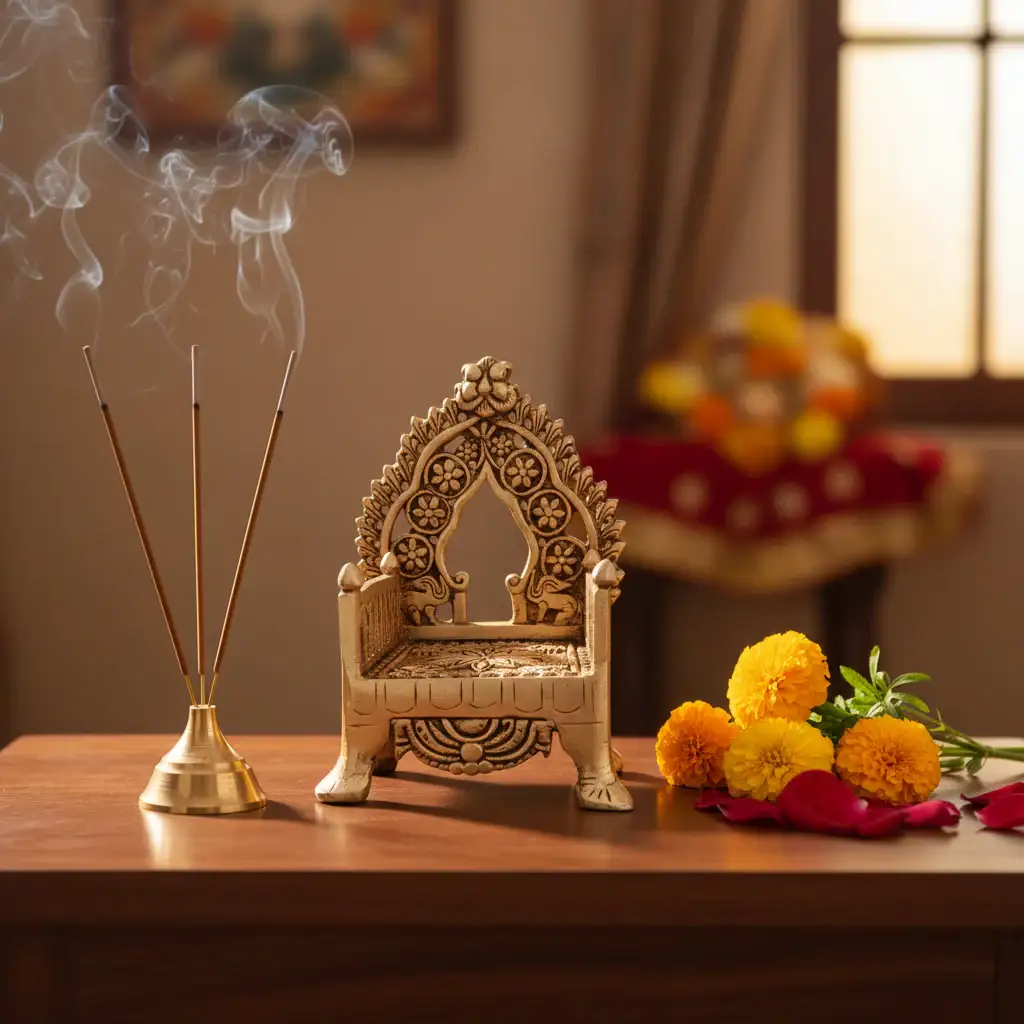
Brass Throne Simhasan – Handcrafted Traditional Indian Simhasana for Idols
Brass Throne Simhasan – Handcrafted Traditional Indian Simhasana for Idols
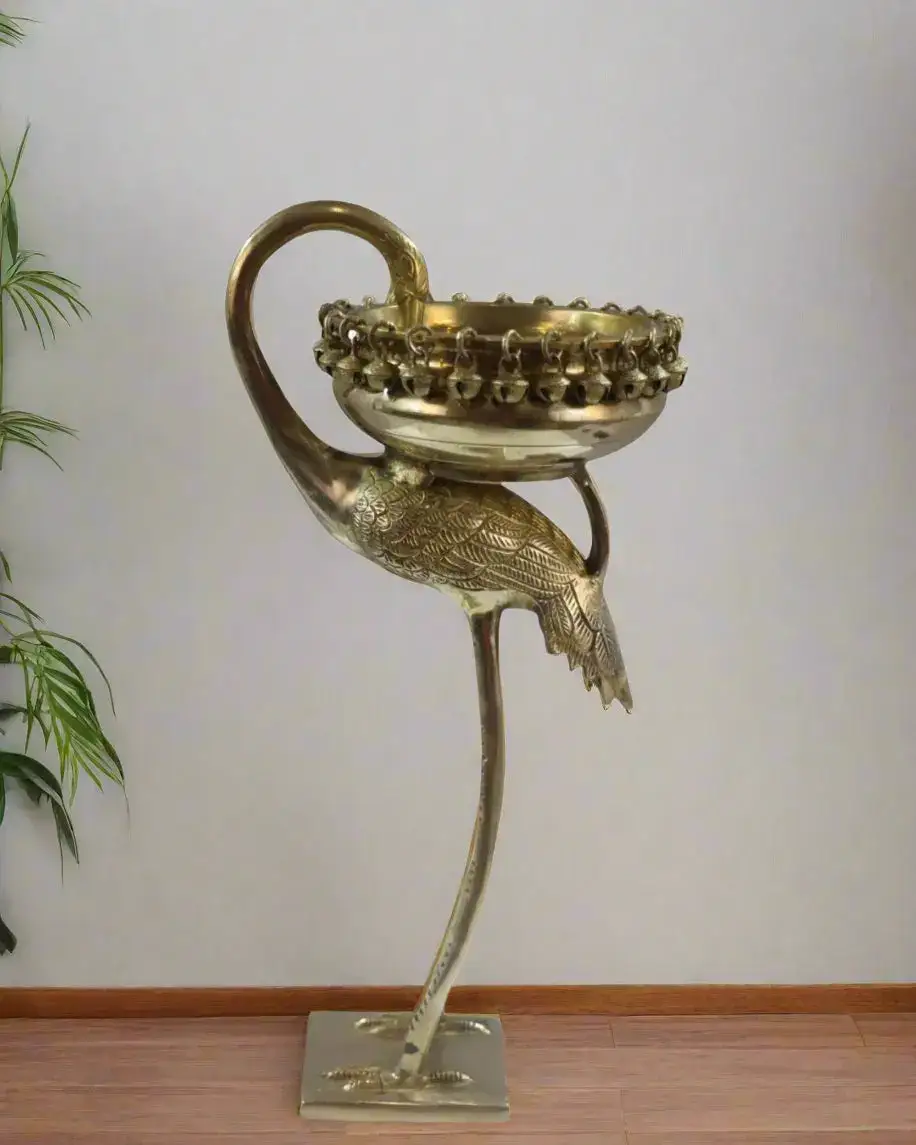
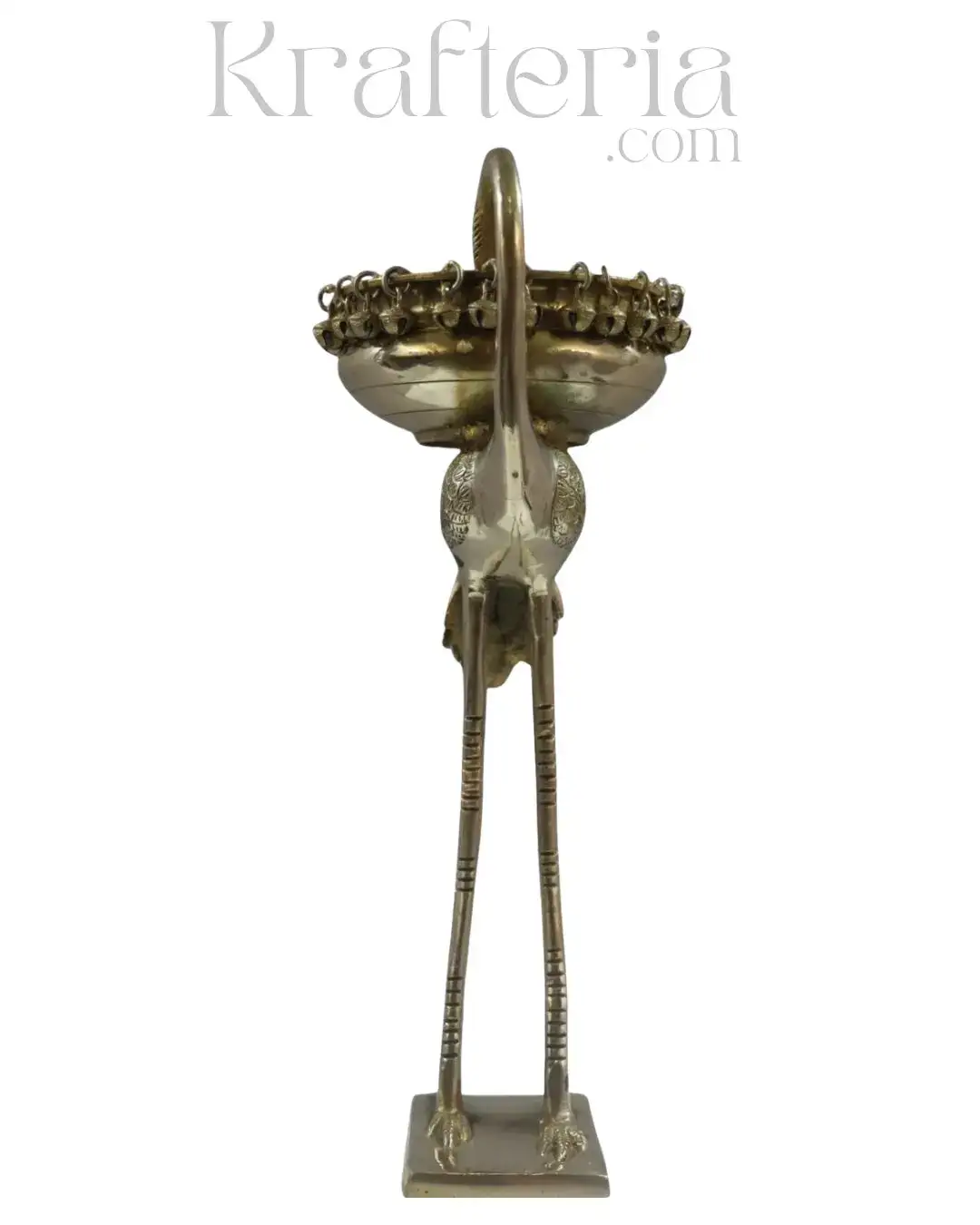
The Brass Throne Simhasan is a prime example of Delhi's centuries-old metalwork tradition. This craft highlights the skill of master artisans specializing in metal casting and detailed ornamentation. Deeply embedded in India's cultural and religious fabric, this art produces a wide range of exquisite objects. These include intricately designed idols of Hindu deities and decorative, utilitarian pieces.
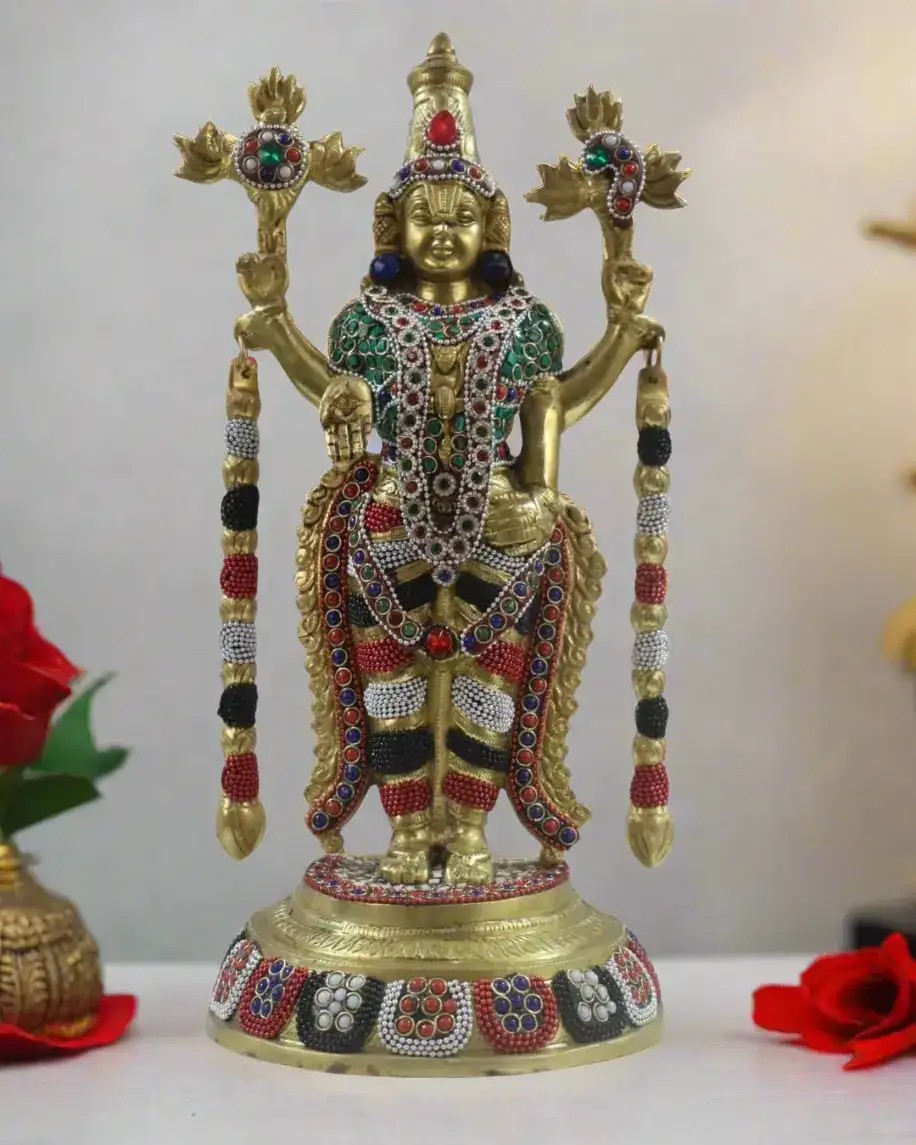
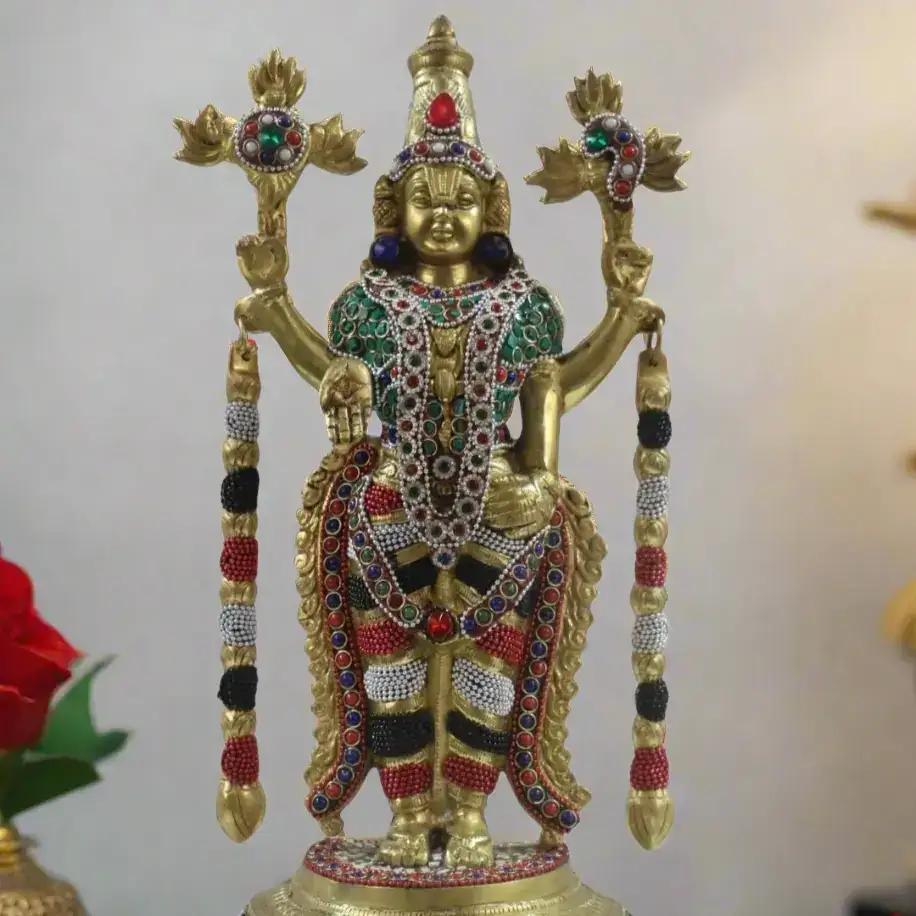
Among the most notable creations are statues of gods and goddesses such as Ganesha, Shiva, Durga, and Krishna. These statues often feature finely carved details and polished surfaces. Some pieces are enhanced with gold plating, amplifying their divine aura and sacred presence.
Artistic Heritage of Metalwork in Delhi
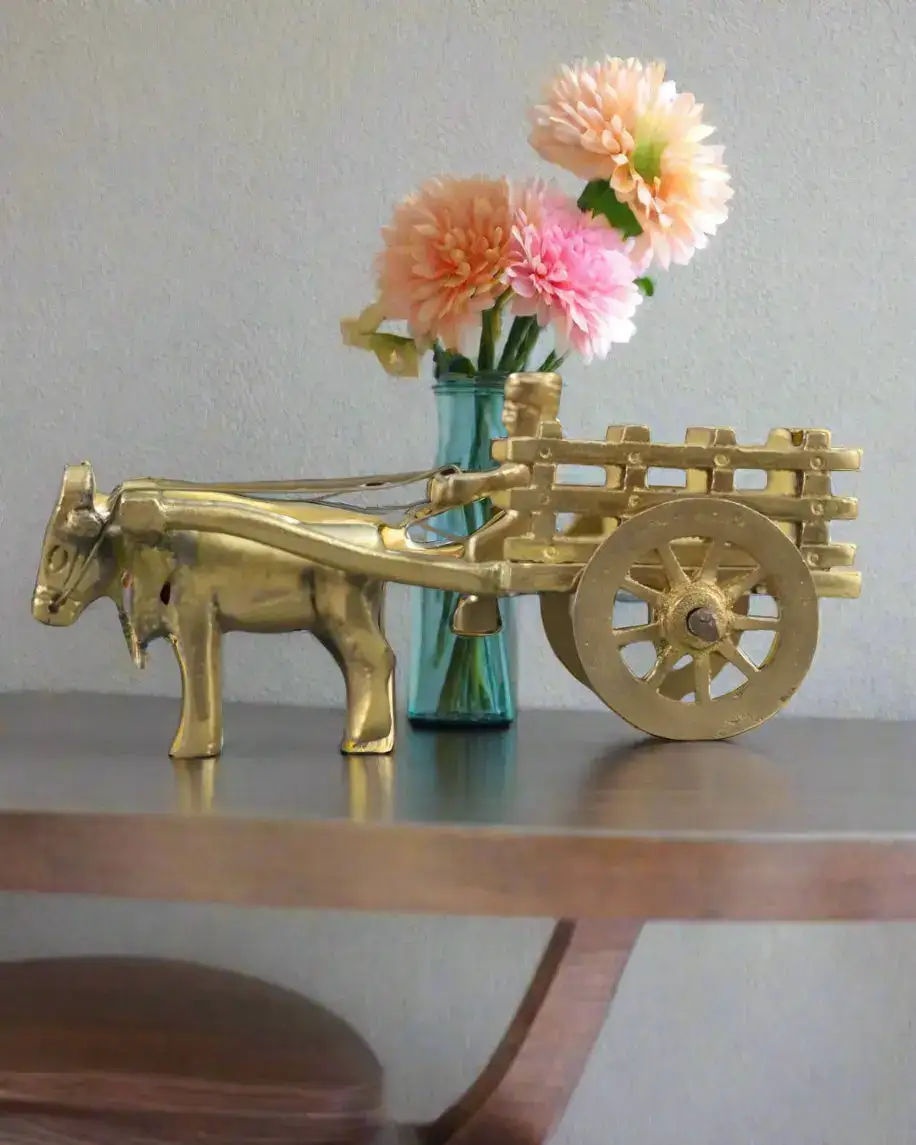
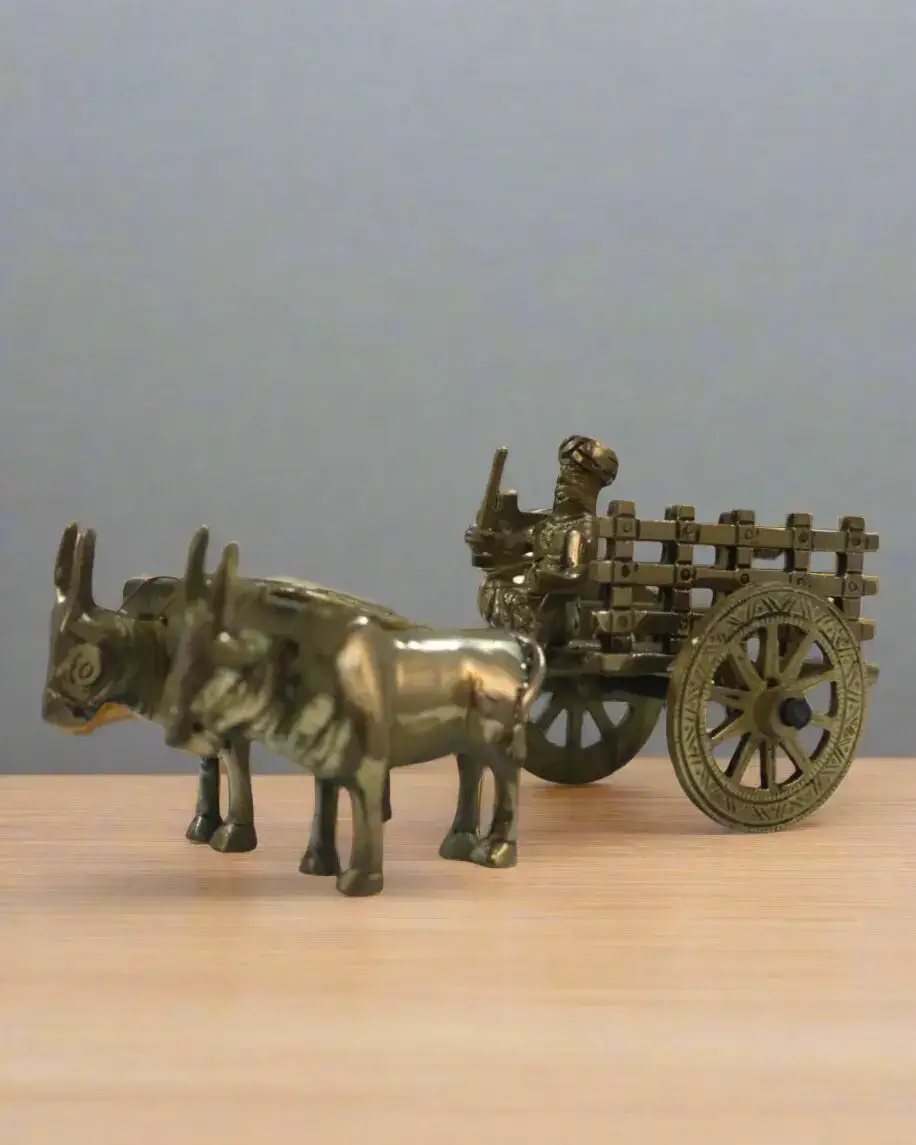
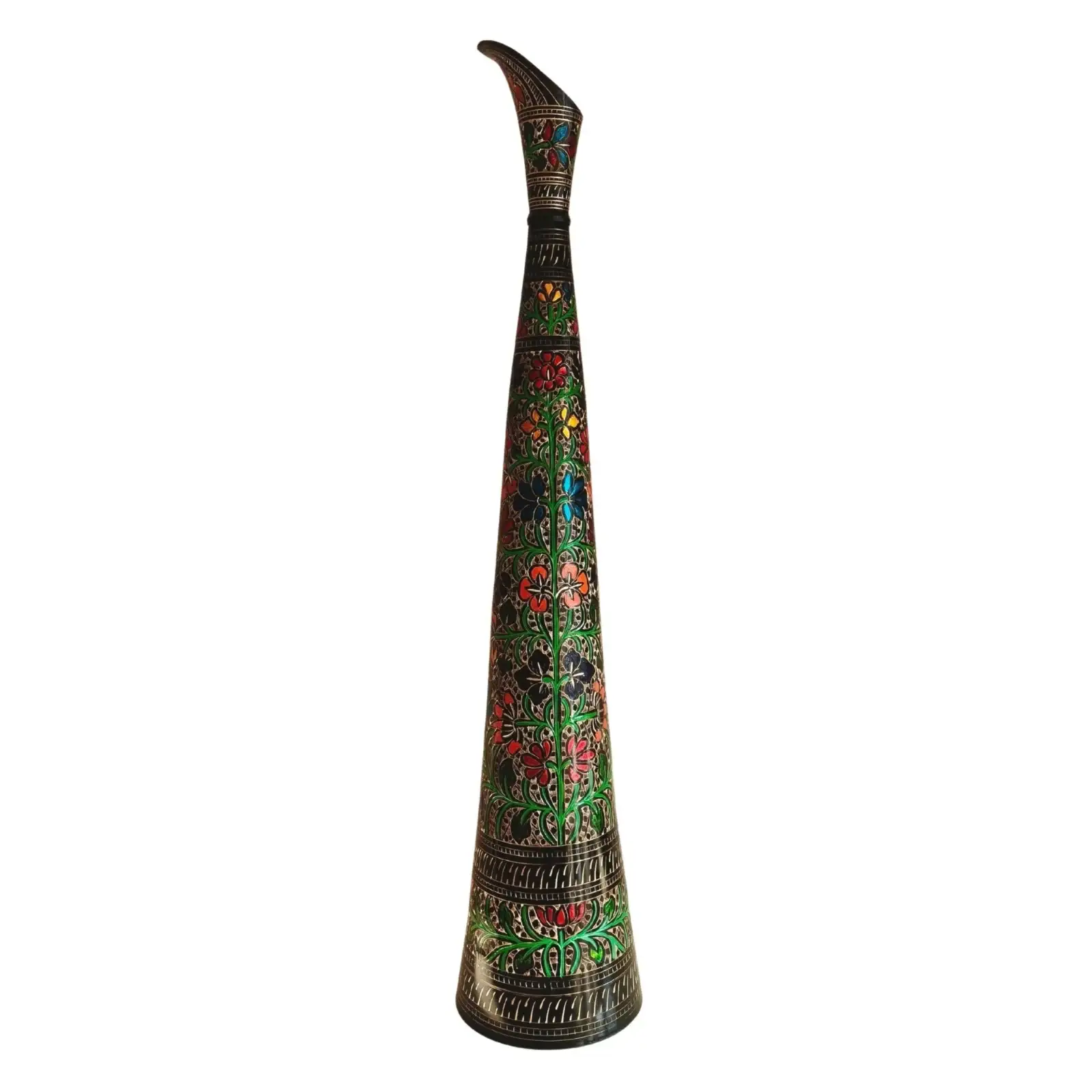
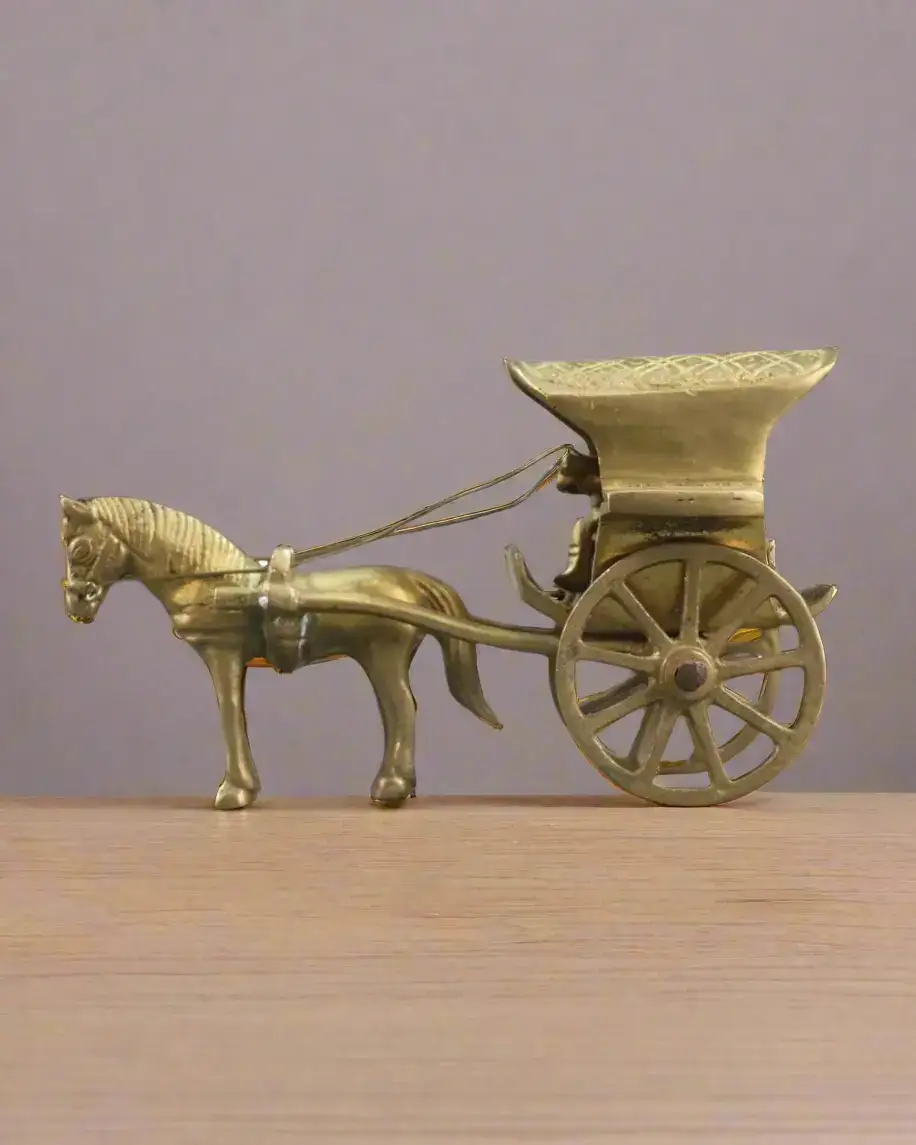
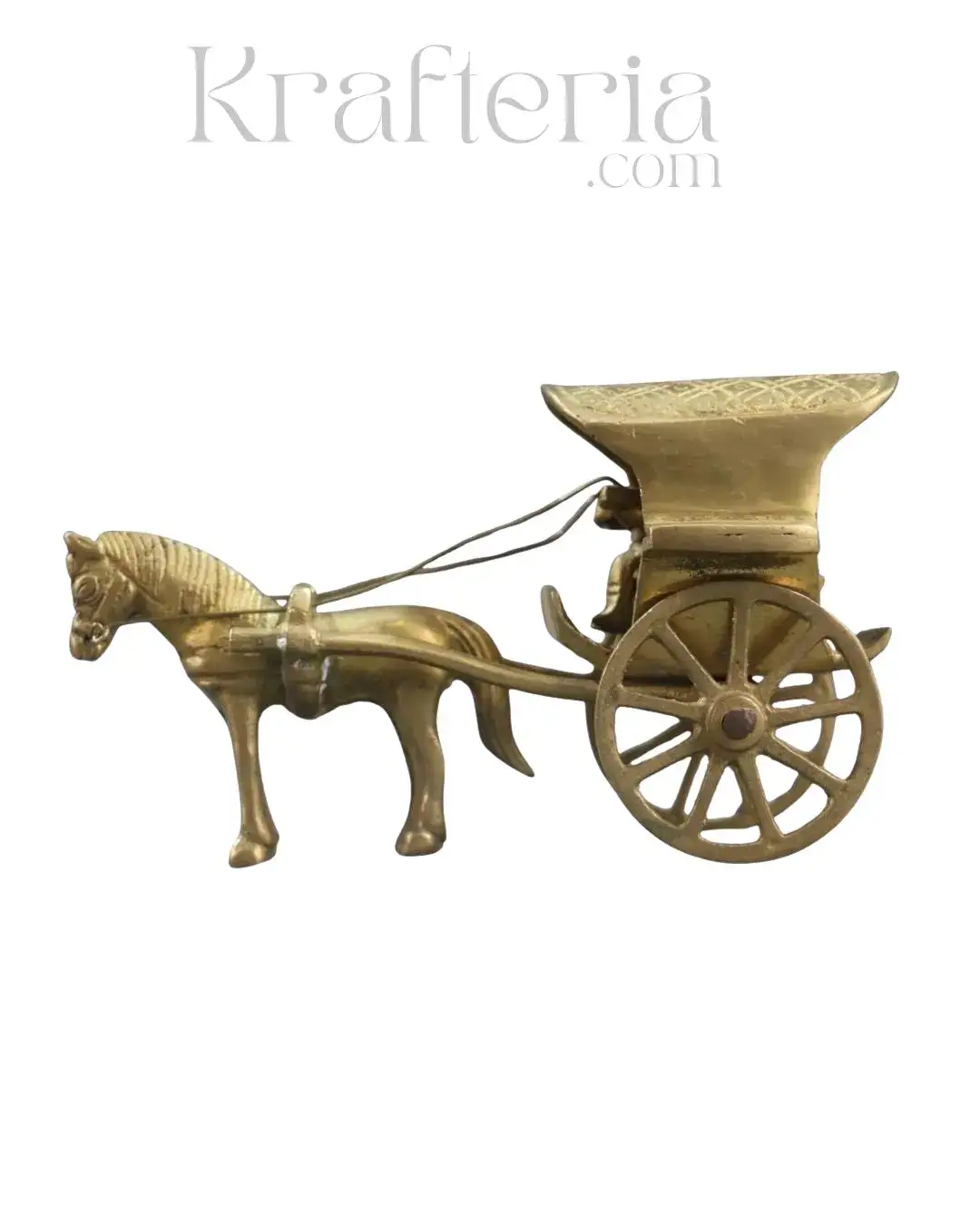
Delhi’s rich metalworking heritage includes more than religious symbols. It extends to secular art as well. Artisans craft decorative sculptures of animals like horses, bulls, and elephants. They also create beautiful vases, lamps, and various home décor items. Collectively, these pieces contribute to a culturally rich artisan legacy.
The techniques used are time-honored, with the historic 'lost-wax casting' method (cire perdue) being especially important. This traditional process allows craftsmen to create hollow, complex forms with fine precision. Modern workshops combine traditional methods with contemporary foundry techniques to improve production efficiency while retaining the charm of metal artwork.
Finishing techniques such as engraving, embossing, and etching add depth and texture to each piece. These methods showcase geometric patterns, floral motifs, or narrative scenes. The durability and timeless appearance of these items make them highly prized heirlooms and collectibles all over the world.
This vibrant tradition continues to evolve. Current artists skillfully blend classical styles with modern designs, catering to global tastes while preserving the legacy of Delhi-based metalworkers. These craftsmen keep the ancient craft alive, honoring its rich history.
Brass Throne Simhasan Craftsmanship
Each seat is carefully crafted to reflect both traditional techniques and cultural significance. The unique handcrafted nature ensures every simhasan is a piece of fine artistry. This makes it highly sought after by devotees and collectors who appreciate exquisite metalwork.
The intricate designs demonstrate the profound skill and dedication of artisans. Every handcrafted platform is a labor of love, symbolizing not only functionality but also spiritual reverence. This craftsmanship preserves an artistic legacy while providing meaningful decorative utility within homes or temples.
Design Elements and Religious Importance of the Seat
The ornamental elements of these handcrafted seats are steeped in religious symbolism. This enhances their spiritual significance and sacred aura. Artisans carefully shape every curve and pattern to embed stories and cultural beliefs integral to Indian traditions.
This detailed artistry adds both visual appeal and deep meaning. The platform serves a purpose beyond decoration; it is a sacred space designed to house deity idols in homes and places of worship. These qualities collectively elevate the throne as a treasured spiritual asset.
Symbolism and Cultural Significance of the Throne
The throne itself symbolizes honor and the presence of the divine. It sanctifies the space where deity idols rest and promotes a sacred ambiance for worshippers. The material is traditionally regarded as auspicious, helping enhance spiritual harmony within the environment.
In many Indian traditions, the seat is more than simple furniture. It represents respect, power, and devotion. By embodying these values, it beautifully melds artistry with profound religious significance. This showcases craftsmanship deeply rooted in India’s cultural beliefs and spiritual heritage.
Continued Legacy and Modern Appreciation
The Brass Throne Simhasan exemplifies a meaningful blend of tradition and modern artistic vision. Its popularity spans India and reaches global audiences, reflecting the timeless appeal of this artistic expression. Devotees and collectors cherish the throne for its unique craftsmanship and cultural value.
Contemporary artisans continue preserving traditional crafting techniques while adapting to evolving tastes. This dedication ensures the throne's legacy thrives for future generations. The simhasan remains a symbol of India’s rich metalwork heritage, embodying history, culture, and devotion within a single, exquisite piece.
Product Information
Product Information
Shipping & Returns
Shipping & Returns
Description
Brass Throne Simhasan – Handcrafted Traditional Indian Simhasana for Idols
The Brass Throne Simhasan is a prime example of Delhi's centuries-old metalwork tradition. This craft highlights the skill of master artisans specializing in metal casting and detailed ornamentation. Deeply embedded in India's cultural and religious fabric, this art produces a wide range of exquisite objects. These include intricately designed idols of Hindu deities and decorative, utilitarian pieces.
Among the most notable creations are statues of gods and goddesses such as Ganesha, Shiva, Durga, and Krishna. These statues often feature finely carved details and polished surfaces. Some pieces are enhanced with gold plating, amplifying their divine aura and sacred presence.
Artistic Heritage of Metalwork in Delhi
Delhi’s rich metalworking heritage includes more than religious symbols. It extends to secular art as well. Artisans craft decorative sculptures of animals like horses, bulls, and elephants. They also create beautiful vases, lamps, and various home décor items. Collectively, these pieces contribute to a culturally rich artisan legacy.
The techniques used are time-honored, with the historic 'lost-wax casting' method (cire perdue) being especially important. This traditional process allows craftsmen to create hollow, complex forms with fine precision. Modern workshops combine traditional methods with contemporary foundry techniques to improve production efficiency while retaining the charm of metal artwork.
Finishing techniques such as engraving, embossing, and etching add depth and texture to each piece. These methods showcase geometric patterns, floral motifs, or narrative scenes. The durability and timeless appearance of these items make them highly prized heirlooms and collectibles all over the world.
This vibrant tradition continues to evolve. Current artists skillfully blend classical styles with modern designs, catering to global tastes while preserving the legacy of Delhi-based metalworkers. These craftsmen keep the ancient craft alive, honoring its rich history.
Brass Throne Simhasan Craftsmanship
Each seat is carefully crafted to reflect both traditional techniques and cultural significance. The unique handcrafted nature ensures every simhasan is a piece of fine artistry. This makes it highly sought after by devotees and collectors who appreciate exquisite metalwork.
The intricate designs demonstrate the profound skill and dedication of artisans. Every handcrafted platform is a labor of love, symbolizing not only functionality but also spiritual reverence. This craftsmanship preserves an artistic legacy while providing meaningful decorative utility within homes or temples.
Design Elements and Religious Importance of the Seat
The ornamental elements of these handcrafted seats are steeped in religious symbolism. This enhances their spiritual significance and sacred aura. Artisans carefully shape every curve and pattern to embed stories and cultural beliefs integral to Indian traditions.
This detailed artistry adds both visual appeal and deep meaning. The platform serves a purpose beyond decoration; it is a sacred space designed to house deity idols in homes and places of worship. These qualities collectively elevate the throne as a treasured spiritual asset.
Symbolism and Cultural Significance of the Throne
The throne itself symbolizes honor and the presence of the divine. It sanctifies the space where deity idols rest and promotes a sacred ambiance for worshippers. The material is traditionally regarded as auspicious, helping enhance spiritual harmony within the environment.
In many Indian traditions, the seat is more than simple furniture. It represents respect, power, and devotion. By embodying these values, it beautifully melds artistry with profound religious significance. This showcases craftsmanship deeply rooted in India’s cultural beliefs and spiritual heritage.
Continued Legacy and Modern Appreciation
The Brass Throne Simhasan exemplifies a meaningful blend of tradition and modern artistic vision. Its popularity spans India and reaches global audiences, reflecting the timeless appeal of this artistic expression. Devotees and collectors cherish the throne for its unique craftsmanship and cultural value.
Contemporary artisans continue preserving traditional crafting techniques while adapting to evolving tastes. This dedication ensures the throne's legacy thrives for future generations. The simhasan remains a symbol of India’s rich metalwork heritage, embodying history, culture, and devotion within a single, exquisite piece.