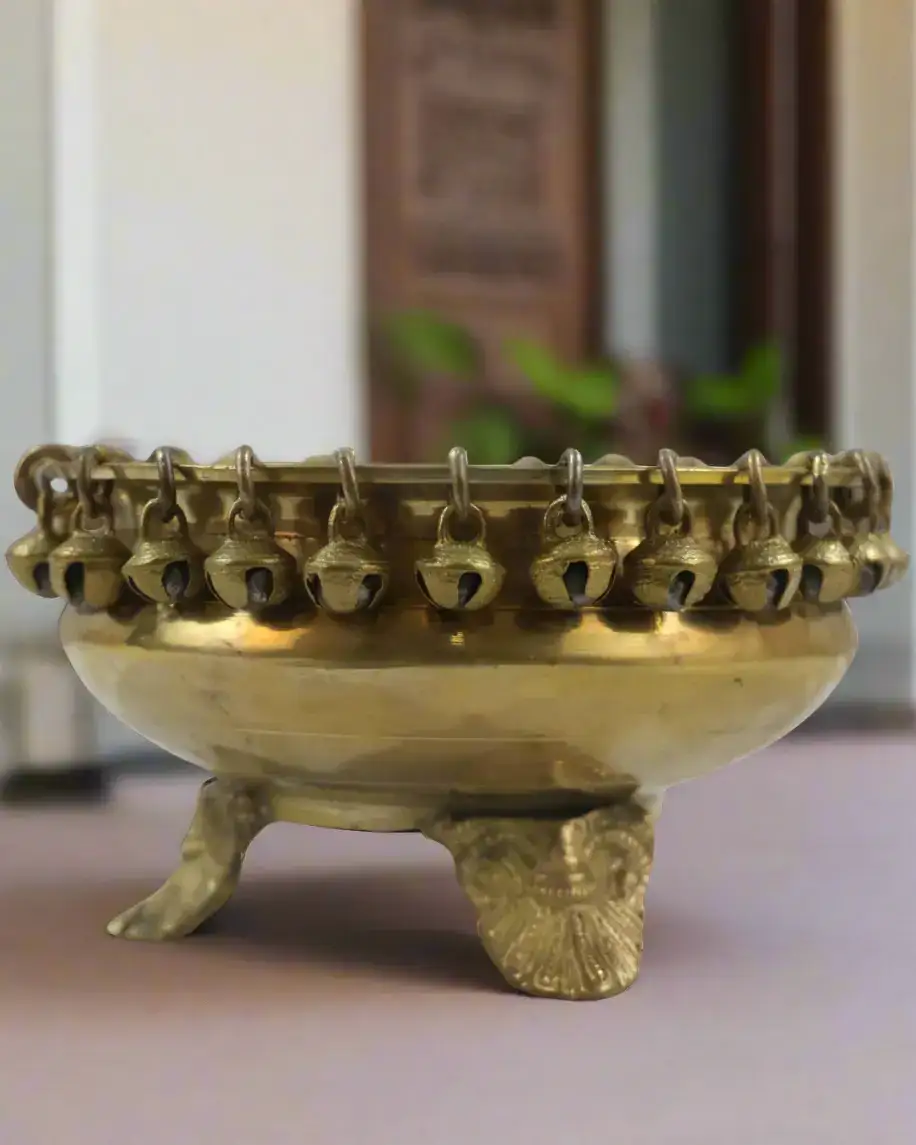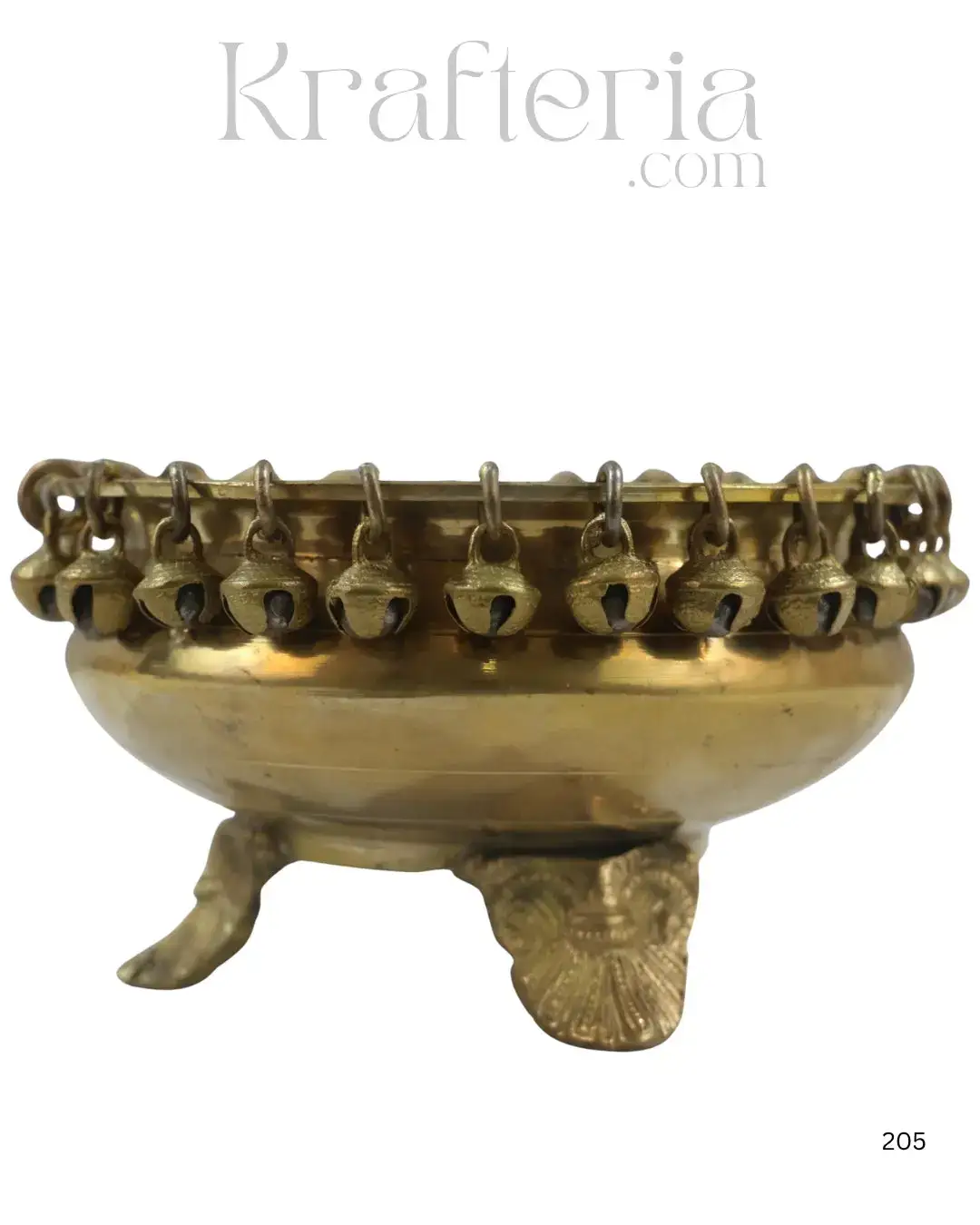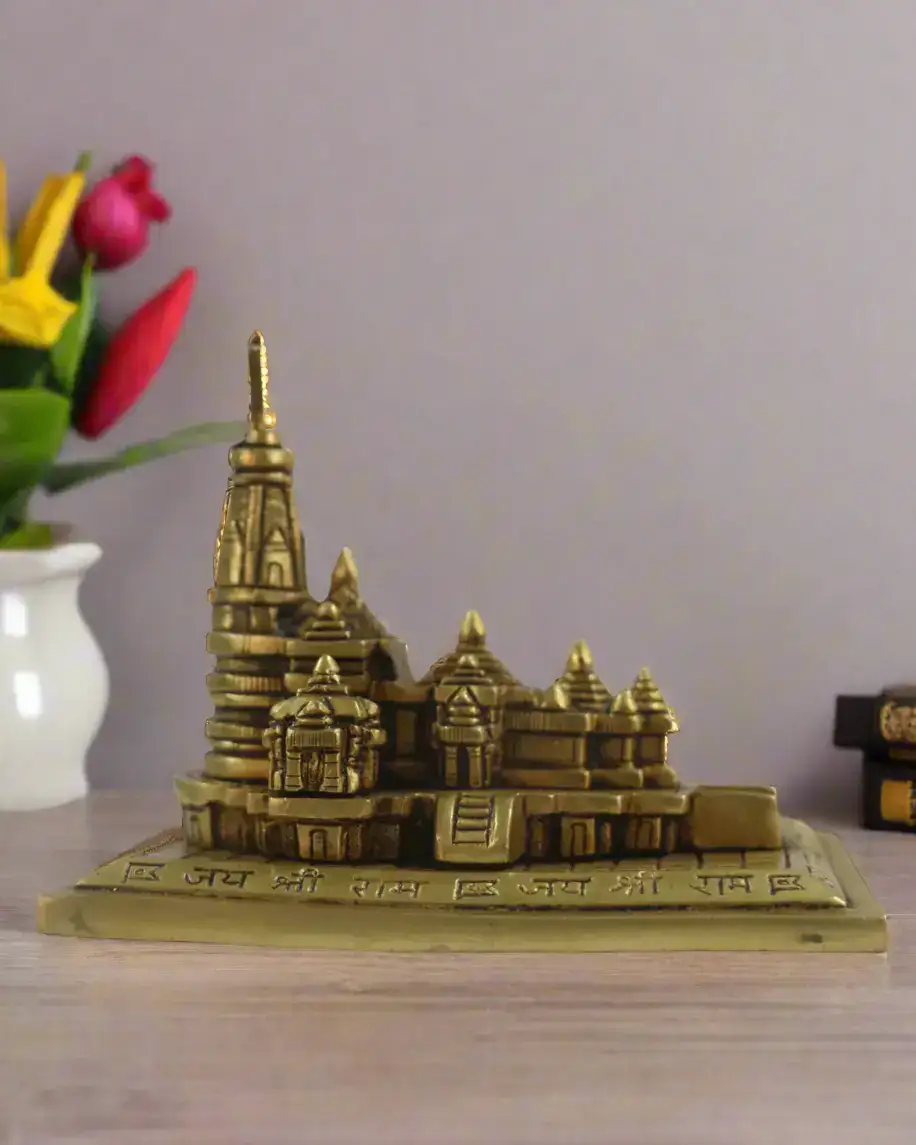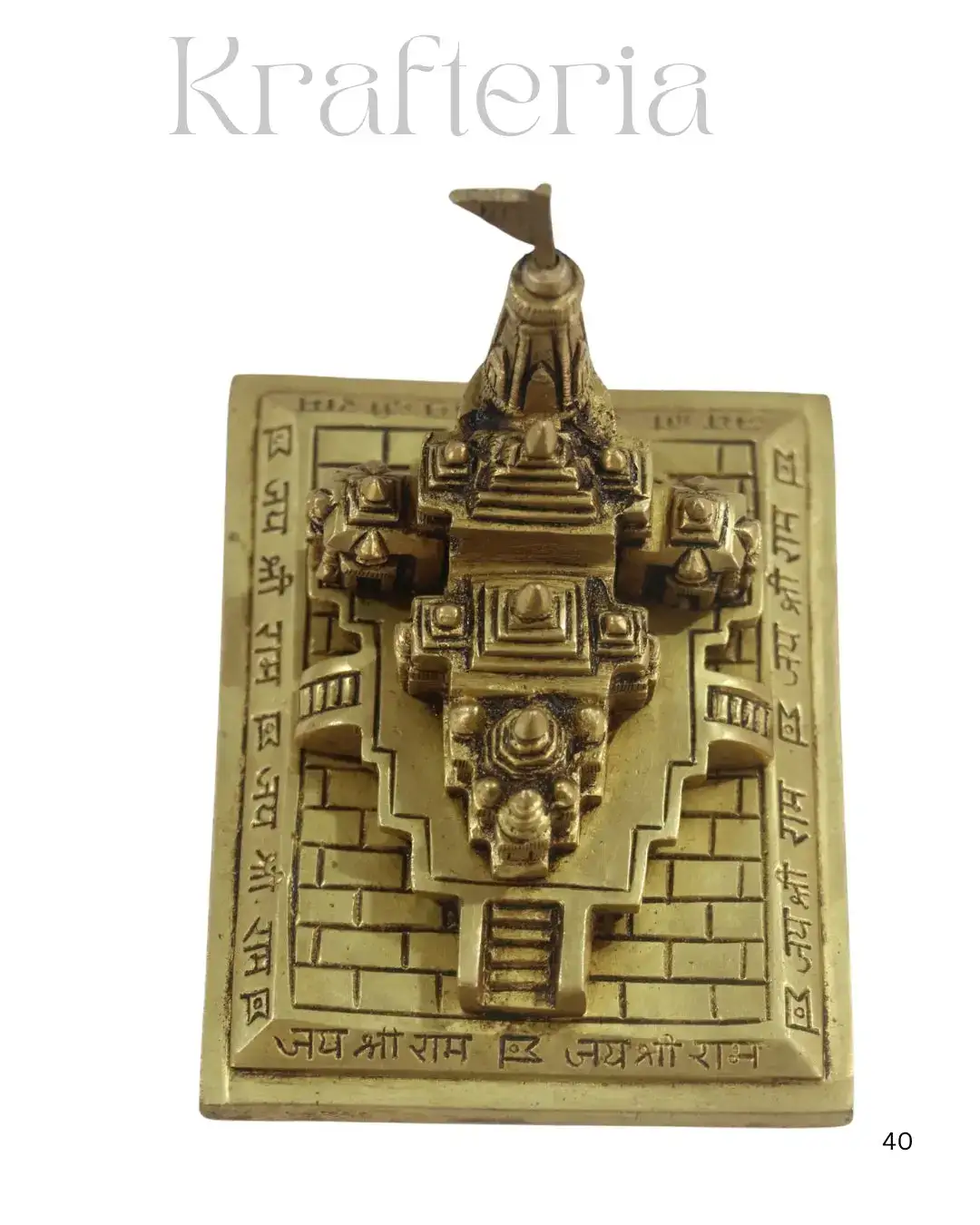
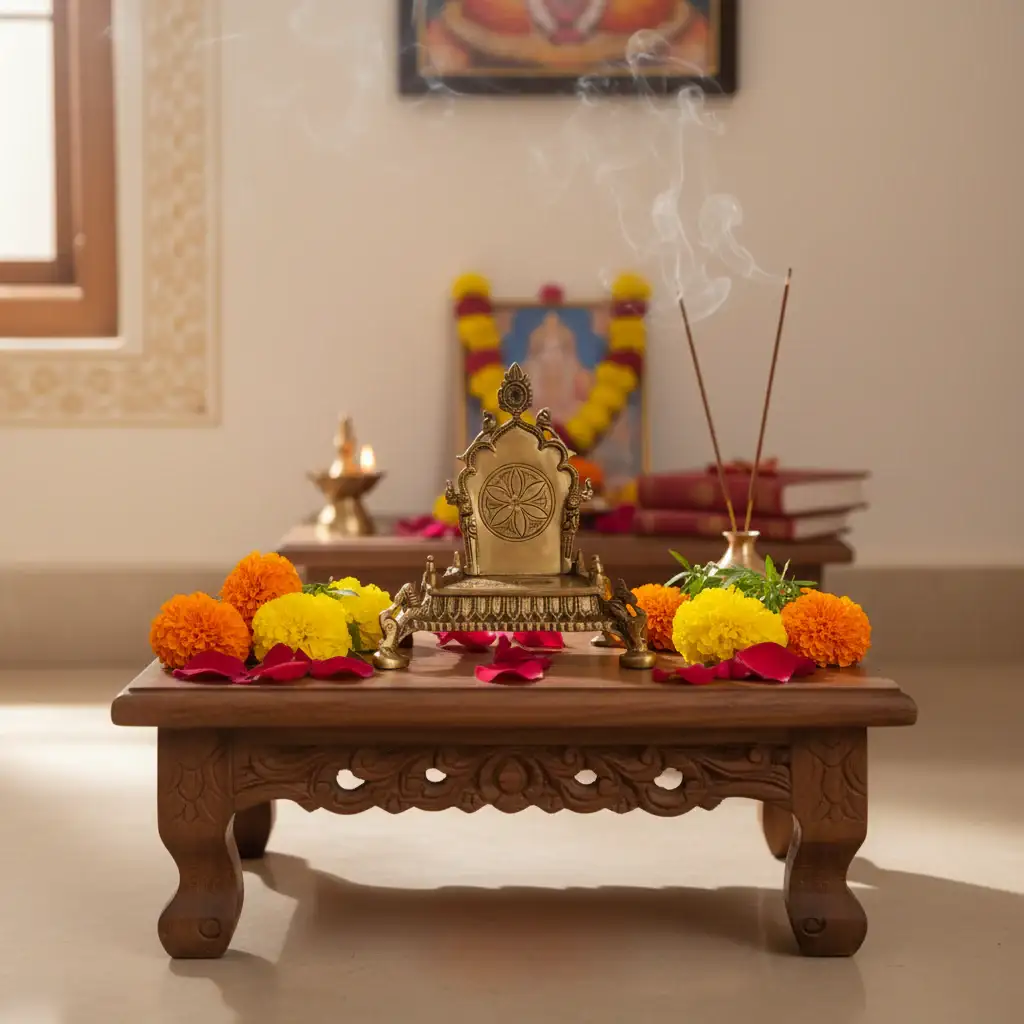
Ornate Brass Puja Singhasan (Throne)
Ornate Brass Puja Singhasan (Throne)
Brass Puja Singhasan from Aligarh, a historic city in Uttar Pradesh, holds a special place in India’s artistic and industrial heritage. Renowned for its brass craftsmanship and lock-making tradition, Aligarh’s metalwork dates back to the 18th century. This tradition flourished during the Mughal and early British periods, making Aligarh a major center for metal arts and engineering. Skilled artisans here mastered the alloying of copper and zinc to create brass with a unique lustrous finish.
Over the centuries, these craftsmen molded brass into functional products like locks and utensils, as well as idols and ornamental pieces. The local brasswork evolved from simple practical items to exquisite decorative artifacts, religious figures, and elegant home décor items. This Puja Singhasan embodies the rich craftsmanship legacy that Aligarh continues to maintain.
Traditional Production Process of Puja Singhasan
The making of a Puja Singhasan starts with melting brass sheets or scrap metal.
The molten brass is then cast into sand or clay molds to form the base shape of the throne. After cooling, each piece undergoes detailed hand-finishing techniques. Artisans file, engrave, and polish the surface to achieve smoothness and shine. Many also use traditional chasing and embossing methods to enrich the metal’s texture.
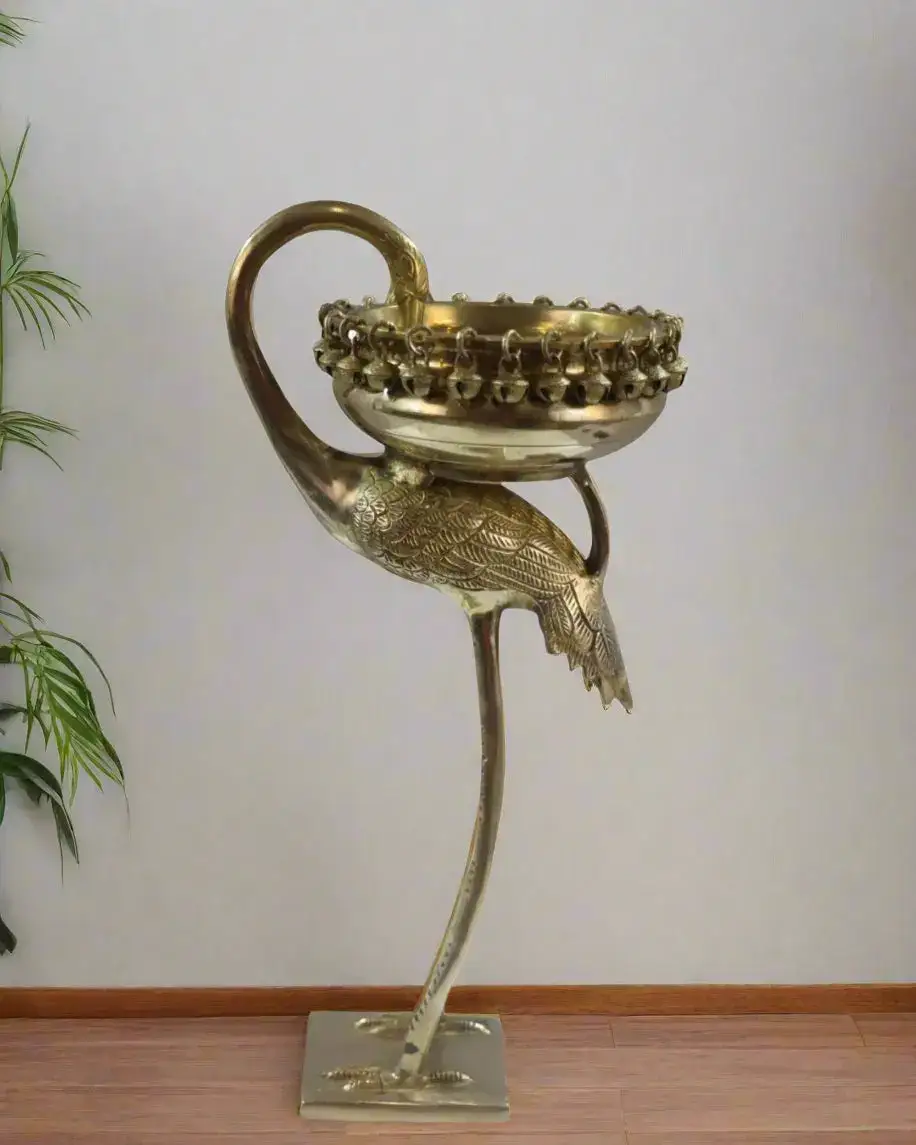
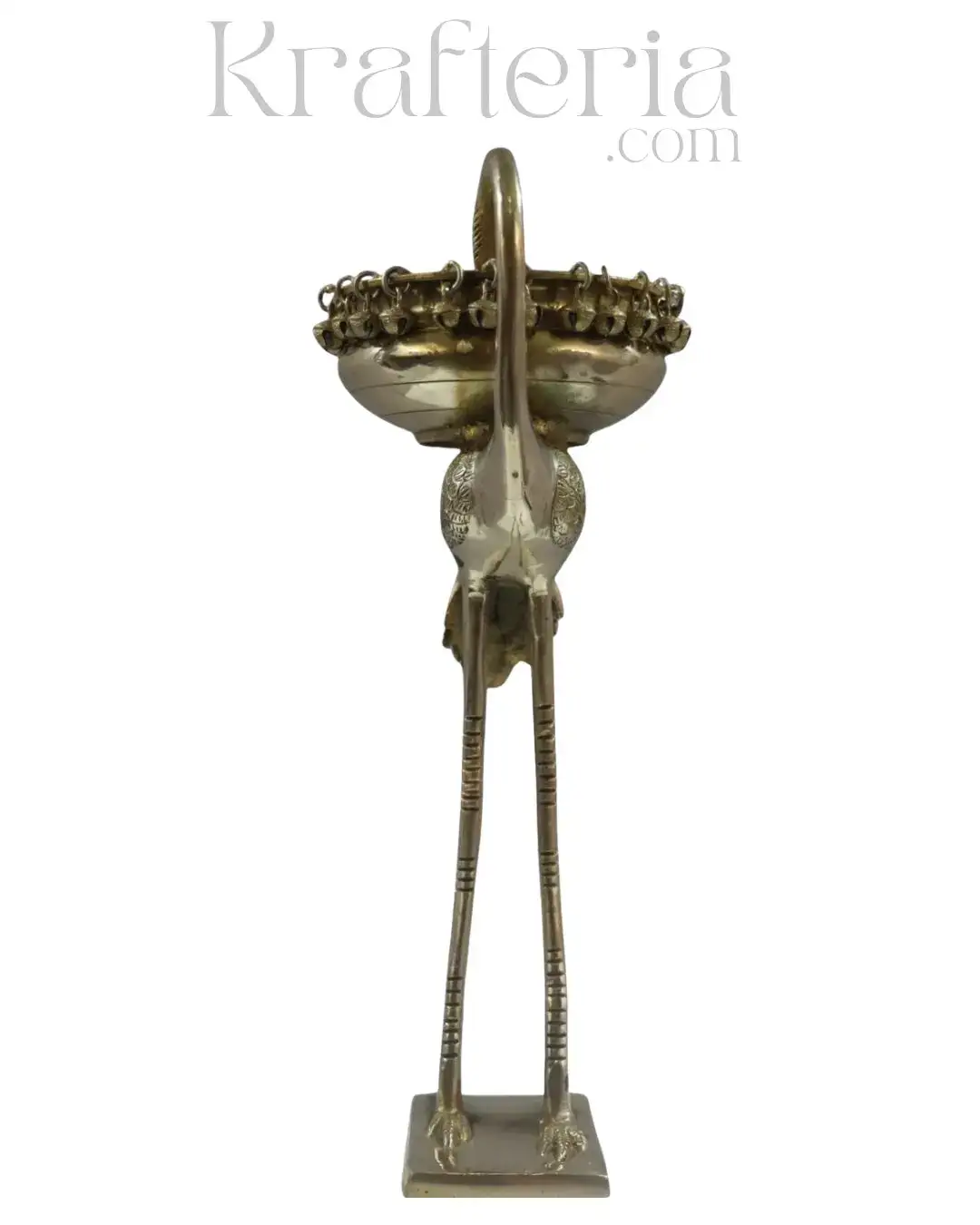
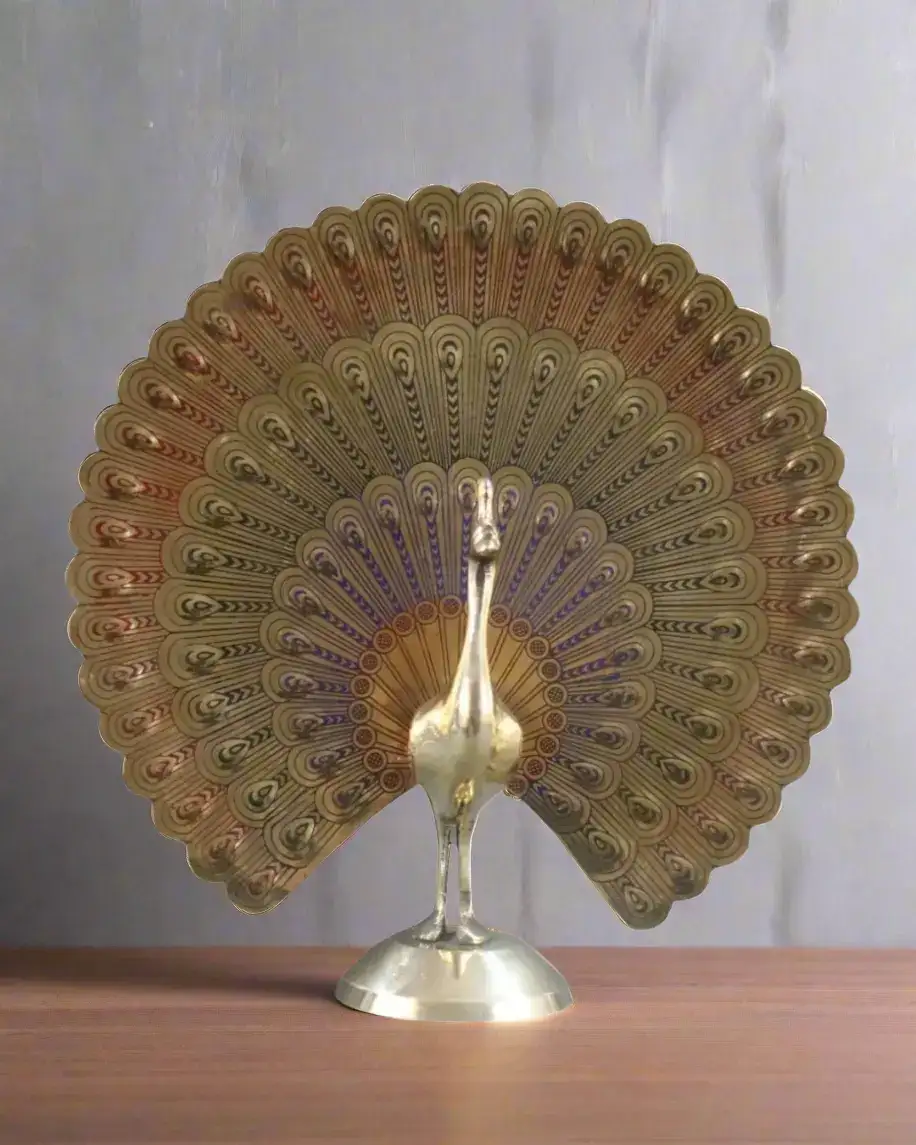
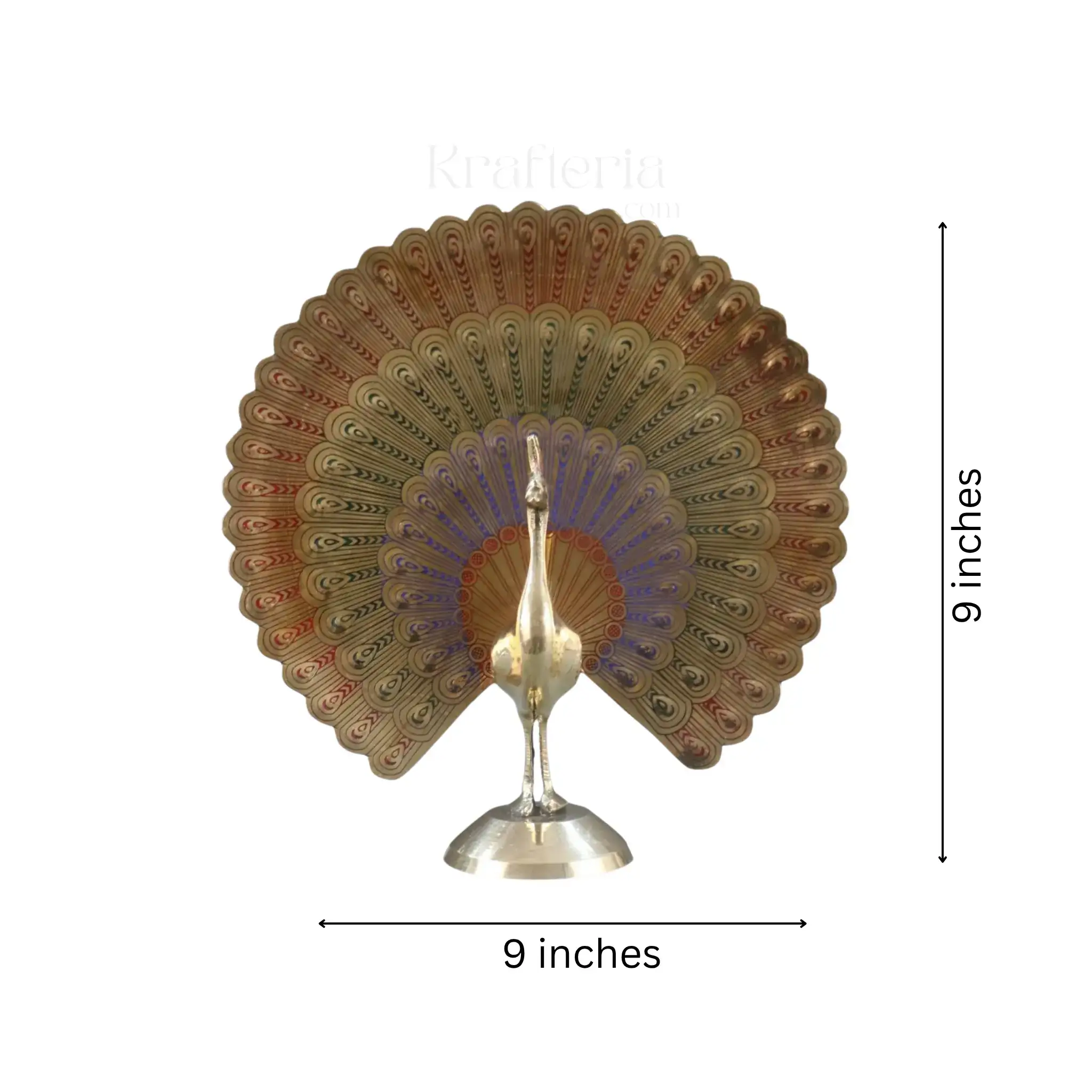
The intricate surface designs are inspired by Mughal floral patterns, geometric borders, and traditional Indian iconography. These motifs add depth and cultural symbolism to the item. The final product shines with the golden hue typical of Aligarh brassware, a sign of prosperity and fine artistry.
Artistry Behind Brass Puja Singhasan
Creating a Puja Singhasan involves several precise and skilled steps. Artisans first select premium brass sheets to ensure quality. The brass is heated until malleable, allowing it to be shaped easily. It is poured into carefully prepared molds designed to capture intricate details.
After cooling, the artisans file and polish the piece meticulously for a smooth and shiny finish. Expert engravers then carve traditional patterns and sacred symbols on the surface. This detailed handiwork makes each Puja Singhasan unique and culturally meaningful. The process reflects centuries of traditional artisan expertise passed down through generations in the region.
Decorative and Spiritual Significance
The Puja Singhasan serves as a sacred seat for idols during Hindu puja ceremonies. It elevates the deity idol, symbolizing respect, honor, and divine royalty. The decorative motifs often draw from mythology and ancient spiritual iconography, which add layers of meaning.
The brass material is favored for its durability and bright shine, representing purity and auspiciousness in religious settings. Such thrones are highly valued in homes and temples for enhancing the sanctity of ritual spaces. They become especially important during festive occasions like Durga Puja and Chhath Puja, blending artistic mastery with deep devotion.
Cultural Importance of Puja Singhasan
The Puja Singhasan is not just a decorative artifact, but a symbol of cultural heritage in Aligarh's famous brass industry. This item holds an esteemed place in puja traditions, linking the past with contemporary religious practices. Collectors and worshippers alike cherish these thrones as unique heirlooms.
Through this object, Aligarh’s rich legacy of brass craftsmanship continues to thrive. It bridges historic metalworking skills with spiritual devotion, highlighting the harmony between art and faith. This unity has sustained the brass industry’s reputation and its cultural relevance in India and abroad.
Care and Maintenance Tips
To keep a Brass Puja Singhasans looking its best, regular cleaning is recommended. Use a mild brass cleaner or a mixture of lemon juice and baking soda for natural polishing. Avoid abrasive materials that can damage the delicate surface patterns. Proper care helps preserve the brightness and intricate details of the singhasan for years to come.
When not in use, store the item in a dry place to prevent tarnishing. Polishing occasionally maintains its golden glow, making it a treasured centerpiece in any puja room or home temple. The durability of brass ensures that this sacred throne can be passed down as a valuable family artifact.
Product Information
Product Information
Shipping & Returns
Shipping & Returns
Description
Ornate Brass Puja Singhasan (Throne)
Brass Puja Singhasan from Aligarh, a historic city in Uttar Pradesh, holds a special place in India’s artistic and industrial heritage. Renowned for its brass craftsmanship and lock-making tradition, Aligarh’s metalwork dates back to the 18th century. This tradition flourished during the Mughal and early British periods, making Aligarh a major center for metal arts and engineering. Skilled artisans here mastered the alloying of copper and zinc to create brass with a unique lustrous finish.
Over the centuries, these craftsmen molded brass into functional products like locks and utensils, as well as idols and ornamental pieces. The local brasswork evolved from simple practical items to exquisite decorative artifacts, religious figures, and elegant home décor items. This Puja Singhasan embodies the rich craftsmanship legacy that Aligarh continues to maintain.
Traditional Production Process of Puja Singhasan
The making of a Puja Singhasan starts with melting brass sheets or scrap metal.
The molten brass is then cast into sand or clay molds to form the base shape of the throne. After cooling, each piece undergoes detailed hand-finishing techniques. Artisans file, engrave, and polish the surface to achieve smoothness and shine. Many also use traditional chasing and embossing methods to enrich the metal’s texture.
The intricate surface designs are inspired by Mughal floral patterns, geometric borders, and traditional Indian iconography. These motifs add depth and cultural symbolism to the item. The final product shines with the golden hue typical of Aligarh brassware, a sign of prosperity and fine artistry.
Artistry Behind Brass Puja Singhasan
Creating a Puja Singhasan involves several precise and skilled steps. Artisans first select premium brass sheets to ensure quality. The brass is heated until malleable, allowing it to be shaped easily. It is poured into carefully prepared molds designed to capture intricate details.
After cooling, the artisans file and polish the piece meticulously for a smooth and shiny finish. Expert engravers then carve traditional patterns and sacred symbols on the surface. This detailed handiwork makes each Puja Singhasan unique and culturally meaningful. The process reflects centuries of traditional artisan expertise passed down through generations in the region.
Decorative and Spiritual Significance
The Puja Singhasan serves as a sacred seat for idols during Hindu puja ceremonies. It elevates the deity idol, symbolizing respect, honor, and divine royalty. The decorative motifs often draw from mythology and ancient spiritual iconography, which add layers of meaning.
The brass material is favored for its durability and bright shine, representing purity and auspiciousness in religious settings. Such thrones are highly valued in homes and temples for enhancing the sanctity of ritual spaces. They become especially important during festive occasions like Durga Puja and Chhath Puja, blending artistic mastery with deep devotion.
Cultural Importance of Puja Singhasan
The Puja Singhasan is not just a decorative artifact, but a symbol of cultural heritage in Aligarh's famous brass industry. This item holds an esteemed place in puja traditions, linking the past with contemporary religious practices. Collectors and worshippers alike cherish these thrones as unique heirlooms.
Through this object, Aligarh’s rich legacy of brass craftsmanship continues to thrive. It bridges historic metalworking skills with spiritual devotion, highlighting the harmony between art and faith. This unity has sustained the brass industry’s reputation and its cultural relevance in India and abroad.
Care and Maintenance Tips
To keep a Brass Puja Singhasans looking its best, regular cleaning is recommended. Use a mild brass cleaner or a mixture of lemon juice and baking soda for natural polishing. Avoid abrasive materials that can damage the delicate surface patterns. Proper care helps preserve the brightness and intricate details of the singhasan for years to come.
When not in use, store the item in a dry place to prevent tarnishing. Polishing occasionally maintains its golden glow, making it a treasured centerpiece in any puja room or home temple. The durability of brass ensures that this sacred throne can be passed down as a valuable family artifact.