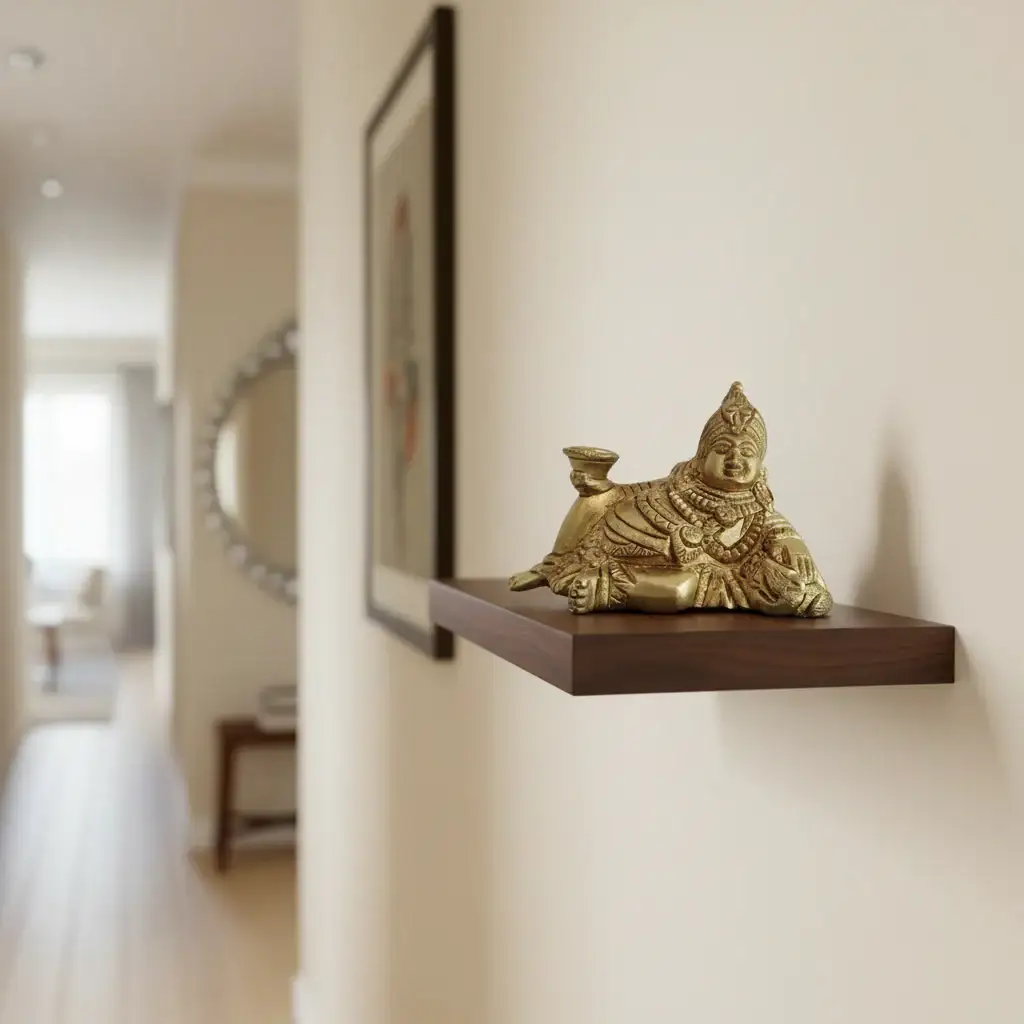
Brass Kubera Statue - Hindu God of Wealth & Prosperity
Brass Kubera Statue - Hindu God of Wealth & Prosperity
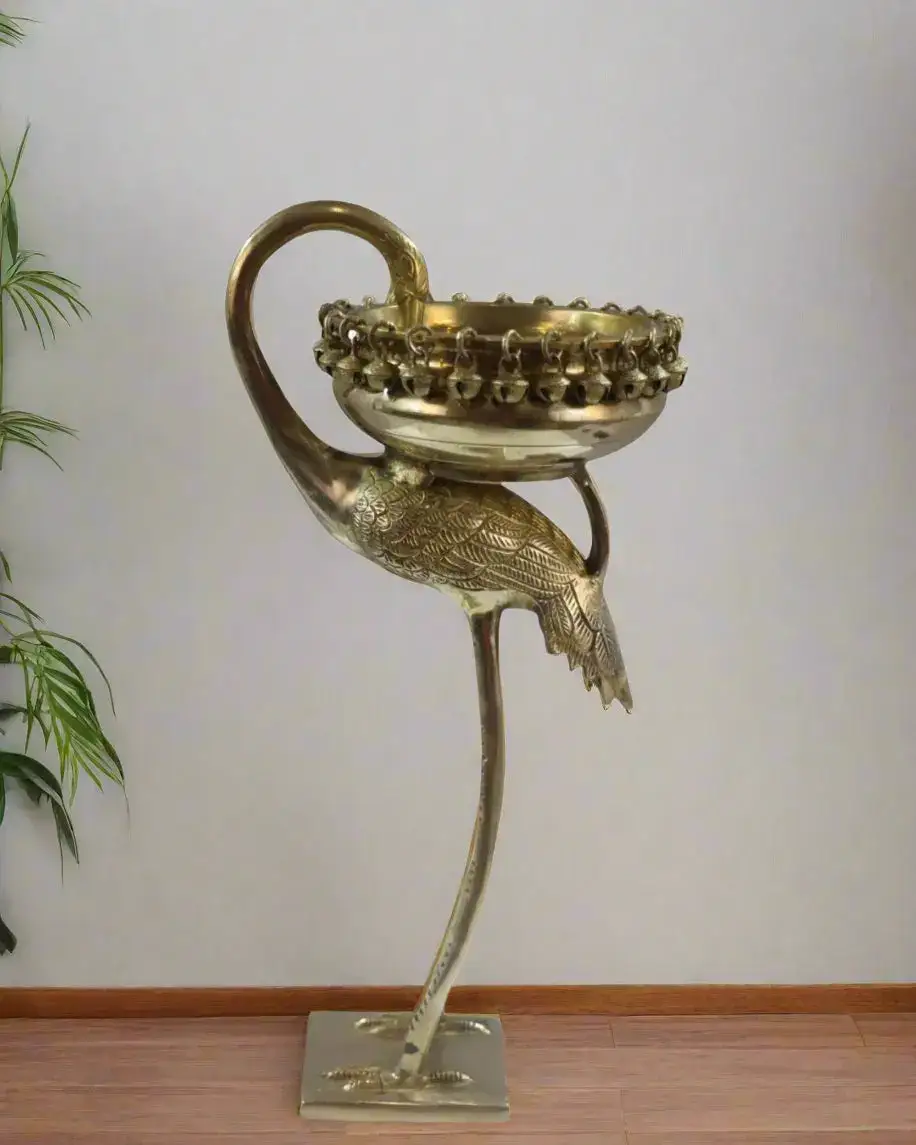
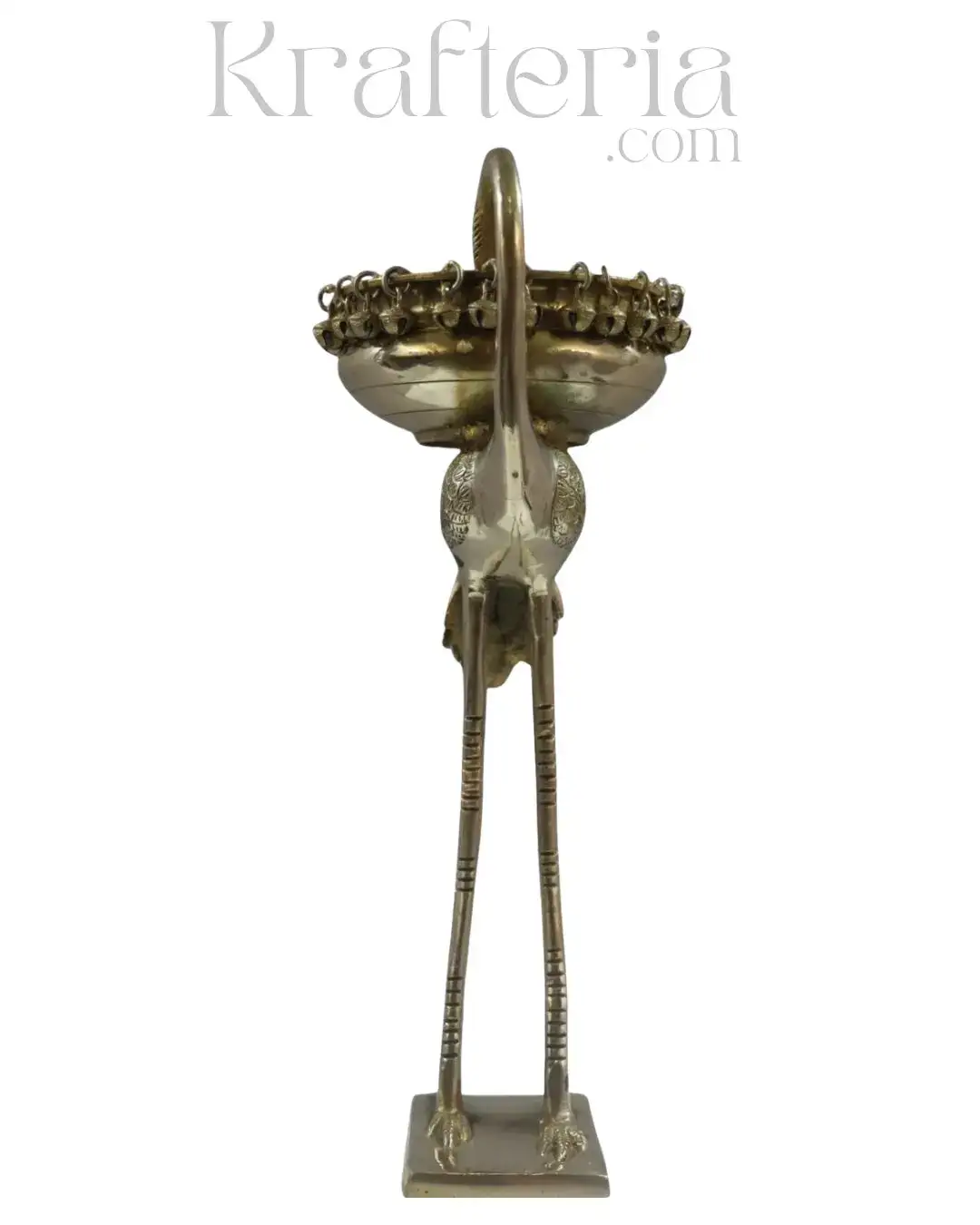
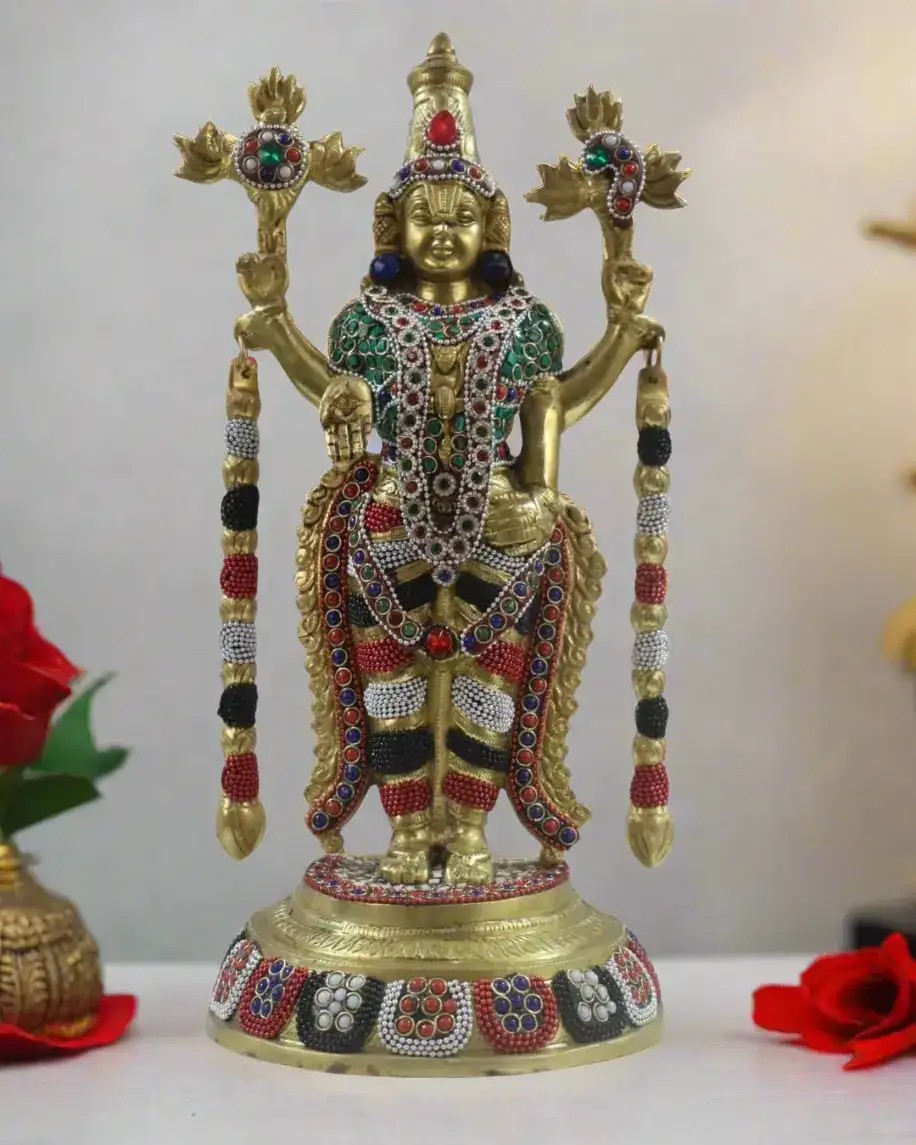
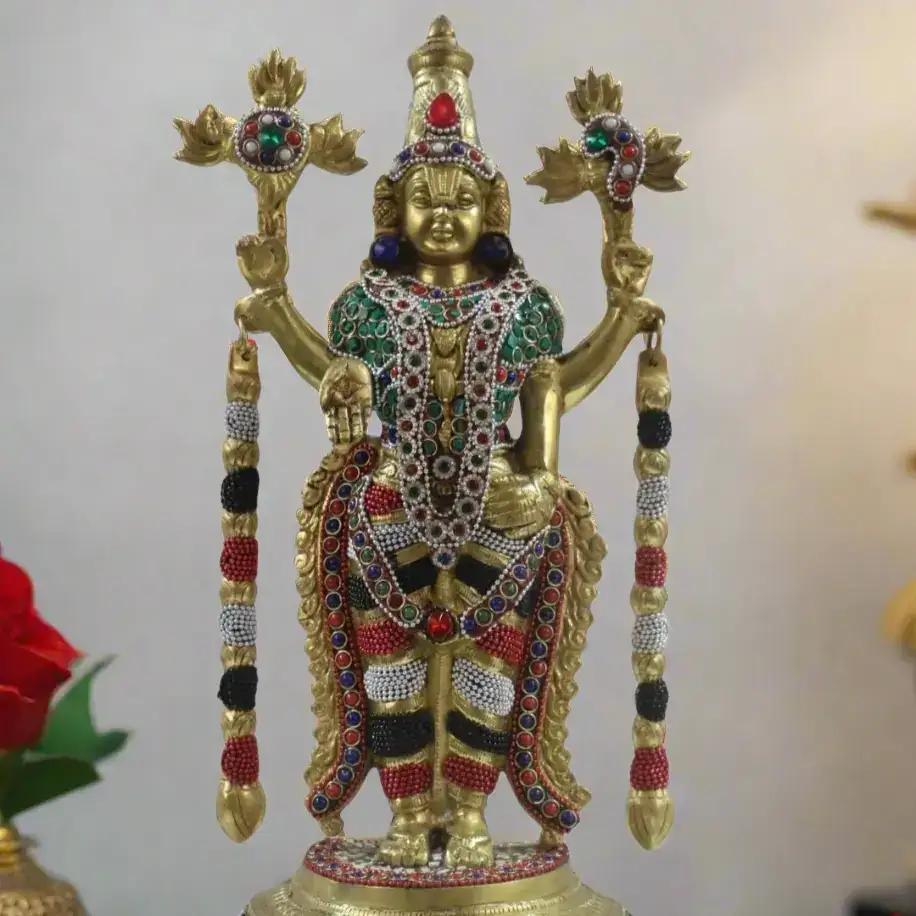
The Brass Kubera Statue is a symbolic and artistic representation of Kubera, the Hindu god of wealth and prosperity. This brass artwork embodies centuries-old traditions from Delhi, where skilled artisans have mastered metal casting and detailed ornamentation. The craftsmanship reflects deep cultural and religious values ingrained in the region's heritage. These statues, with their intricate details, bring both spiritual significance and aesthetic beauty to any space.
The Rich Tradition of Brass Art in Delhi
Delhi's brass craftsmanship is known for its rich history and artistic excellence. The brass-colored kubera statue is part of this legacy, reflecting the skills passed down through generations. Artisans use techniques such as lost-wax casting (cire perdue) to create hollow and complex forms with precision. This method allows for carved details and fine finishing, giving each sculpture a unique character and divine aura.
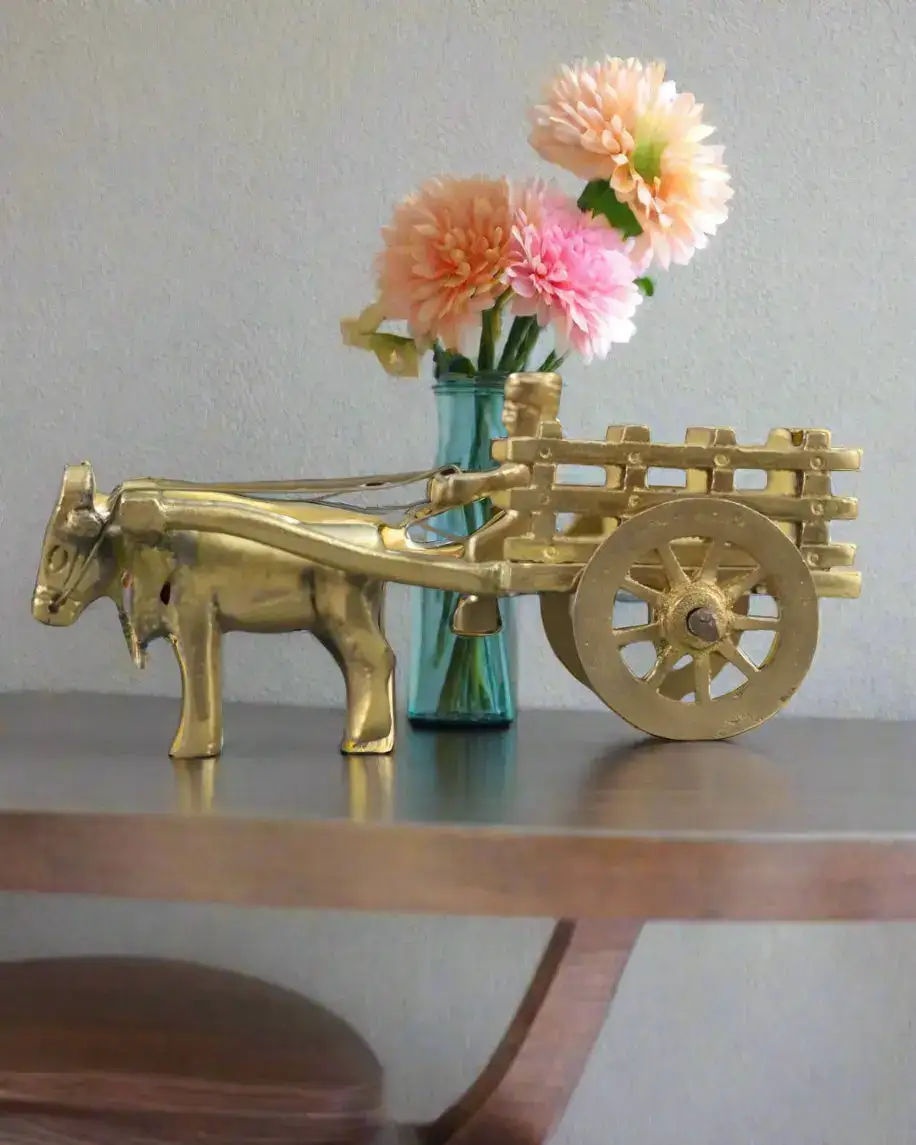
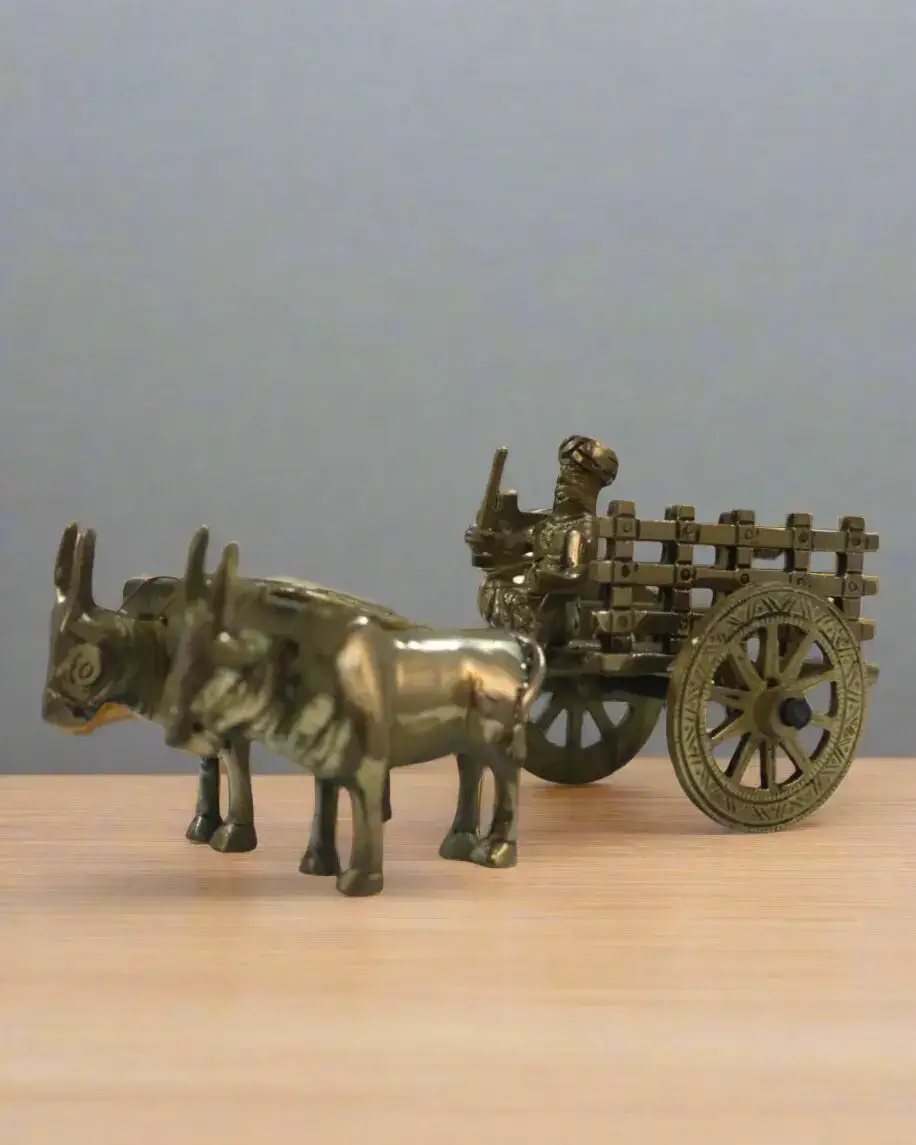
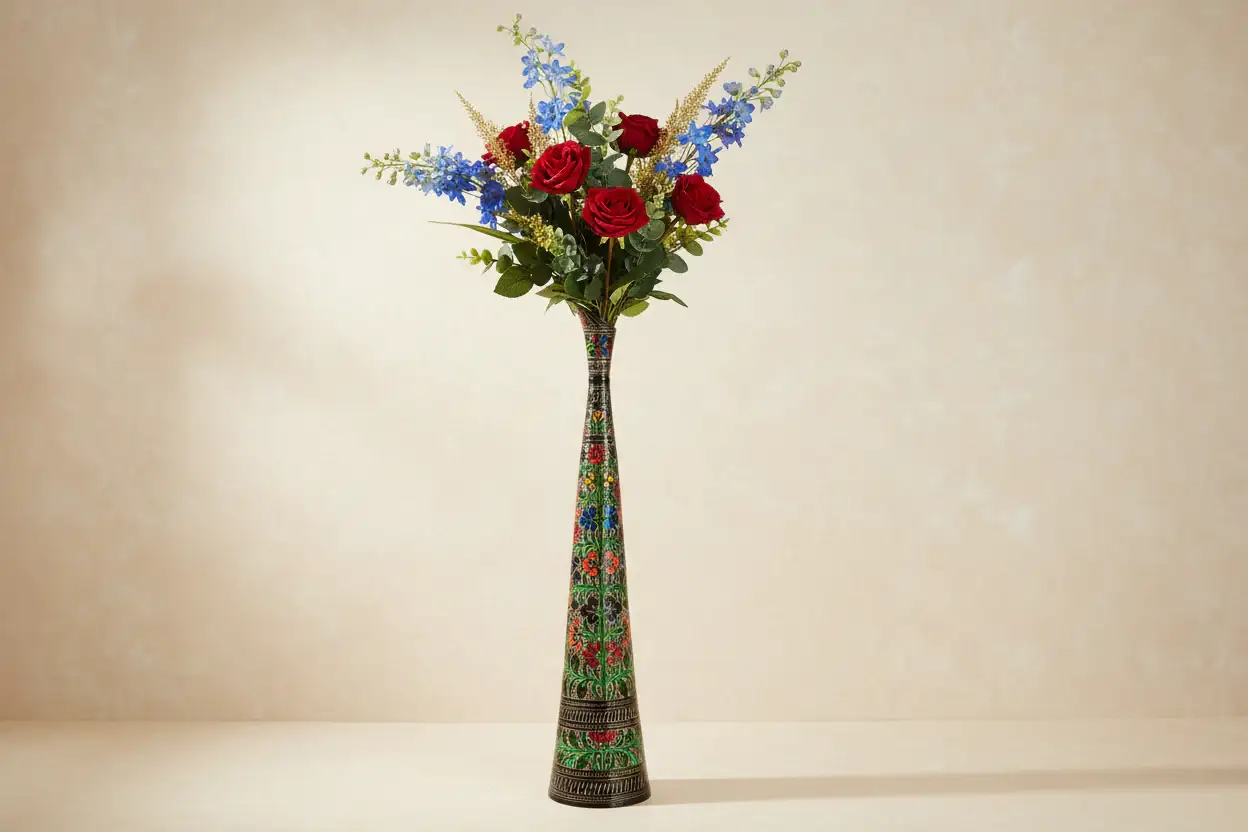
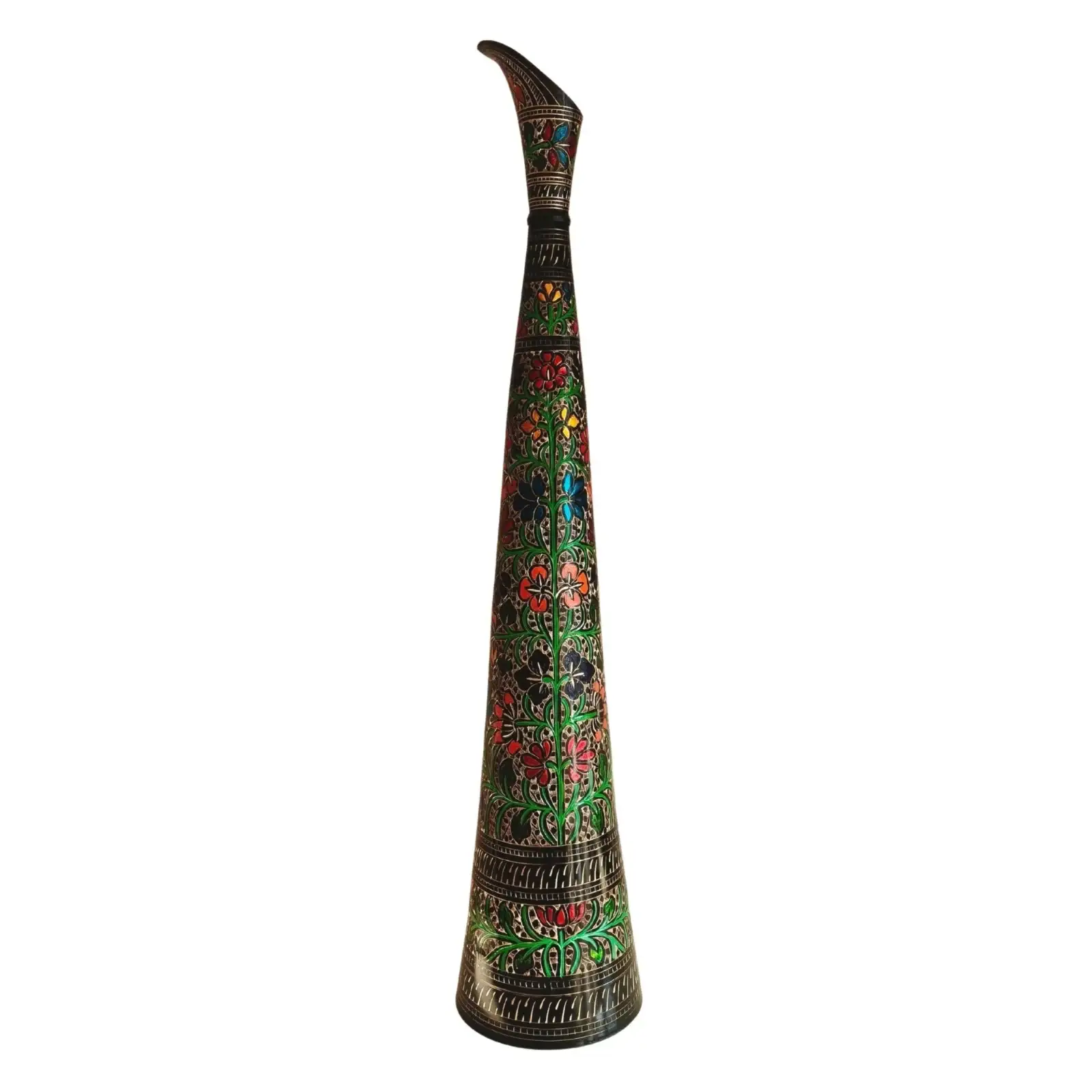
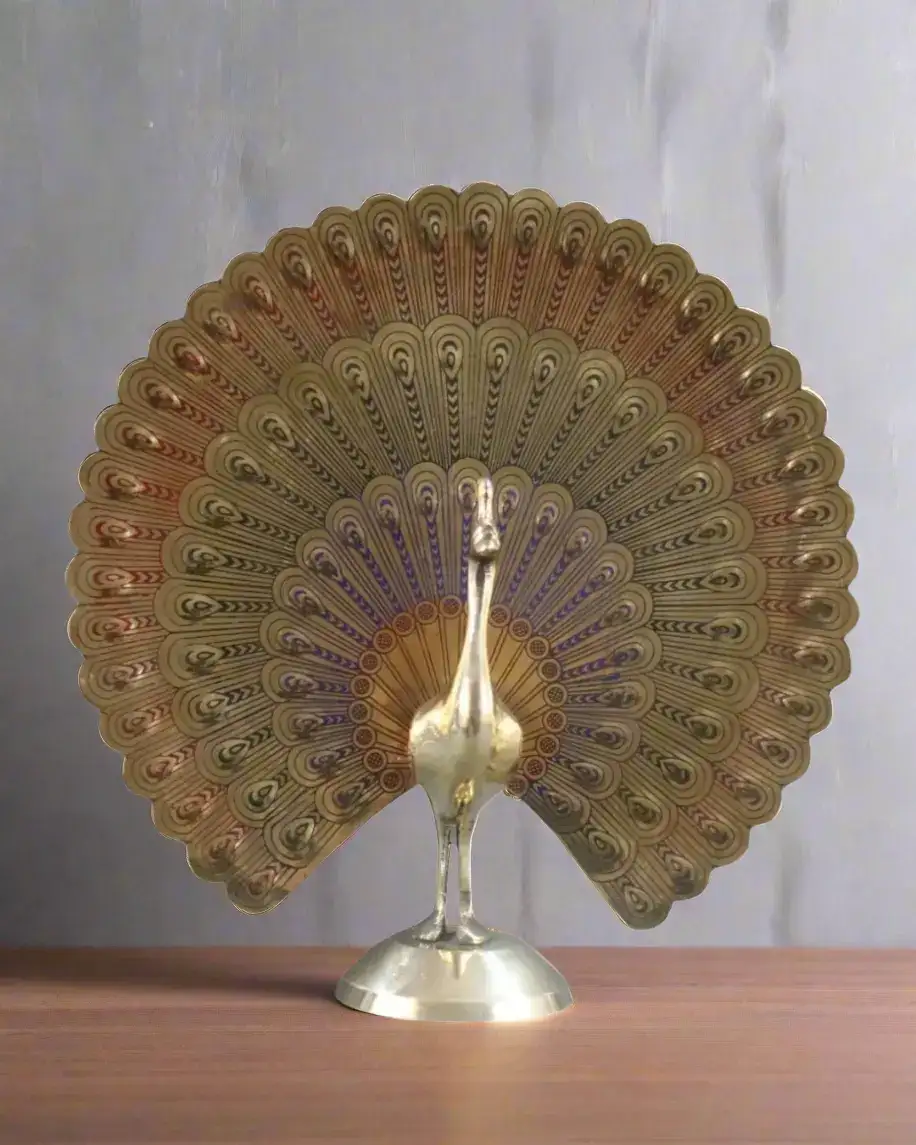
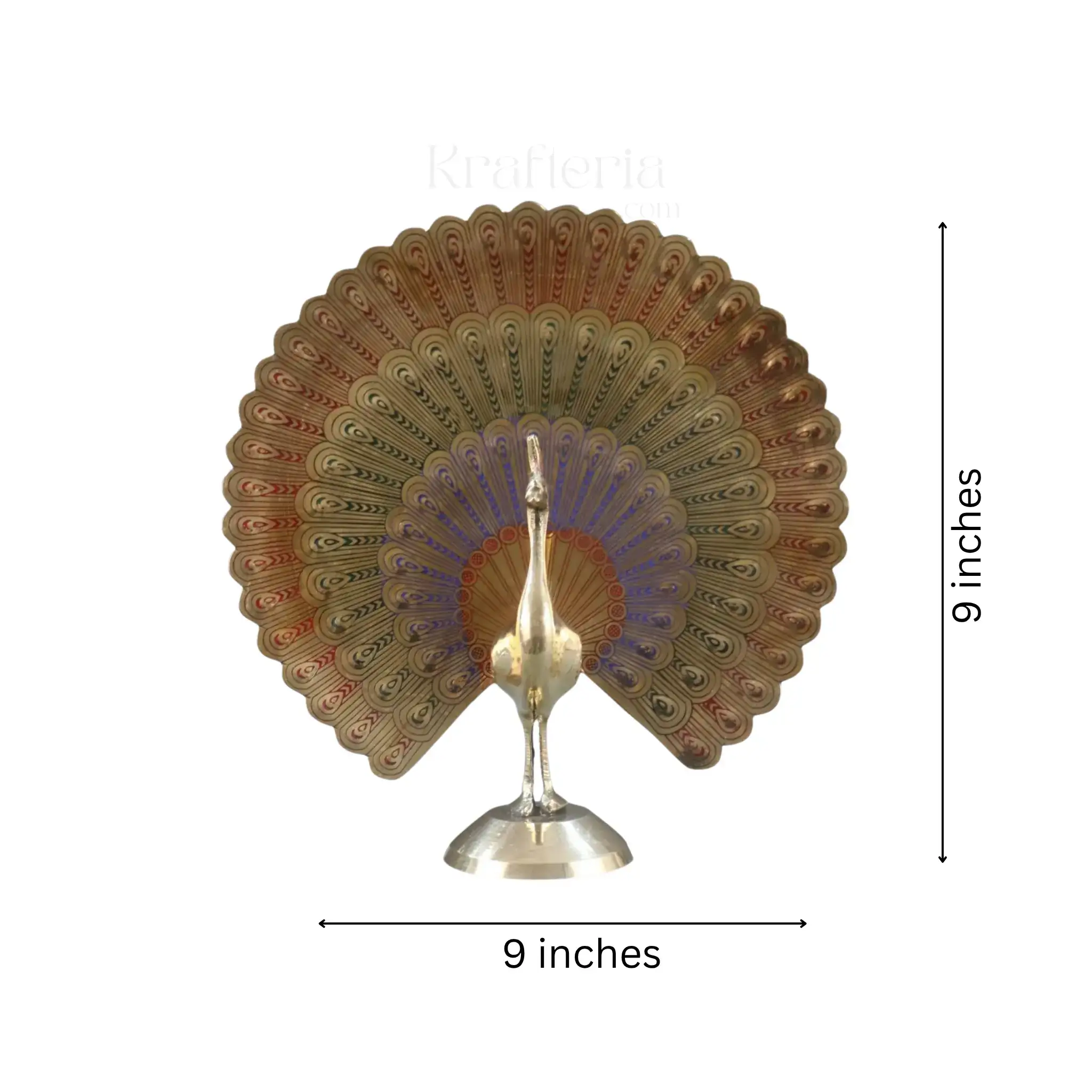
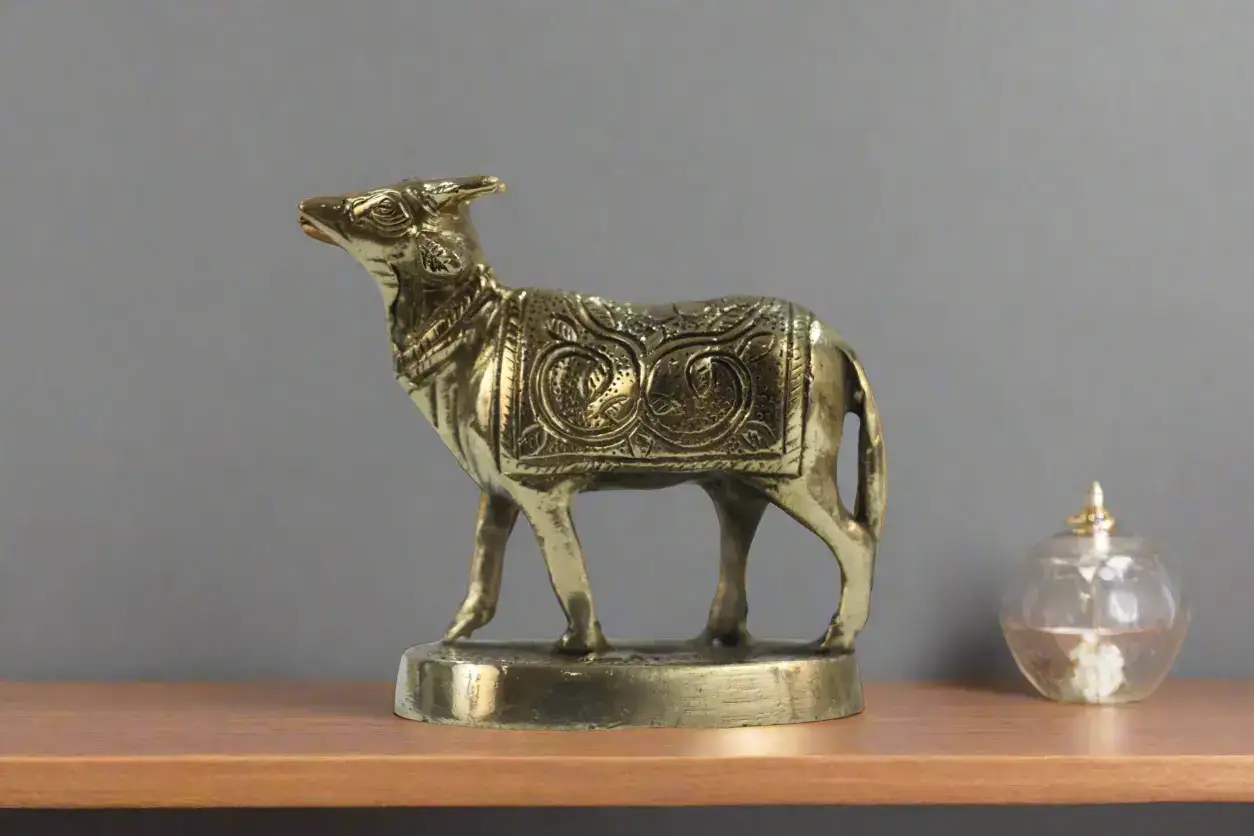
The brass work from Delhi extends beyond religious idols. It also includes secular objects such as animal sculptures, vases, and lamps. These pieces showcase the versatility of brass and creativity of the artists. Popular motifs feature horses, bulls, and elephants—all rendered with artistic finesse. The blend of traditional and modern techniques makes these brass items valuable collectibles and timeless heirlooms.
Symbolism and Design of the Statue
This statue depicts Kubera, the treasurer of gods in Hindu mythology. He is revered as the symbol of abundance and financial growth. The sculpture often shows Kubera dressed in royal attire, holding a pot of gold or money, representing wealth. Detailed carving and polished finish enhance the spiritual essence, making it popular for worship and home decor.
Artisans add ornamental details to emphasize Kubera’s divine powers. Sometimes, gold plating highlights specific features, enhancing the statue’s aura. Floral motifs, geometric patterns, and narrative scenes are engraved or embossed, adding texture and depth. This meticulous decoration makes every piece a masterpiece, blending artistic beauty with spiritual meaning.
Timeless Craftsmanship and Enduring Appeal of Kubera Statue
The lasting appeal of this kuber statue lies in its durability and beauty. Brass, a robust metal, ensures long-lasting use without sacrificing elegance. These statues withstand time, both physically and culturally. The charm extends beyond religious use, as it is often chosen for decoration in offices and homes.
The fusion of form and function reflects artisans’ dedication. The lost-wax casting technique, combined with hand-engraving and etching, creates hollow forms and detailed embellishments. Contemporary artists innovate continuously, combining traditional styles with global trends. This evolution keeps such statues relevant and desirable across diverse markets.
Variety and Applications of Kubera Statue
The Kubera Statue finds diverse applications, from spiritual worship to vastu remedies. It is commonly placed in homes, offices, and shops to attract prosperity and good fortune. People consider it auspicious in Vastu Shastra and believe it brings financial stability. The statue serves as a meaningful gift for occasions like housewarmings or business inaugurations.
Beyond religious significance, these statues serve as decorative centerpieces. They complement various decor styles due to their golden hue and intricate design. Whether displayed on altar shelves or work desks, these statues invoke a sense of peace and abundance. Their compact size and smooth finish make placement and maintenance easy.
The Art and Science Behind the Brass Statue
Creating a kubera statue of brass combines artistry and metallurgy. High-quality brass is chosen for its lustrous appearance and durability. Skilled metalworkers employ traditional lost-wax casting to achieve precision and fine detail. After casting, the statues are polished and sometimes gold-plated to highlight divine symbolism.
Engraving, embossing, and etching add ornamental textures, including floral or geometric patterns, enhancing the statue’s visual impact. Each piece showcases the artisan’s expertise and passion. Collectors and devotees alike value these artworks for their cultural heritage and spiritual significance.
The Continued Legacy of Brass Statues from Delhi
Today, the brass-colored kubera statue remains a celebrated art form. Delhi remains a hub for skilled artisans who uphold this rich tradition. While preserving classical styles, many craftsmen innovate with contemporary designs to appeal to modern tastes. This balance of heritage and innovation drives global appreciation and demand.
The Brass Statue exemplifies the enduring craftsmanship of the region’s metalworkers. Owning one is like holding a piece of history and spirituality. It connects the buyer to ancient Indian culture and religious beliefs. The brass-colored kubera statue is more than decor—it is a symbol of prosperity and artistic mastery.
Original: $25.27
-70%$25.27
$7.58Product Information
Product Information
Shipping & Returns
Shipping & Returns
Description
Brass Kubera Statue - Hindu God of Wealth & Prosperity
The Brass Kubera Statue is a symbolic and artistic representation of Kubera, the Hindu god of wealth and prosperity. This brass artwork embodies centuries-old traditions from Delhi, where skilled artisans have mastered metal casting and detailed ornamentation. The craftsmanship reflects deep cultural and religious values ingrained in the region's heritage. These statues, with their intricate details, bring both spiritual significance and aesthetic beauty to any space.
The Rich Tradition of Brass Art in Delhi
Delhi's brass craftsmanship is known for its rich history and artistic excellence. The brass-colored kubera statue is part of this legacy, reflecting the skills passed down through generations. Artisans use techniques such as lost-wax casting (cire perdue) to create hollow and complex forms with precision. This method allows for carved details and fine finishing, giving each sculpture a unique character and divine aura.
The brass work from Delhi extends beyond religious idols. It also includes secular objects such as animal sculptures, vases, and lamps. These pieces showcase the versatility of brass and creativity of the artists. Popular motifs feature horses, bulls, and elephants—all rendered with artistic finesse. The blend of traditional and modern techniques makes these brass items valuable collectibles and timeless heirlooms.
Symbolism and Design of the Statue
This statue depicts Kubera, the treasurer of gods in Hindu mythology. He is revered as the symbol of abundance and financial growth. The sculpture often shows Kubera dressed in royal attire, holding a pot of gold or money, representing wealth. Detailed carving and polished finish enhance the spiritual essence, making it popular for worship and home decor.
Artisans add ornamental details to emphasize Kubera’s divine powers. Sometimes, gold plating highlights specific features, enhancing the statue’s aura. Floral motifs, geometric patterns, and narrative scenes are engraved or embossed, adding texture and depth. This meticulous decoration makes every piece a masterpiece, blending artistic beauty with spiritual meaning.
Timeless Craftsmanship and Enduring Appeal of Kubera Statue
The lasting appeal of this kuber statue lies in its durability and beauty. Brass, a robust metal, ensures long-lasting use without sacrificing elegance. These statues withstand time, both physically and culturally. The charm extends beyond religious use, as it is often chosen for decoration in offices and homes.
The fusion of form and function reflects artisans’ dedication. The lost-wax casting technique, combined with hand-engraving and etching, creates hollow forms and detailed embellishments. Contemporary artists innovate continuously, combining traditional styles with global trends. This evolution keeps such statues relevant and desirable across diverse markets.
Variety and Applications of Kubera Statue
The Kubera Statue finds diverse applications, from spiritual worship to vastu remedies. It is commonly placed in homes, offices, and shops to attract prosperity and good fortune. People consider it auspicious in Vastu Shastra and believe it brings financial stability. The statue serves as a meaningful gift for occasions like housewarmings or business inaugurations.
Beyond religious significance, these statues serve as decorative centerpieces. They complement various decor styles due to their golden hue and intricate design. Whether displayed on altar shelves or work desks, these statues invoke a sense of peace and abundance. Their compact size and smooth finish make placement and maintenance easy.
The Art and Science Behind the Brass Statue
Creating a kubera statue of brass combines artistry and metallurgy. High-quality brass is chosen for its lustrous appearance and durability. Skilled metalworkers employ traditional lost-wax casting to achieve precision and fine detail. After casting, the statues are polished and sometimes gold-plated to highlight divine symbolism.
Engraving, embossing, and etching add ornamental textures, including floral or geometric patterns, enhancing the statue’s visual impact. Each piece showcases the artisan’s expertise and passion. Collectors and devotees alike value these artworks for their cultural heritage and spiritual significance.
The Continued Legacy of Brass Statues from Delhi
Today, the brass-colored kubera statue remains a celebrated art form. Delhi remains a hub for skilled artisans who uphold this rich tradition. While preserving classical styles, many craftsmen innovate with contemporary designs to appeal to modern tastes. This balance of heritage and innovation drives global appreciation and demand.
The Brass Statue exemplifies the enduring craftsmanship of the region’s metalworkers. Owning one is like holding a piece of history and spirituality. It connects the buyer to ancient Indian culture and religious beliefs. The brass-colored kubera statue is more than decor—it is a symbol of prosperity and artistic mastery.