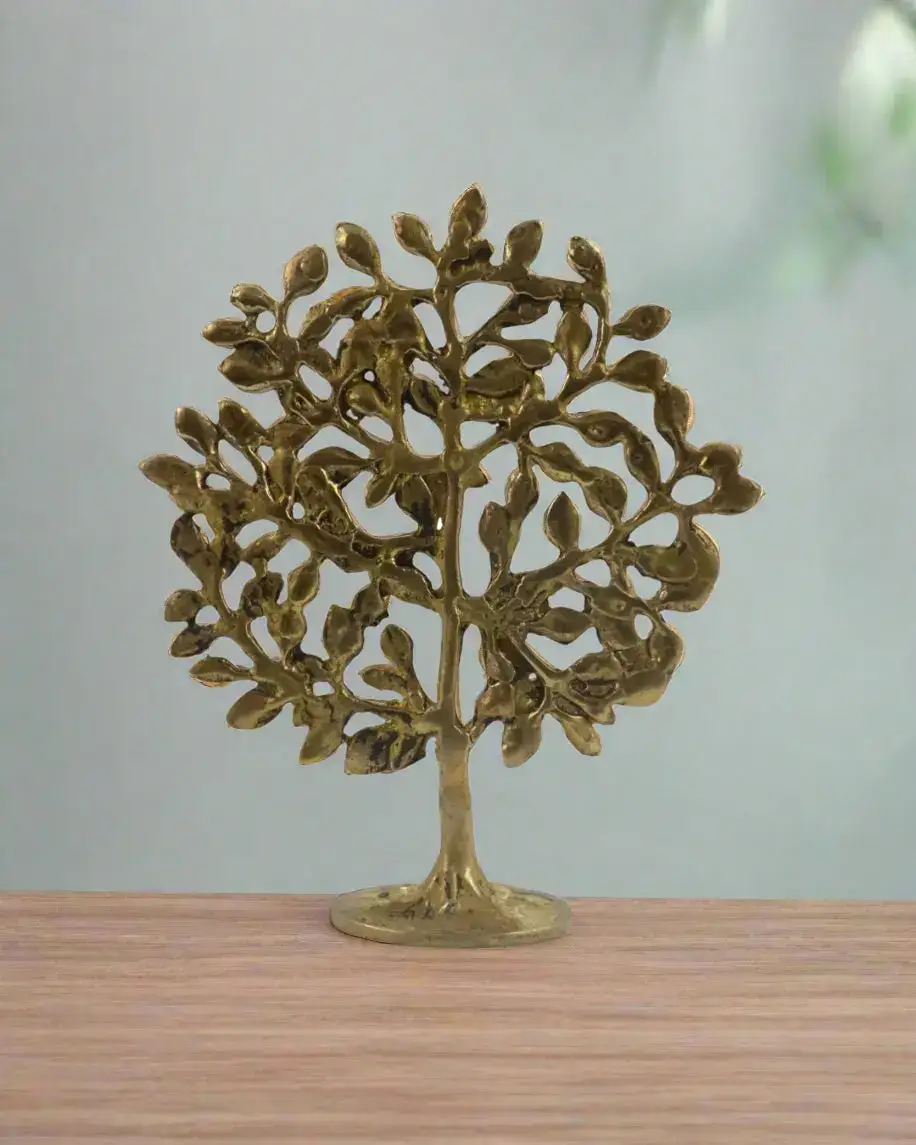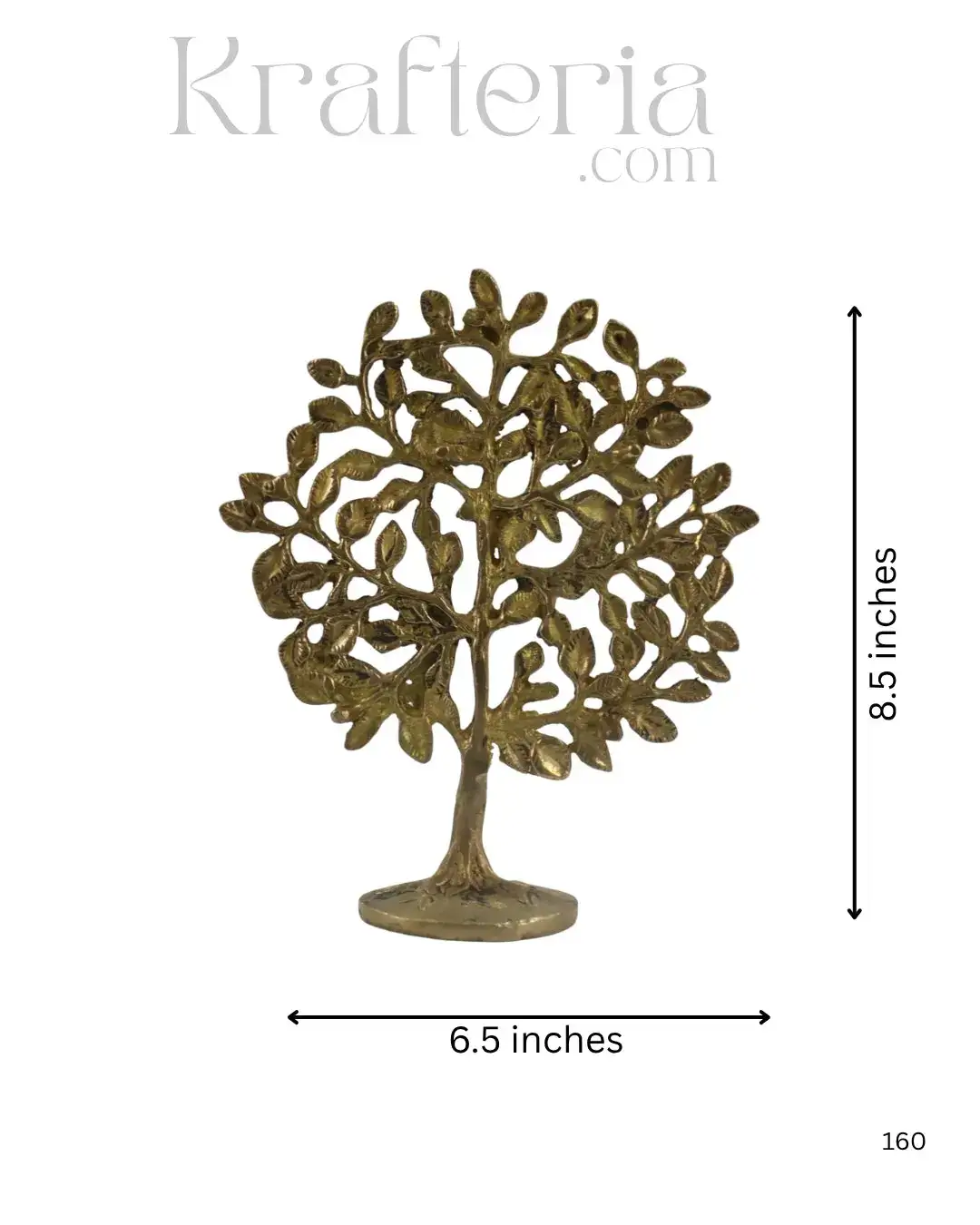
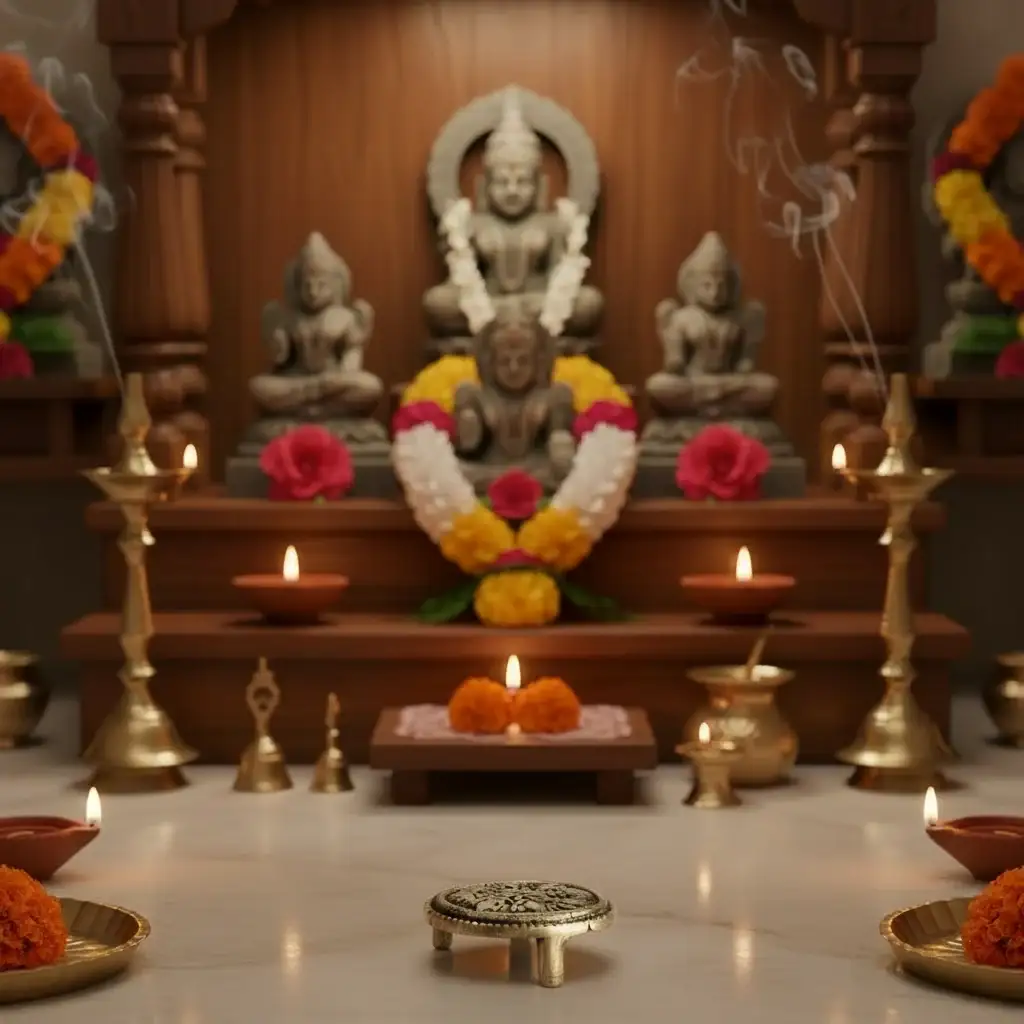
Brass Pedestal Stand - Round Ritual Holder
Brass Pedestal Stand - Round Ritual Holder
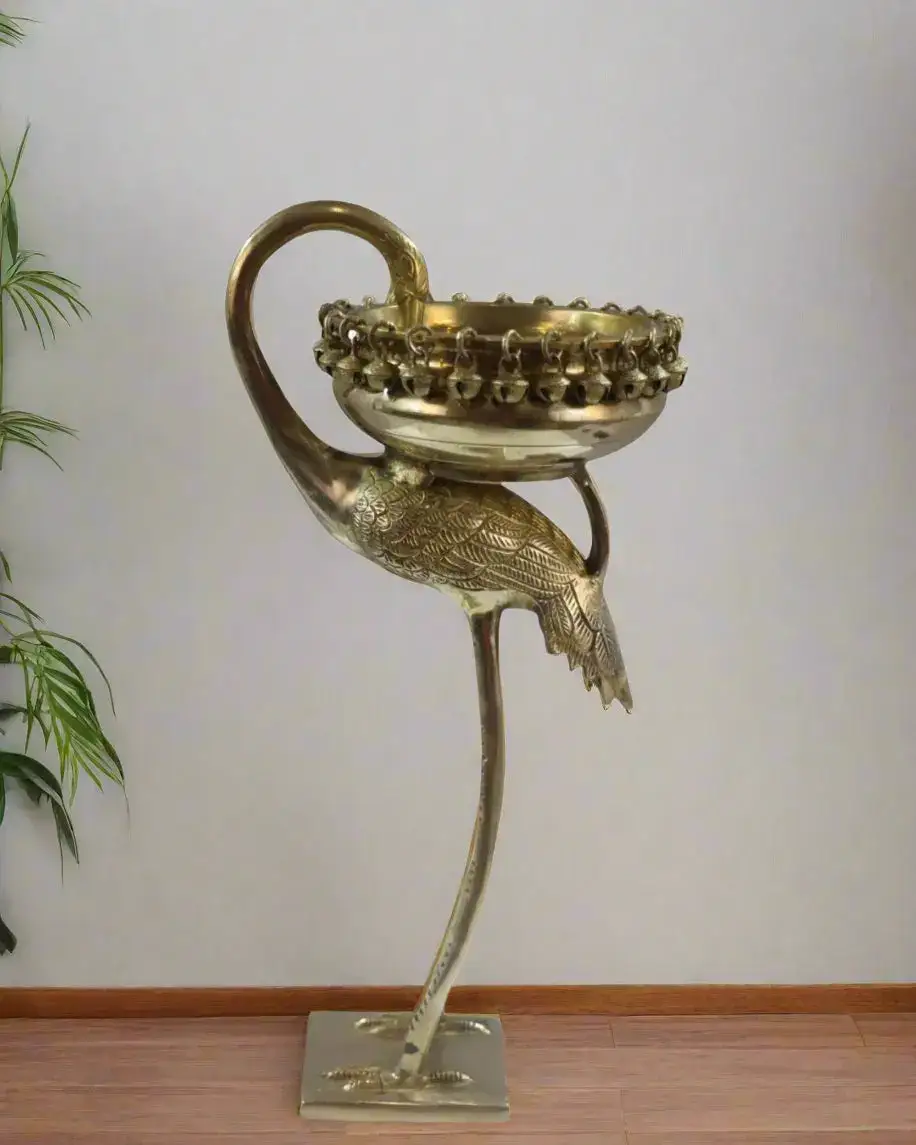
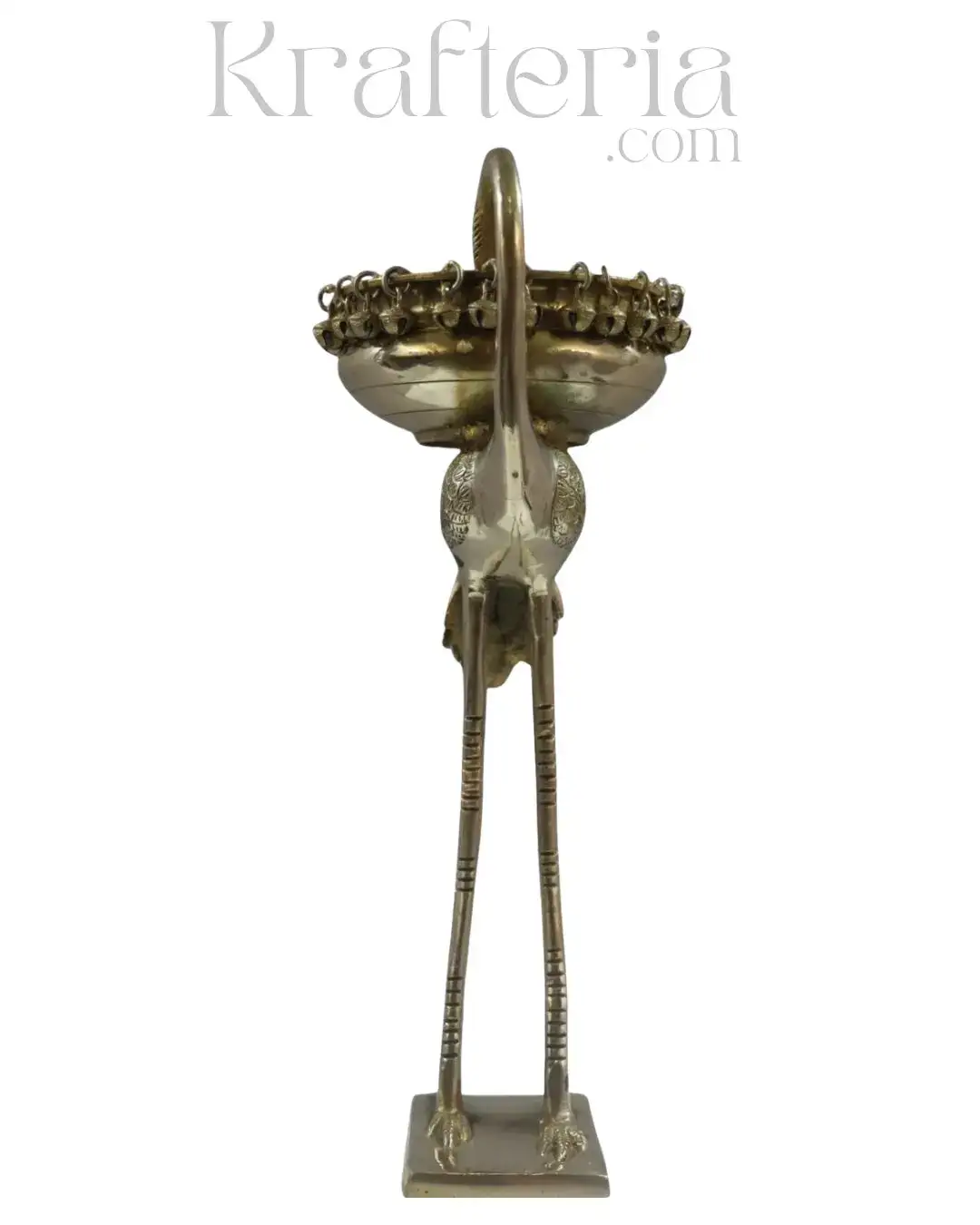
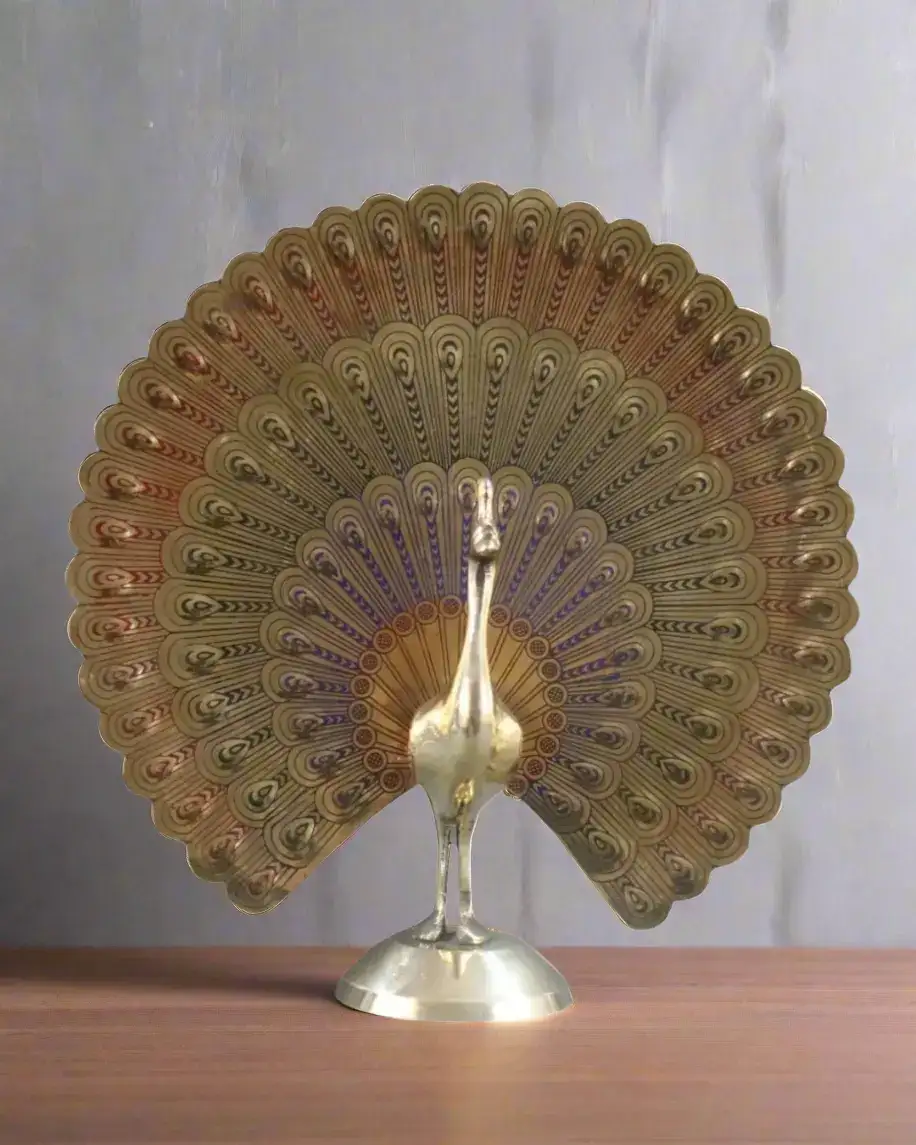
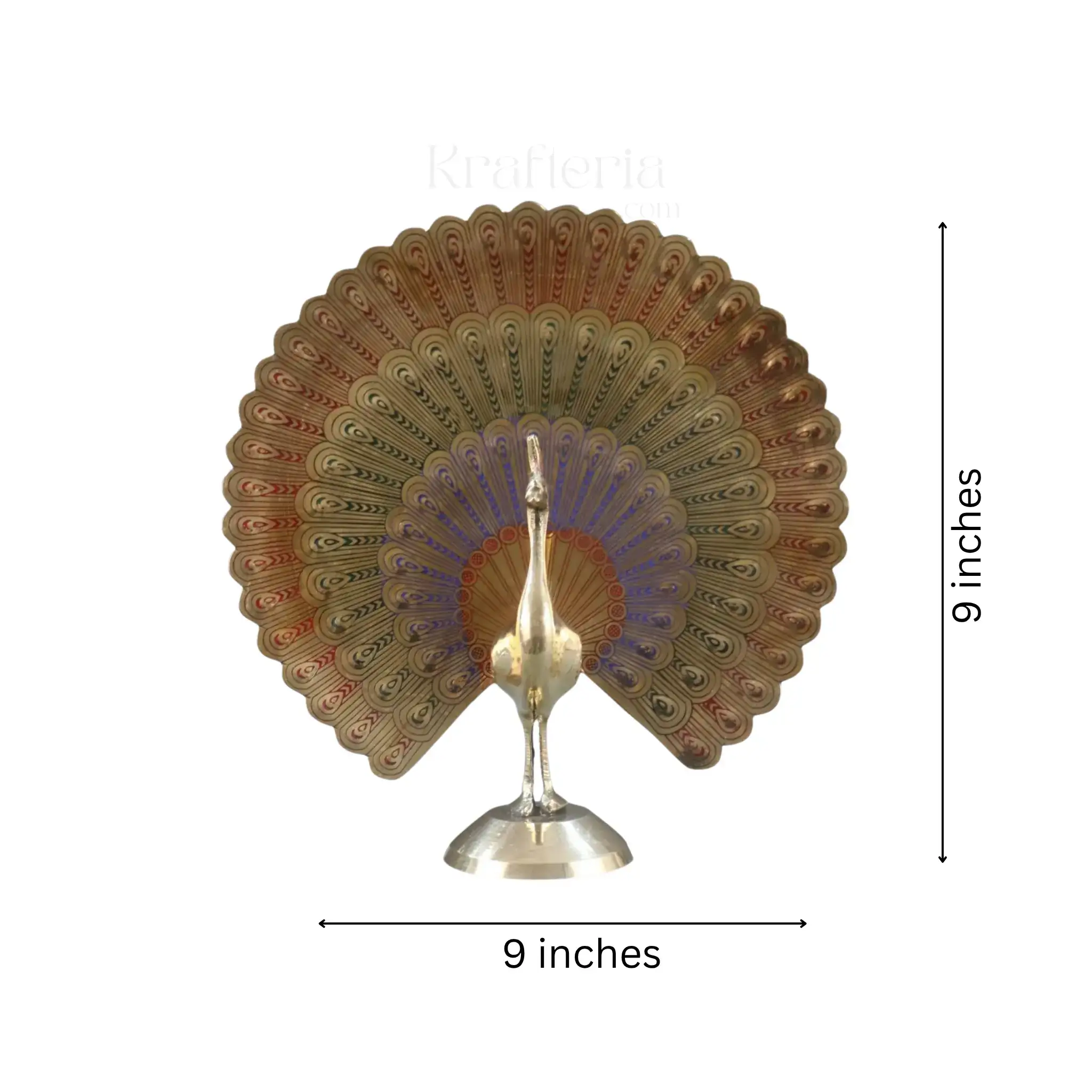
The Brass Pedestal Stand reflects a rich heritage of Indian craftsmanship from Delhi. This brass artwork is centuries old and showcases the exceptional skill of master artisans. Their expertise in metal casting and detailed ornamentation adds value to every piece created.
The tradition of working with metal, especially brass, is deeply embedded in the cultural and religious fabric of the region. It produces a wide variety of items, from intricate idols of Hindu deities to utilitarian and decorative objects. These creations are not only functional but also carry deep spiritual and artistic significance.
Intricate Designs and Religious Significance
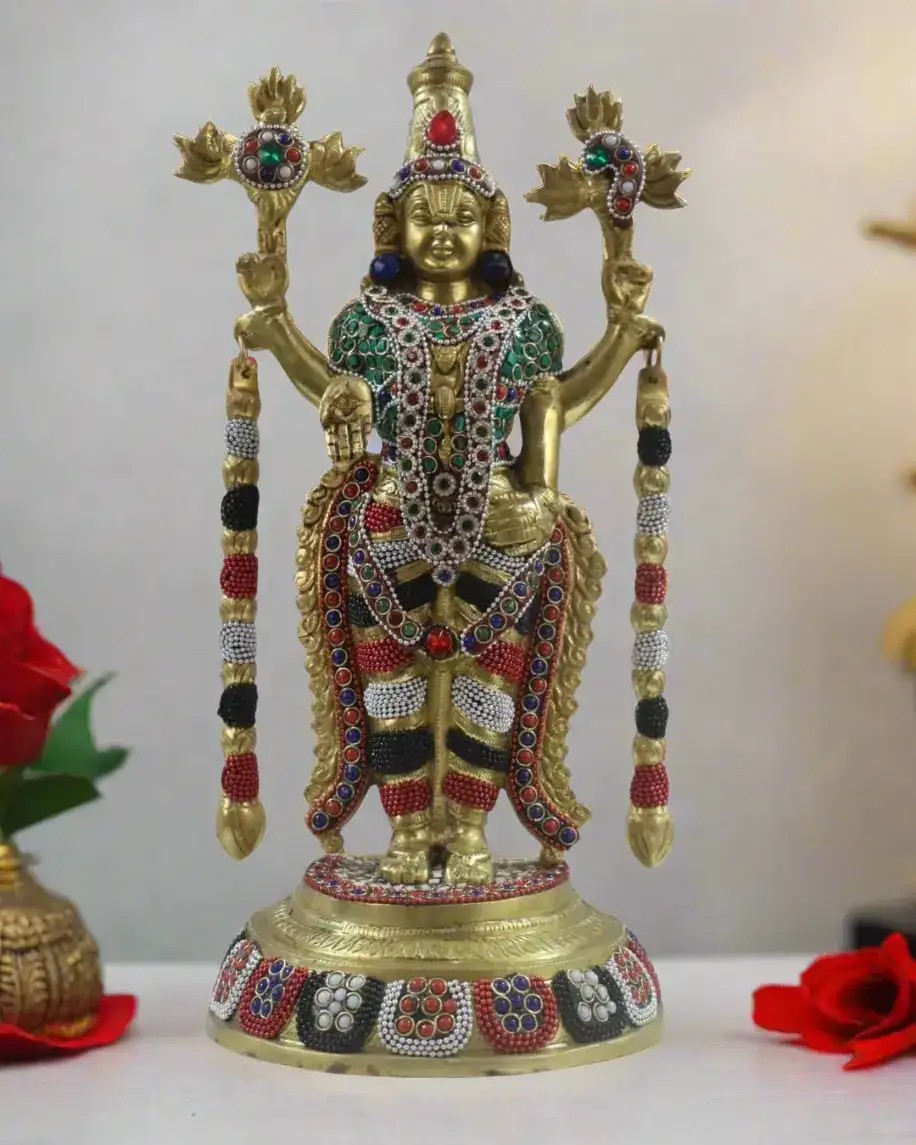
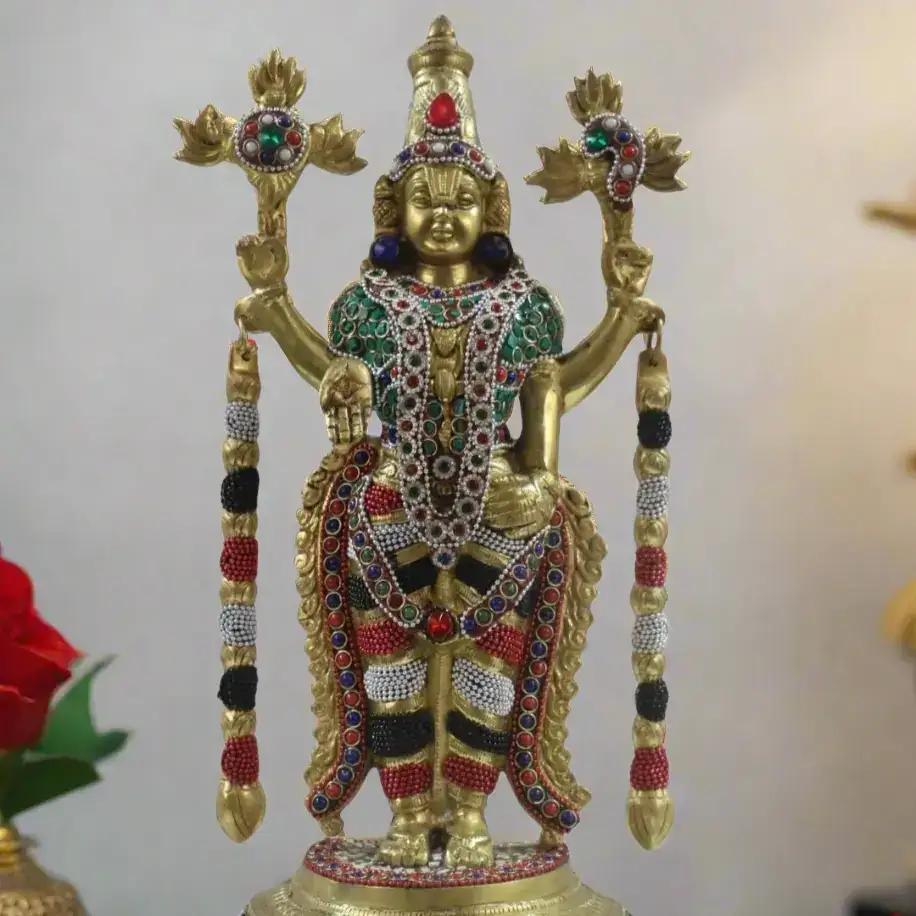
The statues of gods and goddesses such as Ganesha, Shiva, Durga, and Krishna are prominently featured in this art form. Each figure often displays finely carved details and polished finishes. At times, gold plating is applied to enhance the divine aura of these deities.
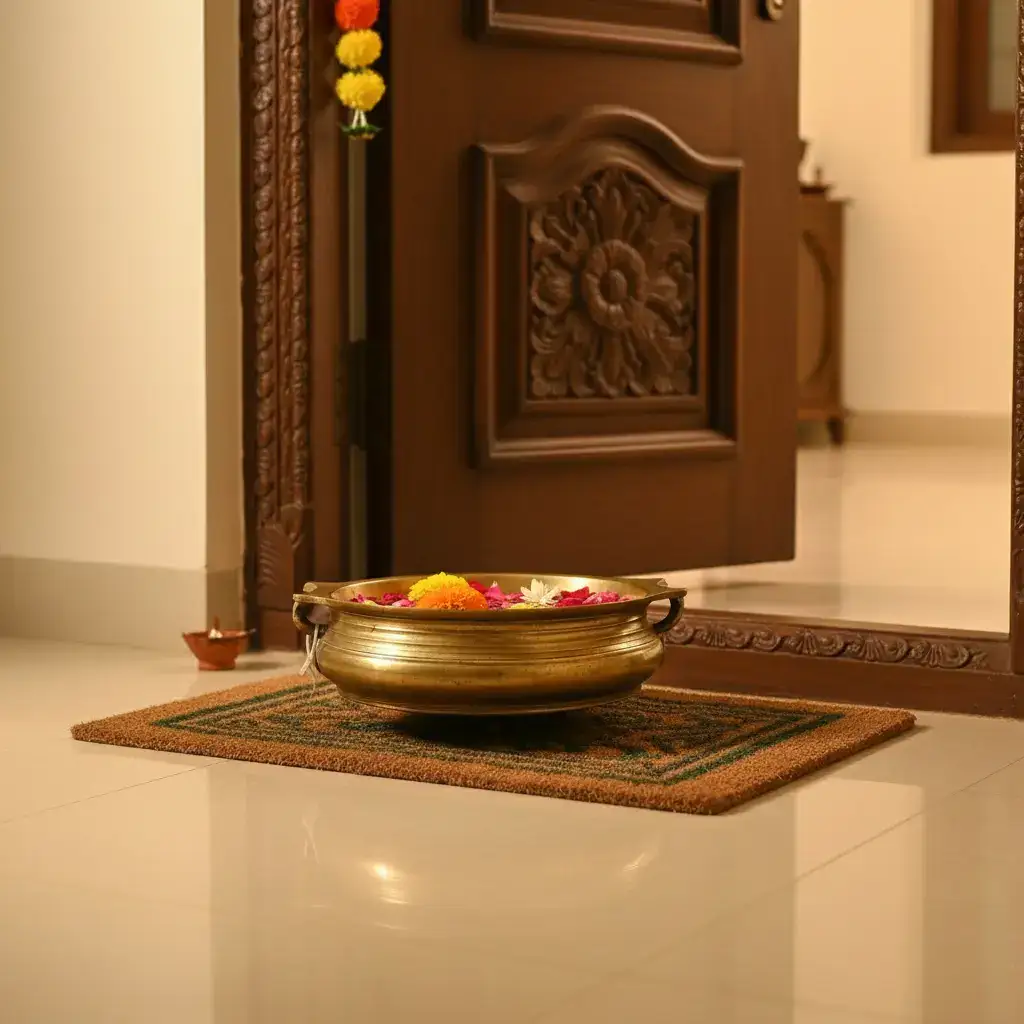
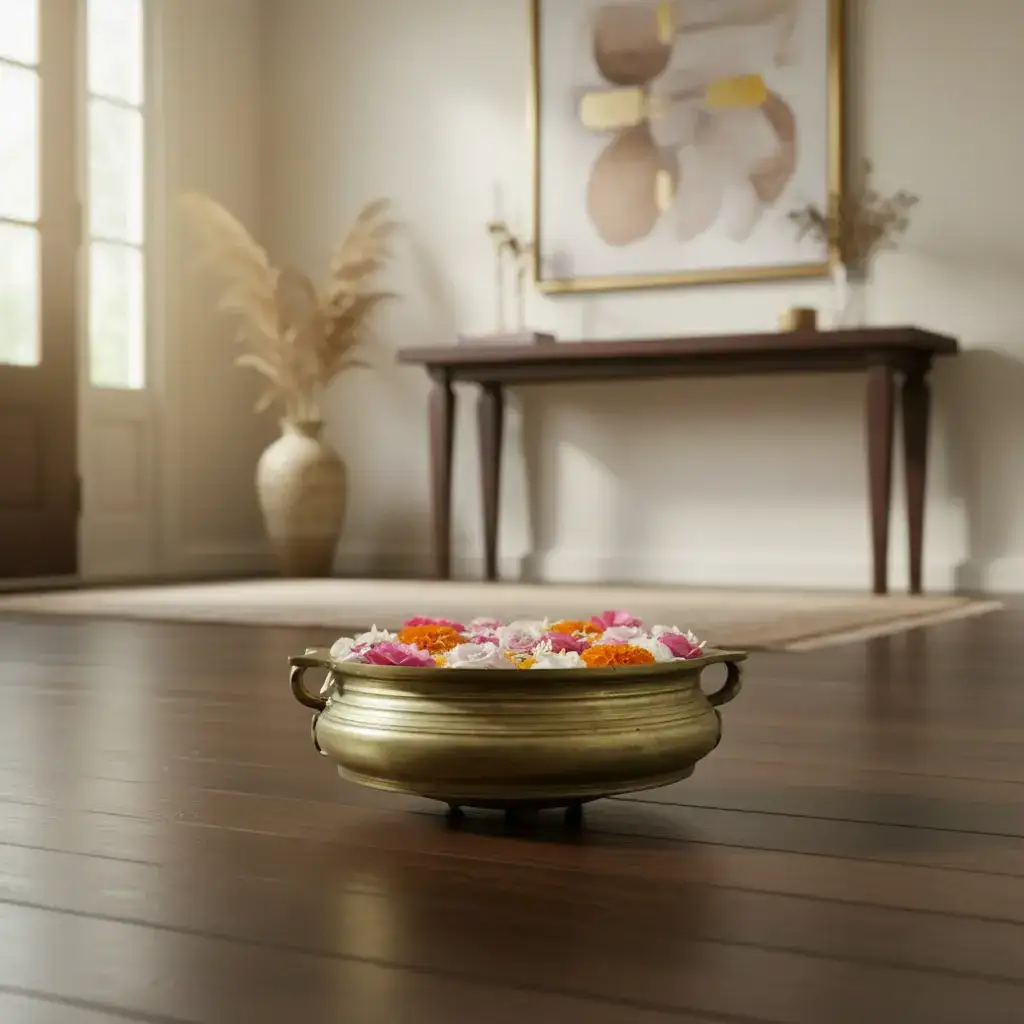
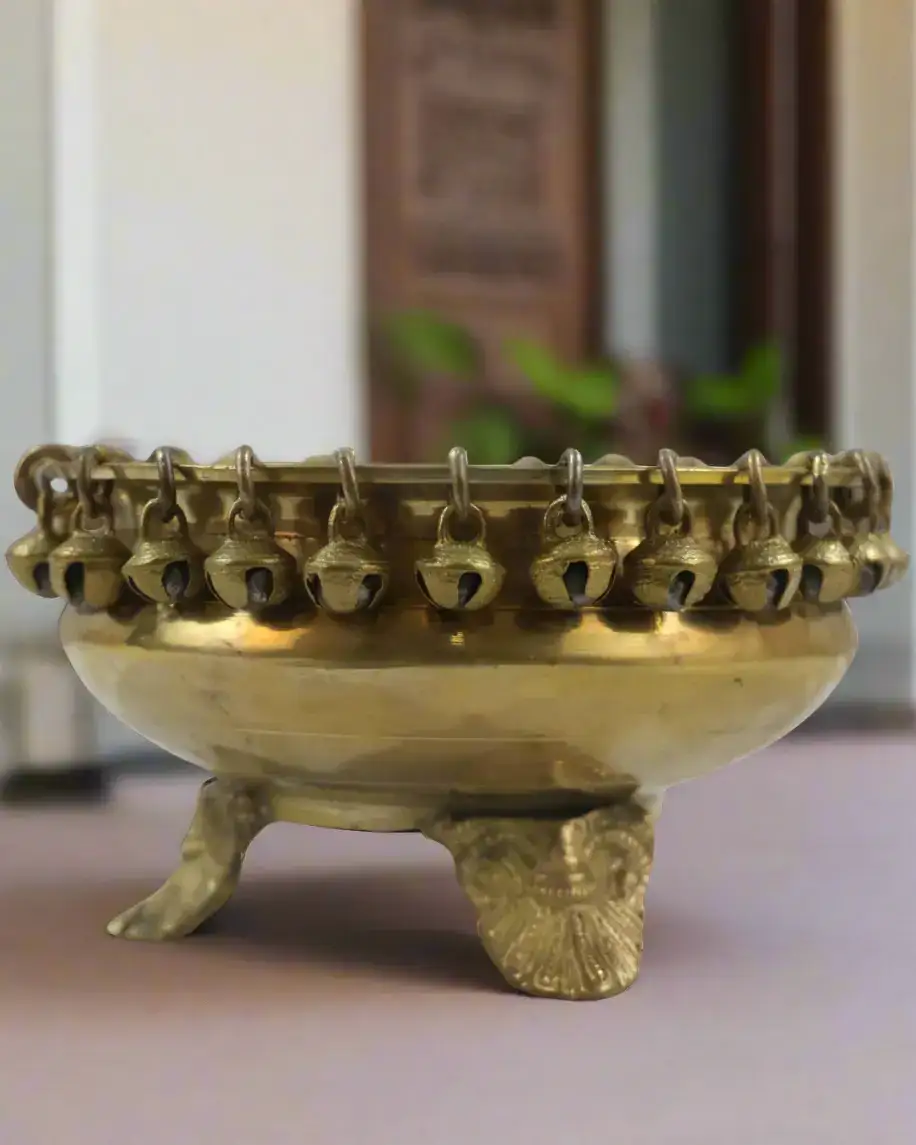
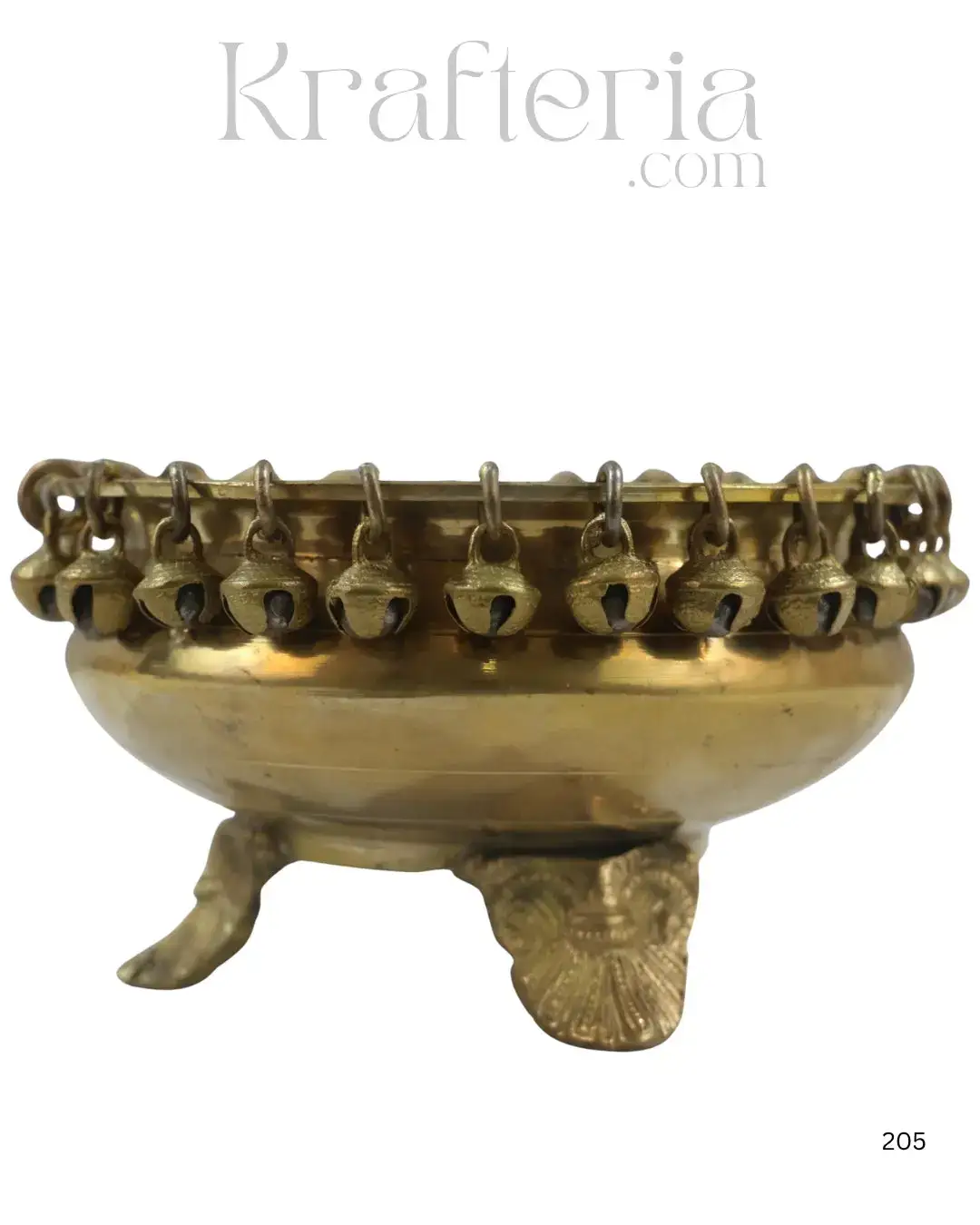
This particular ritual holder is meticulously crafted to complement the sacred idols it supports. Its round shape and sturdy design make it ideal for ritualistic purposes. The elevated base emphasizes the importance of sacred items during pooja ceremonies and religious rituals.
Beyond Religious Art: Secular Uses of Brass
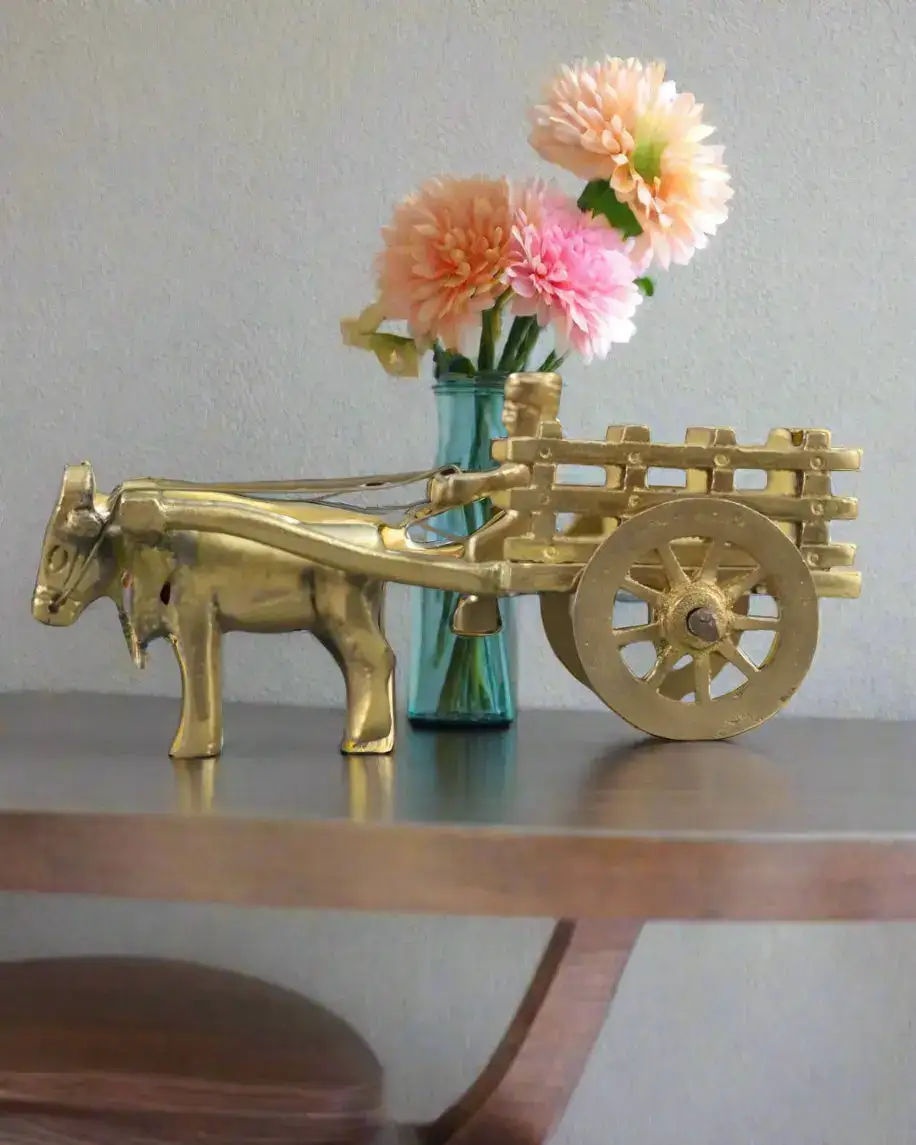
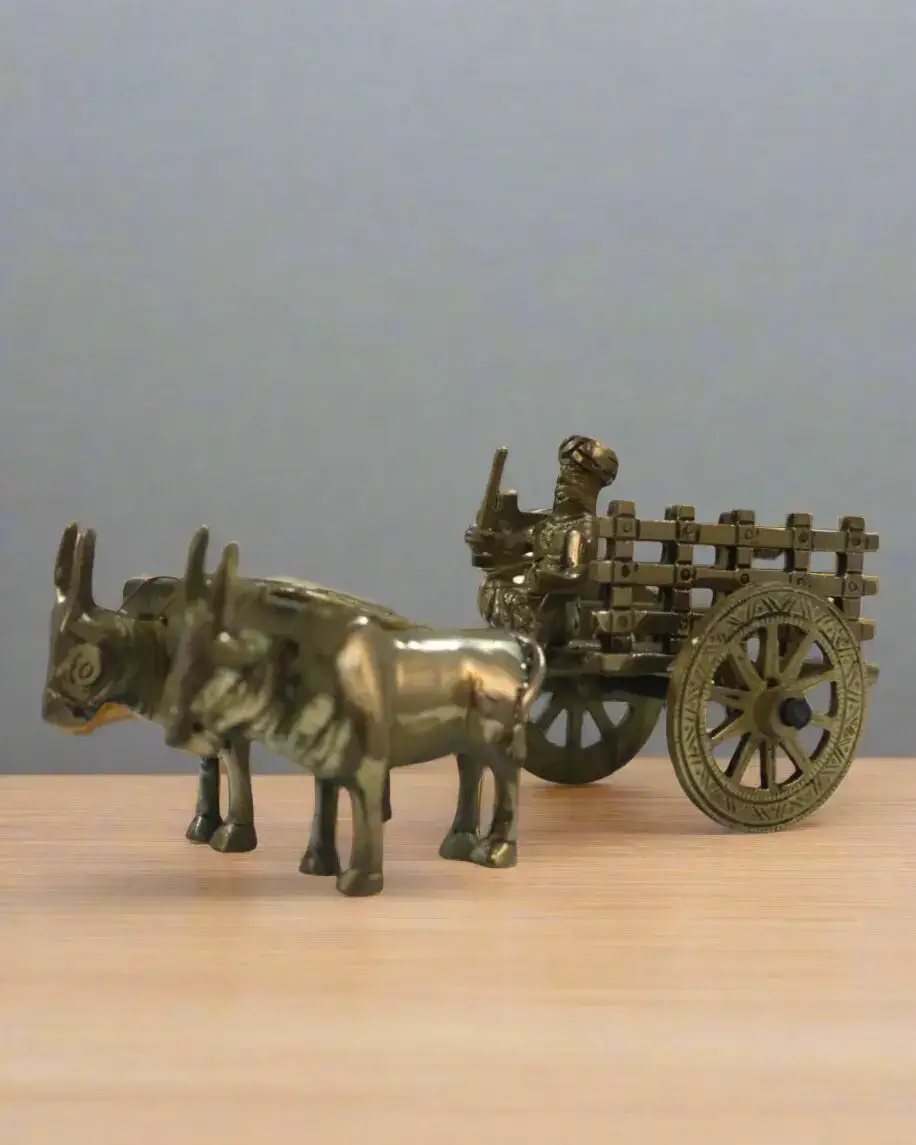
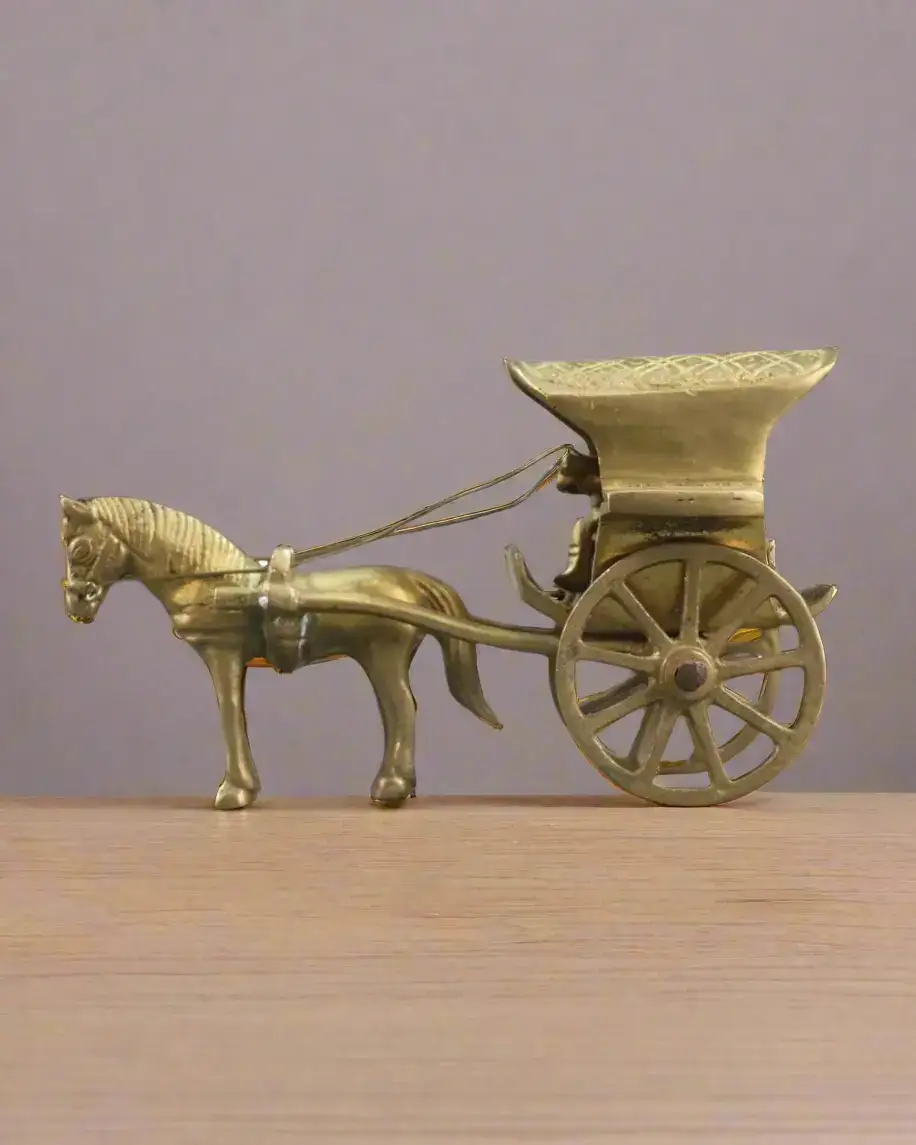
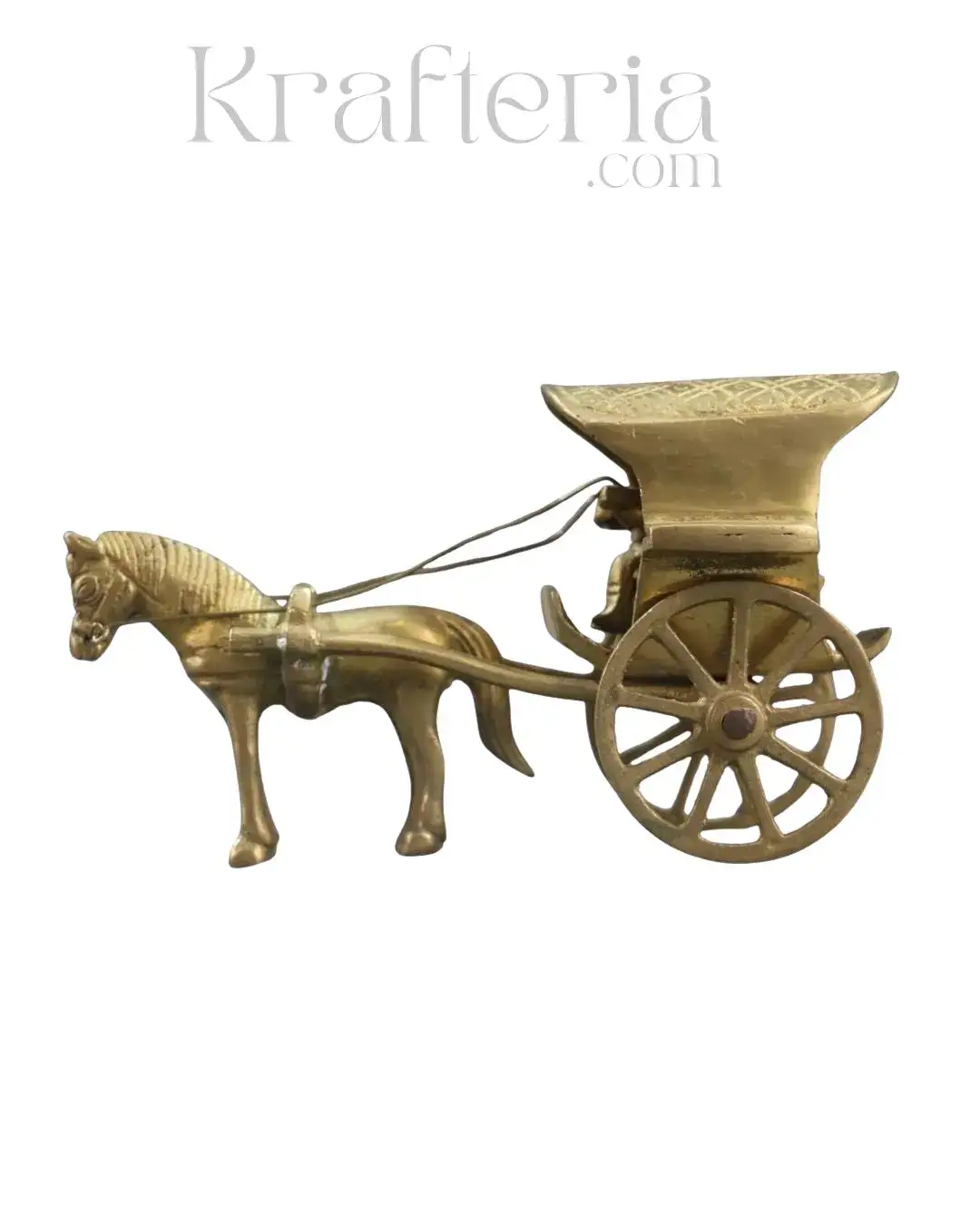
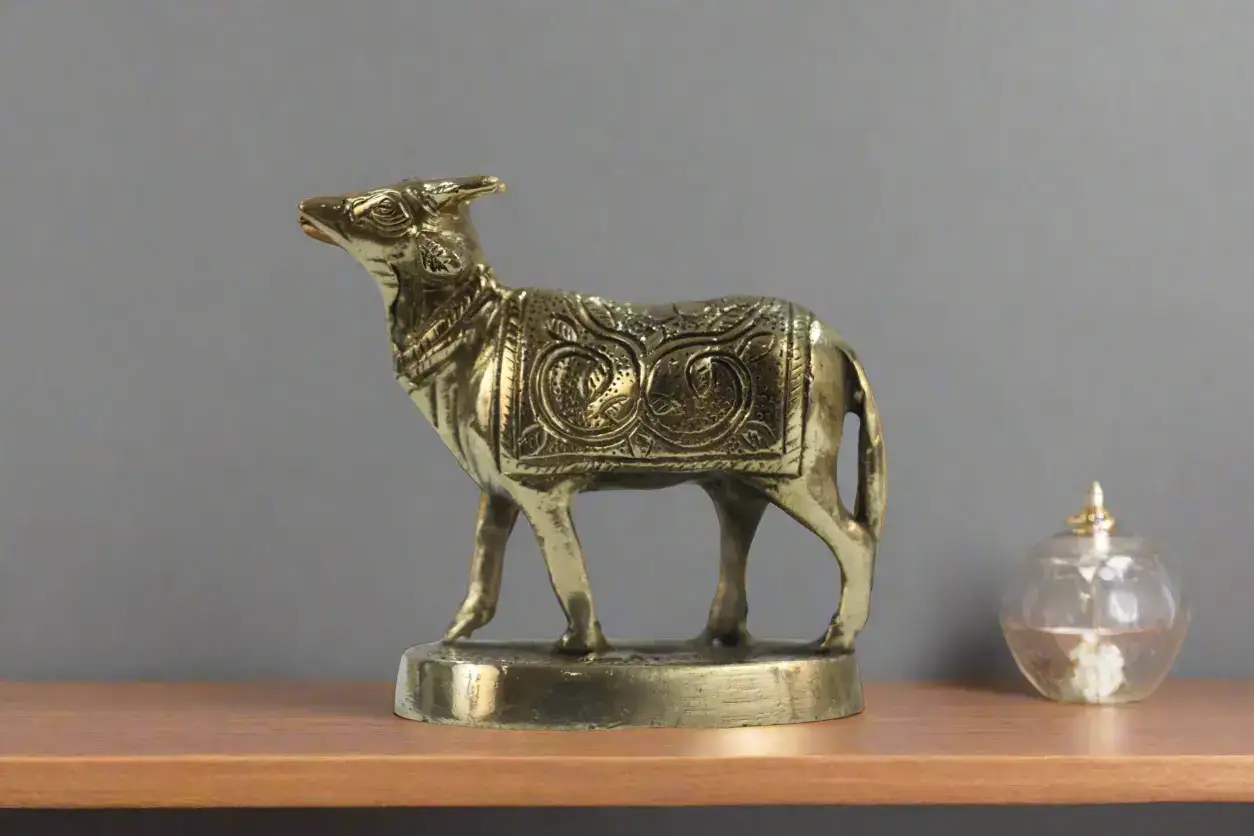
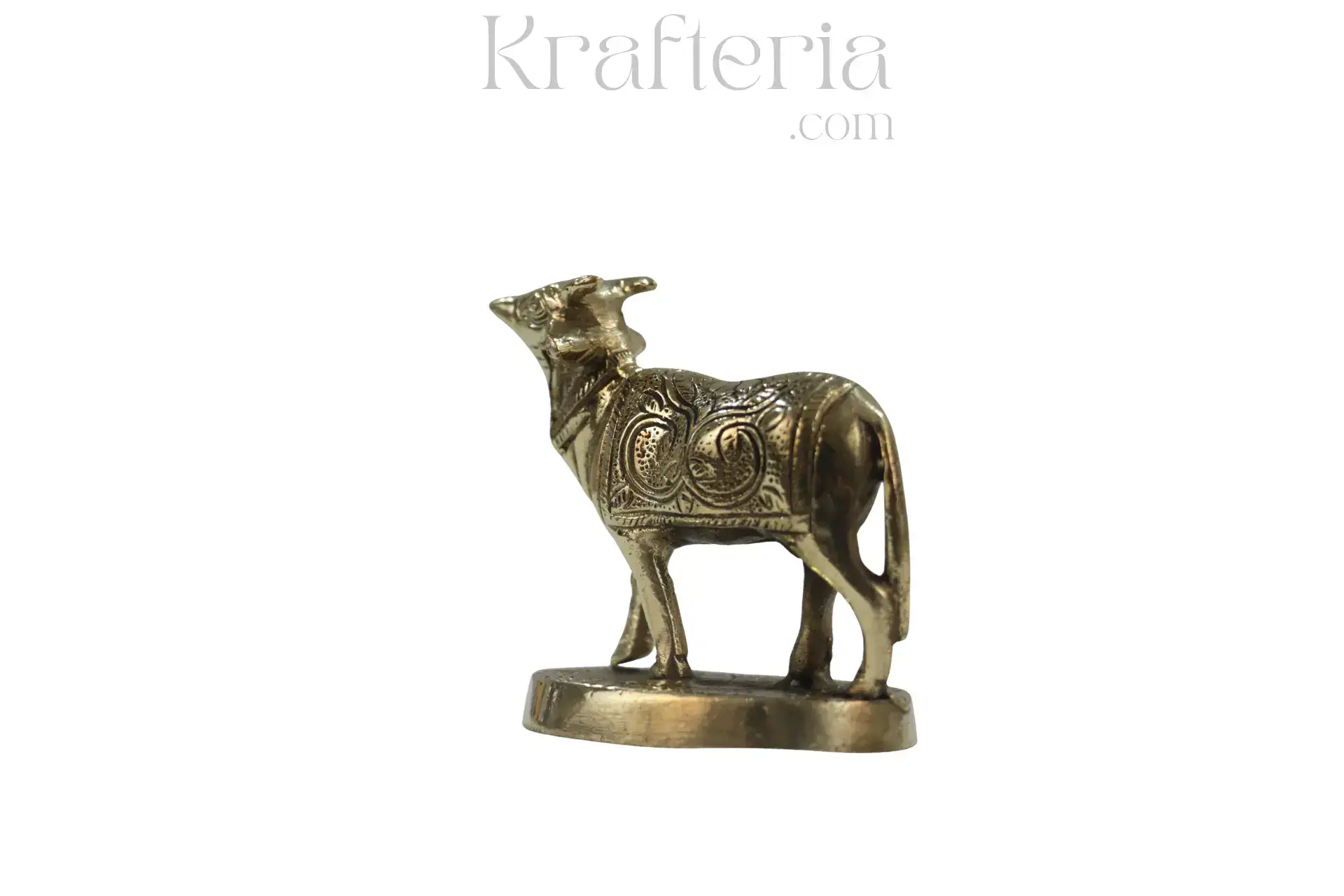
Delhi's brass work is not limited to religious iconography. It also includes secular decorative items such as animal sculptures, featuring horses, bulls, and elephants. These animal figures are popular choices for home decor, offering both charm and cultural resonance.
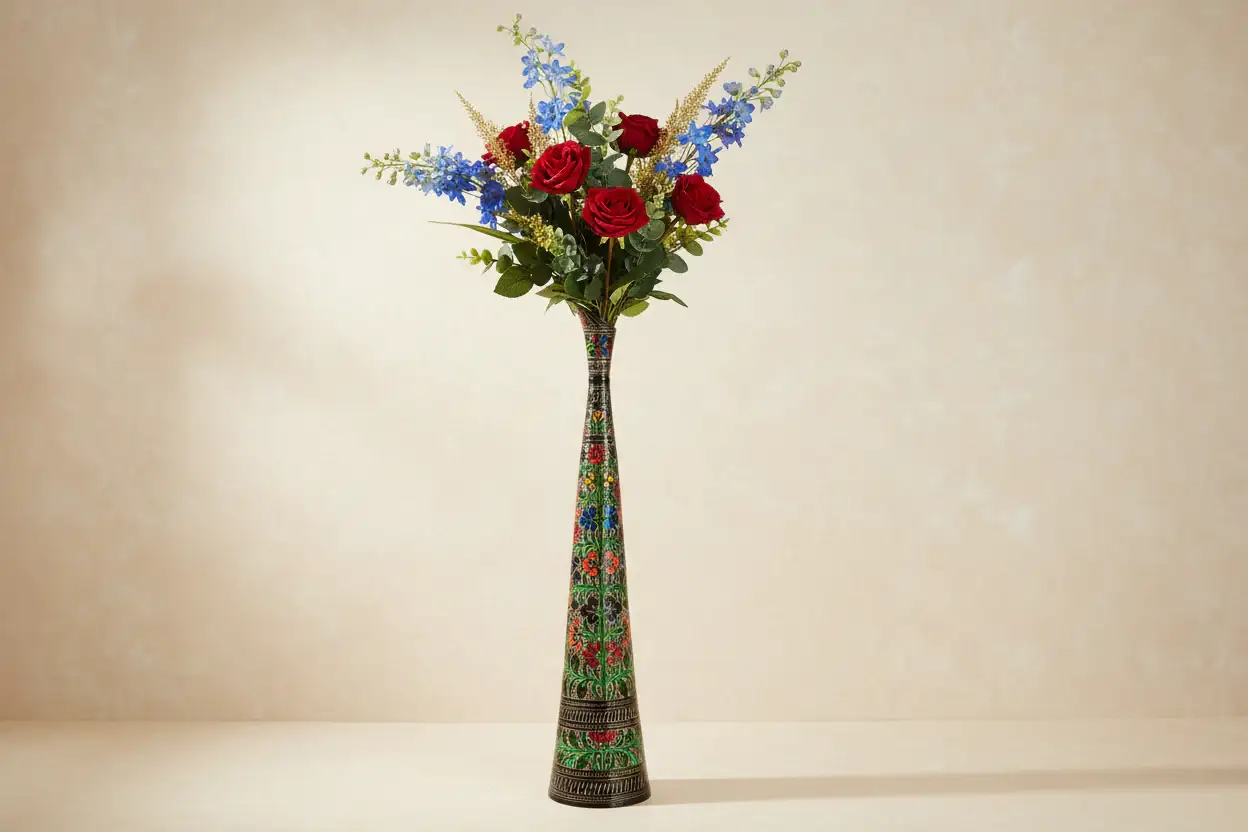
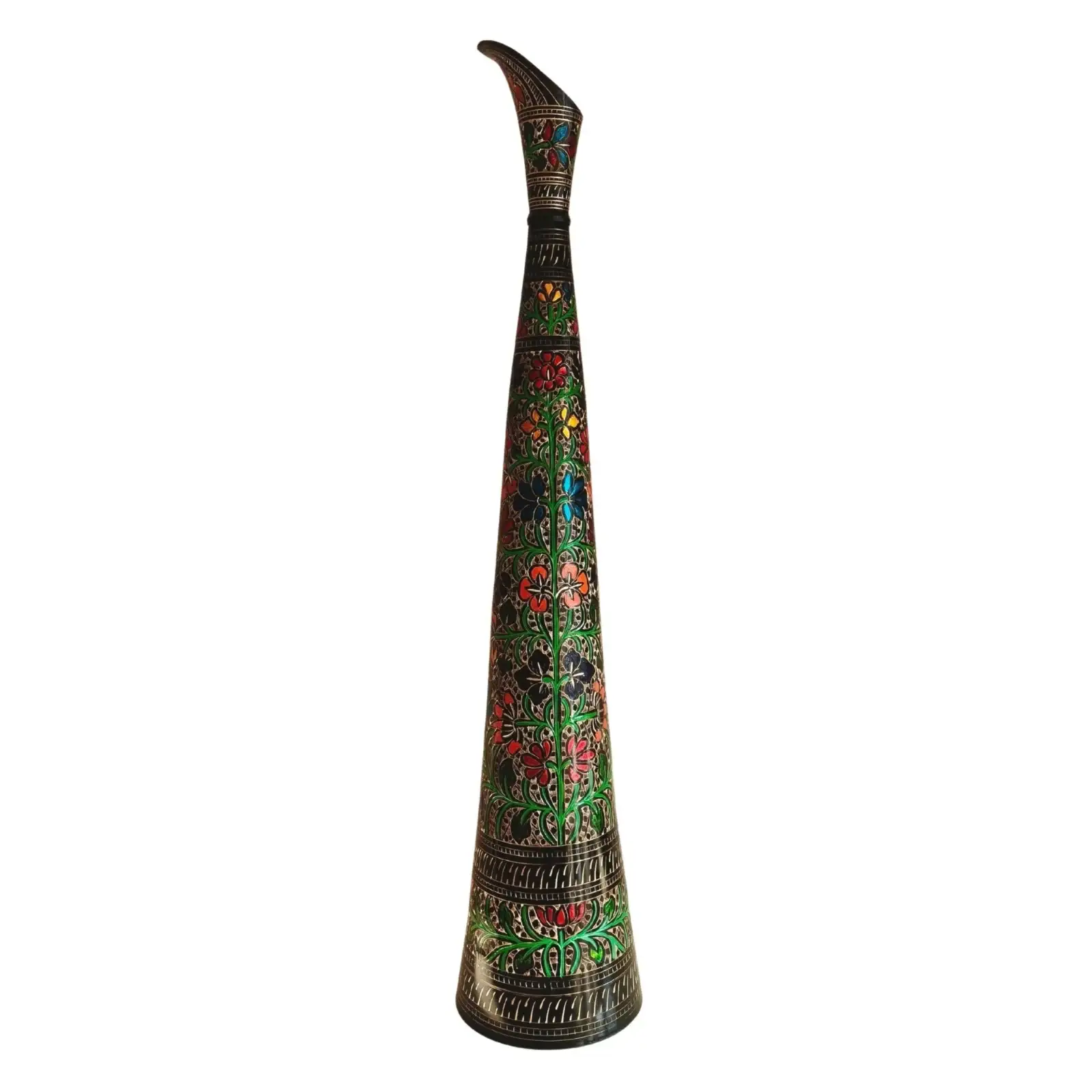
Other household metal items include ornate vases, lamps, and various artifacts that enhance traditional aesthetics. The versatility of brass allows it to be used in both spiritual and everyday decorative contexts, blending utility and art.
Craftsmanship and Techniques of the Brass Pedestal Stand
The creation of a brass pedestal involves time-honored techniques. One such method is the "lost-wax casting" or cire perdue. This ancient process allows artisans to produce hollow and complex shapes with precision and finesse.
While traditional methods form the backbone of production, many manufacturers now incorporate modern foundry techniques as well. This combination ensures durability without losing the authentic look and feel of handcrafted metal items.
- Engraving adds delicate patterns and symbolic motifs to the brass surface.
- Embossing creates raised designs, adding depth and texture to the artwork.
- Etching is used to produce intricate geometric or floral designs, elevating the visual appeal of each piece.
These finishing techniques contribute to the timeless quality of the Brass Pedestal Stand. They highlight the artistry and attention to detail inherent in brasswork, making each piece a unique heirloom or collectible item.
Durability and Timeless Aesthetic
Brass is not only valued for its beauty but also for its durability. The metal withstands the test of time, making these pieces highly prized over generations. This longevity adds to their value as family heirlooms or collectible artifacts.
The bold golden hues develop a rich patina with age, enhancing the visual warmth of each item. As a material, this metal suits both traditional and modern decor styles. The blend of old-world charm with contemporary appeal makes the piece suitable for any setting.
Evolution and Contemporary Trends of the Pedestal Stand
The art of brass making in Delhi continues to evolve despite its deep historical roots. Contemporary artisans blend traditional styles with modern design elements. This fusion caters to global demand while retaining cultural authenticity.
Today, the Brass Pedestal Stand comes in various sizes and designs, meeting diverse preferences. Whether used for puja rituals or decorative display, these pieces remain a testament to enduring craftsmanship.
Customers worldwide value these brass creations for their spiritual significance and aesthetic appeal. The blend of cultural heritage and artistic excellence makes them treasured possessions in homes and temples alike.
Original: $3.22
-70%$3.22
$0.97Product Information
Product Information
Shipping & Returns
Shipping & Returns
Description
Brass Pedestal Stand - Round Ritual Holder
The Brass Pedestal Stand reflects a rich heritage of Indian craftsmanship from Delhi. This brass artwork is centuries old and showcases the exceptional skill of master artisans. Their expertise in metal casting and detailed ornamentation adds value to every piece created.
The tradition of working with metal, especially brass, is deeply embedded in the cultural and religious fabric of the region. It produces a wide variety of items, from intricate idols of Hindu deities to utilitarian and decorative objects. These creations are not only functional but also carry deep spiritual and artistic significance.
Intricate Designs and Religious Significance
The statues of gods and goddesses such as Ganesha, Shiva, Durga, and Krishna are prominently featured in this art form. Each figure often displays finely carved details and polished finishes. At times, gold plating is applied to enhance the divine aura of these deities.
This particular ritual holder is meticulously crafted to complement the sacred idols it supports. Its round shape and sturdy design make it ideal for ritualistic purposes. The elevated base emphasizes the importance of sacred items during pooja ceremonies and religious rituals.
Beyond Religious Art: Secular Uses of Brass
Delhi's brass work is not limited to religious iconography. It also includes secular decorative items such as animal sculptures, featuring horses, bulls, and elephants. These animal figures are popular choices for home decor, offering both charm and cultural resonance.
Other household metal items include ornate vases, lamps, and various artifacts that enhance traditional aesthetics. The versatility of brass allows it to be used in both spiritual and everyday decorative contexts, blending utility and art.
Craftsmanship and Techniques of the Brass Pedestal Stand
The creation of a brass pedestal involves time-honored techniques. One such method is the "lost-wax casting" or cire perdue. This ancient process allows artisans to produce hollow and complex shapes with precision and finesse.
While traditional methods form the backbone of production, many manufacturers now incorporate modern foundry techniques as well. This combination ensures durability without losing the authentic look and feel of handcrafted metal items.
- Engraving adds delicate patterns and symbolic motifs to the brass surface.
- Embossing creates raised designs, adding depth and texture to the artwork.
- Etching is used to produce intricate geometric or floral designs, elevating the visual appeal of each piece.
These finishing techniques contribute to the timeless quality of the Brass Pedestal Stand. They highlight the artistry and attention to detail inherent in brasswork, making each piece a unique heirloom or collectible item.
Durability and Timeless Aesthetic
Brass is not only valued for its beauty but also for its durability. The metal withstands the test of time, making these pieces highly prized over generations. This longevity adds to their value as family heirlooms or collectible artifacts.
The bold golden hues develop a rich patina with age, enhancing the visual warmth of each item. As a material, this metal suits both traditional and modern decor styles. The blend of old-world charm with contemporary appeal makes the piece suitable for any setting.
Evolution and Contemporary Trends of the Pedestal Stand
The art of brass making in Delhi continues to evolve despite its deep historical roots. Contemporary artisans blend traditional styles with modern design elements. This fusion caters to global demand while retaining cultural authenticity.
Today, the Brass Pedestal Stand comes in various sizes and designs, meeting diverse preferences. Whether used for puja rituals or decorative display, these pieces remain a testament to enduring craftsmanship.
Customers worldwide value these brass creations for their spiritual significance and aesthetic appeal. The blend of cultural heritage and artistic excellence makes them treasured possessions in homes and temples alike.