Apsara Sculpture – Graceful Celestial Dancer in Stone
Elegant Apsara Sculpture: A Timeless Artistic Marvel
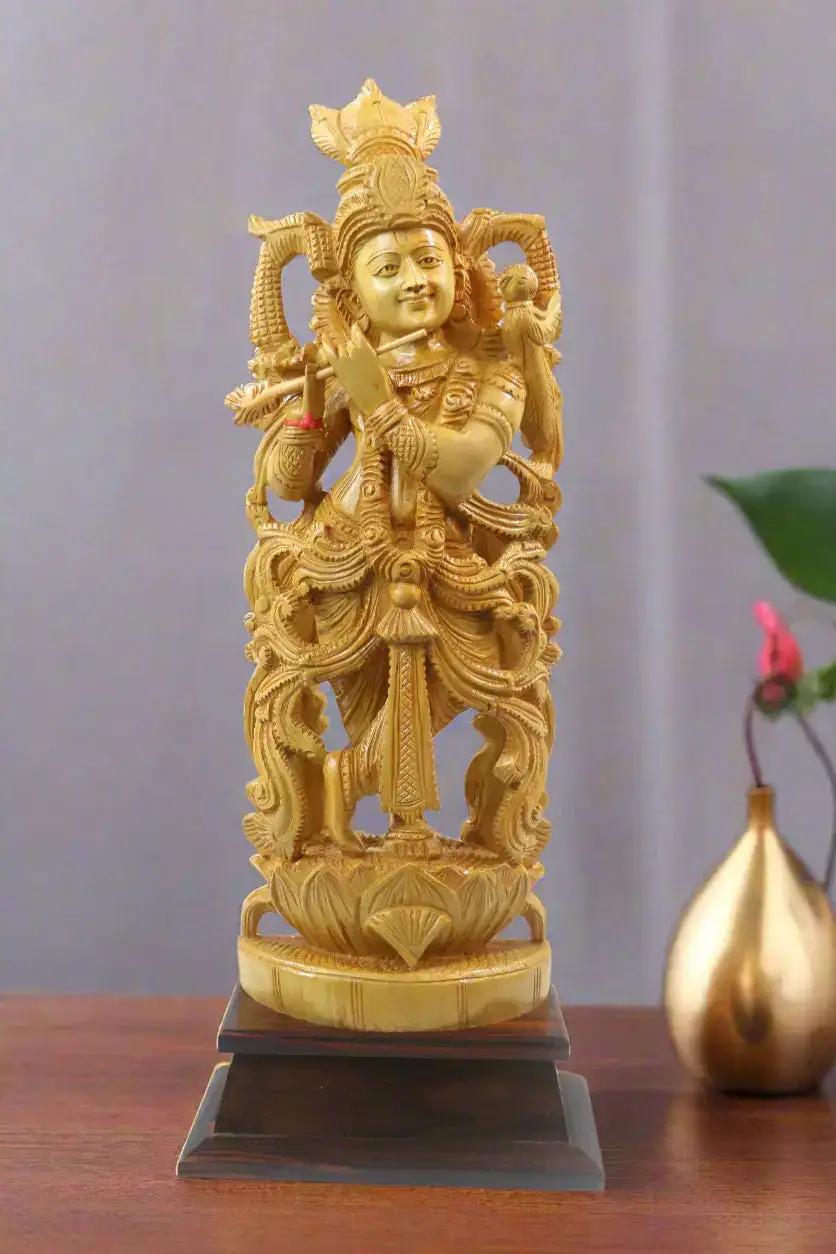
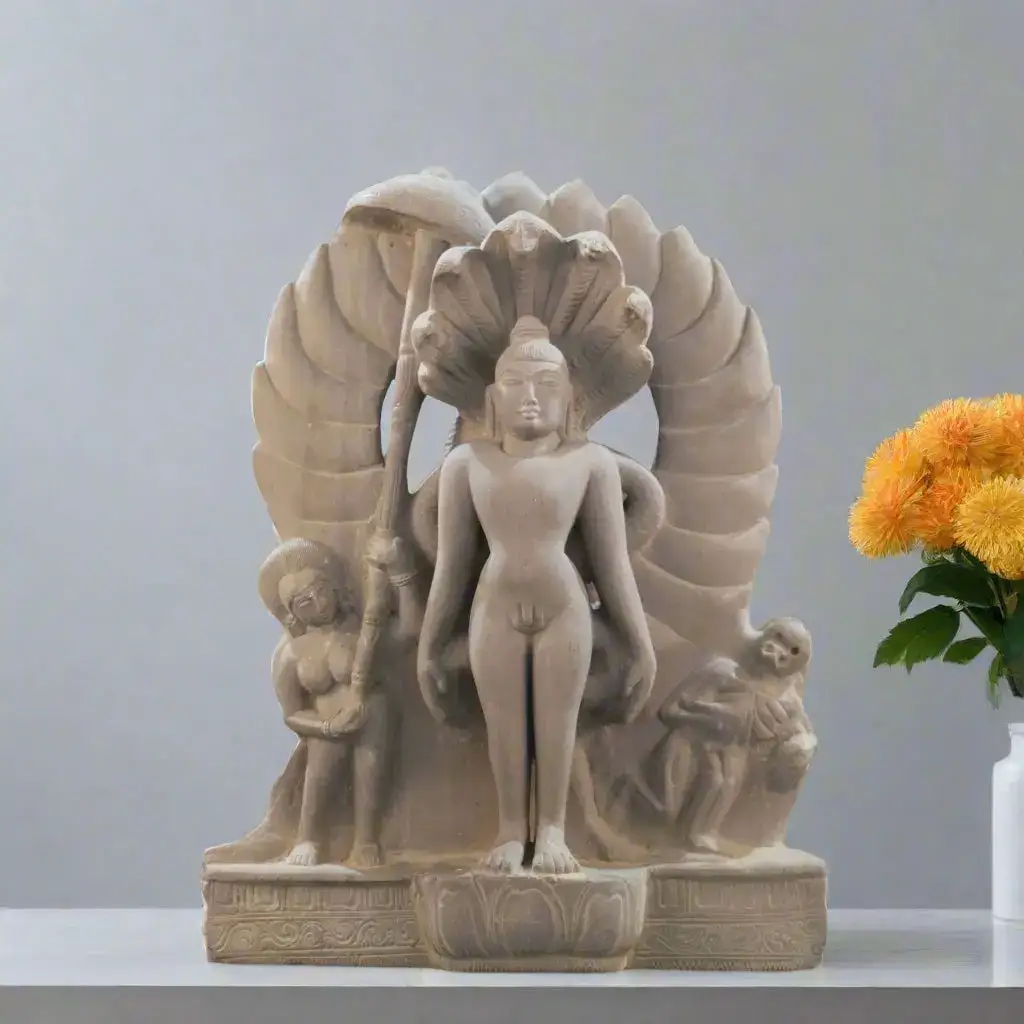
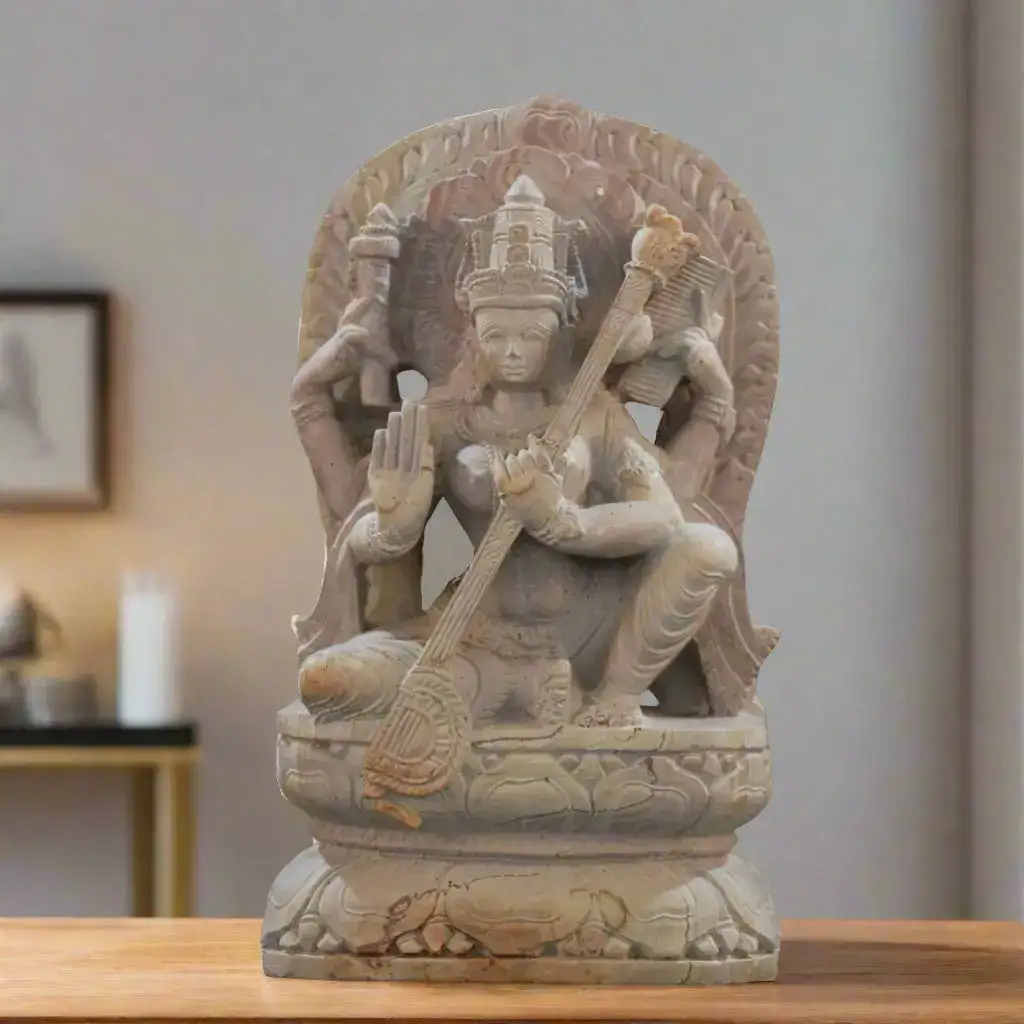
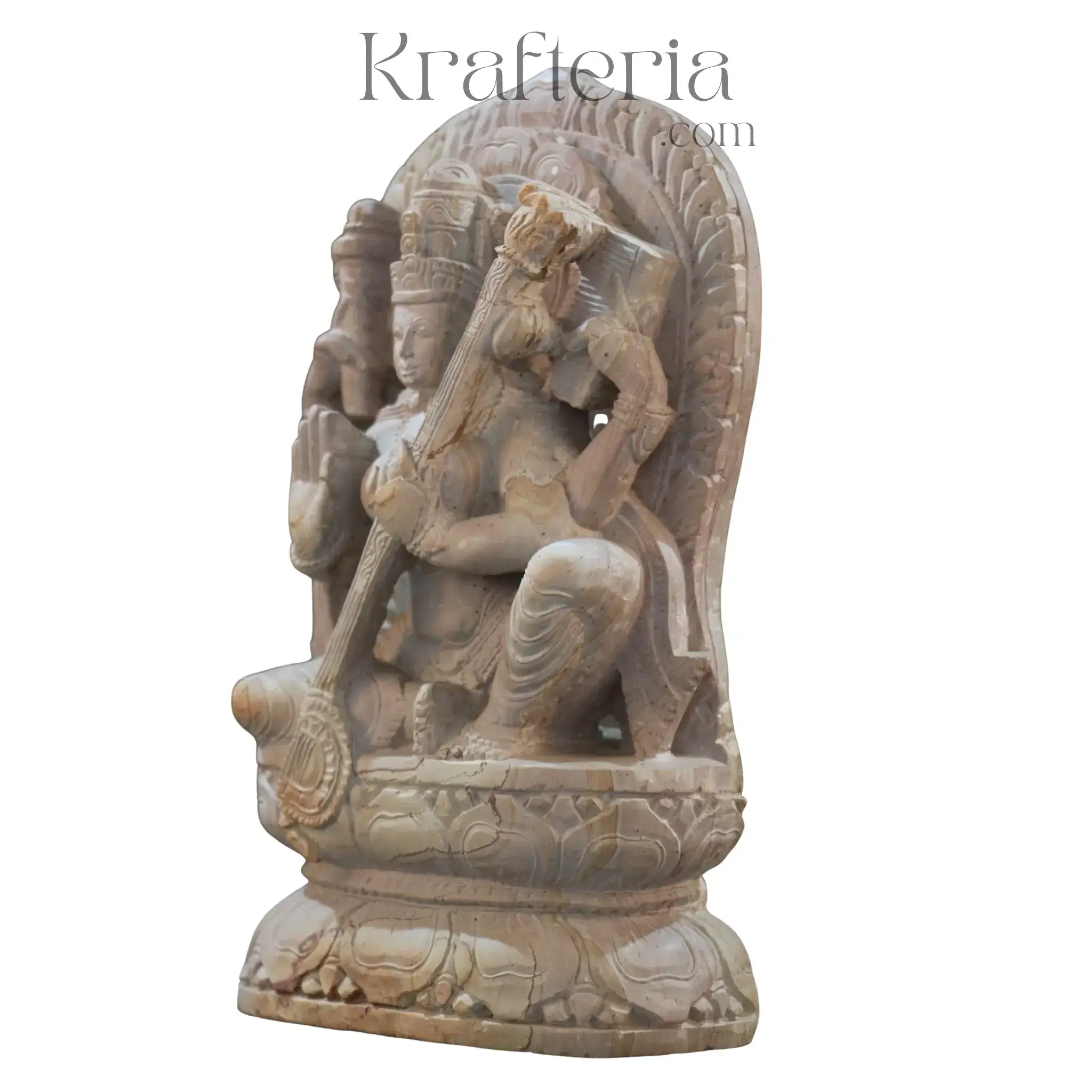
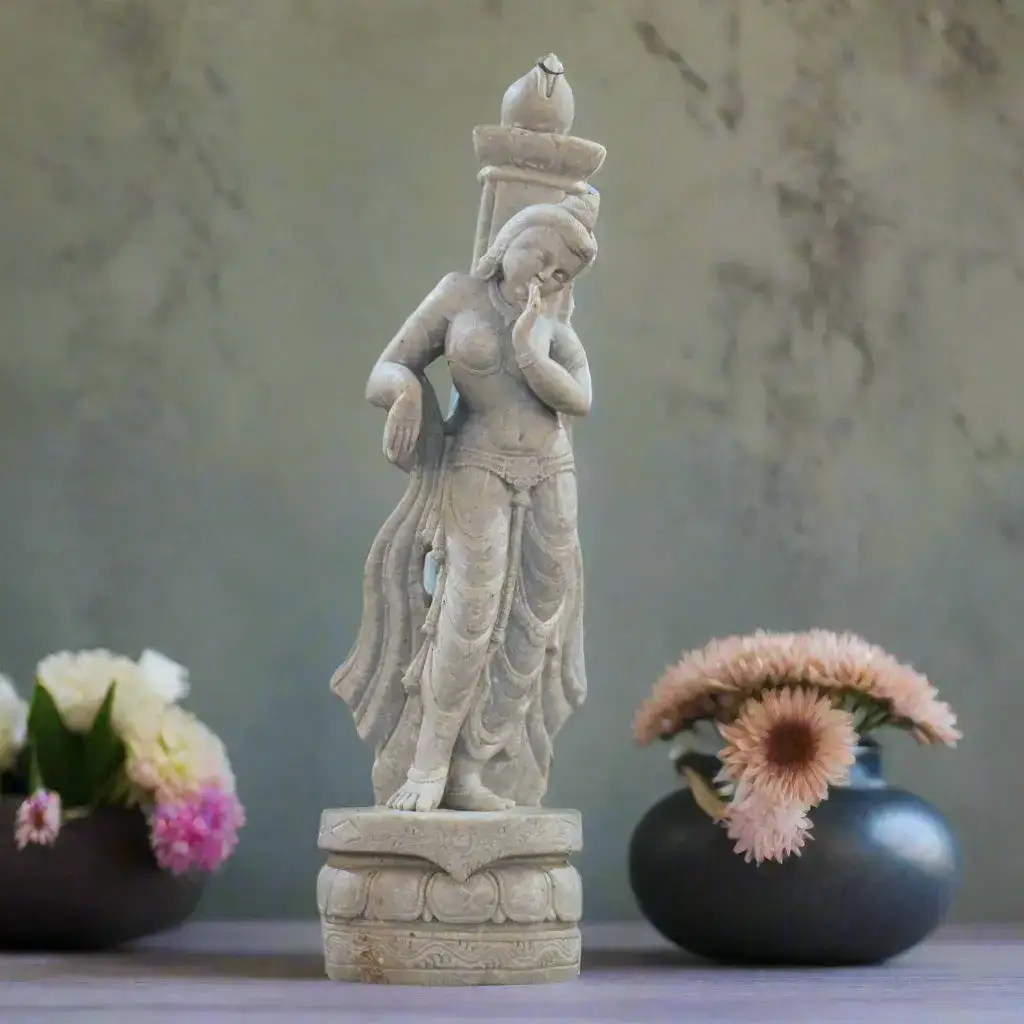
The Apsara Sculpture captures the ethereal beauty of a celestial dancer, showcasing exquisite craftsmanship in soft stone. Measuring 15" in height, 9.5" in width, and 2.2" in length, this figurine embodies grace and artistic finesse. It draws inspiration from the historic artistic traditions of Mahabalipuram, a renowned archaeological site in Tamil Nadu, India.
Mahabalipuram, also called Mamallapuram, is famous for its ancient rock-cut architecture dating back to the Pallava period. The reigns of Mahendravarman and Narasimhavarman in the 7th and 8th centuries CE witnessed the flourishing of this rich cultural heritage. This Stone Apsara statue perfectly reflects that historical and artistic context, making it a remarkable addition to any collection.
Historical Context of Mahabalipuram and Pallava Art
Mahabalipuram’s art and architecture belong predominantly to the Pallava dynasty. This era marked a significant phase in South Indian art history. Mahendravarman (circa 600–630 CE) initiated dramatic rock-cut temples and sculptures, further expanded by Narasimhavarman I (Mamalla, circa 630–668 CE). The site, named after Narasimhavarman, holds iconic works such as monolithic rathas and cave temples.
The period's creativity and spiritual expressiveness are embodied in the Apsara Sculptures. Each curve and detail of the celestial dancer symbolises divine beauty and artistic mastery prevalent during this time.
Artistic Features of the Apsara Sculptures
This Celestial dancer sculpture is a harmonious blend of elegance and tradition. It features flowing drapery carved meticulously in soft stone, mirroring the stylistic traits seen in Pallava art. The relaxed posture and serene expression of the figure evoke a sense of movement and delicate grace.
The Apsara Sculpture is an example of skilled hand carving, highlighting the classical techniques employed by artisans of the era. The base of the statue represents the ornate pedestals found in ancient temple sculptures of Mahabalipuram. This artistic stone figurine stands as a tribute to the rich cultural lineage of Tamil Nadu.
Key Elements from Pallava Period Architecture and Sculpture
- Rock-cut Architecture: Sculptures and temples carved directly from natural rock, displaying precision and durability.
- Monolithic Rathas: Chariot-shaped temples carved from single stone blocks, a signature element at Mahabalipuram.
- Cave Temples (Mandapas): Intricately designed interior spaces carved into cliff faces or hillsides.
- Bas-Relief Sculptures: Famous artworks like "Descent of the Ganges" and "Arjuna’s Penance" exhibit storytelling through stone.
- Shore Temple: One of the earliest granite structural temples, showcasing advanced construction techniques.
The Apsara Sculptures inherits stylistic influences from these artistic highlights, making it a valuable piece for enthusiasts of traditional Indian art sculpture.
Decor Uses and Symbolism of the Apsara Statue
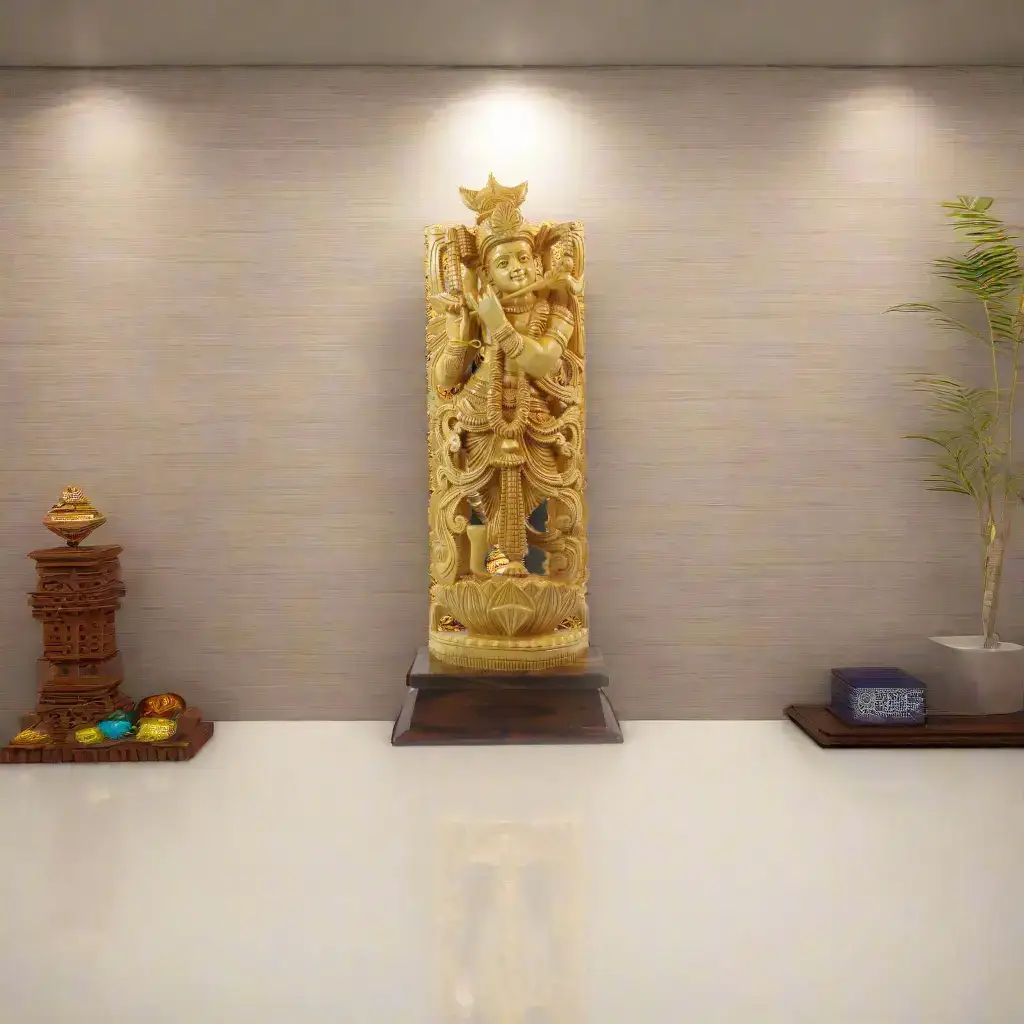
This handcrafted stone dancer statue makes an exceptional Apsara statue for home decor. Its divine feminine form enhances the atmosphere of any living room or meditation space. People often choose it to bring a touch of spirituality and cultural depth to their homes.
The dancer's pose radiates elegance, creativity, and serenity, making it an ideal gift as a housewarming gift sculpture. Its peaceful aura complements spaces designed for relaxation and reflection.
How to Buy and Care for Your Apsara Sculptures
If you wish to buy Apsara sculpture online, choose quality craftsmanship that preserves the intricate details of this traditional design. The soft stone used in this piece offers durability and ease of care, ensuring it remains a prized possession for years.
To maintain the sculpture’s beauty, regularly dust it with a soft cloth and avoid exposure to harsh chemicals or extreme moisture. Placing it in an area protected from direct sunlight will also help preserve its natural hues.
Final Thoughts on the Artistic and Cultural Significance of the Apsara Sculpture
This Apsara Sculpture bridges the past and present, celebrating ancient Pallava art through a graceful form. It embodies cultural heritage and timeless beauty in a compact yet expressive piece. Whether for personal enjoyment or as a meaningful gift, this artistic stone figurine brightens any environment with its celestial charm.
Product Information
Product Information
Shipping & Returns
Shipping & Returns
Description
Elegant Apsara Sculpture: A Timeless Artistic Marvel
The Apsara Sculpture captures the ethereal beauty of a celestial dancer, showcasing exquisite craftsmanship in soft stone. Measuring 15" in height, 9.5" in width, and 2.2" in length, this figurine embodies grace and artistic finesse. It draws inspiration from the historic artistic traditions of Mahabalipuram, a renowned archaeological site in Tamil Nadu, India.
Mahabalipuram, also called Mamallapuram, is famous for its ancient rock-cut architecture dating back to the Pallava period. The reigns of Mahendravarman and Narasimhavarman in the 7th and 8th centuries CE witnessed the flourishing of this rich cultural heritage. This Stone Apsara statue perfectly reflects that historical and artistic context, making it a remarkable addition to any collection.
Historical Context of Mahabalipuram and Pallava Art
Mahabalipuram’s art and architecture belong predominantly to the Pallava dynasty. This era marked a significant phase in South Indian art history. Mahendravarman (circa 600–630 CE) initiated dramatic rock-cut temples and sculptures, further expanded by Narasimhavarman I (Mamalla, circa 630–668 CE). The site, named after Narasimhavarman, holds iconic works such as monolithic rathas and cave temples.
The period's creativity and spiritual expressiveness are embodied in the Apsara Sculptures. Each curve and detail of the celestial dancer symbolises divine beauty and artistic mastery prevalent during this time.
Artistic Features of the Apsara Sculptures
This Celestial dancer sculpture is a harmonious blend of elegance and tradition. It features flowing drapery carved meticulously in soft stone, mirroring the stylistic traits seen in Pallava art. The relaxed posture and serene expression of the figure evoke a sense of movement and delicate grace.
The Apsara Sculpture is an example of skilled hand carving, highlighting the classical techniques employed by artisans of the era. The base of the statue represents the ornate pedestals found in ancient temple sculptures of Mahabalipuram. This artistic stone figurine stands as a tribute to the rich cultural lineage of Tamil Nadu.
Key Elements from Pallava Period Architecture and Sculpture
- Rock-cut Architecture: Sculptures and temples carved directly from natural rock, displaying precision and durability.
- Monolithic Rathas: Chariot-shaped temples carved from single stone blocks, a signature element at Mahabalipuram.
- Cave Temples (Mandapas): Intricately designed interior spaces carved into cliff faces or hillsides.
- Bas-Relief Sculptures: Famous artworks like "Descent of the Ganges" and "Arjuna’s Penance" exhibit storytelling through stone.
- Shore Temple: One of the earliest granite structural temples, showcasing advanced construction techniques.
The Apsara Sculptures inherits stylistic influences from these artistic highlights, making it a valuable piece for enthusiasts of traditional Indian art sculpture.
Decor Uses and Symbolism of the Apsara Statue
This handcrafted stone dancer statue makes an exceptional Apsara statue for home decor. Its divine feminine form enhances the atmosphere of any living room or meditation space. People often choose it to bring a touch of spirituality and cultural depth to their homes.
The dancer's pose radiates elegance, creativity, and serenity, making it an ideal gift as a housewarming gift sculpture. Its peaceful aura complements spaces designed for relaxation and reflection.
How to Buy and Care for Your Apsara Sculptures
If you wish to buy Apsara sculpture online, choose quality craftsmanship that preserves the intricate details of this traditional design. The soft stone used in this piece offers durability and ease of care, ensuring it remains a prized possession for years.
To maintain the sculpture’s beauty, regularly dust it with a soft cloth and avoid exposure to harsh chemicals or extreme moisture. Placing it in an area protected from direct sunlight will also help preserve its natural hues.
Final Thoughts on the Artistic and Cultural Significance of the Apsara Sculpture
This Apsara Sculpture bridges the past and present, celebrating ancient Pallava art through a graceful form. It embodies cultural heritage and timeless beauty in a compact yet expressive piece. Whether for personal enjoyment or as a meaningful gift, this artistic stone figurine brightens any environment with its celestial charm.