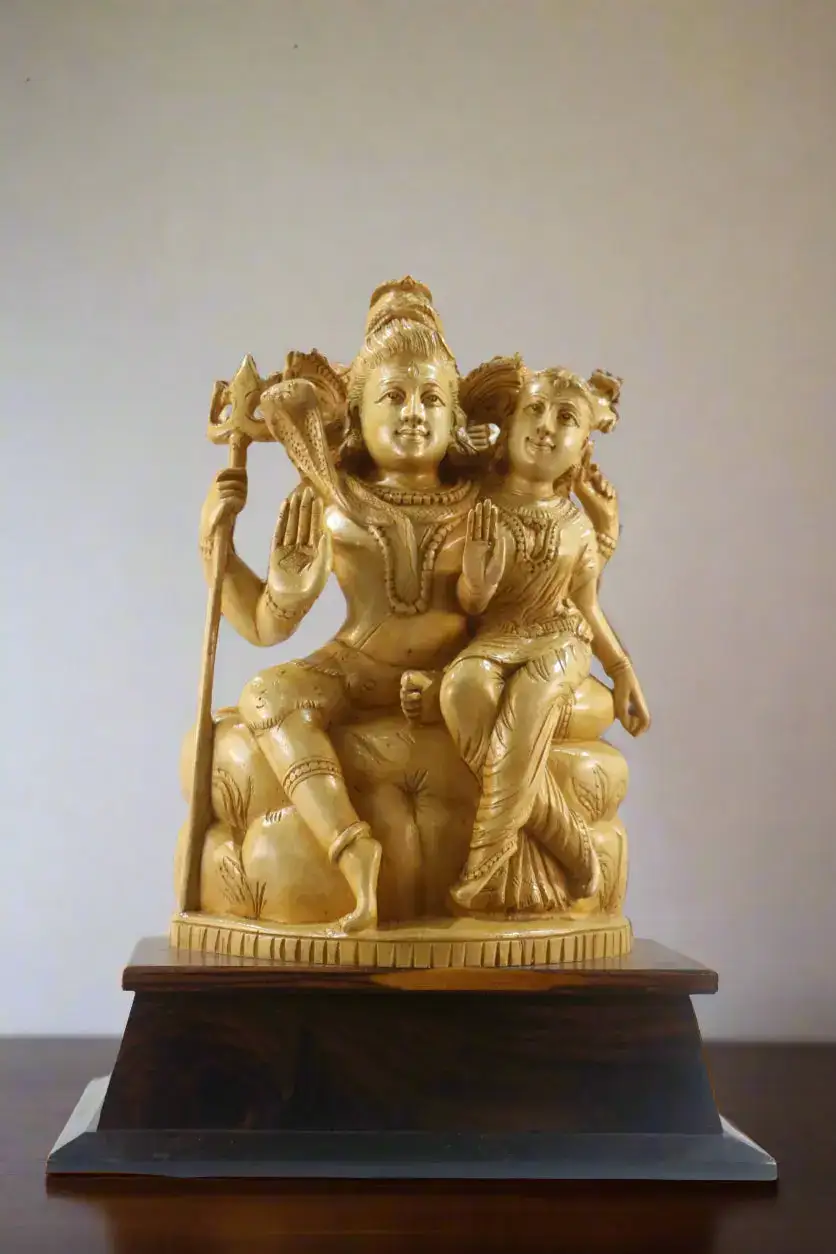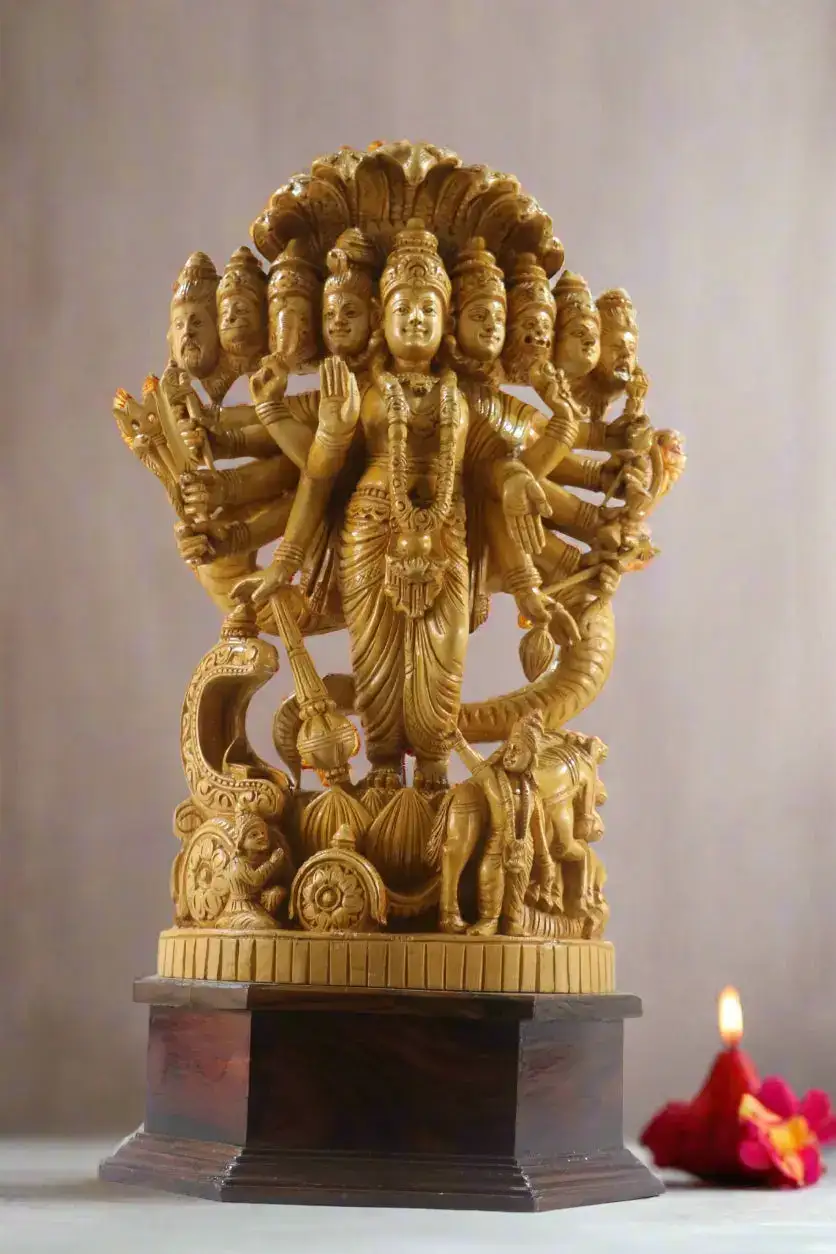
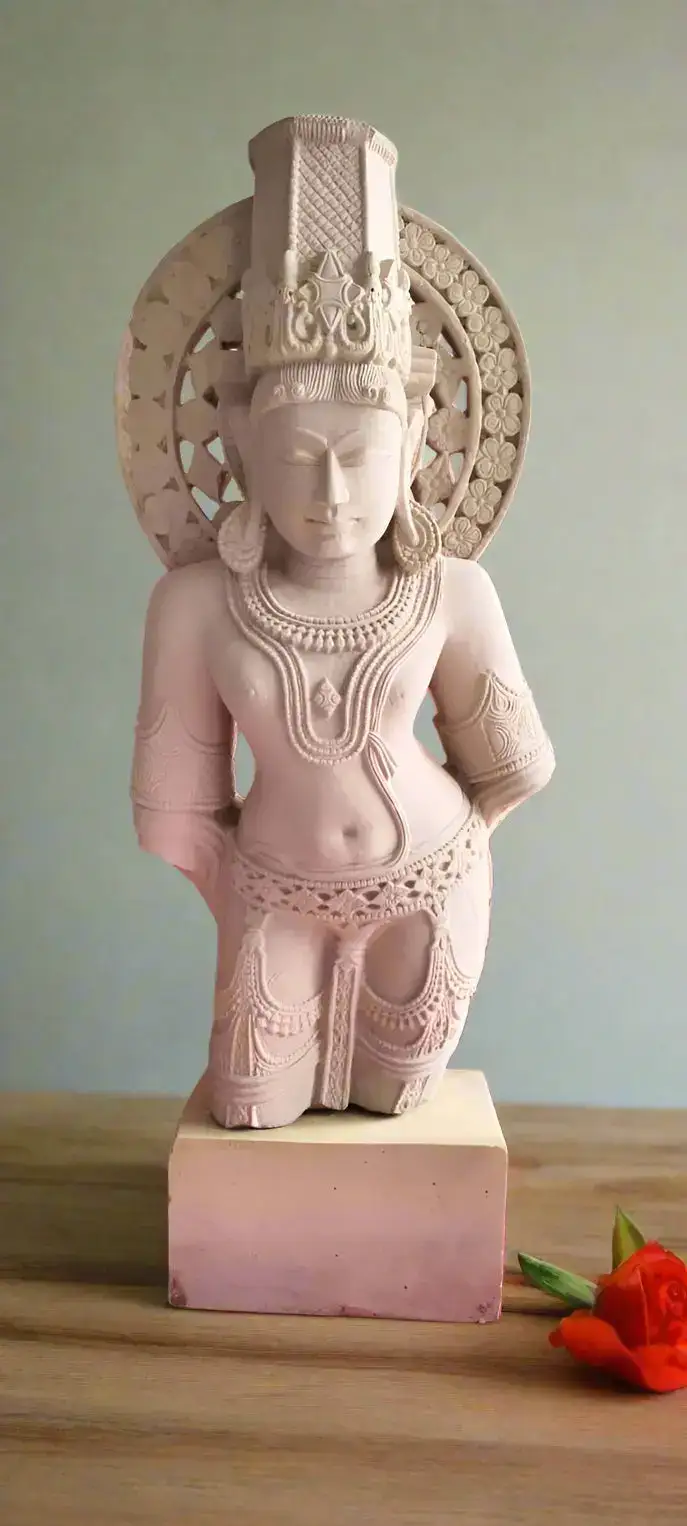
Ancient Indian Sandstone Sculpture of a Deva/Gandharva Divine Being
Sandstone Sculpture of a Deva: A Masterpiece of Ancient Indian Art
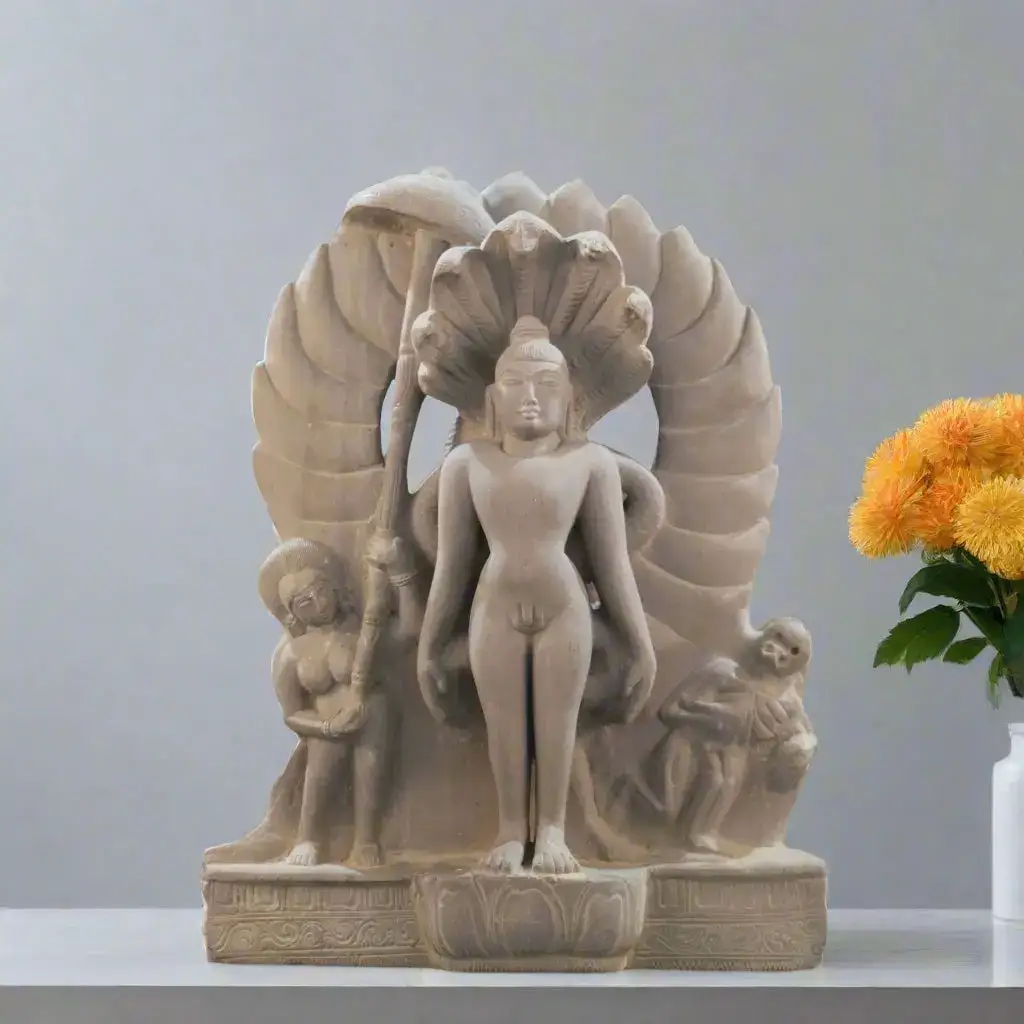
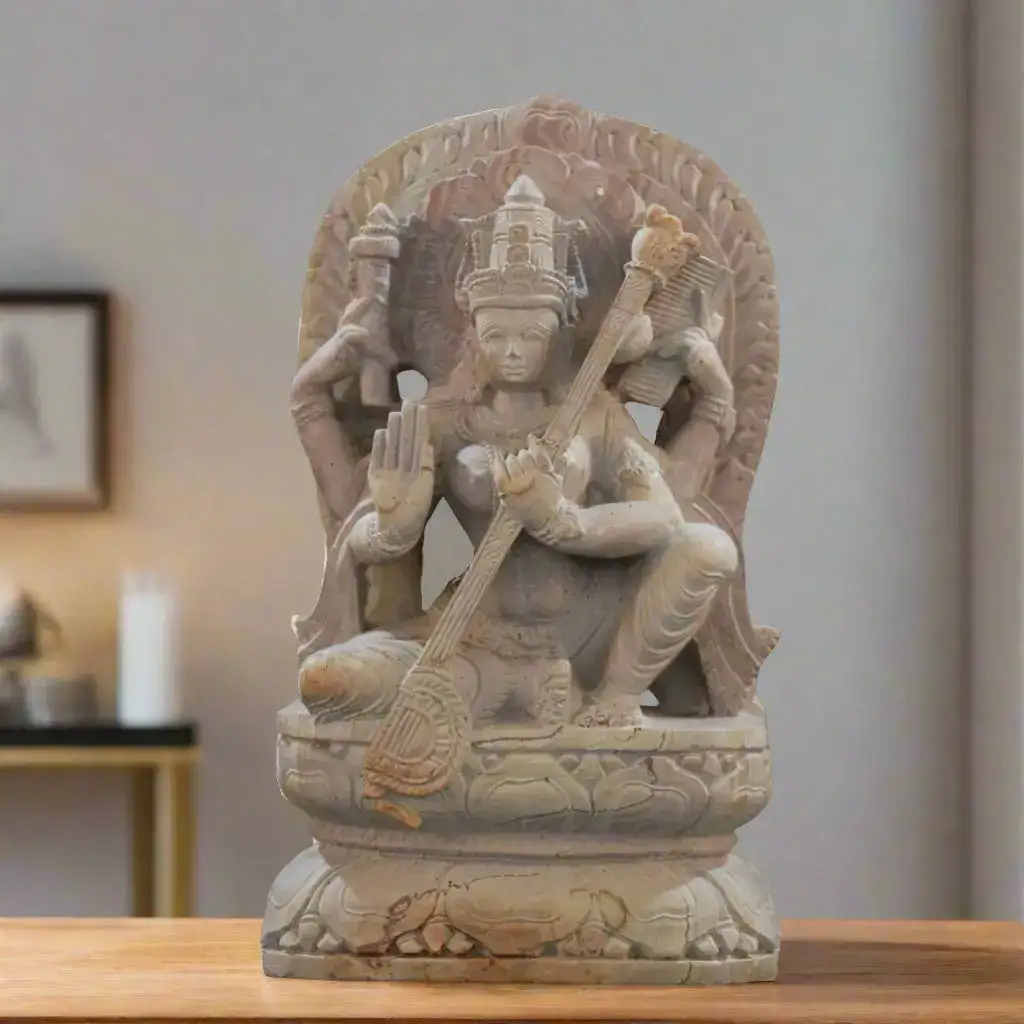
The Sandstone Gandharva Sculpture from Madhya Pradesh stands as a true testament to Indian temple art. During the medieval era, this art form flourished under the Chandela kings of Khajuraho, Paramaras at Ujjain and Dhar, and the Pratiharas. Crafted from local red, buff, or pink sandstone, these sculptures highlight the natural beauty and fine texture of the material.
Artisans used sandstone to create intricate and detailed designs that have endured through centuries. This durable yet versatile material balanced artistic expression with longevity. The Sandstone Sculpture of a Deva exemplifies spiritual, cultural, and artistic excellence preserved across generations.
Details and Symbolism in Sandstone Sculpture of a Deva
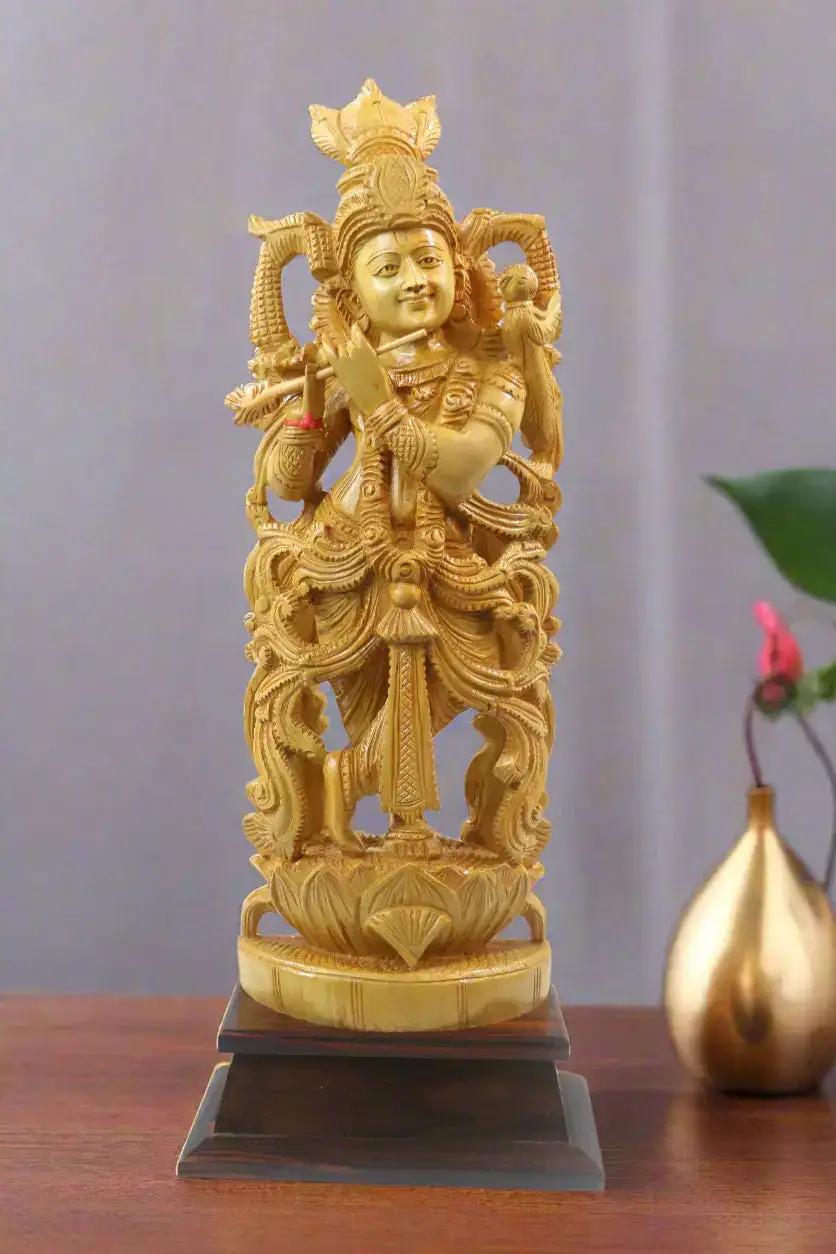
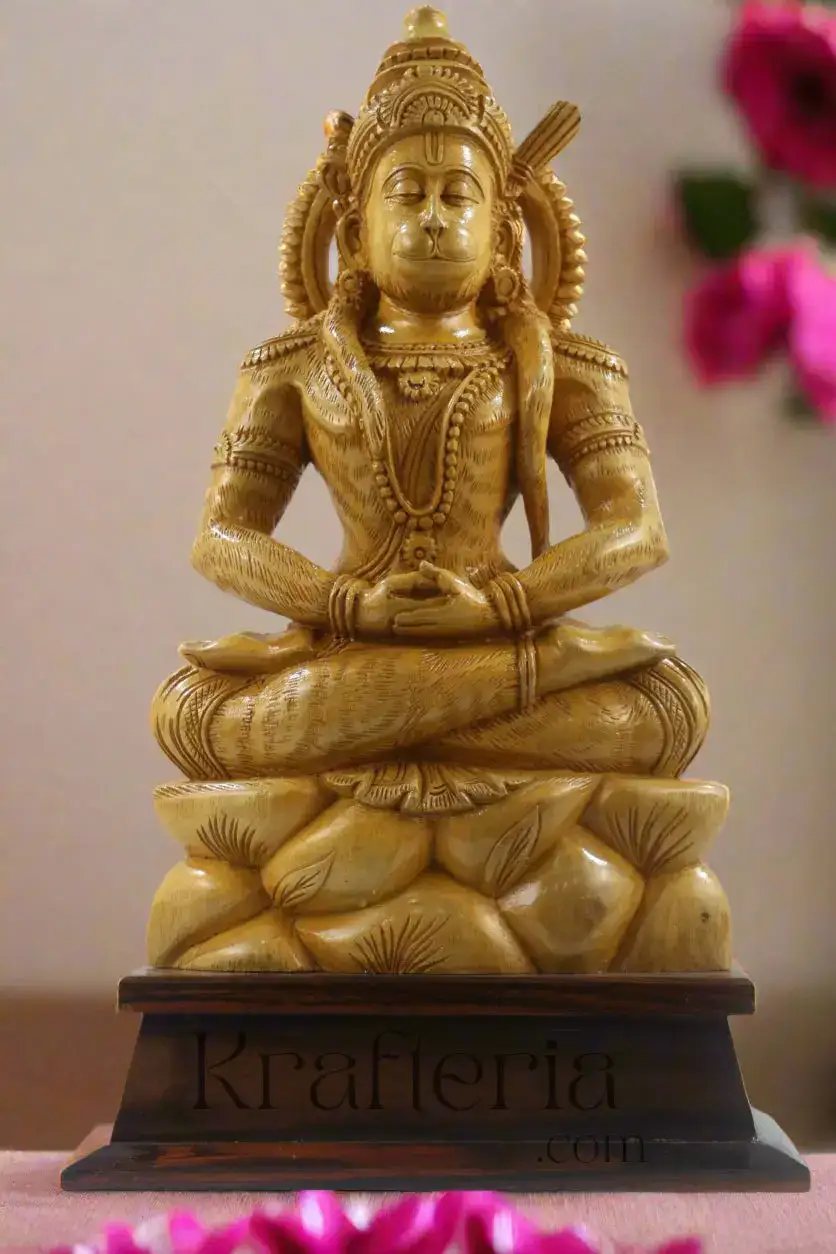
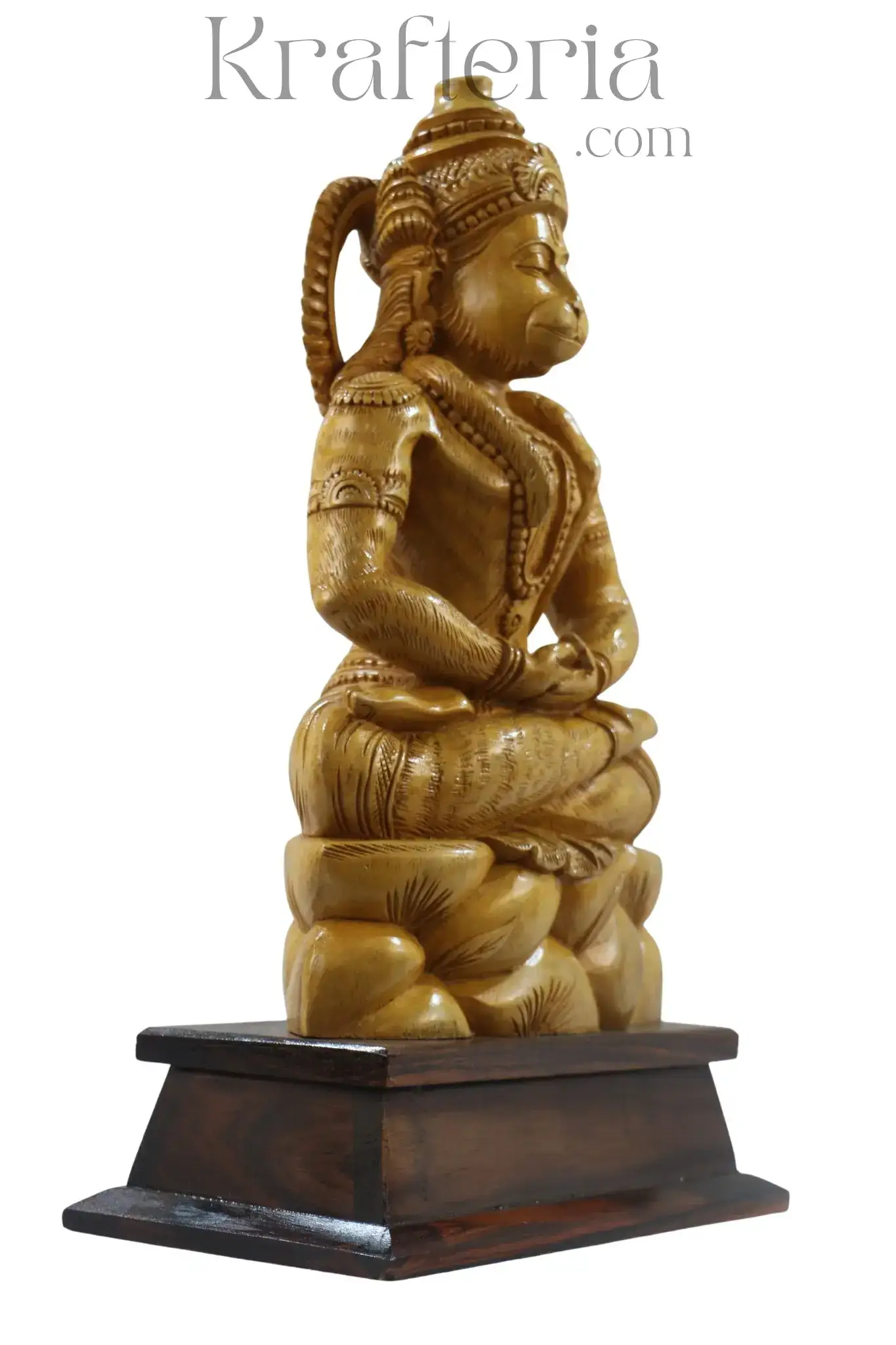
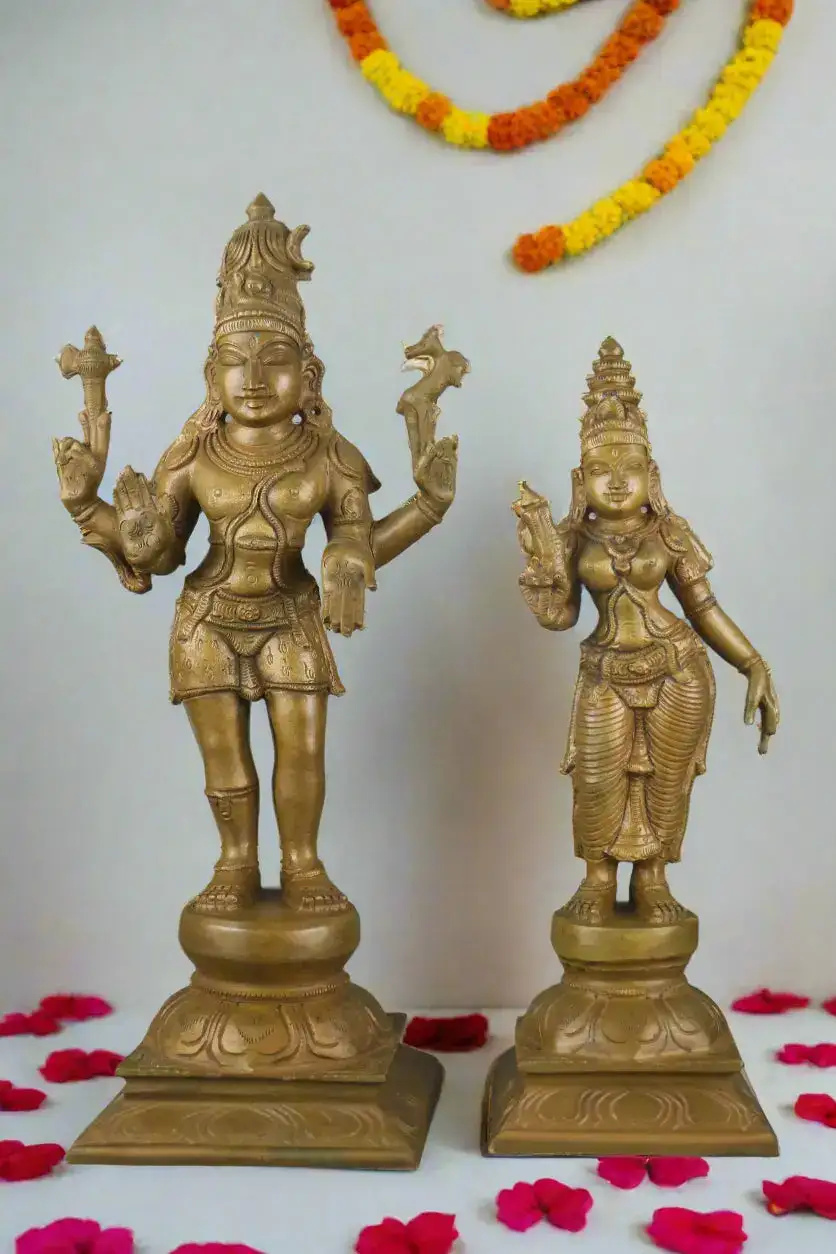
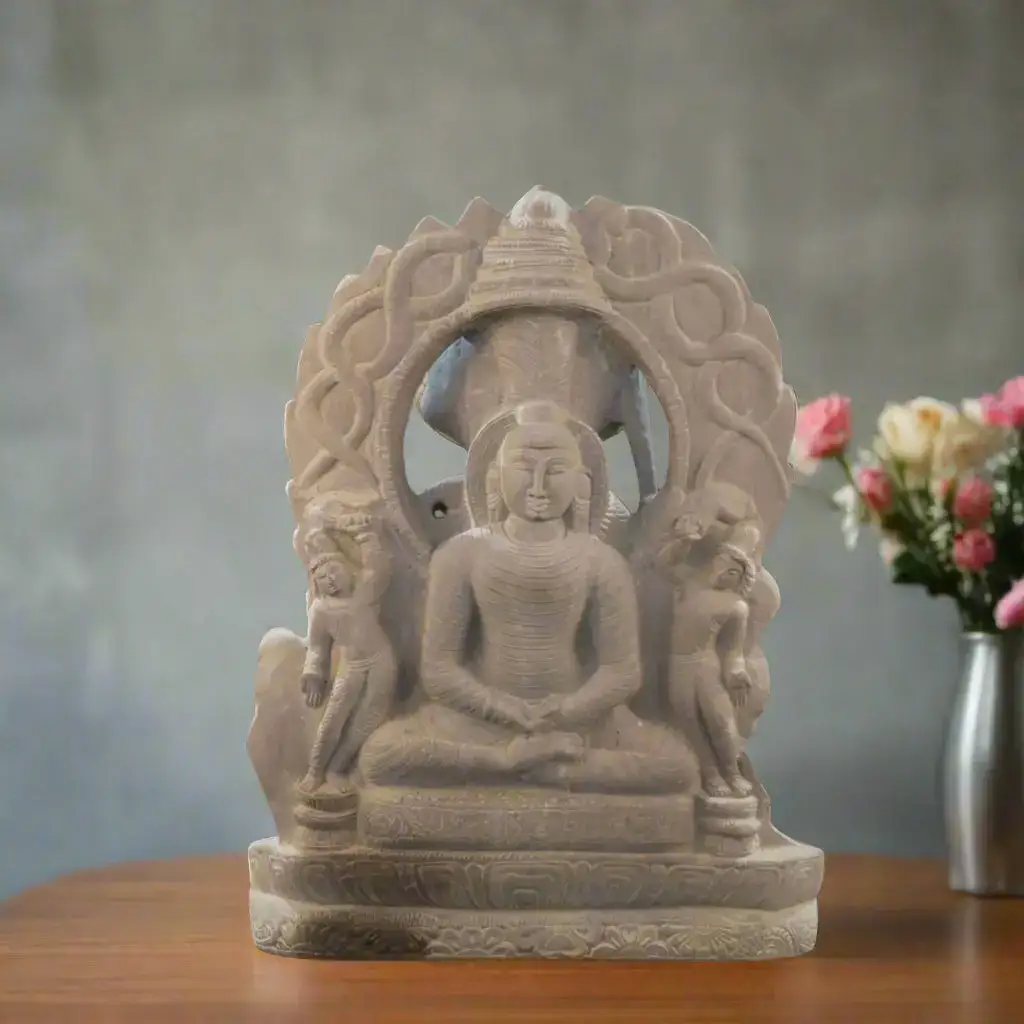
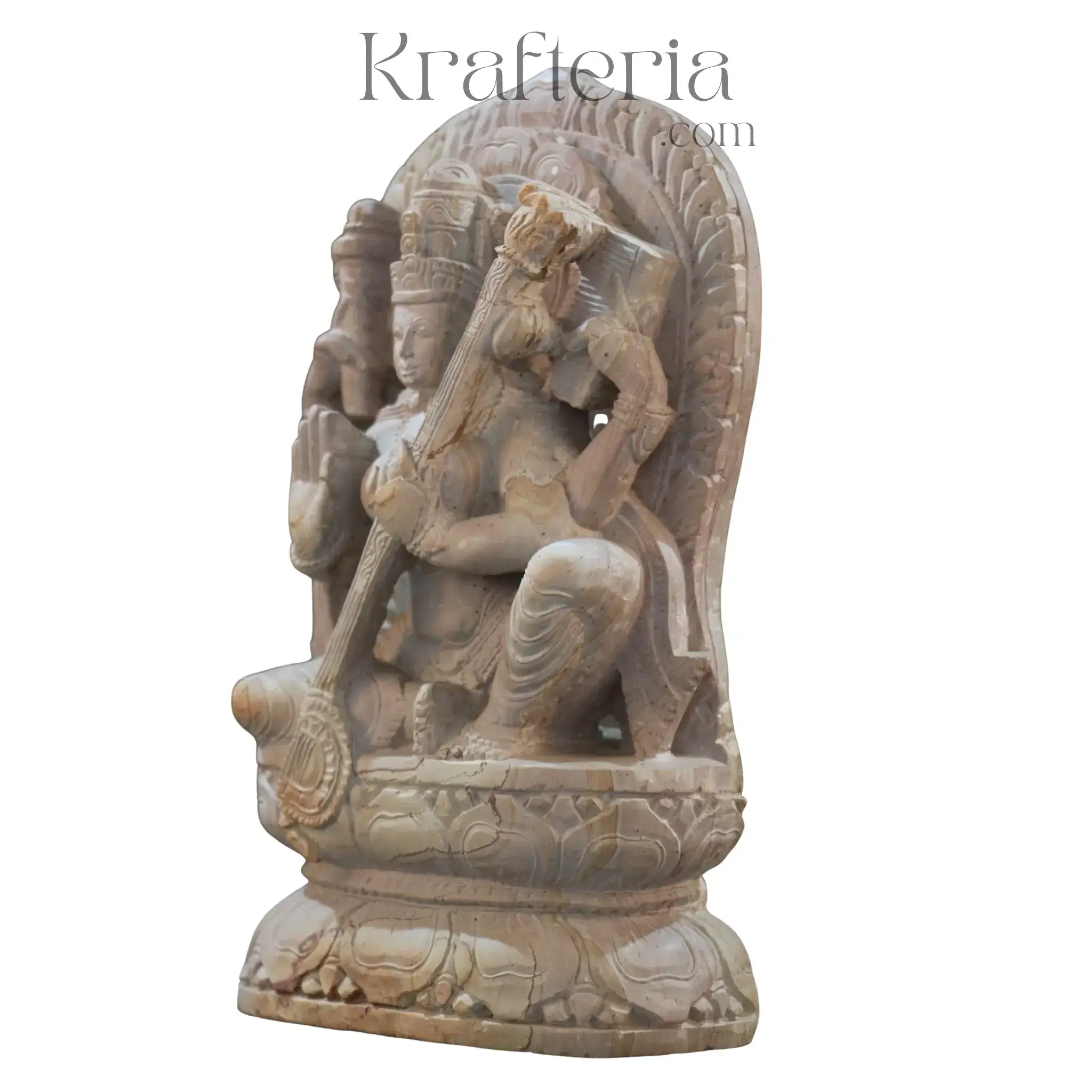
These sandstone carvings are treasured for their high relief designs and elaborate ornamentation. They depict human and divine figures in graceful, dynamic poses, showcasing fluidity and life-like qualities. Common motifs include Hindu and Jain deities, apsaras, gandharvas, and scenes from mythology or daily life.
The flowing, elegant forms carry rich symbolic meanings connected to cosmic principles and spiritual ideas. Skillfully carved jewelry, facial expressions, and natural drapery demonstrate the craftsmen’s mastery and attention to detail. The Deva forms share stylistic resemblances with the Sandstone Gandharva Sculpture, emphasizing divine beauty and grace.
These artworks reveal a deep connection between sculptural form, spirituality, and symbolism characteristic of traditional Indian art. They serve not only as decorative pieces but also as meaningful spiritual representations.
Iconic Sites Featuring Sandstone Sculpture of a Deva
Among the most famous collections of Sandstone Deva Idols are found at the exquisite Khajuraho temples, a UNESCO World Heritage Site. These sculptures blend spiritual calm with physical energy, embodying the union of sensuality and divinity.
Besides Khajuraho, important sandstone sculptures also appear at Bateshwar, Gwalior Fort, Udayagiri, and Amar Kantak. These locations showcase exceptional Sandstone Gandharva statues and Deva figures. Artisans intricately fashioned drapery, delicate facial details, and elaborate jewelry to create lifelike and expressive works of art.
Important Attributes of Sandstone Deva Sculpture
Sandstone is favored for its fine grain and texture, which allows precision chiseling. It significantly enhances the natural beauty of Sandstone Gandharva Sculpture and other divine figures, making them visually striking. High relief carving and intricate ornamentation highlight depth and fine detail.
Majestic crowns, necklaces, armlets, and halos depicted on these statues symbolize divine authority and spiritual brilliance. Their elegant yet powerful postures often represent grace, protection, and cosmic balance. These attributes invite reflection and reverence from viewers and worshippers alike.
Sandstone Gandharva idols reflect supreme craftsmanship and deep spiritual symbolism, preserving ancient Indian artistry.
Sandstone Sculpture of a Deva in Historical Context
The legacy of these sandstone carvings is closely tied to India’s rich cultural and religious history. This art form thrived during the medieval period under dynasties like the Chandelas, Paramaras, and Pratiharas. These kings patronized temples rich with exquisite sculpture work, nurturing artistic excellence.
Preserving these works highlights their cultural significance and artistic value. The symbolic richness embedded in these carvings reveals the interplay of mythology, spirituality, and nature within Indian heritage. Such sculptures embody philosophical ideas that shaped centuries of religious expression and continue to inspire appreciation today.
Legacy and Inspiration of Sandstone Gandharva Sculpture
Today, Sandstone Gandharva Sculpture maintains a vital role in India’s artistic legacy. These sculptures inspire art enthusiasts, historians, and contemporary sculptors worldwide. The craftsmanship and spiritual symbolism embodied in these sandstone Deva idols resonate across cultures and generations.
Collectors and cultural institutions actively seek Sandstone Gandharva statues and Deva representations for their artistic and historic value. These sculptures remain living symbols of India’s unparalleled cultural beauty, sophistication, and profound depth. They play a pivotal role in preserving ancient art for future generations to cherish and reflect upon.
Product Information
Product Information
Shipping & Returns
Shipping & Returns
Description
Sandstone Sculpture of a Deva: A Masterpiece of Ancient Indian Art
The Sandstone Gandharva Sculpture from Madhya Pradesh stands as a true testament to Indian temple art. During the medieval era, this art form flourished under the Chandela kings of Khajuraho, Paramaras at Ujjain and Dhar, and the Pratiharas. Crafted from local red, buff, or pink sandstone, these sculptures highlight the natural beauty and fine texture of the material.
Artisans used sandstone to create intricate and detailed designs that have endured through centuries. This durable yet versatile material balanced artistic expression with longevity. The Sandstone Sculpture of a Deva exemplifies spiritual, cultural, and artistic excellence preserved across generations.
Details and Symbolism in Sandstone Sculpture of a Deva
These sandstone carvings are treasured for their high relief designs and elaborate ornamentation. They depict human and divine figures in graceful, dynamic poses, showcasing fluidity and life-like qualities. Common motifs include Hindu and Jain deities, apsaras, gandharvas, and scenes from mythology or daily life.
The flowing, elegant forms carry rich symbolic meanings connected to cosmic principles and spiritual ideas. Skillfully carved jewelry, facial expressions, and natural drapery demonstrate the craftsmen’s mastery and attention to detail. The Deva forms share stylistic resemblances with the Sandstone Gandharva Sculpture, emphasizing divine beauty and grace.
These artworks reveal a deep connection between sculptural form, spirituality, and symbolism characteristic of traditional Indian art. They serve not only as decorative pieces but also as meaningful spiritual representations.
Iconic Sites Featuring Sandstone Sculpture of a Deva
Among the most famous collections of Sandstone Deva Idols are found at the exquisite Khajuraho temples, a UNESCO World Heritage Site. These sculptures blend spiritual calm with physical energy, embodying the union of sensuality and divinity.
Besides Khajuraho, important sandstone sculptures also appear at Bateshwar, Gwalior Fort, Udayagiri, and Amar Kantak. These locations showcase exceptional Sandstone Gandharva statues and Deva figures. Artisans intricately fashioned drapery, delicate facial details, and elaborate jewelry to create lifelike and expressive works of art.
Important Attributes of Sandstone Deva Sculpture
Sandstone is favored for its fine grain and texture, which allows precision chiseling. It significantly enhances the natural beauty of Sandstone Gandharva Sculpture and other divine figures, making them visually striking. High relief carving and intricate ornamentation highlight depth and fine detail.
Majestic crowns, necklaces, armlets, and halos depicted on these statues symbolize divine authority and spiritual brilliance. Their elegant yet powerful postures often represent grace, protection, and cosmic balance. These attributes invite reflection and reverence from viewers and worshippers alike.
Sandstone Gandharva idols reflect supreme craftsmanship and deep spiritual symbolism, preserving ancient Indian artistry.
Sandstone Sculpture of a Deva in Historical Context
The legacy of these sandstone carvings is closely tied to India’s rich cultural and religious history. This art form thrived during the medieval period under dynasties like the Chandelas, Paramaras, and Pratiharas. These kings patronized temples rich with exquisite sculpture work, nurturing artistic excellence.
Preserving these works highlights their cultural significance and artistic value. The symbolic richness embedded in these carvings reveals the interplay of mythology, spirituality, and nature within Indian heritage. Such sculptures embody philosophical ideas that shaped centuries of religious expression and continue to inspire appreciation today.
Legacy and Inspiration of Sandstone Gandharva Sculpture
Today, Sandstone Gandharva Sculpture maintains a vital role in India’s artistic legacy. These sculptures inspire art enthusiasts, historians, and contemporary sculptors worldwide. The craftsmanship and spiritual symbolism embodied in these sandstone Deva idols resonate across cultures and generations.
Collectors and cultural institutions actively seek Sandstone Gandharva statues and Deva representations for their artistic and historic value. These sculptures remain living symbols of India’s unparalleled cultural beauty, sophistication, and profound depth. They play a pivotal role in preserving ancient art for future generations to cherish and reflect upon.